







TECHNICAL SUPPORT


Published 2026-01-19
Imagine this: your factory floor hums. Conveyors roll, arms swing, a drill press taps out a steady rhythm. It’s a symphony, until it isn’t. Oneservomotor in a pick-and-place unit stutters. A controller overheats. Suddenly, the whole line grinds to a halt. The diagnostic screen blinks with a cascade of errors. The problem? It’s not just a broken part. It’s the conversation—or the lack of it. Your machines, your drives, your sensors, they’re all shouting in a crowded room, but no one is listening properly.

That’s the old way. The monolithic architecture way. One big, central brain tries to manage everything. It’s efficient on paper, until a single bug or update turns into a system-wide migraine. Changing one gear shouldn’t require rebuilding the entire clock.
So, why shift gears? Why talk about microservices for something as physical as motion control?
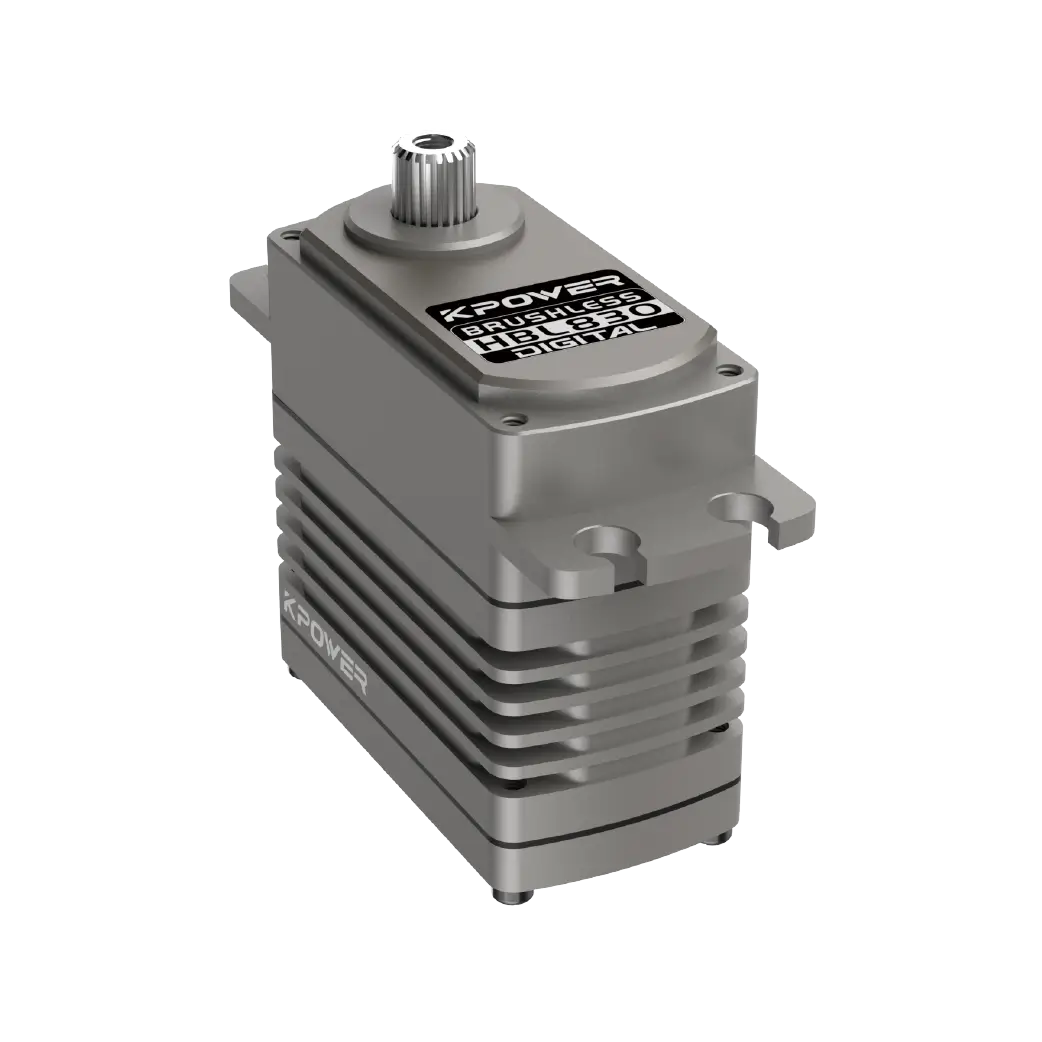
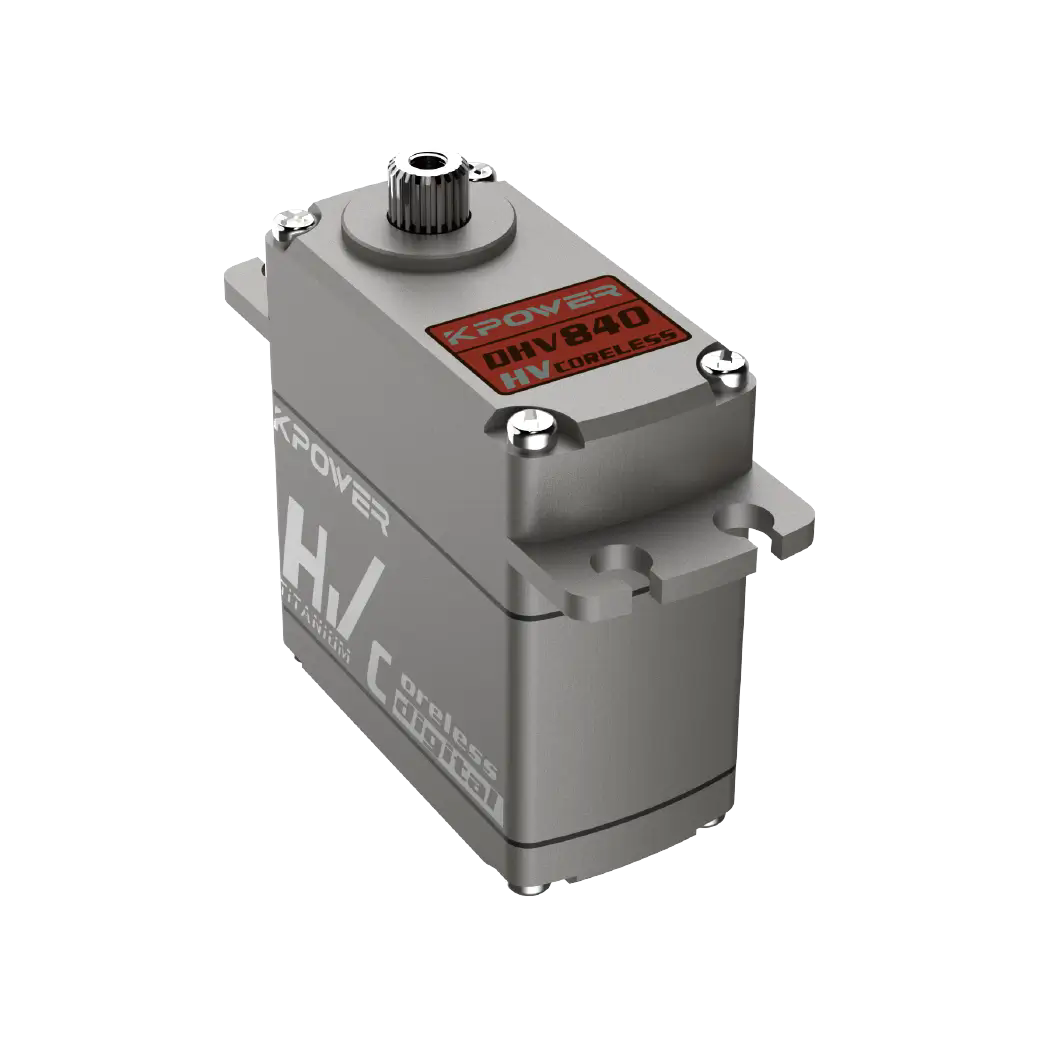
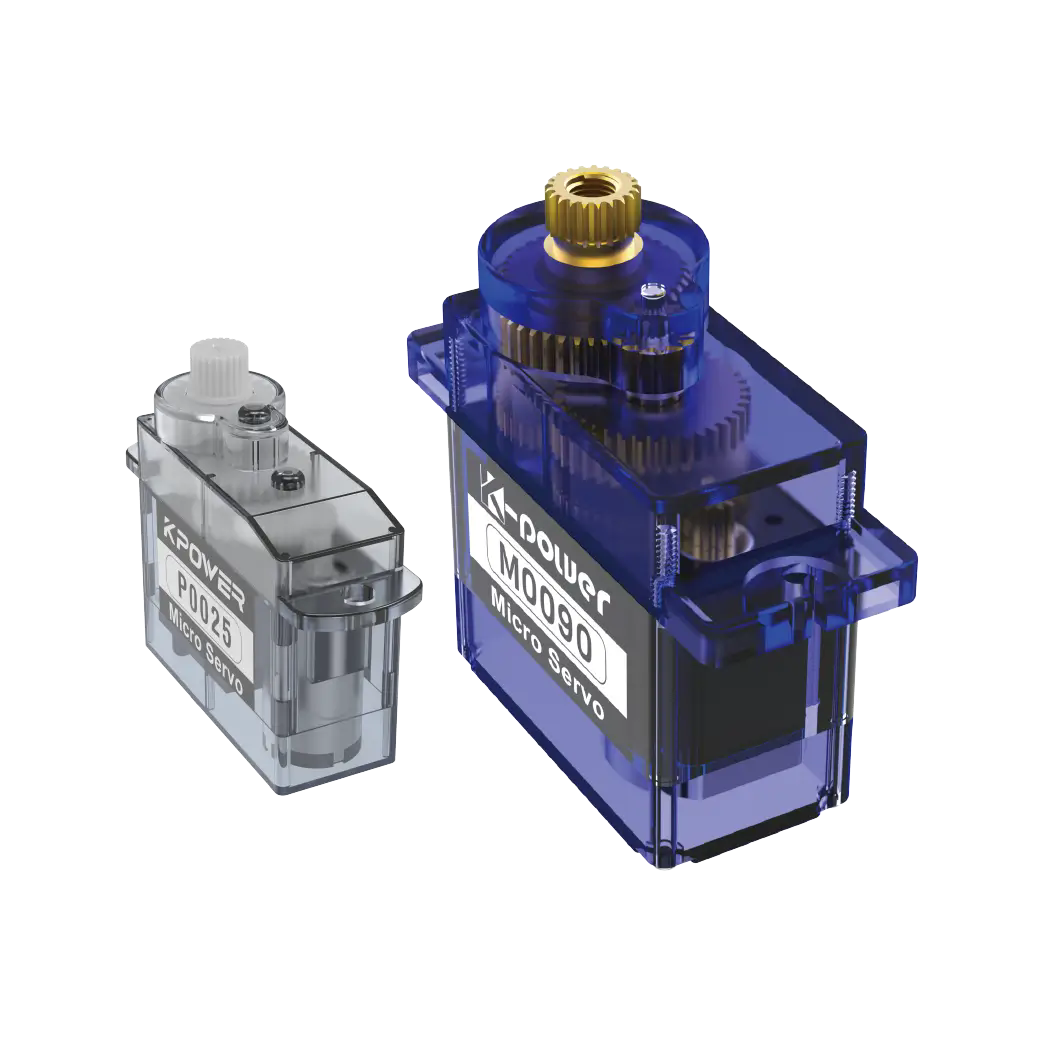
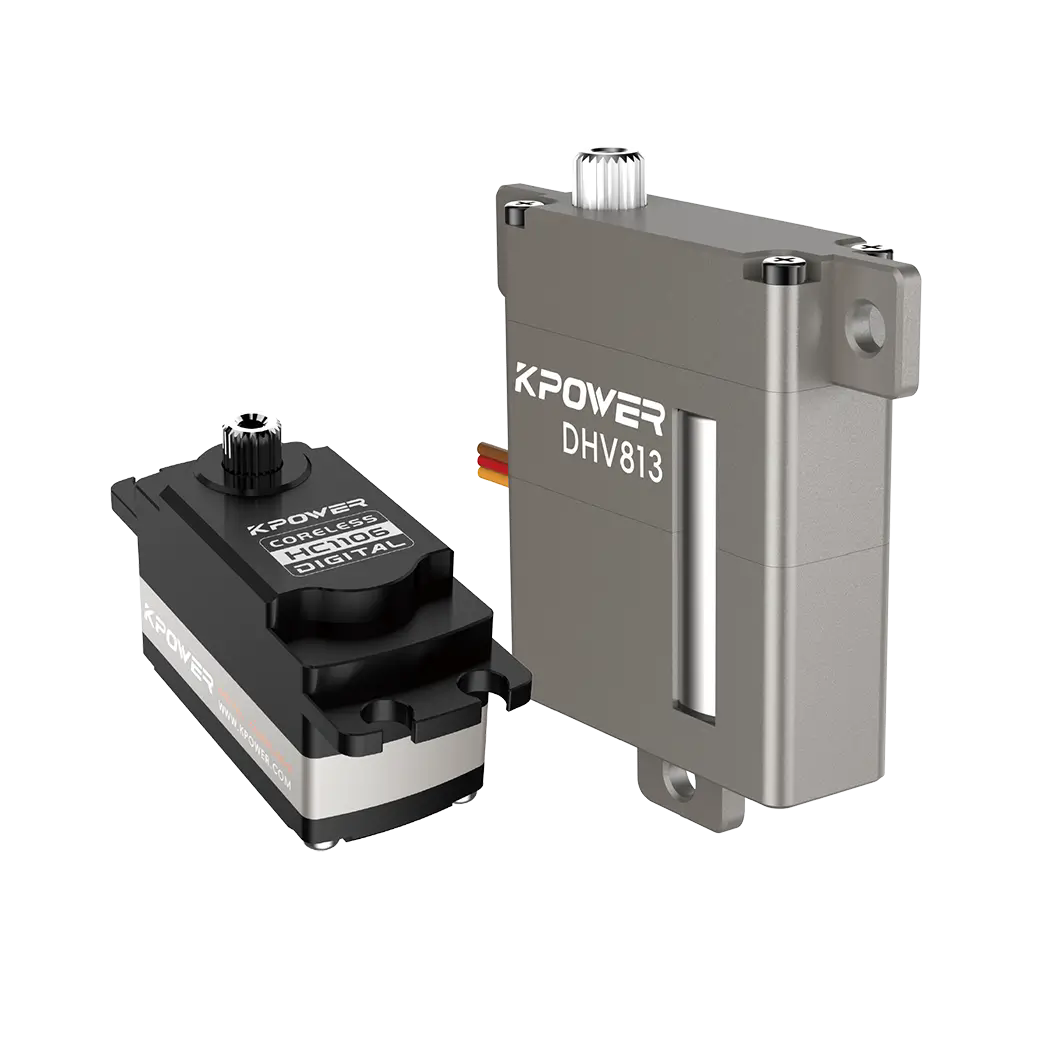
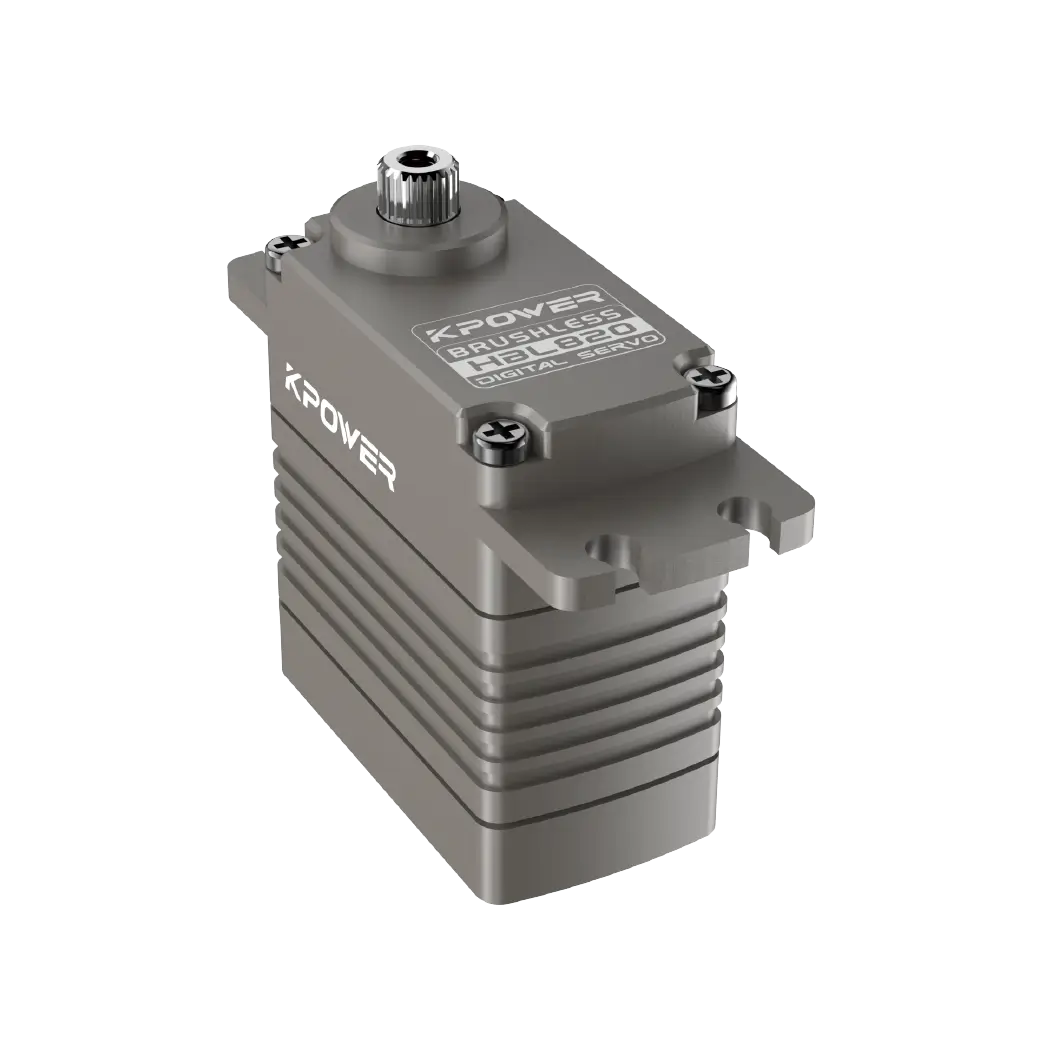
Let’s break it down, not with jargon, but with a simple picture. Think of your automation project not as a single, solid block of code, but as a team of specialized experts. One tiny, dedicated service is in charge of communicating with thatkpower servomotor, speaking its precise digital language. Another service solely manages the logic for the robotic arm’s trajectory. Another watches the temperature, another handles error logging.
They don’t live in one cramped room. They have their own spaces, their own dedicated lines of communication. They work together, but they work independently.
What does this actually get you?
First, resilience. When that dedicated “servocommunicator” service needs an update, you don’t shut down the entire production line. You update just that one expert. The arm trajectory planner keeps planning, the temperature watcher keeps watching. The show goes on.
Second, clarity. Bugs become polite, localized conversations instead of system-wide screaming matches. If akpower舵机 starts acting up, the diagnostics point right to the service talking to it. You’re not sifting through a million lines of intertwined code. You’re talking directly to the specialist in charge.
Third, speed. Need to add a new vision camera system? Instead of rewriting the giant monolith, you simply hire a new “expert”—a new microservice that knows how to talk to cameras. It introduces itself to the team (the communication network) and gets to work. Development isn’t a slog; it’s plug-and-play.
But wait, isn’t this just for software people? What’s in it for the metal and wires?
Everything. The physical world is commanded by the digital one. A more agile, resilient, and clear digital architecture means your physical systems are more reliable, easier to fix, and far simpler to improve. The barrier between a mechanic’s intuition and the machine’s digital heart gets thinner. You’re not battling a black box; you’re coordinating a well-organized team.
Some might ask: Isn’t this more complex? Managing all these little services?
It’s a different kind of complexity. It’s the complexity of a well-labeled toolbox versus the complexity of a single, multi-tool gadget that’s impossible to repair when it breaks. One offers organized, manageable parts. The other offers a single point of catastrophic failure.
Think of building a machine. You wouldn’t weld all the components into one solid lump. You use bolts, connectors, modular frames. You build in access panels. Microservices architecture is the digital version of that smart, modular engineering. It’s the access panel to your system’s logic.
For companies likekpower, who live in the world of precise motion—every servo turn, every actuator push—this philosophy isn’t just trendy tech. It’s a parallel principle. We engineer components for reliability and integration. The digital architecture that controls them should be built with the same mindset: robust, independent, yet perfectly in sync.
So, the next time you plan a system, ask a different question. Don’t just ask, “What components do I need?” Ask, “How should they talk to each other?” Build a team of digital specialists, not a single, overworked brain. Let your Kpower servos and drives have a clear, dedicated voice in the chorus. The result isn’t just fewer headaches. It’s a symphony that keeps playing, note by perfect note, no matter what.
Established in 2005, Kpower has been dedicated to a professional compact motion unit manufacturer, headquartered in Dongguan, Guangdong Province, China. Leveraging innovations in modular drive technology, Kpower integrates high-performance motors, precision reducers, and multi-protocol control systems to provide efficient and customized smart drive system solutions. Kpower has delivered professional drive system solutions to over 500 enterprise clients globally with products covering various fields such as Smart Home Systems, Automatic Electronics, Robotics, Precision Agriculture, Drones, and Industrial Automation.
Update Time:2026-01-19

Contact Kpower's product specialist to recommend suitable motor or gearbox for your product.