When your server system starts "talking": What are Web Services, Microservices, and APIs arguing about?
Imagine that the most reliable servo in your workshop suddenly starts talking. It's not a fault report, but a complaint: "The conveyor belt next door always sends the wrong command format, and the gears here are almost spinning." This scene is a bit sci-fi, right? But think about it from another perspective, the various components in your mechanical system are actually "communicating" in their own language every day - but not using words, but data packets, signals and protocols.
This is why some people began to wonder: if machines can "talk" more smoothly, can they do more beautiful work?
1. Here comes the question: Why do machines need “service”?
When I was engaged in automation, a cabinet was filled with PLCs, and the wiring was like a spider web. The function has been implemented, but if you want to change the parameters or let the robotic arm do more work, you have to rewire and rewrite the program, which takes a long time. It's like the old radio you had at home, where you have to reach out and twist the knob to change the channel.
It's different now. Equipment is getting smarter and smarter, and a project may use servo motors, steering gears, pneumatic components, and a bunch of sensors at the same time. How do they "talk" to each other? How does data flow? Who listens to orders? At this time, the concept of "service" slipped in.
But wait - there are a few words often heard in the market: Web Services, Microservices, API. They sound like three brothers, they look a bit alike, but they have completely different temperaments.
- Web ServicesLike a steady butler. It uses a set of standard "etiquette" (such as SOAP or REST) to send and receive information on the network, so that different systems, even if one is written in Java and the other is written in C++, can understand each other. It likes to make things formal and standardized.
- MicroservicesIt's like a group of flexible special forces. It breaks a large software application into many independent small services, and each small service only focuses on doing one thing (such as specifically processing position verification, or specifically managing motor status). They communicate with each other in a lightweight way. Which one needs to be upgraded or has problems will not affect other "team members".
- And API(Application Programming Interface), is the most straightforward "dialogue list". It defines: "If you want me (some software or hardware) to do something, you must call me in this format and using these keywords." It is the keyhole to access the function.
You may ask, "Which one do I need? Or all of them?"
Don't worry, it's like selecting tools for your toolbox. You're not choosing which one is "best," you're choosing which one is "best" for the mechanical puzzle you're putting together.
2. Let the right “service” do the right thing
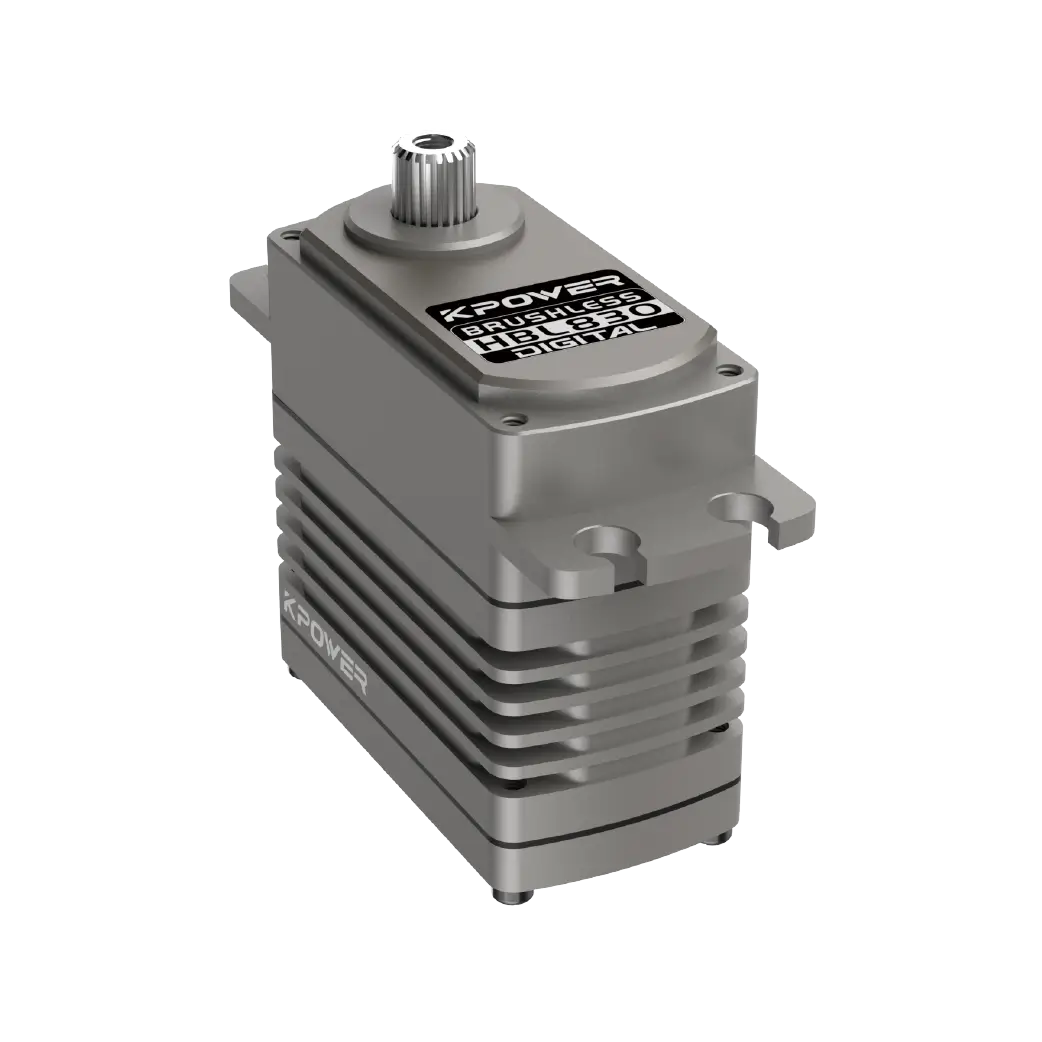
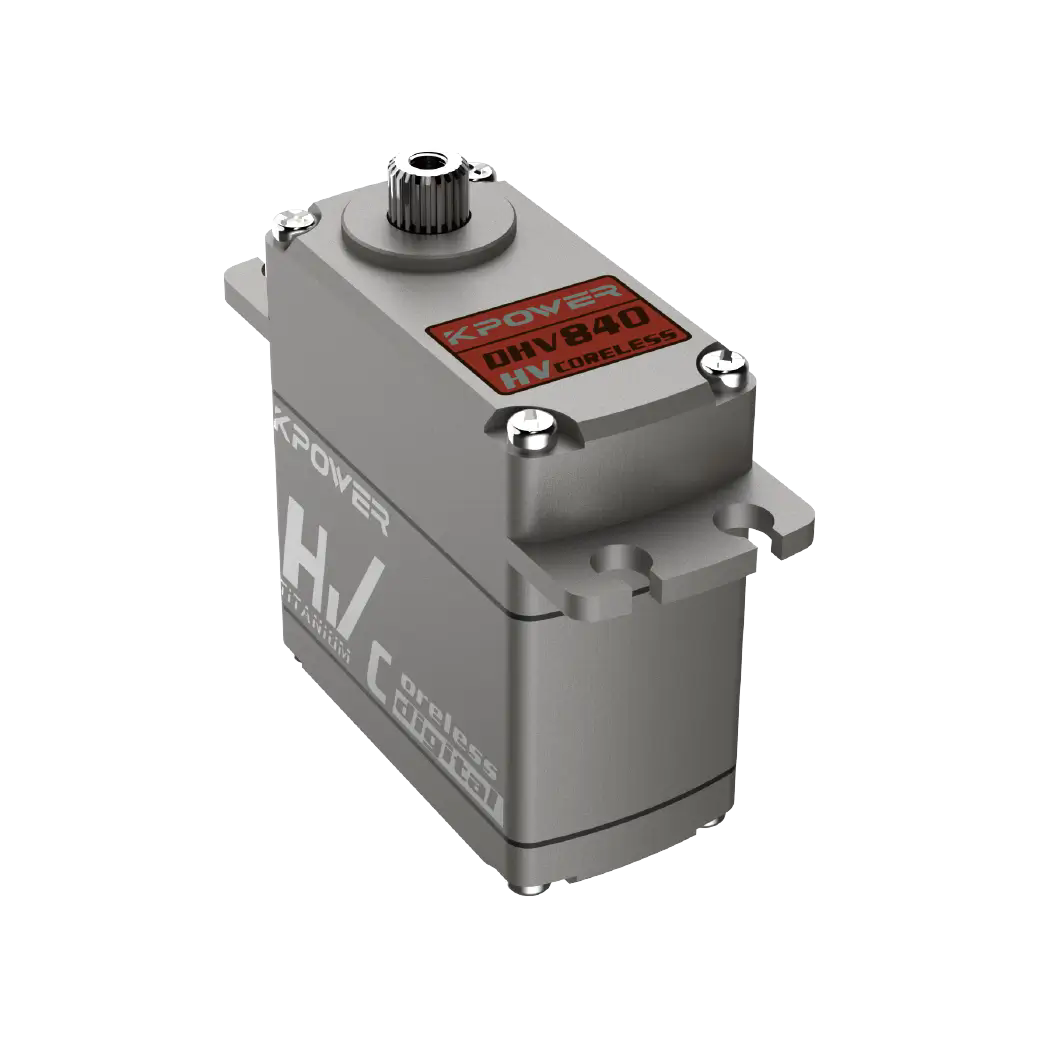
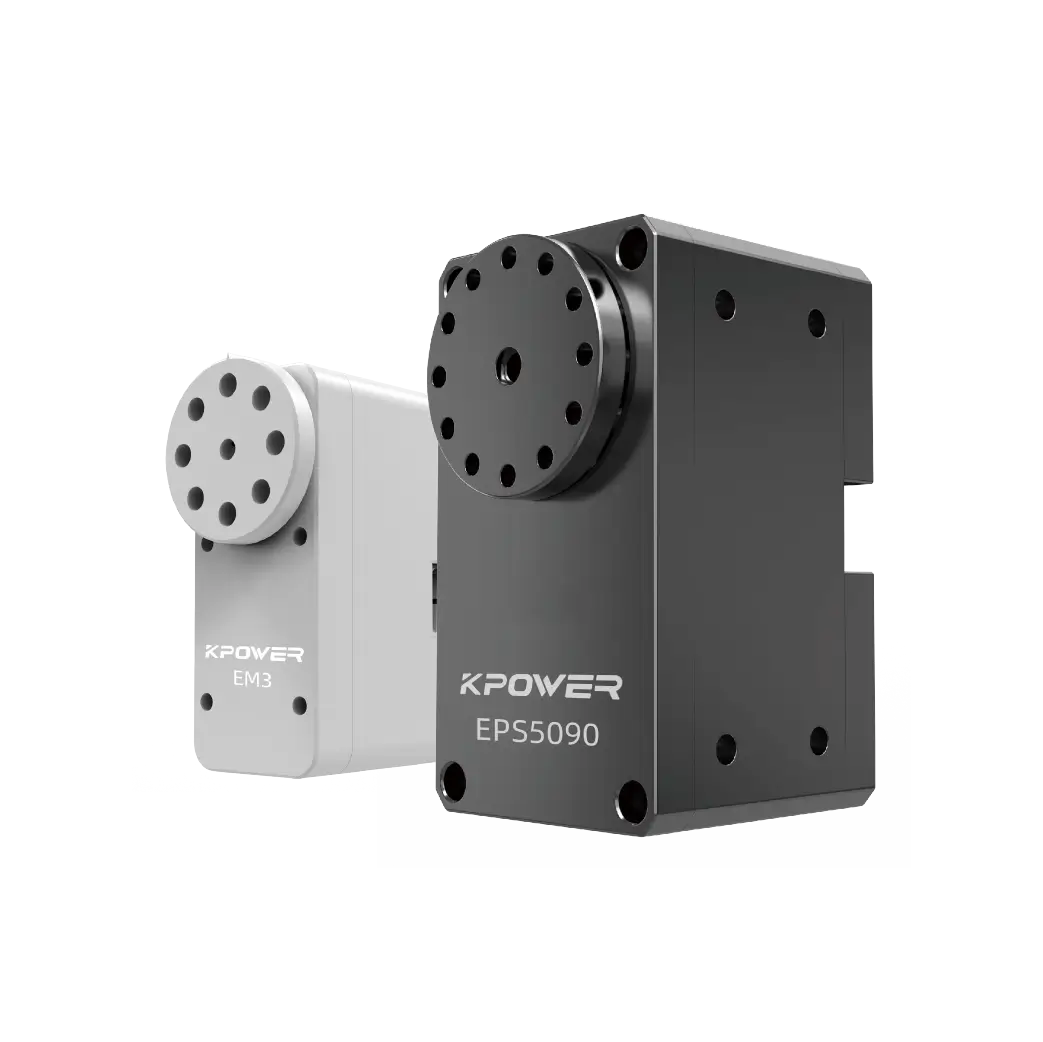
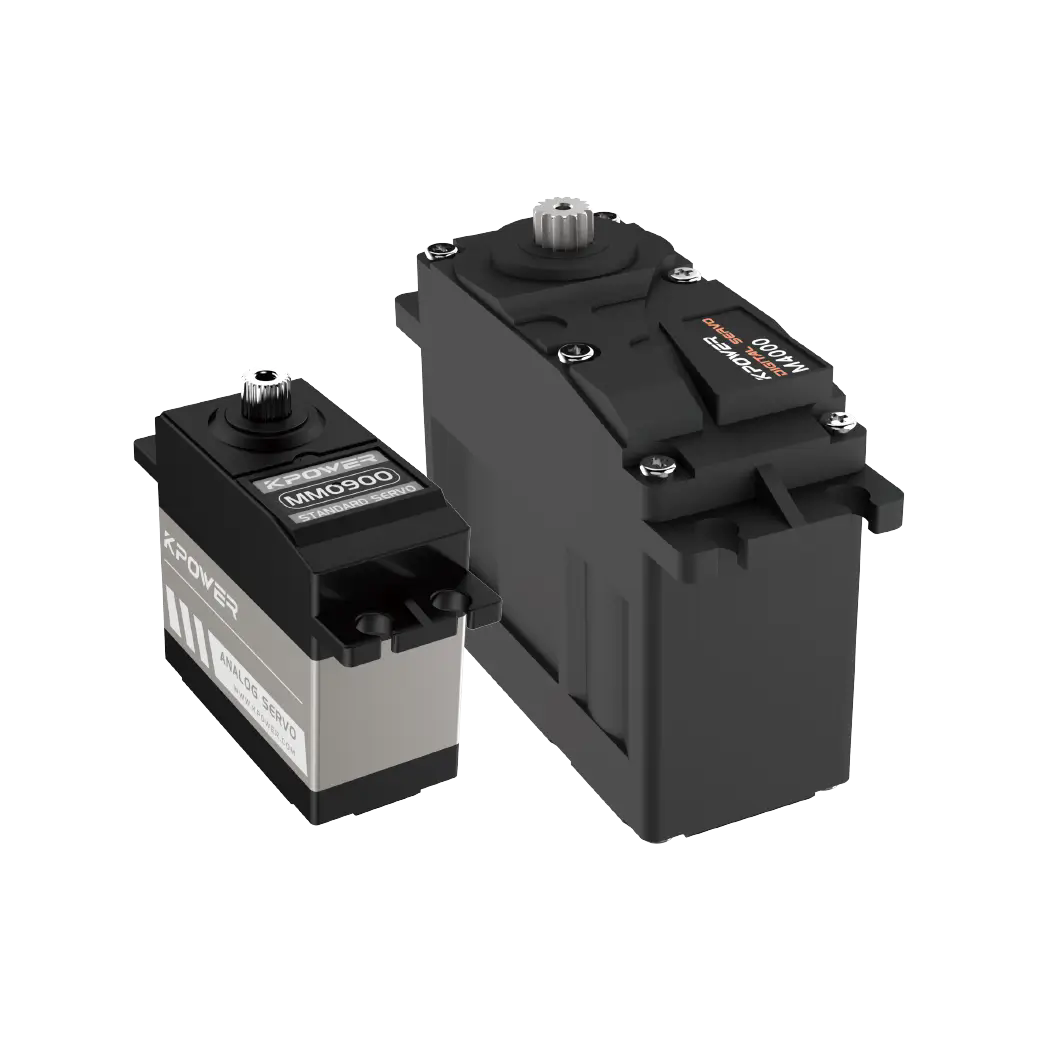
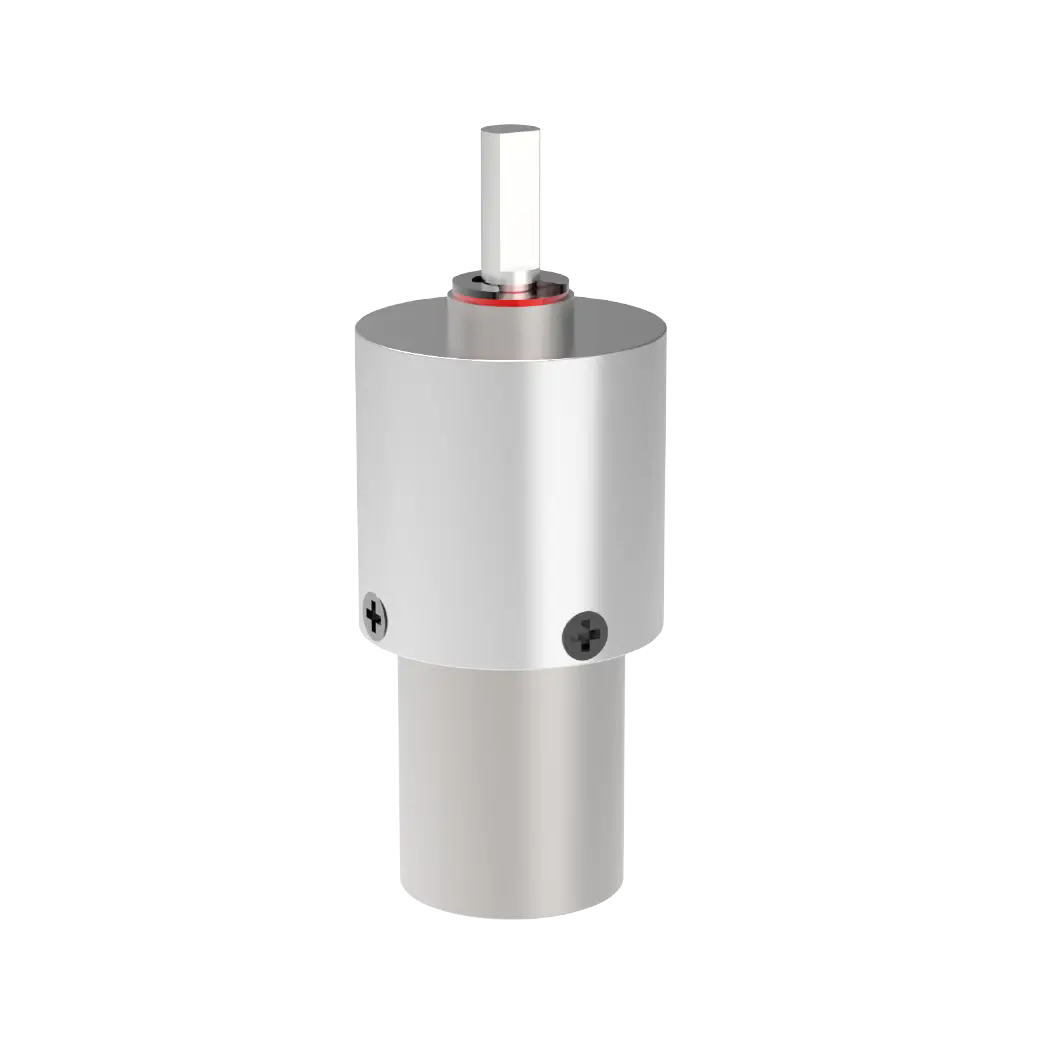
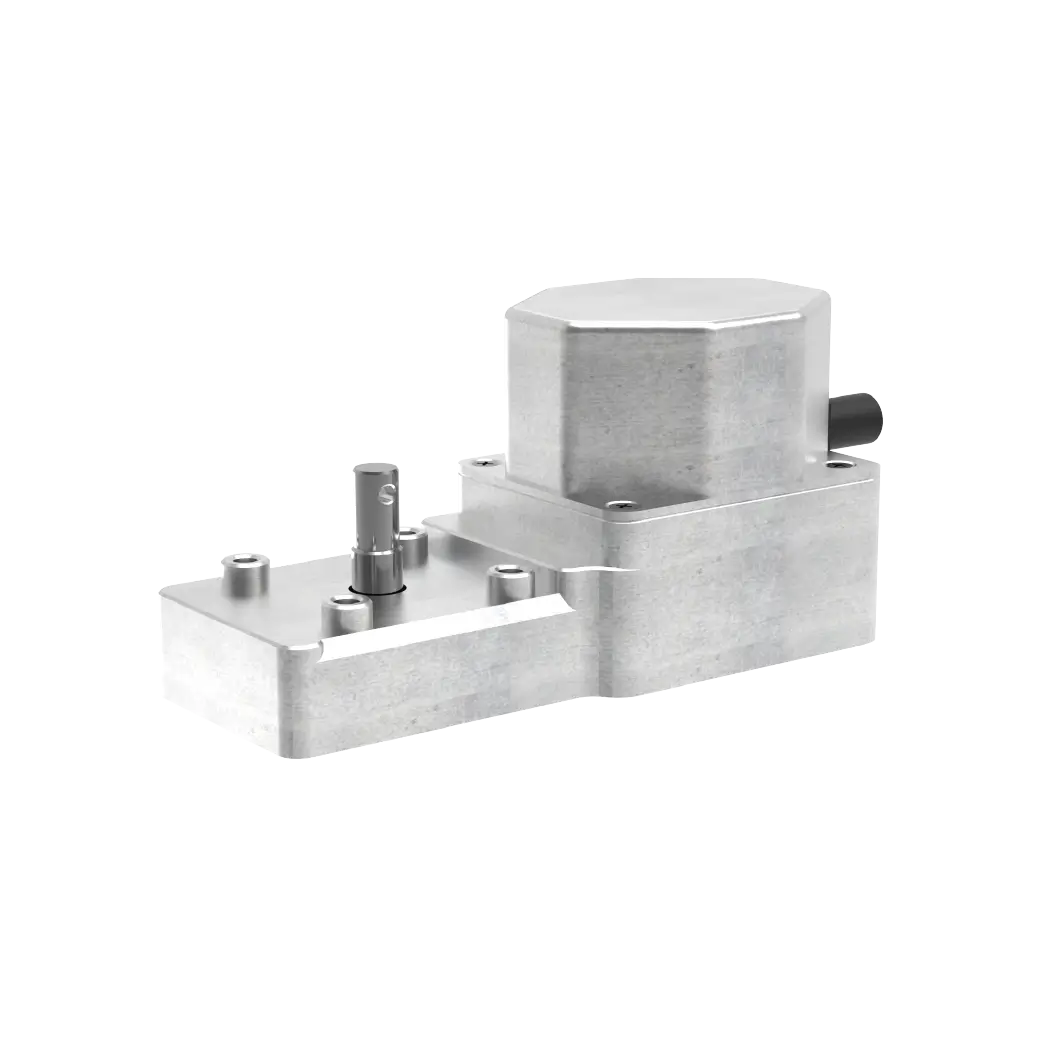
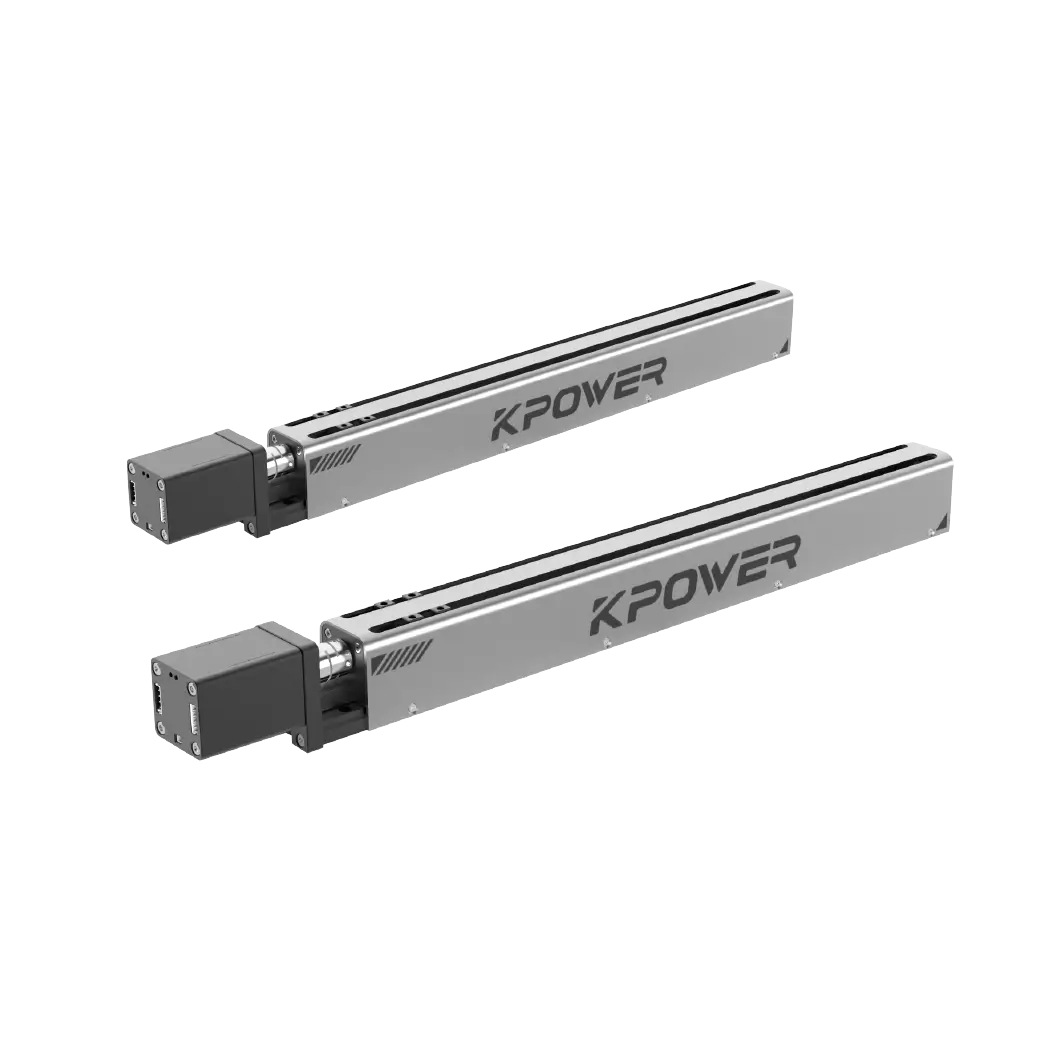
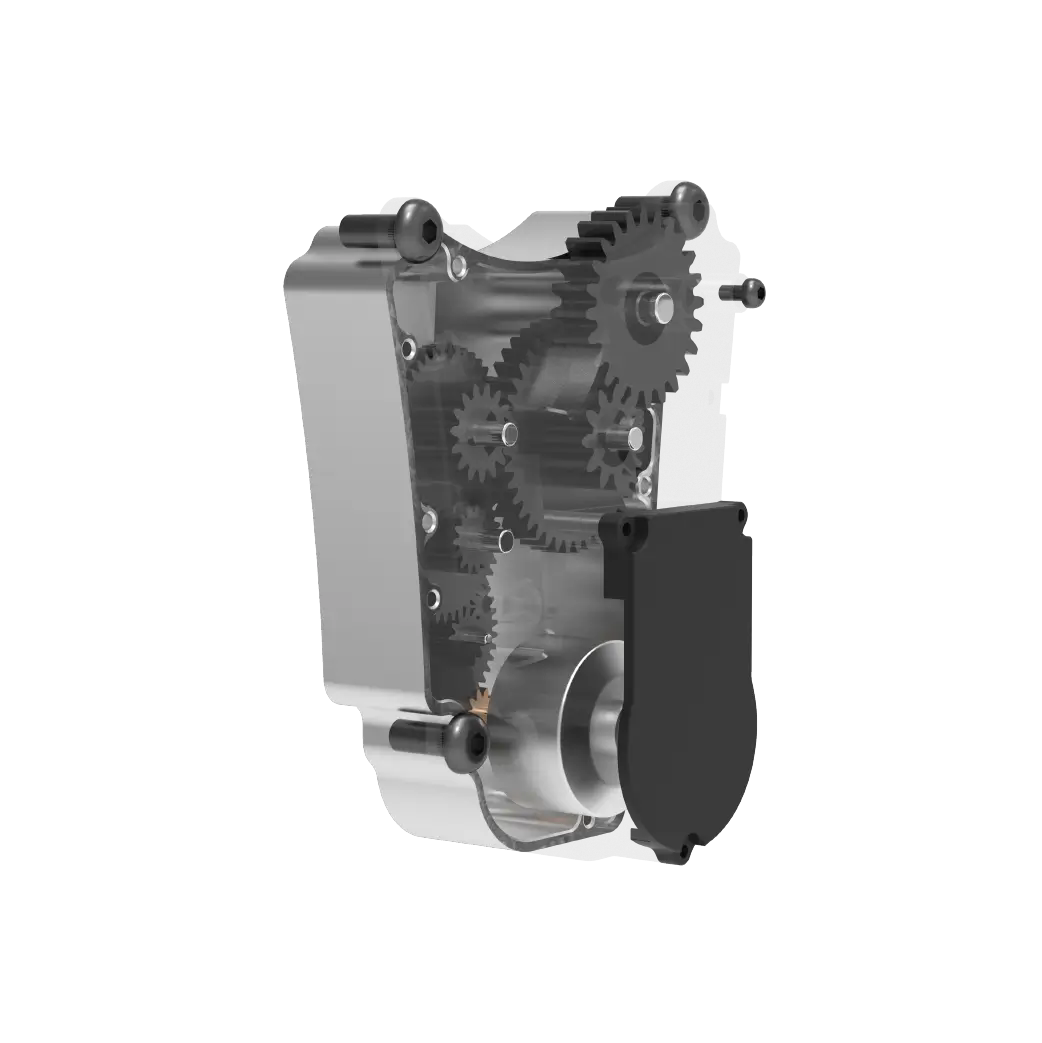
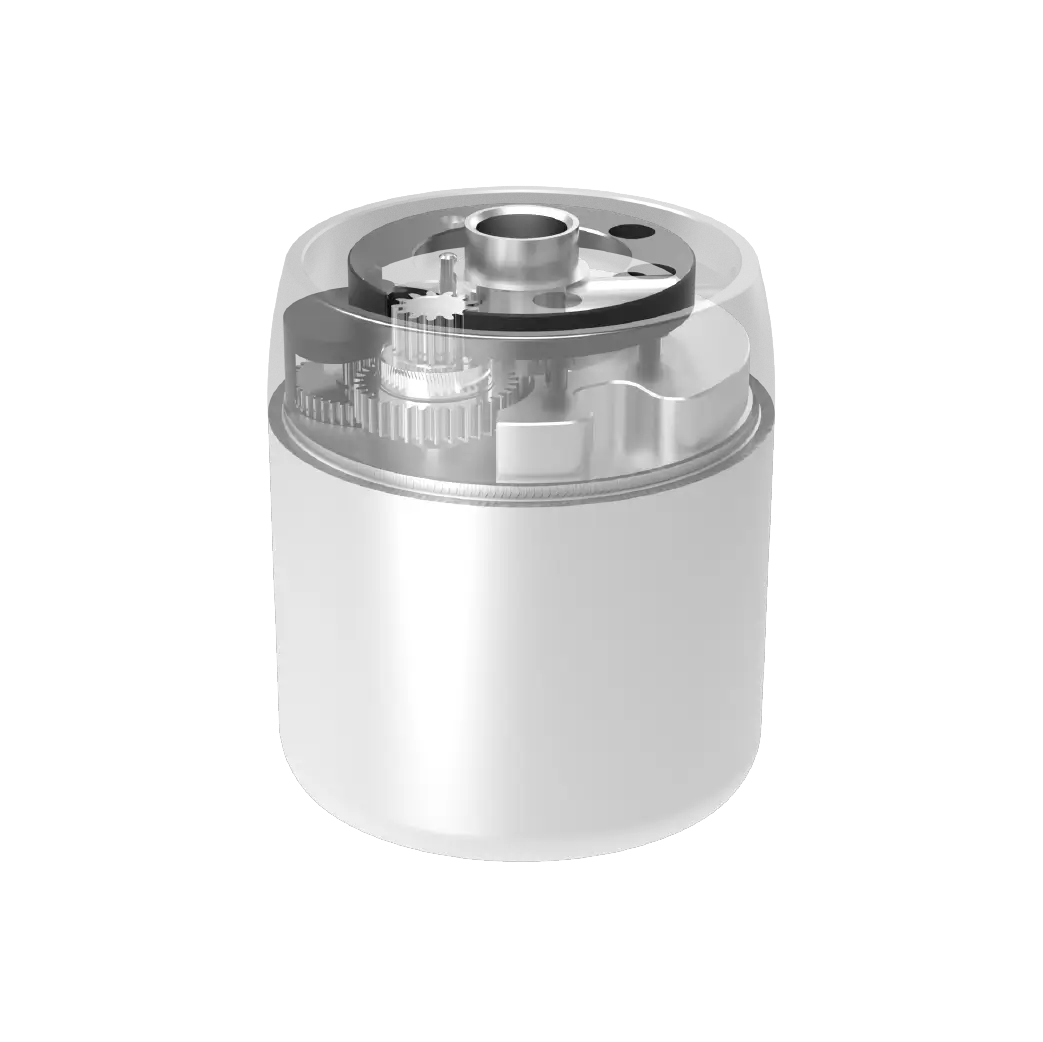
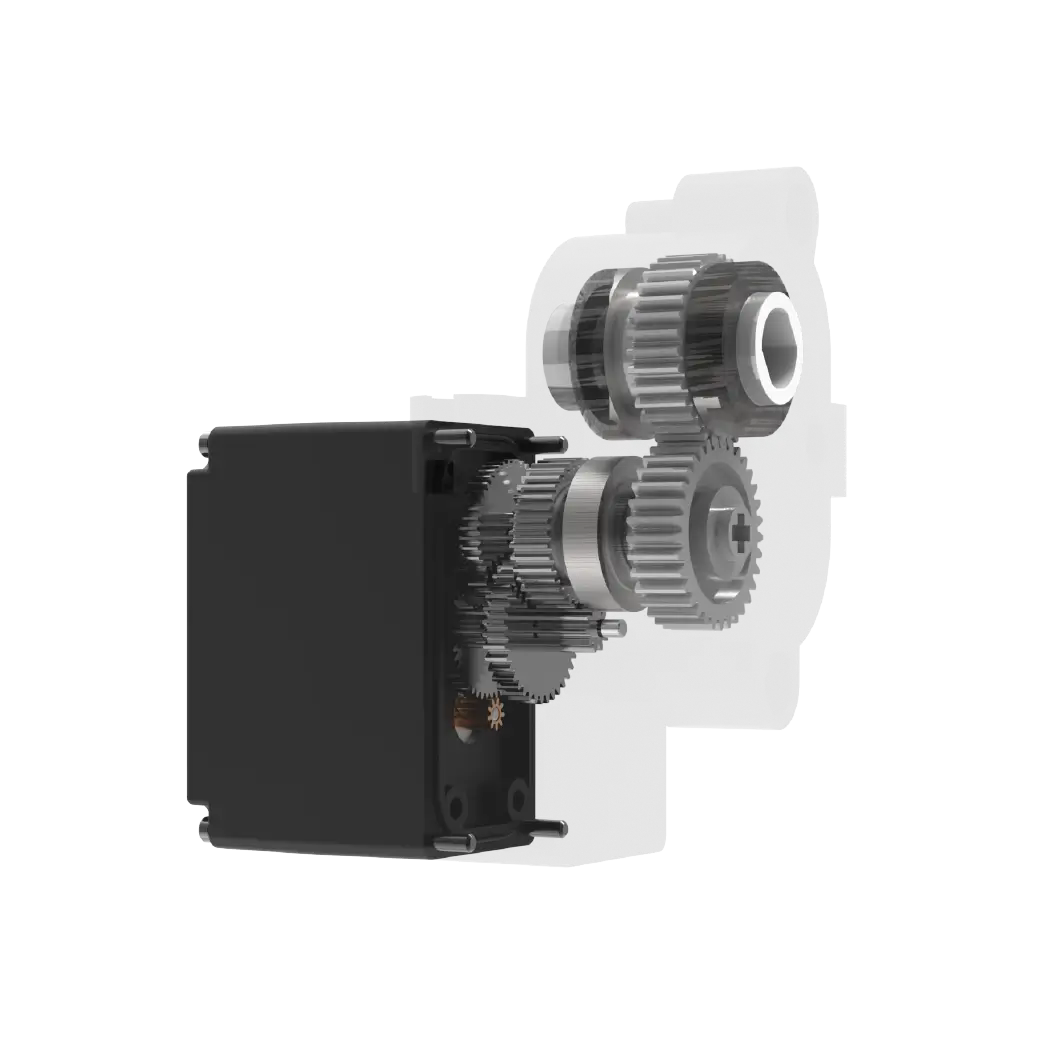
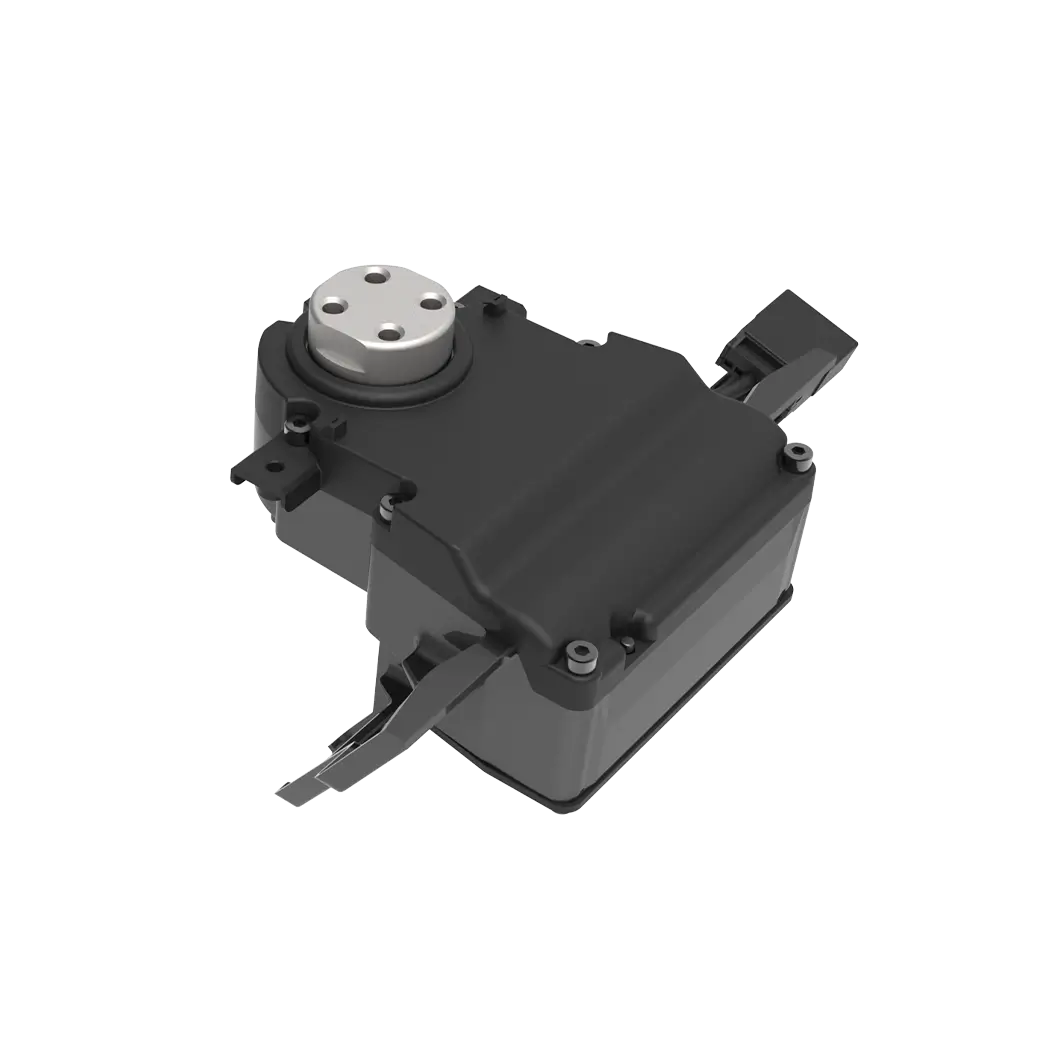
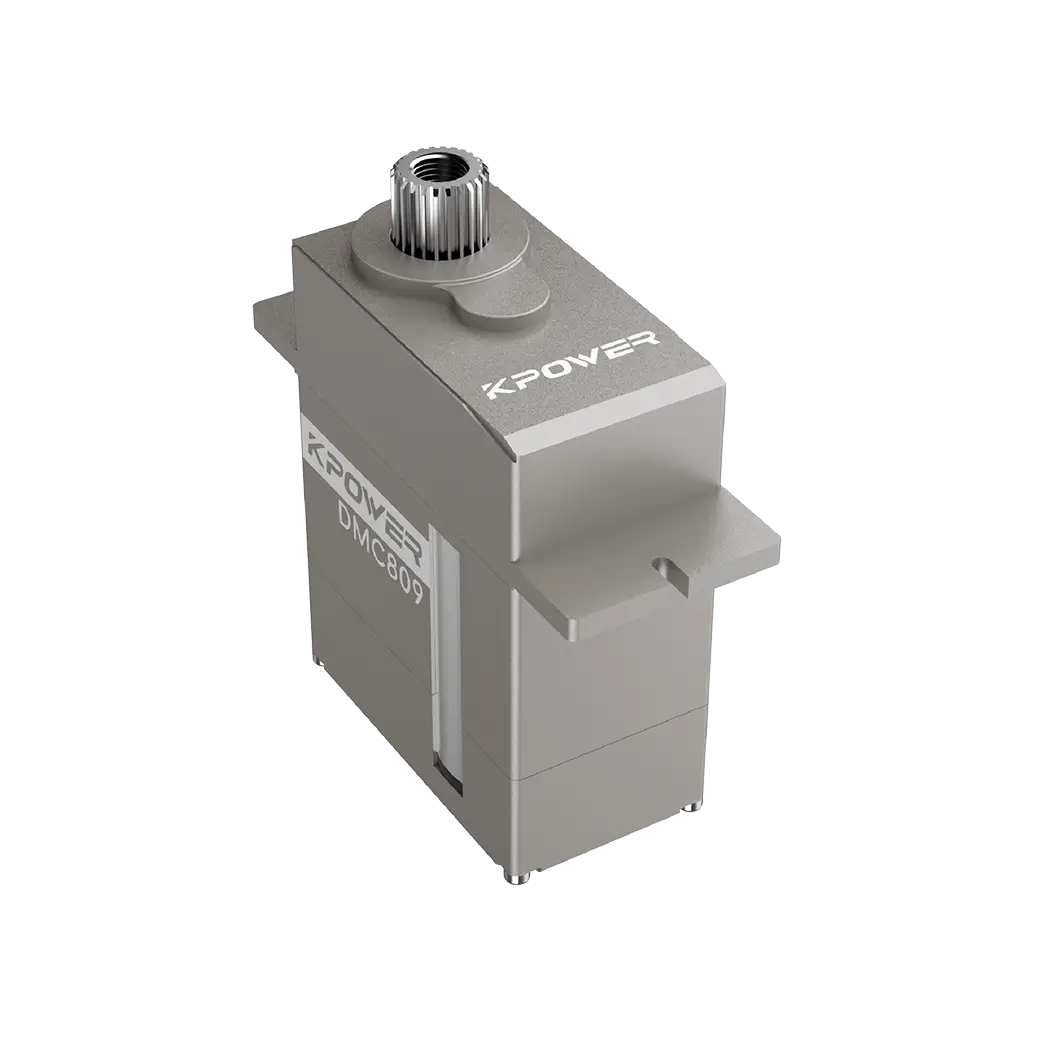
To use an analogy. You design an automated sorting unit with the corekpowerHigh-precision servo motor drives the robotic arm.
- If you need the status of this sorting unit to be displayed in real time on a large computer screen in a remote office, or you need it to receive tasks from the company's central order system, thenWeb ServicesThat kind of standard, cross-platform communication method is very useful. It helps you build a reliable "data highway" from the workshop to the office.
- If your entire sorting system is particularly complex, with robotic arm control, visual recognition, path planning, and error logs independent of each other and requiring frequent adjustments or separate upgrades, then useMicroservicesArchitecture to build software parts will make later maintenance and expansion much easier. If a certain feature needs to be improved, you won't be able to affect the whole thing.
- andAPI, almost everywhere. It is a "shortcut command" that allows the servo drive to quickly access the upper control program. for examplekpowerSome of its driver products provide clear and stable APIs, allowing you to directly send precise movement instructions using high-level languages (such as Python) without having to delve into the underlying complex register addresses. It makes integration feel like building blocks.
So you see, they are not substitutes for each other, but often work together. Calling each other between Web Services or Microservices is often done through explicit APIs.
3. Why is "good conversation" so critical to mechanical projects?
By choosing the right "service" architecture, the benefits are tangible:
- Increased flexibility. Today I want to add force sensing feedback to the robotic arm, and tomorrow I want to connect the entire station to the factory Internet of Things. The modular service architecture allows you to add functionality like a plug-in rather than reinventing the wheel.
- Maintenance is easy. Which module has a problem, the scope of troubleshooting and repair is more focused. When one service is updated, other services will run as usual, and the risk of system downtime is greatly reduced.
- Iteration is faster. You can have different teams develop different microservices in parallel and finally combine them for testing. The evolution speed of product functions will naturally keep up.
- Integration is smoother. With standard APIs and communication methods, thekpowerBy combining the advanced servo system, third-party vision sensors, and own control software, the technical threshold and debugging time will be reduced.
This is not just a software level thing. It directly affects the potential of hardware devices and cannot be fully utilized. It would be a pity if a servo motor with a response speed of milliseconds wastes its performance by waiting for instructions from a slow and bloated central system.
4. Where should we take the first step?
If you are planning or transforming a mechanical automation project, you can start thinking about these points:
- draw a boundary: In your system, which functions are tightly coupled and must operate as a whole? Which ones are relatively independent and can be developed and deployed independently? Those that are independent are candidates for microservices.
- Define dialogue: What information needs to be exchanged between these independent functions? How often? How much data is there? Clearly defining these "dialogue content" and "rules" is the process of designing an API.
- Select protocol: For parts that require remote and cross-network communication, should we use a lightweight protocol like RESTful API, or should we use a protocol that requires stricter transaction guarantees? This determines the style of Web Services.
- look at your partner: Pay attention to the support provided by your chosen hardware vendor. For example, understanding what convenient integrated interfaces and communication support Kpower provides in the product ecosystem can help you get twice the result with half the effort.
Technology is not an end in itself. It's like designing an efficient and frictionless "working language" for machines. The ultimate goal is to let them work together to complete the tasks assigned by you more quietly, more stably, and better. When every gear turns and every program is executed, it is like reaching a consensus after a smooth dialogue. That efficiency and reliability are the most touching parts of the project.
Perhaps, the next time you hear the regular operation of equipment in the workshop, think of it as an orderly and efficient conversation. What you have to do is to design the rules of this conversation for them.
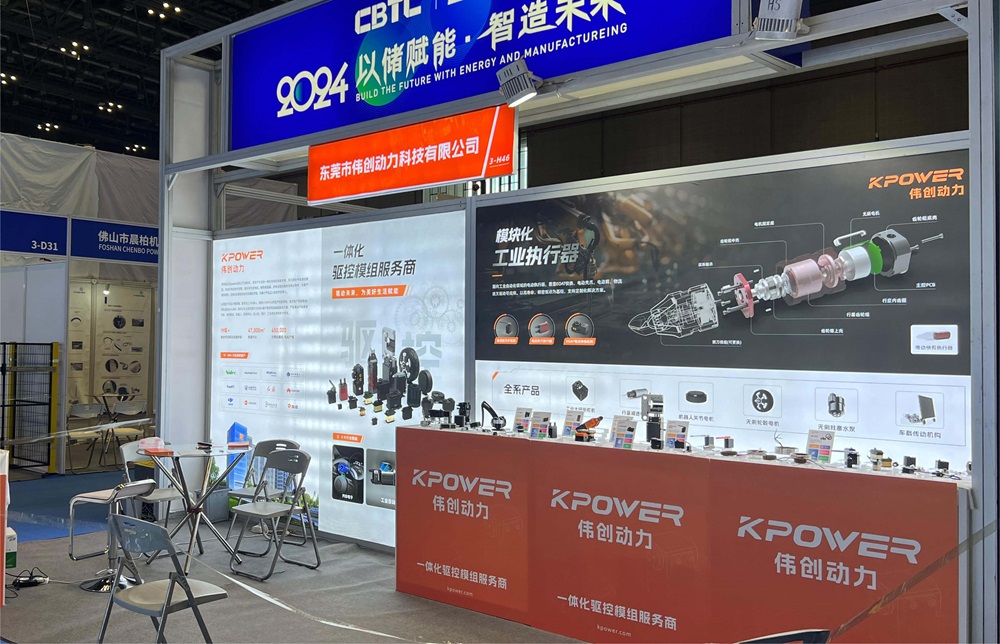
Established in 2005, Kpower has been dedicated to a professional compact motion unit manufacturer, headquartered in Dongguan, Guangdong Province, China. Leveraging innovations in modular drive technology, Kpower integrates high-performance motors, precision reducers, and multi-protocol control systems to provide efficient and customized smart drive system solutions. Kpower has delivered professional drive system solutions to over 500 enterprise clients globally with products covering various fields such as Smart Home Systems, Automatic Electronics, Robotics, Precision Agriculture, Drones, and Industrial Automation.