







TECHNICAL SUPPORT


Published 2026-01-19
You stand there, staring at the screen, with "microservice" on one side and "service oriented architecture" on the other. Both words seem very powerful, but which one is the right way? It feels like choosing core components for a complex machine. Servo motors and steering gears have their place, but you have to know which one is more comfortable to use where.

Some people think this is a purely technical multiple-choice question, but it is not. It’s more like building the nervous system for your entire business. If you choose the right one, the command will be transmitted smoothly and the movements will be precise; if you choose the wrong one, it may get stuck and the reaction will be slow.
Let’s talk about microservices first. Imagine that you split a large factory into many independent small workshops. Each workshop only concentrates on doing one thing, for example, one is responsible for tightening screws, and the other is responsible for spraying. They each do their own thing and communicate through clear conveyor belts. The benefits are obvious. Upgrading and maintaining a certain workshop will not stop the entire assembly line. It is flexible and adapts to changes quickly. But this also means that you need more conveyor belts to coordinate them, and managing these independent workshops itself becomes a new topic.
What about service-oriented architecture? It's more like a well-thought-out overall design blueprint. It emphasizes standardized interfaces and protocols, like unified screw specifications and voltage standards for all components. What it pursues is large-scale integration and reuse, allowing different systems to talk in a language that each other understands. Its vision is broader, focusing on establishing an order.
So you see, this isn't a "good" versus "bad" battle. Just like you wouldn't use a servo motor to control a precision robotic arm to directly drive a toy servo that only needs to swing the angle. The key depends on what your "machine" is trying to accomplish, how complex it is, and how big you want to scale it in the future.
Let’s talk about something more practical. Suppose you are designing an automation unit. There are joints that require continuous rotation and precise control of position and speed, and baffles that only need to quickly switch between a few fixed angles. How would you allocate it?
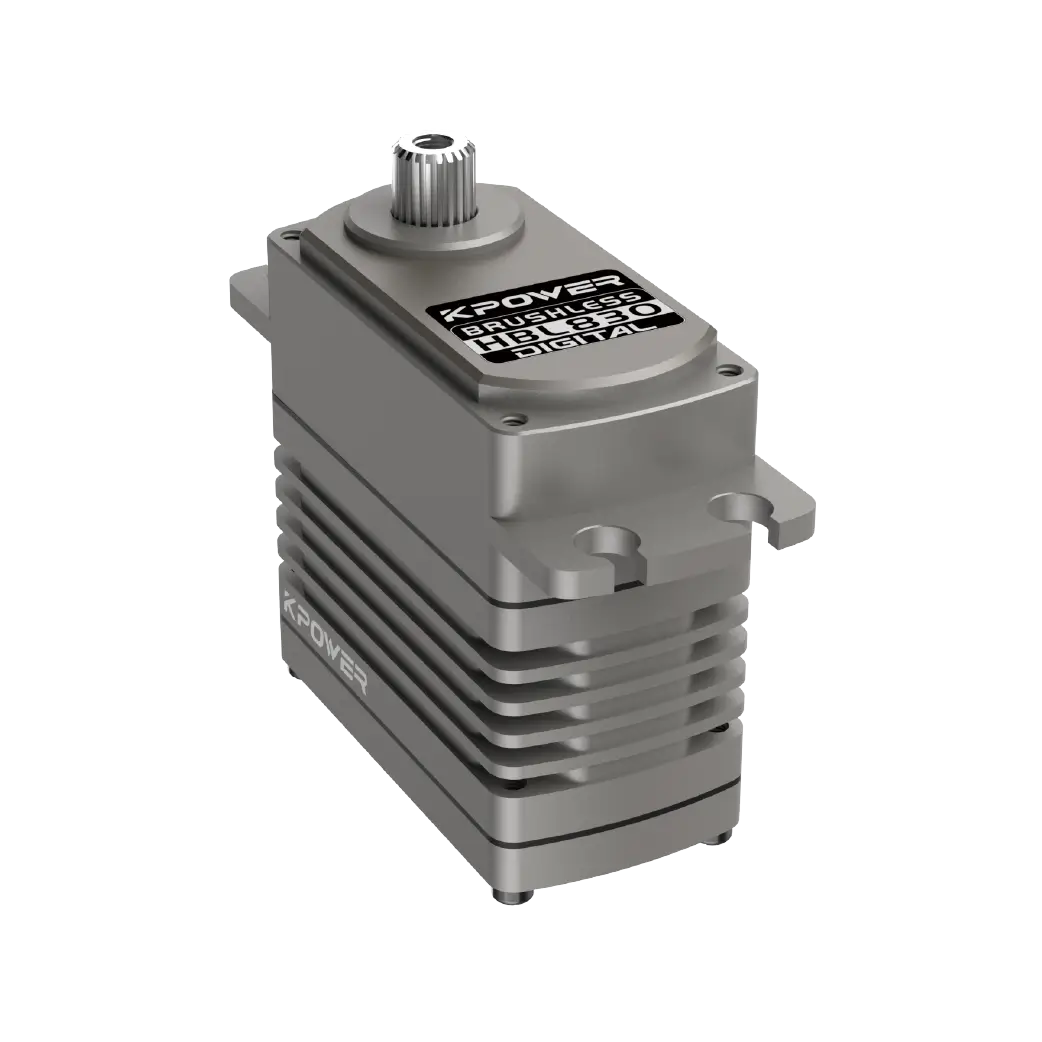
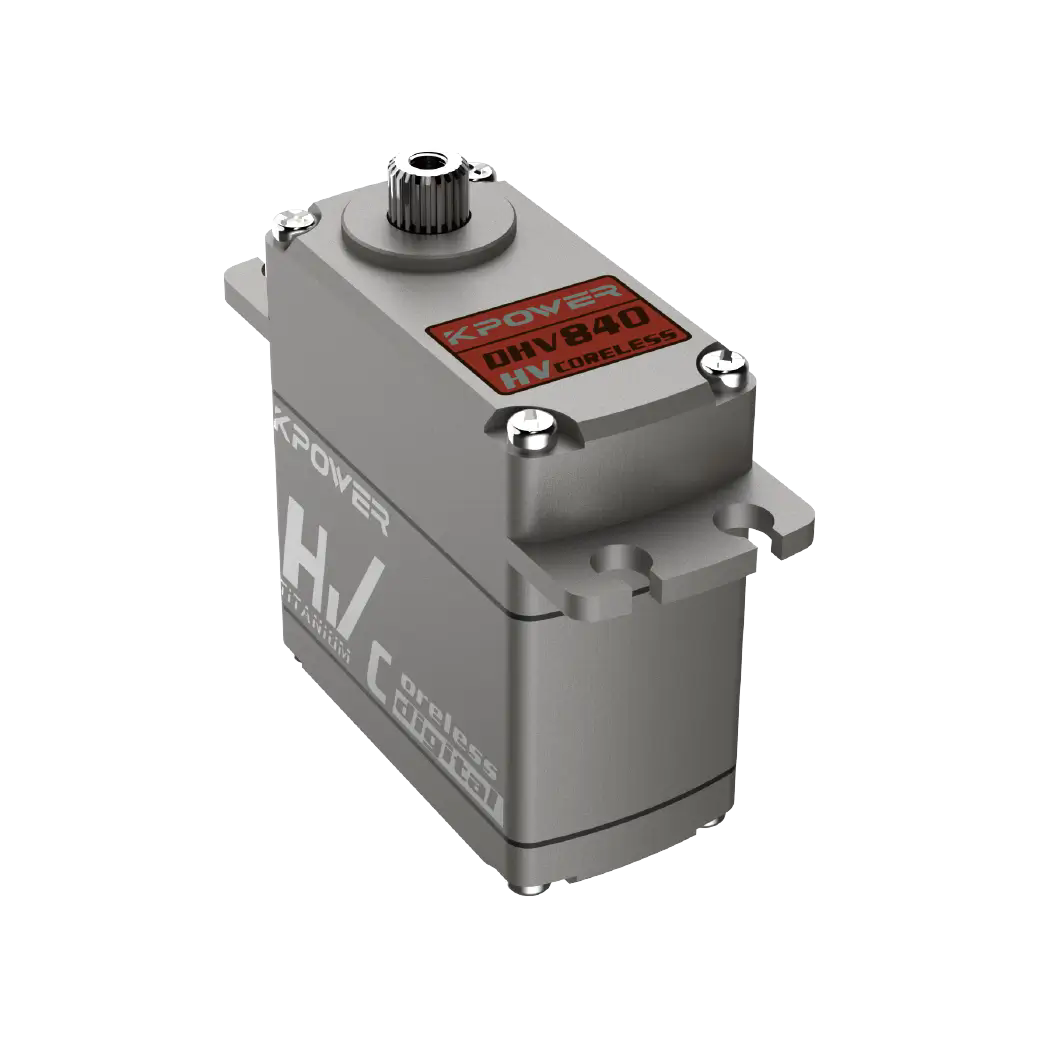
You would naturally think of using a servo motor with fast response and closed-loop control for the joints; using a servo with a simple structure and high cost performance for the baffle. This decision-making process itself implies architectural thinking: allocate different technical units according to different service needs and performance requirements. The idea of microservices is intuitive here - each motor unit is independent and functionally focused.
But what if you want to manage hundreds of such units throughout the factory and let them collaborate on production? At this time, you need a higher-level protocol to ensure that all "servo motors" and "servos" can understand unified dispatch commands. This enters the field of service-oriented architecture, which is concerned with how to formulate this unified "language" to make integration possible.
There's always some noise in the tech world. But the real choice should come from the true heartbeat of the project at hand. You need to ask yourself a few simple questions: Are my system components tightly coupled, or are they naturally independent? How often do changes occur? How much do I value my team's ability to develop and deploy independently? How big is the need to integrate other systems in the future?
The answer will slowly emerge. Sometimes, you need the agility and resilience brought by microservices; sometimes, you need the standardization and integration advocated by service-oriented architecture. In many scenarios, they are not even mutually exclusive and can be combined in a pragmatic way.
There is no absolute standard answer to this process, just like there is no set of power solutions that can adapt to all mechanical structures. It’s about understanding, weighing things up, and making the decision that’s best for now but also for the future. What is needed behind this is not blind obedience to fashionable words, but a kind of calm and careful thinking like an engineer designing a transmission system.
Ultimately, architecture is an enabling tool. Its ultimate purpose is to make complexity orderly, so that changes can be controlled, and so that your core business can run smoothly and stably. When you peel back the shell of those terms and get to the heart of the matter, the choice becomes much clearer.
Don't get stuck on vocabulary. Start from the problem you want to solve, think like building blocks, and you will naturally find a smooth path.
Established in 2005,kpowerhas been dedicated to a professional compact motion unit manufacturer, headquartered in Dongguan, Guangdong Province, China. Leveraging innovations in modular drive technology,kpowerintegrates high-performance motors, precision reducers, and multi-protocol control systems to provide efficient and customized smart drive system solutions.kpowerhas delivered professional drive system solutions to over 500 enterprise clients globally with products covering various fields such as Smart Home Systems, Automatic Electronics, Robotics, Precision Agriculture, Drones, and Industrial Automation.
Update Time:2026-01-19

Contact Kpower's product specialist to recommend suitable motor or gearbox for your product.