







TECHNICAL SUPPORT


Published 2026-01-19
Ever had that moment? You picture a sleek, coordinated machine—servos humming, actuators in perfect sync. Then reality hits: tangled wires, mismatched signals, a system that’s more noise than harmony. That’s what building microservices can feel like sometimes. You start with a clean idea, but soon, services sprawl. They talk over each other. Something changes in one corner, and three others break down. It’s less like a precision instrument and more like a garage full of great parts that just… don’t fit.

You’re not alone in that. It happens when growth outpaces design. Teams rush to deploy, solutions multiply, and before you know it, maintenance eats your innovation time. The dream of agility fades under the weight of patches and workarounds.
So, what’s the fix? Think design patterns. Not as rigid blueprints, but as shared languages—proven ways to arrange those moving parts so they work together, not against each other.
Let’s skip the textbook talk. Design patterns for microservices are really about answering practical, messy questions. How do services find each other? How do they handle failures gracefully? How do you update one piece without stopping the whole show?
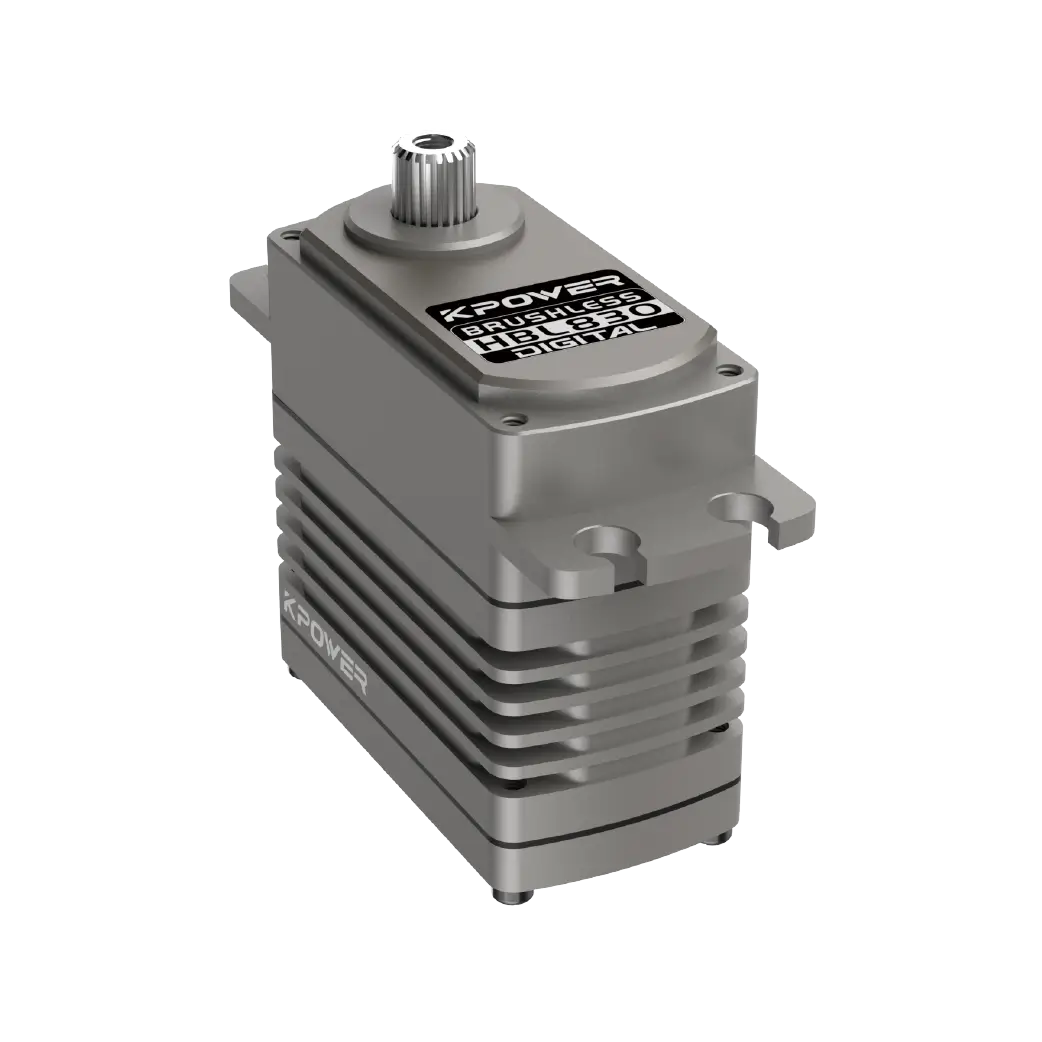
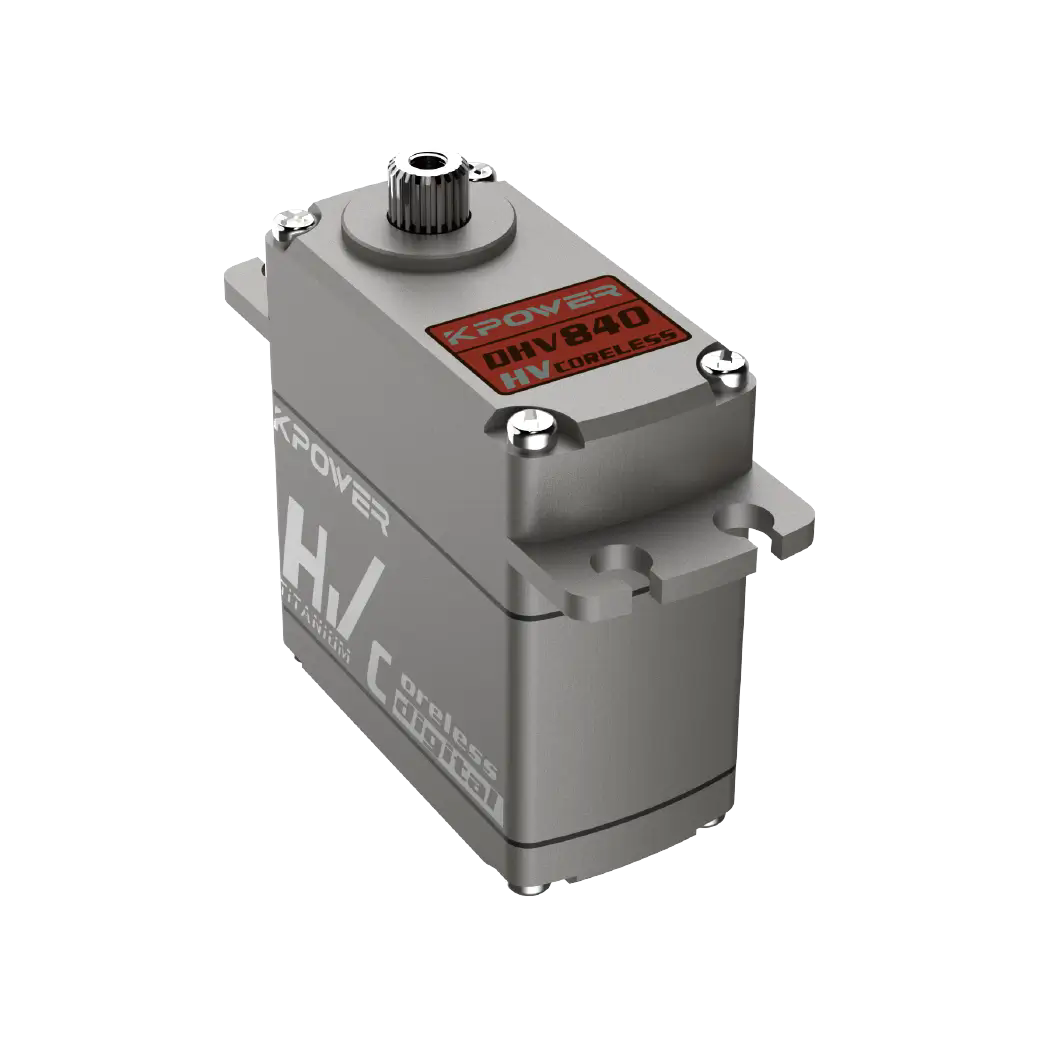
Take a simple analogy. Imagine coordinating severalservomotors for a smooth movement. You wouldn’t hardwire every command directly from a single switch. You’d use a controller—something that manages the signals, handles errors, and allows for easy adjustments. In the software world, patterns like API Gateway or Circuit Breaker play that controller role. They don’t just solve a problem; they create a predictable environment where services can do their job reliably.
People often ask, “Aren’t patterns just more complexity?” It’s a fair worry. But the right pattern reduces complexity where it hurts most—in daily operations. It’s about investing a little structure upfront to avoid constant firefighting later. Think of it as building a sturdy frame before stacking your gears.
The beauty isn’t in any single pattern. It’s in how they connect. A well-implemented Service Discovery pattern means new services plug in seamlessly. Event-Driven Communication lets parts react to changes naturally, without being tightly locked together. It starts to feel organic, not forced.
The payoff? Systems become resilient. A failure in one module doesn’t cascade. Scaling becomes a matter of adding well-behaved components, not rebuilding from scratch. Your team spends less time debugging communication glitches and more time building what users actually need. Suddenly, that coordinated machine isn’t just a dream—it’s your Tuesday afternoon.
Knowing patterns exist is one thing. Applying them is another. You need solutions that feel built, not just theorized. They should offer clarity, not add layers of jargon. Look for a foundation that emphasizes:
This isn’t about buying a “framework.” It’s about adopting a mindset—a way of thinking that prioritizes clean, maintainable interactions. The goal is to turn your architecture into something that supports growth, not hinders it.
At Kpower, we see technology through a mechanical lens—precision, reliability, and smart design matter. We understand that behind every seamless digital experience, there’s a well-orchestrated system of parts working in concert. Our approach to microservice design patterns is grounded in that same principle: creating order from complexity, ensuring every component has its place and purpose. Because in the end, whether it’s physical gears or digital services, elegance lies in smooth, dependable motion.
Established in 2005, Kpower has been dedicated to a professional compact motion unit manufacturer, headquartered in Dongguan, Guangdong Province, China. Leveraging innovations in modular drive technology, Kpower integrates high-performance motors, precision reducers, and multi-protocol control systems to provide efficient and customized smart drive system solutions. Kpower has delivered professional drive system solutions to over 500 enterprise clients globally with products covering various fields such as Smart Home Systems, Automatic Electronics, Robotics, Precision Agriculture, Drones, and Industrial Automation.
Update Time:2026-01-19

Contact Kpower's product specialist to recommend suitable motor or gearbox for your product.