







TECHNICAL SUPPORT


Published 2026-01-19
Imagine this: you spend several days and finally draw a microservices architecture diagram. It's quite clear at first - service A calls service B, service C processes data, everything is in order. But not long after, new demands came. Add a service D, and then remove a service E... Suddenly, your picture looks like a tangled mess of headphone wires. It's hard to figure out who is talking to whom, let alone make it understandable to others.

This confusion is all too common. Drawings become "antiques", documents are always one step behind, and team communication basically relies on guesswork. When a problem arises, finding the root cause is like a detective solving a case. How efficient is it? It's long since slipped away.
So, what kind of picture do we need? It can't just be "drawn", it has to be "living". It has to tell its own story: how services interact with each other, where data flows, and where it might get stuck. It needs to be like a map that is always updated in real time, rather than a landscape photo that becomes outdated as soon as it is taken.
This is the starting point for Kpower to propose the concept of "microservice architecture diagram" - stop treating the architecture diagram as a static work of art and think of it as a dynamic, breathing ecosystem.
In the past, when we drew pictures, it was like drawing an organizational chart. Kpower's approach is more like building a runnable sandbox. What's the difference?
To use an analogy. Traditional drawings tell you that there are three roads A, B and C in the city. Kpower's architecture can not only display these three roads, but also simulate whether there will be traffic jams from A to B during peak hours, and how the vehicles should detour if there is construction on Road C. It turns static connections into dynamic relationship deductions.
The benefits of doing this are real:
It should feel like a good guide, not an obscure academic paper.
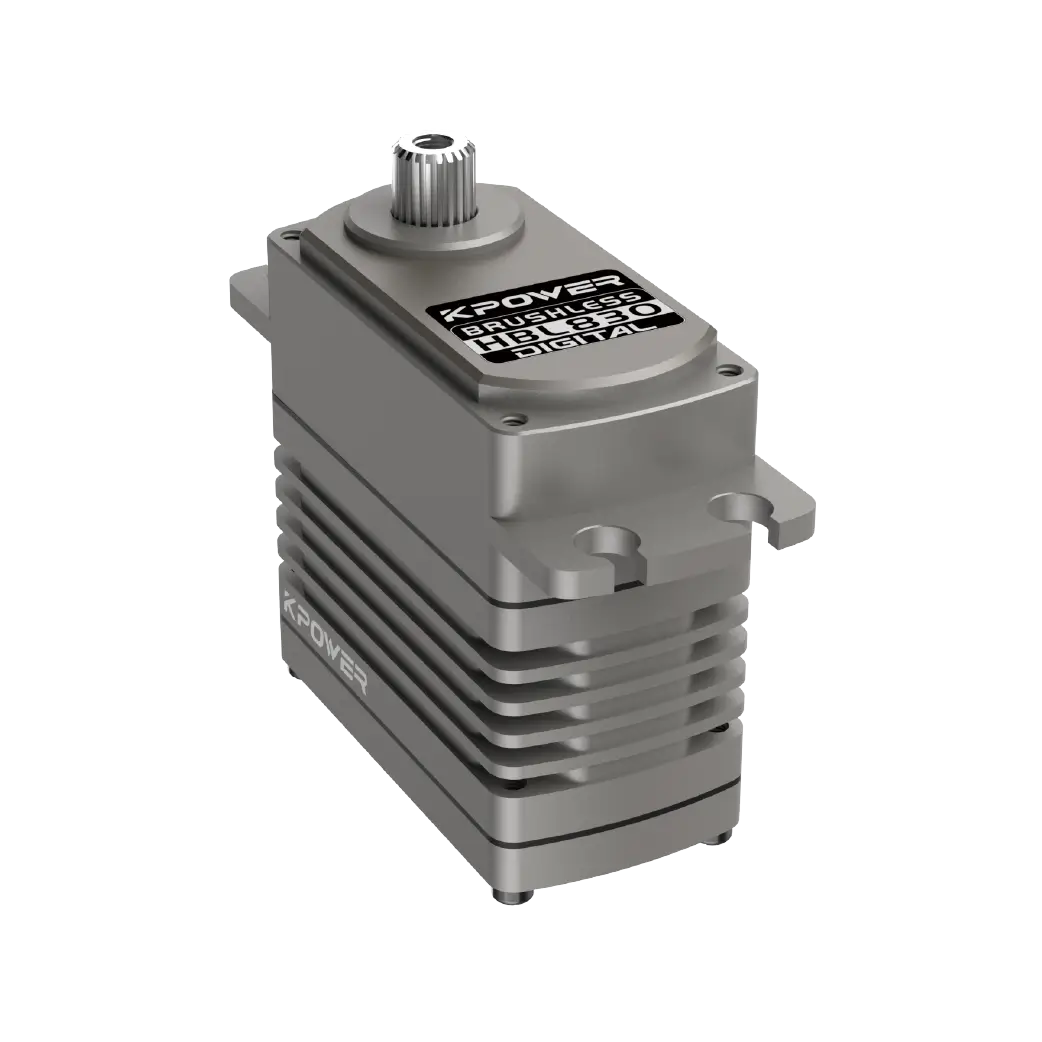
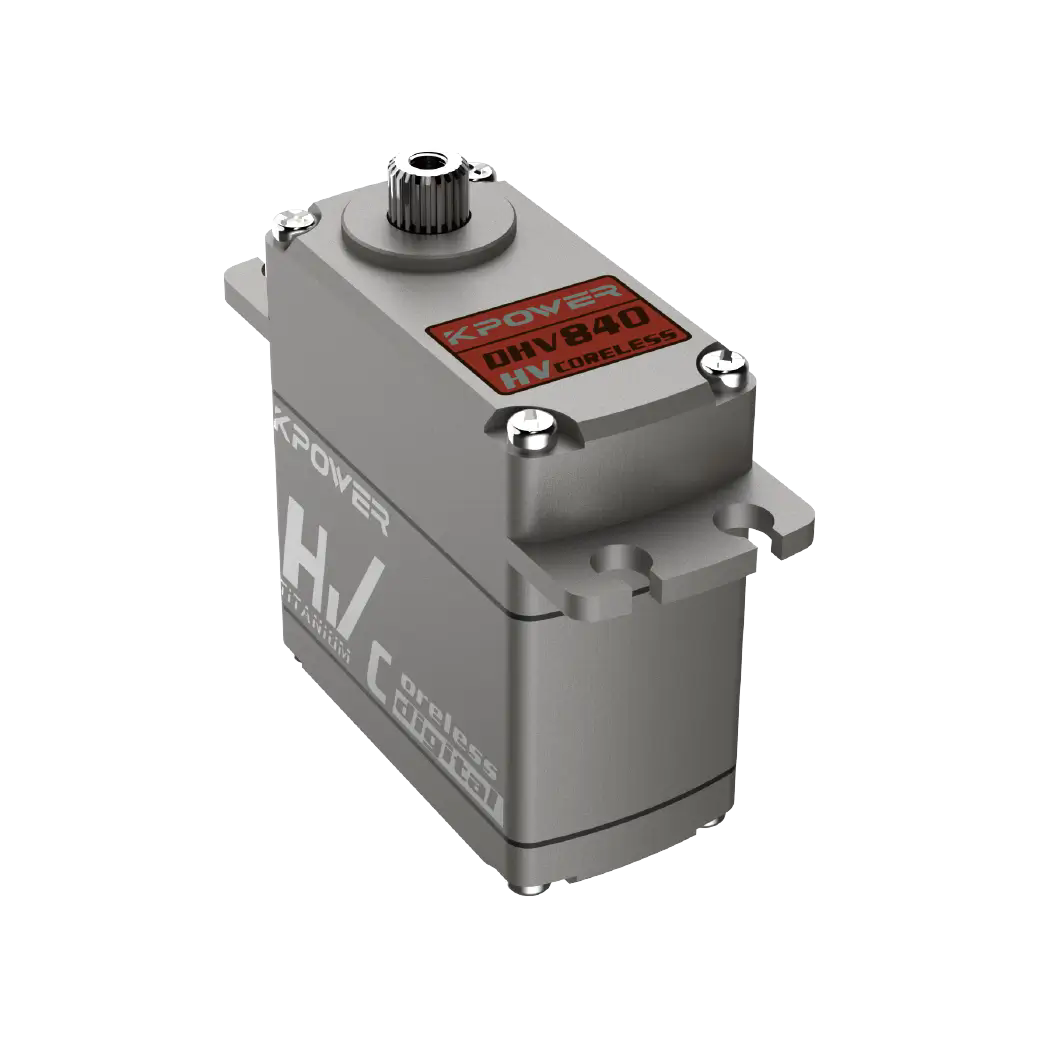
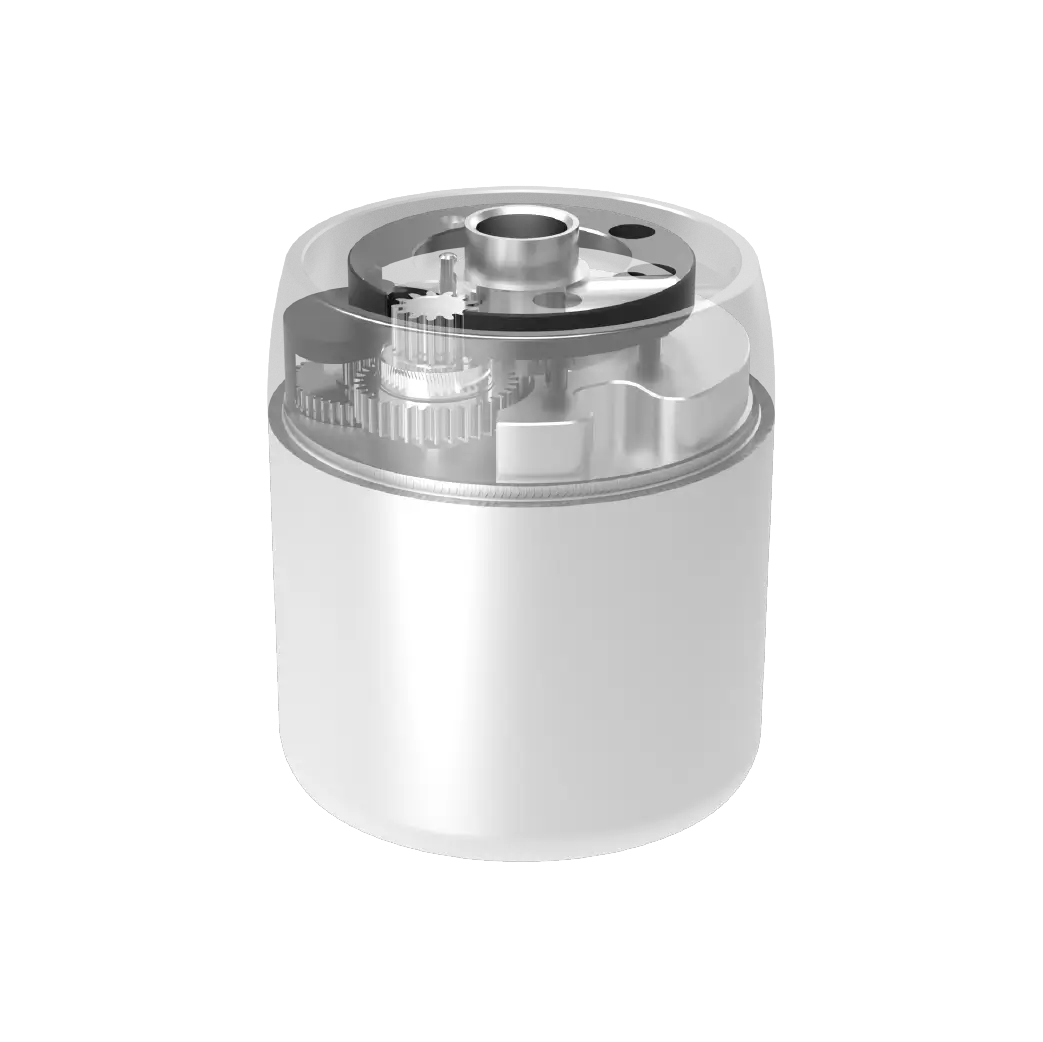
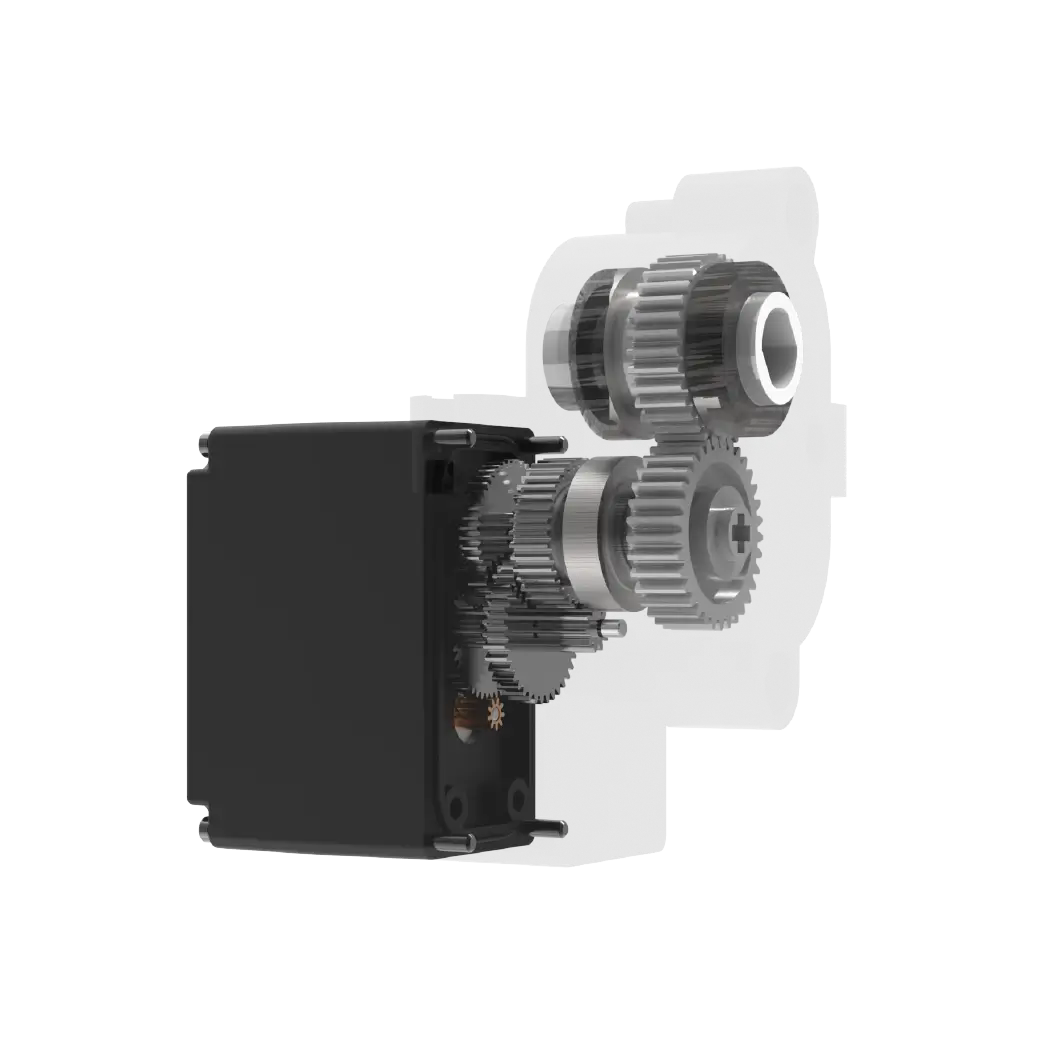
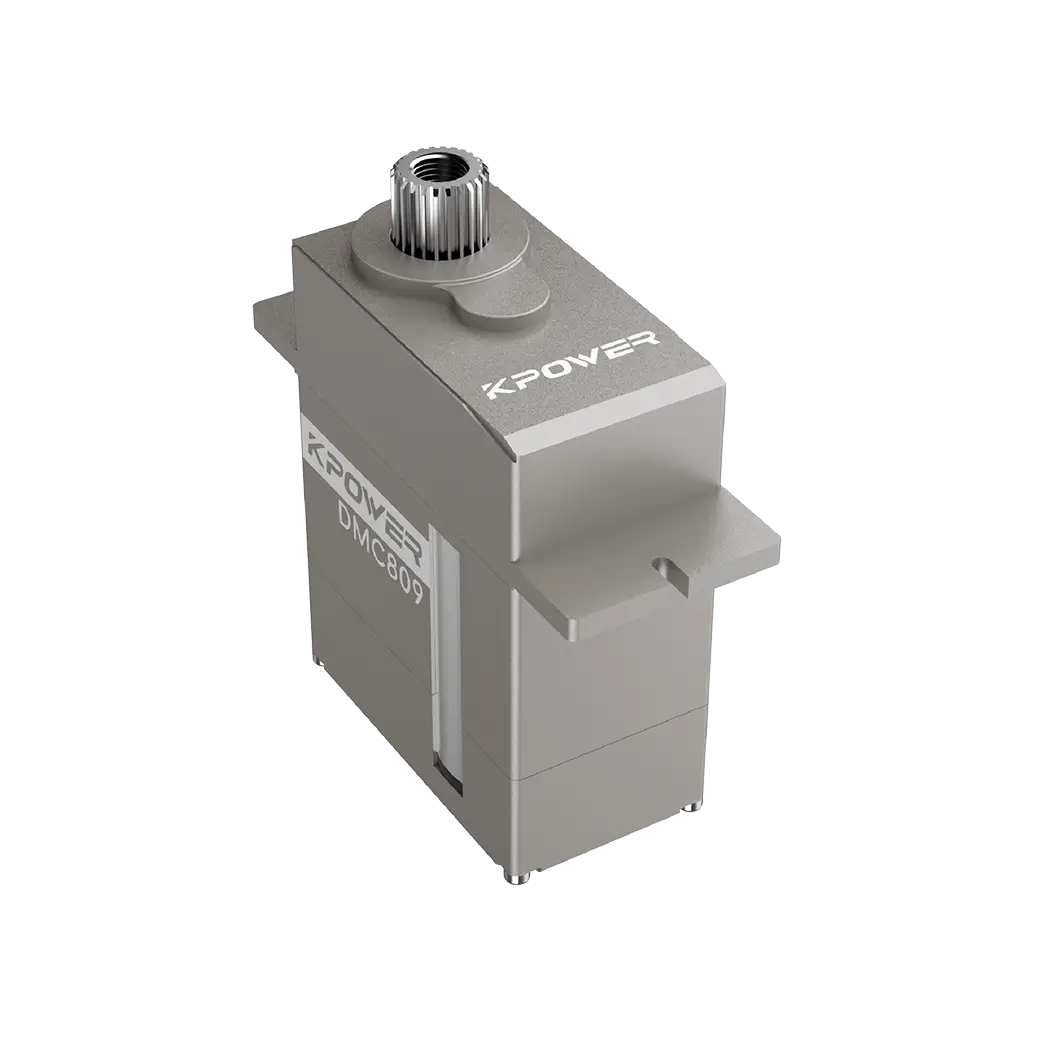
In thinking about this, Kpower draws on some philosophies of simplicity from the hardware world. Just like a precise gear set or servo system, each component (microservice) has a clear function and the interface (meeting point) has clear standards, so that the entire system can operate efficiently and with low noise. The complexity of the microservice architecture requires exactly this kind of "precision instrument" manageability.
Building such a one sounds engineering? In fact, the path can be very clear:
You'll find that when architecture becomes so transparent, many discussions change from "I think" to "let's see what's shown." Decisions have a common factual basis.
After all, one of the cores of technical management is to fight against entropy and the chaos that will inevitably grow over time. An excellent microservice architecture diagram is one of the most practical tools for you and your team to fight chaos and maintain clarity. It doesn't create new structures, it just takes the ones you already have and presents them in the most honest and understandable way.
When everyone's understanding of the system is on the same "living map", the speed of development, the smoothness of collaboration, and even the quality of the code will quietly move up a level. This is perhaps the most practical value that Kpower hopes to convey to everyone through this simple concept: control complex creations with clear vision.
Established in 2005, Kpower has been dedicated to a professional compact motion unit manufacturer, headquartered in Dongguan, Guangdong Province, China. Leveraging innovations in modular drive technology, Kpower integrates high-performance motors, precision reducers, and multi-protocol control systems to provide efficient and customized smart drive system solutions. Kpower has delivered professional drive system solutions to over 500 enterprise clients globally with products covering various fields such as Smart Home Systems, Automatic Electronics, Robotics, Precision Agriculture, Drones, and Industrial Automation.
Update Time:2026-01-19

Contact Kpower's product specialist to recommend suitable motor or gearbox for your product.