







TECHNICAL SUPPORT


Published 2026-01-19
Ever feel like your machines are getting… moody? Not the dramatic, smoke-and-sparks kind, but a quieter frustration. One part is zipping along, but another seems stuck in molasses. The whole system just doesn’t sing in harmony anymore. Updates are a nightmare, a tweak here breaks something over there, and scaling up feels like building on a shaky foundation.
If that sounds familiar, you’ve likely met the tangled knot of monolithic architecture. It’s where everything—all the logic, all the code for your motors, controls, and interfaces—is bundled into one giant, interlocked ball. It works, until it doesn’t. Adding a new feature becomes a delicate surgery on a living organism. Sound tough? There’s a different path.
Imagine your machine's brain isn't one big block, but a team of skilled specialists. A tiny, focused service just for motion trajectory planning. Another independent service dedicated solely to real-time feedback for theservo. One more handling communication protocols. Each is a self-contained unit, a mini-application with a single job. They live in their own apartments, so to speak, chatting with each other only when necessary through clear, simple messages.
That’s microservices architecture in a nutshell. It’s breaking down that big, knotted ball into a swarm of coordinated, single-purpose pieces.
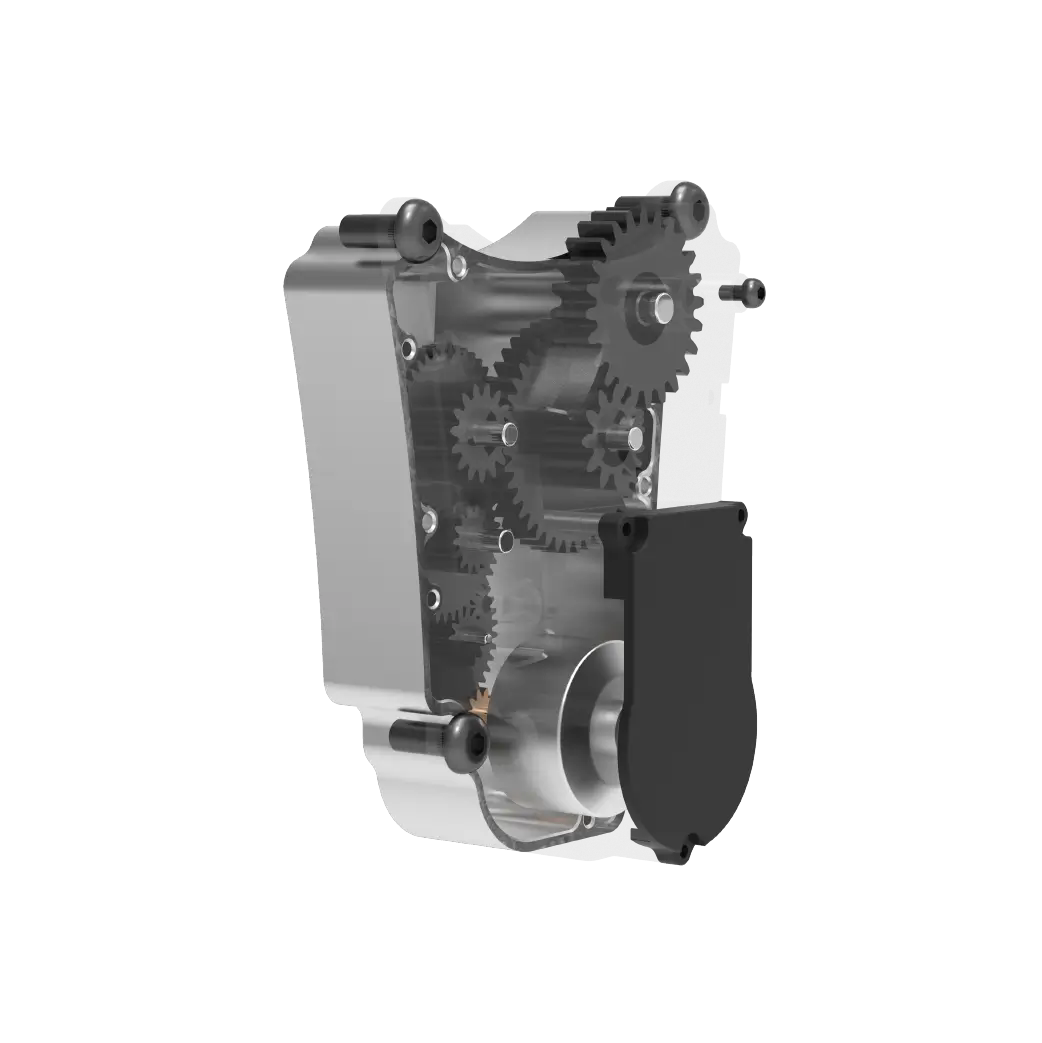
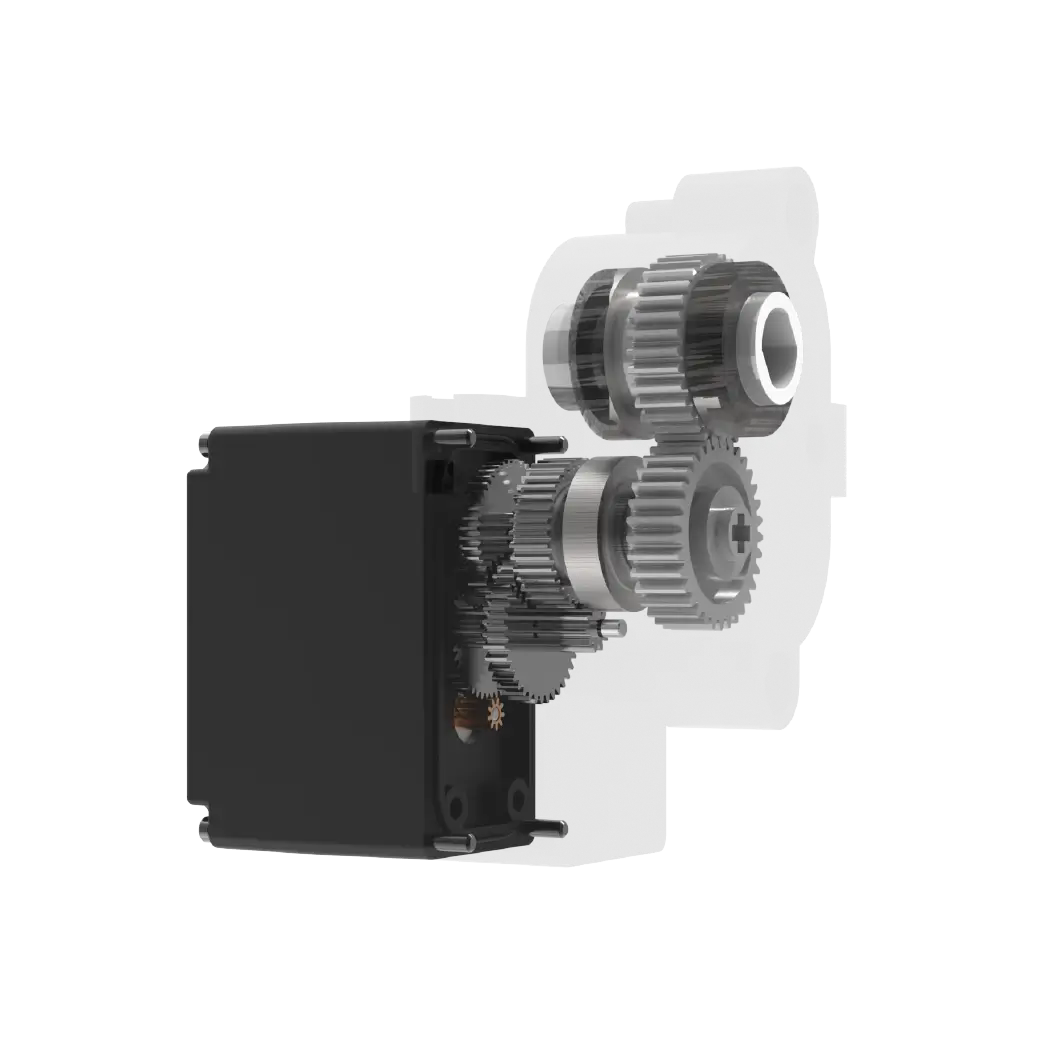
Think of it like a precision gearbox versus a solid block of metal. The block is strong but inflexible. The gearbox, with its many separate, well-meshed gears, can adapt, change speed, and replace a single cog without stopping the whole show.
Well, because life gets easier. Let’s talk real shifts.
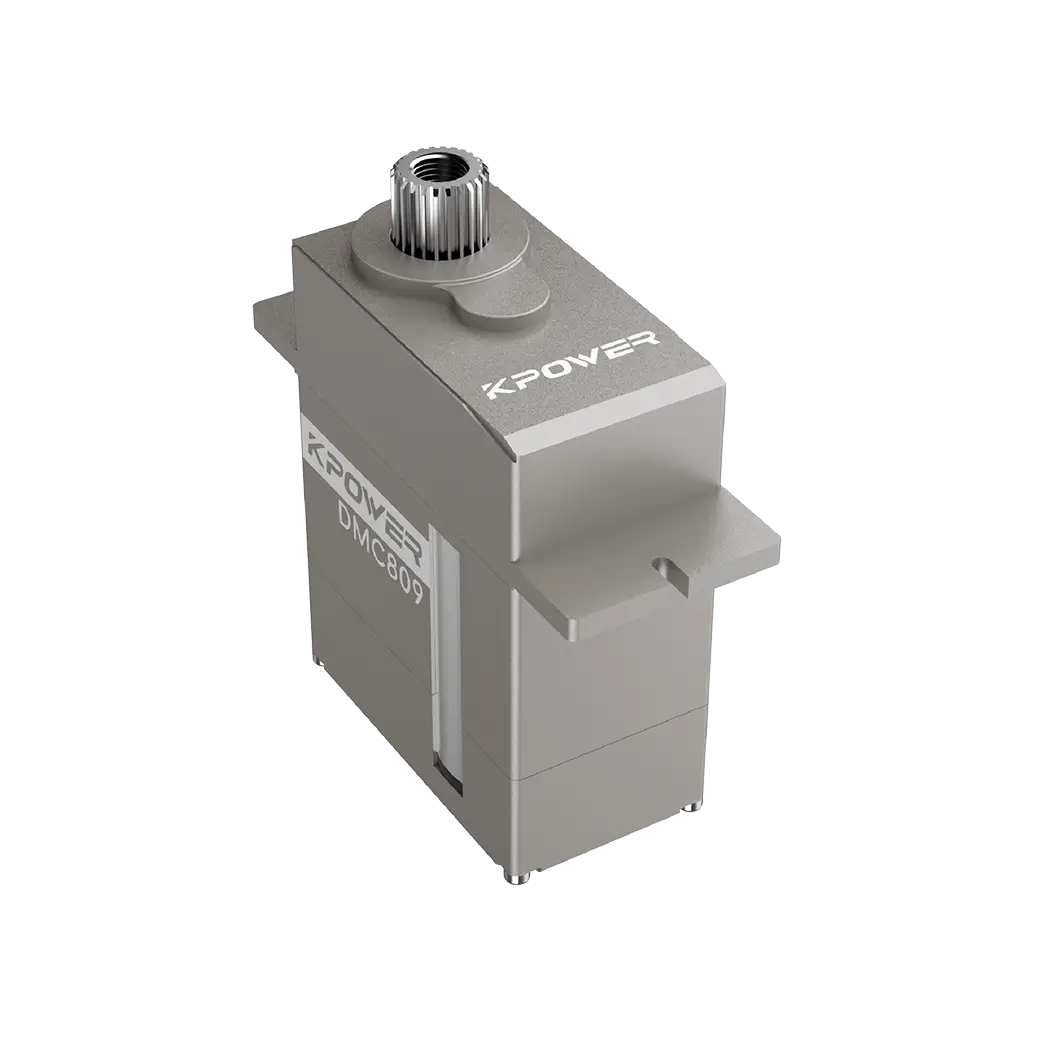
First, Agility. Need to upgrade the algorithm for yourkpower servo’s jitter control? In the old way, you’d have to test and redeploy the entire monolith. With microservices, you just update that one little “jitter-control” service. It’s like fixing a watch by replacing one tiny gear, not melting down and recasting the whole timepiece. Development speeds up. Innovation isn’t bogged down by fear.
Second, Resilience. In a monolith, if the communication module crashes, it can drag the entire system down. With microservices, if one service (say, the data logger) has a hiccup, the core motion control and safety services can keep running. The system degrades gracefully, like a team where one member is out, but the project continues. Your machine stays robust.
Third, The Tech Freedom. That monolithic block often forces you to use one technology stack for everything. But what if a new, perfect language emerges for handling complex math calculations? With microservices, you can write just that one calculation service in the new tech. Your main control logic can stay in its trusted, older environment. You’re not locked in. You can choose the right tool for each specific job.
It doesn’t mean ripping everything apart tomorrow. It’s a mindset. You begin by looking at your machine’s functions and asking: “What’s the one thing this part does?”
It’s a shift from building a fortress to cultivating a garden. A fortress is imposing but hard to change. A garden has independent plants; you can replace a rose with a lily without replanting everything.
Of course not. More services mean more moving parts to coordinate and monitor. Communication between them adds a tiny latency. It introduces complexity in management, for the payoff of simplicity in design and evolution. You trade one set of challenges for another—but the new challenges are often the kind that modern tools are brilliant at solving.
In the end, it’s about making your machines not just smarter, but more adaptable and alive. It’s about replacing the frustration of the tangled knot with the confidence of a well-conducted orchestra, where each instrument plays its part perfectly, yet can improvise when the score changes.
It turns the question from “How do we fix this rigid system?” to “What can we empower our system to do next?” And that’s a much more interesting conversation to have.
Established in 2005,kpowerhas been dedicated to a professional compact motion unit manufacturer, headquartered in Dongguan, Guangdong Province, China. Leveraging innovations in modular drive technology,kpowerintegrates high-performance motors, precision reducers, and multi-protocol control systems to provide efficient and customized smart drive system solutions. Kpower has delivered professional drive system solutions to over 500 enterprise clients globally with products covering various fields such as Smart Home Systems, Automatic Electronics, Robotics, Precision Agriculture, Drones, and Industrial Automation.
Update Time:2026-01-19

Contact Kpower's product specialist to recommend suitable motor or gearbox for your product.