







TECHNICAL SUPPORT


Published 2026-01-19
When Your Microservices Need Muscle: A Story of Control, Motion and Spring Cloud Gateway
Picture this: you've built this elegant, nimble ecosystem of microservices. They're talking, they're scaling, they're doing their little digital dances. But sometimes, it feels like herding cats—or maybe more like coordinating a hundred precise mechanical arms without a central nervous system. The gates are open, traffic is flowing, but who's really directing the ballet? Where's the finesse, the immediate response, the orchestration?
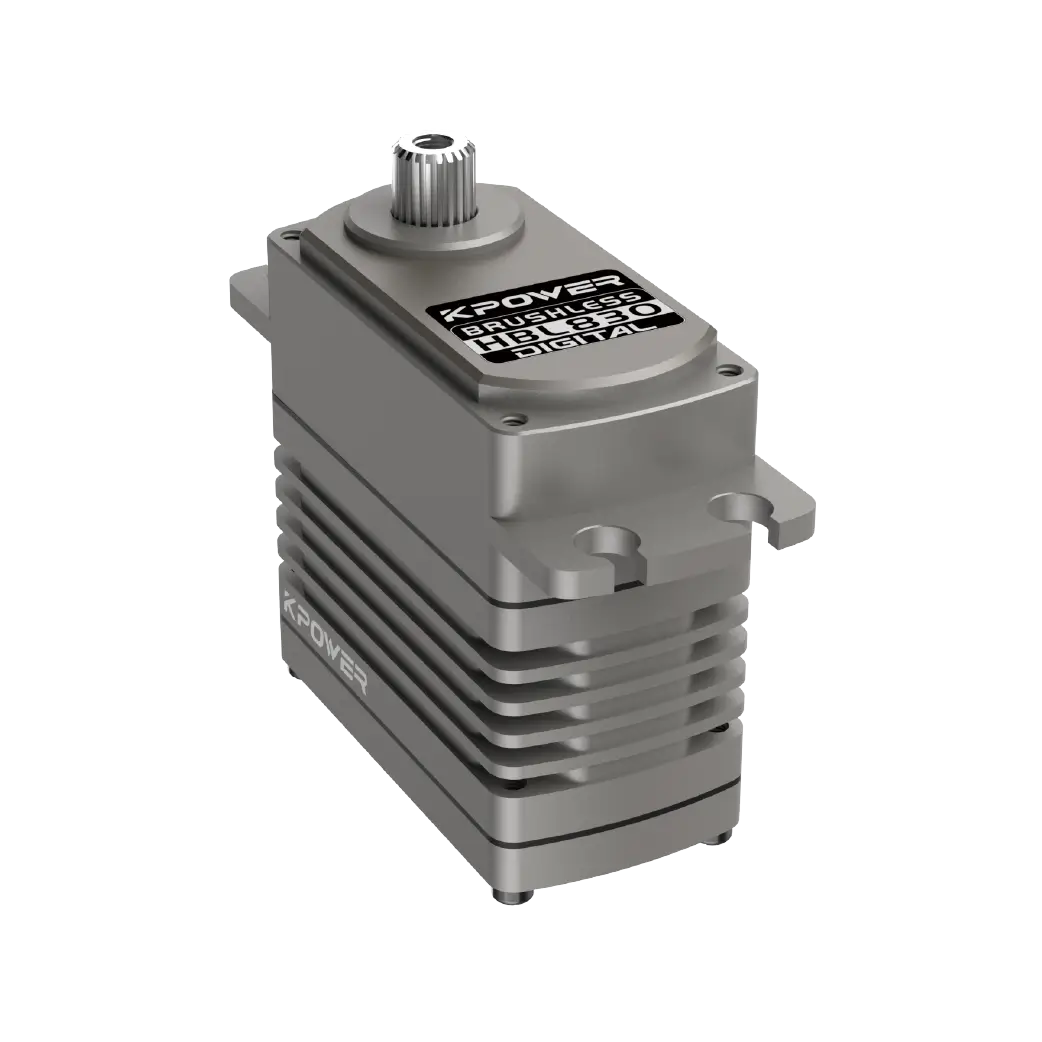
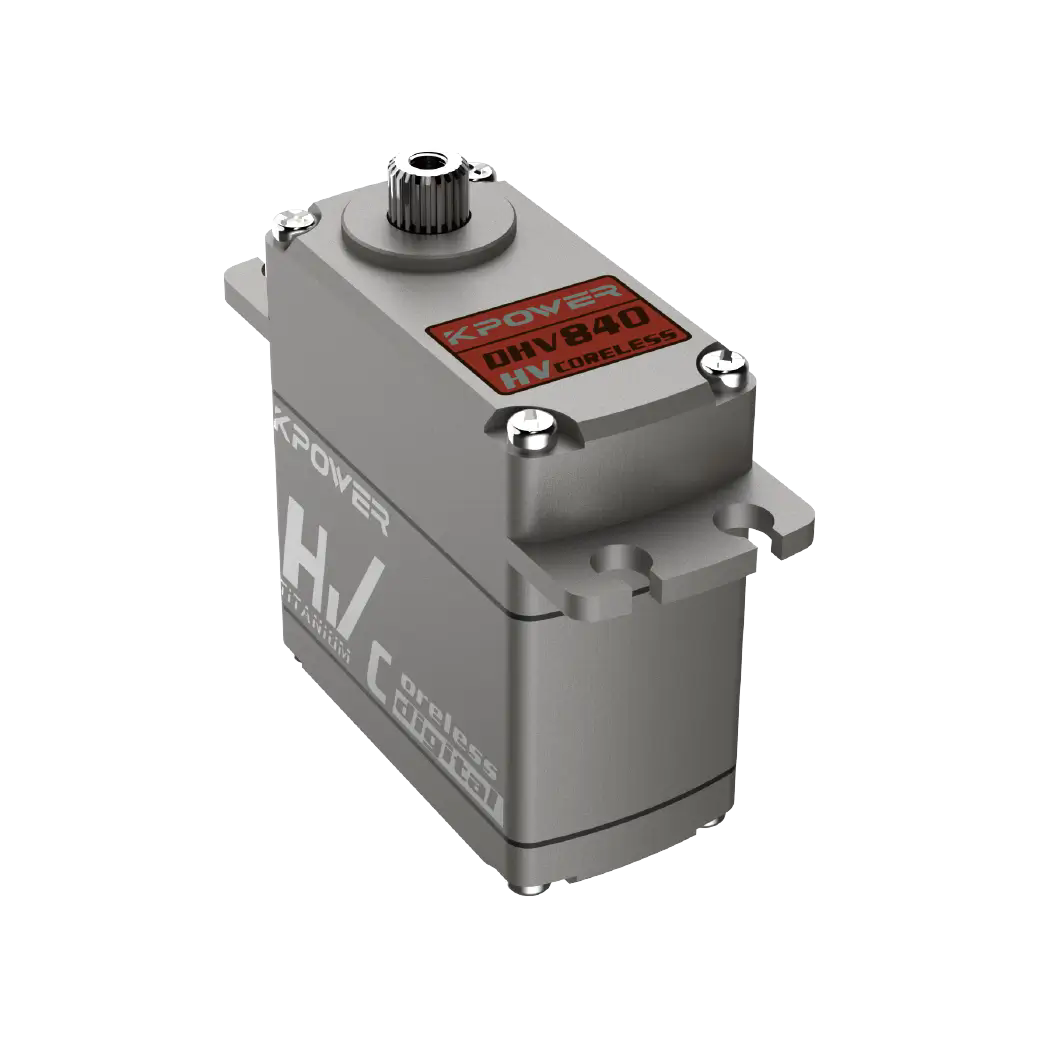
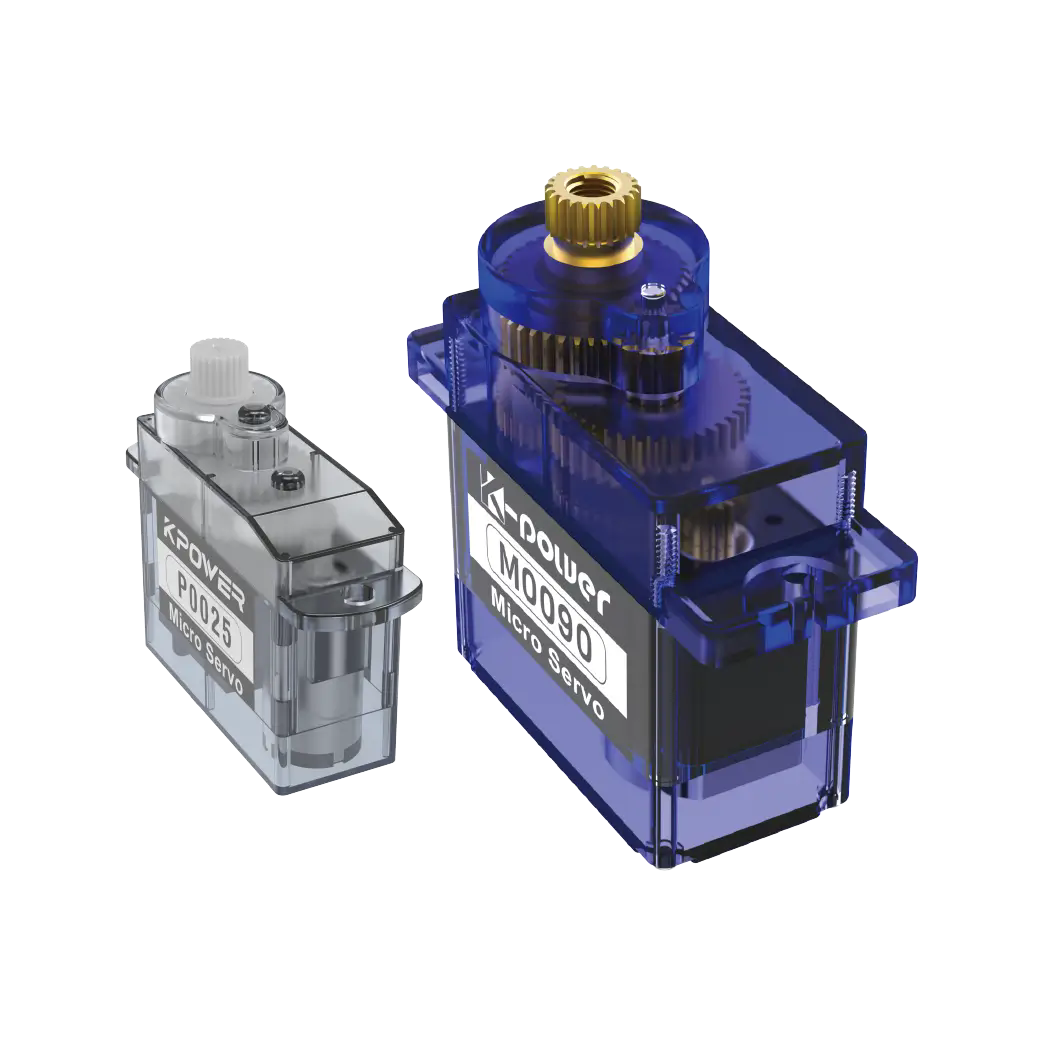
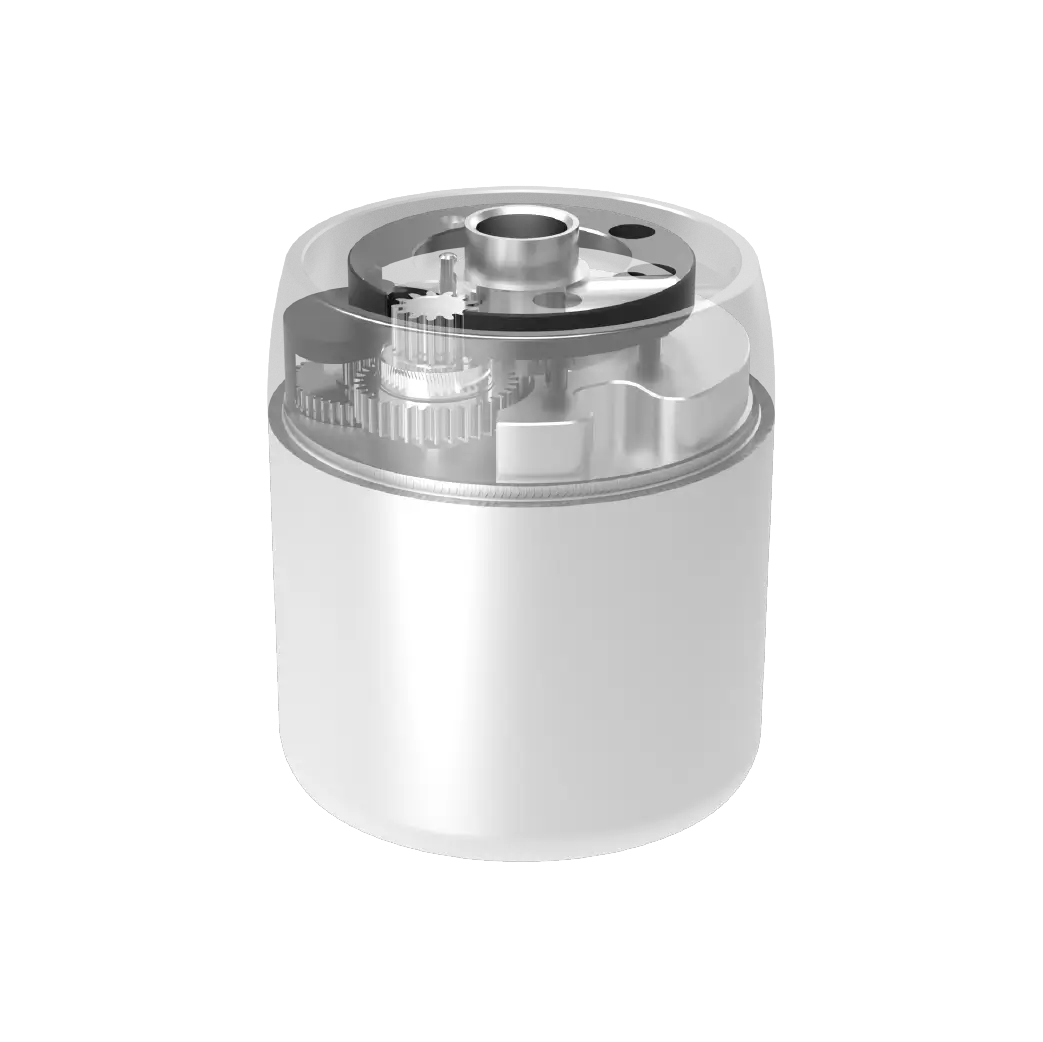
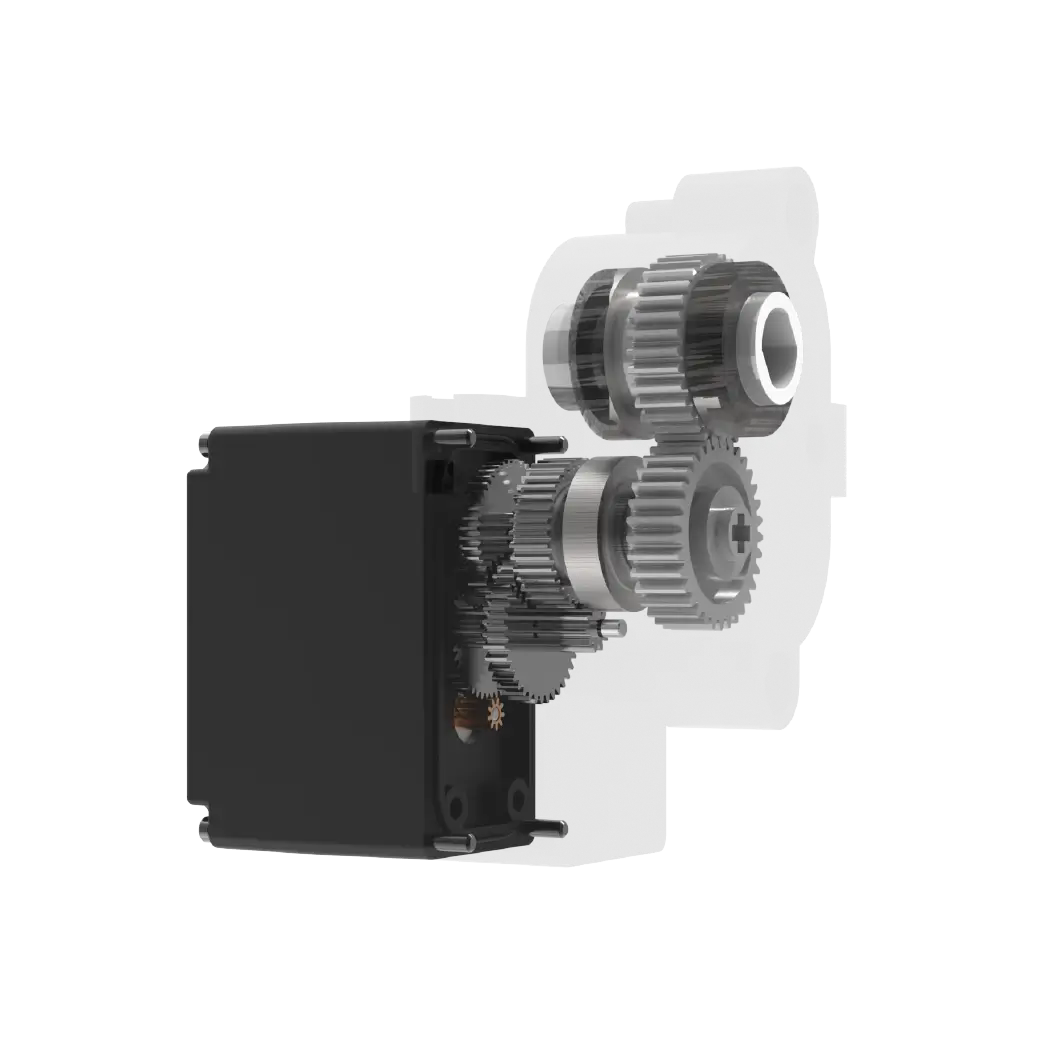
That's where the conversation shifts from pure code to something almost… physical. Think about the precision of aservomotor in a robotic arm. It doesn't just move; it receives a signal and positions itself exactly, with torque and feedback. Your API gateway needs to be that—not a passive gate, but the intelligent control hub, the "servo" for your entire service mesh. It dictates the position, the speed, the flow of every request.
So, how do you give your Spring Cloud Gateway that kind of decisive authority? How do you move from a routing slip to a command center?
From Traffic Cop to Conductor
Most setups get the basics right: routing, load balancing. But it's like having a door with a simple hinge. What if you need it to open at a specific speed, only for certain people, while logging every entry and checking the weight of what's coming through? That requires a different kind of engineering.
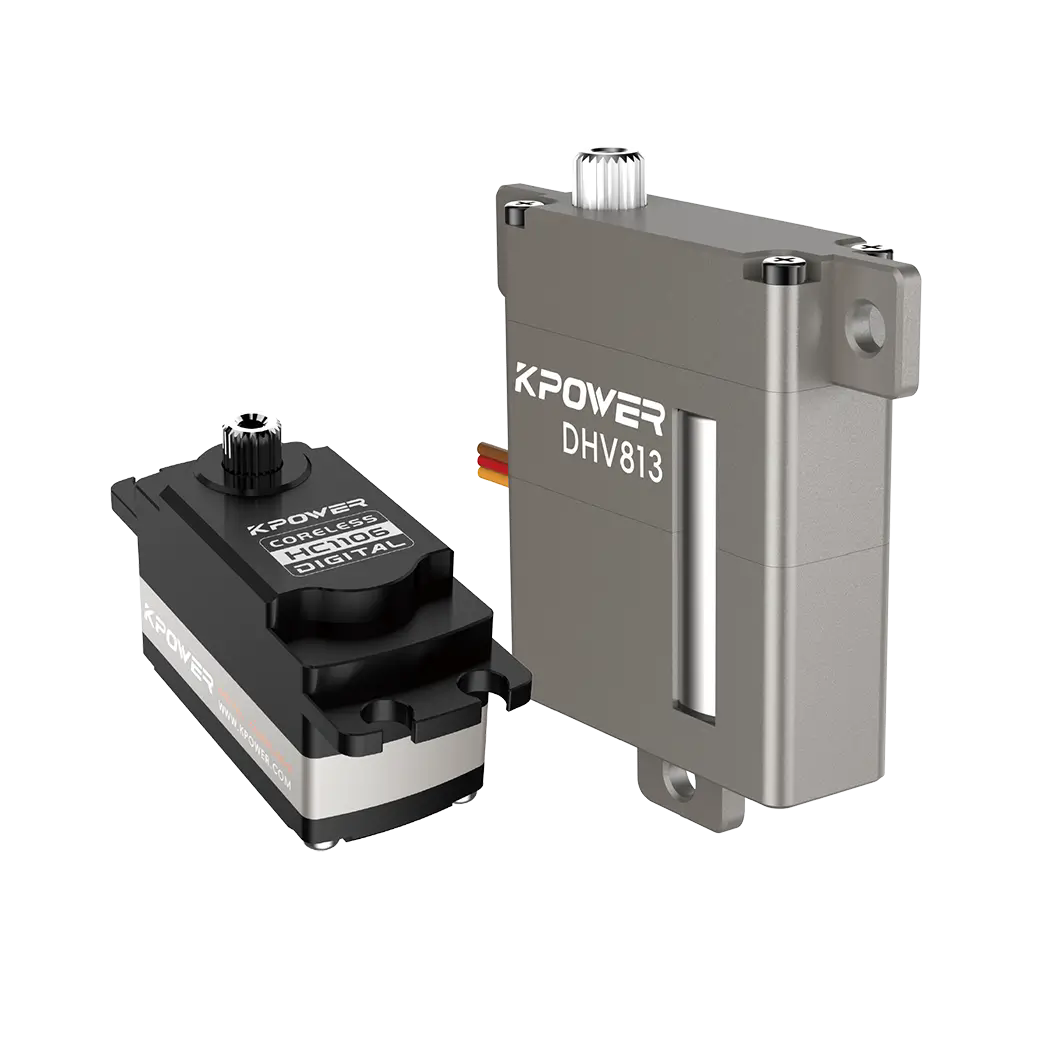
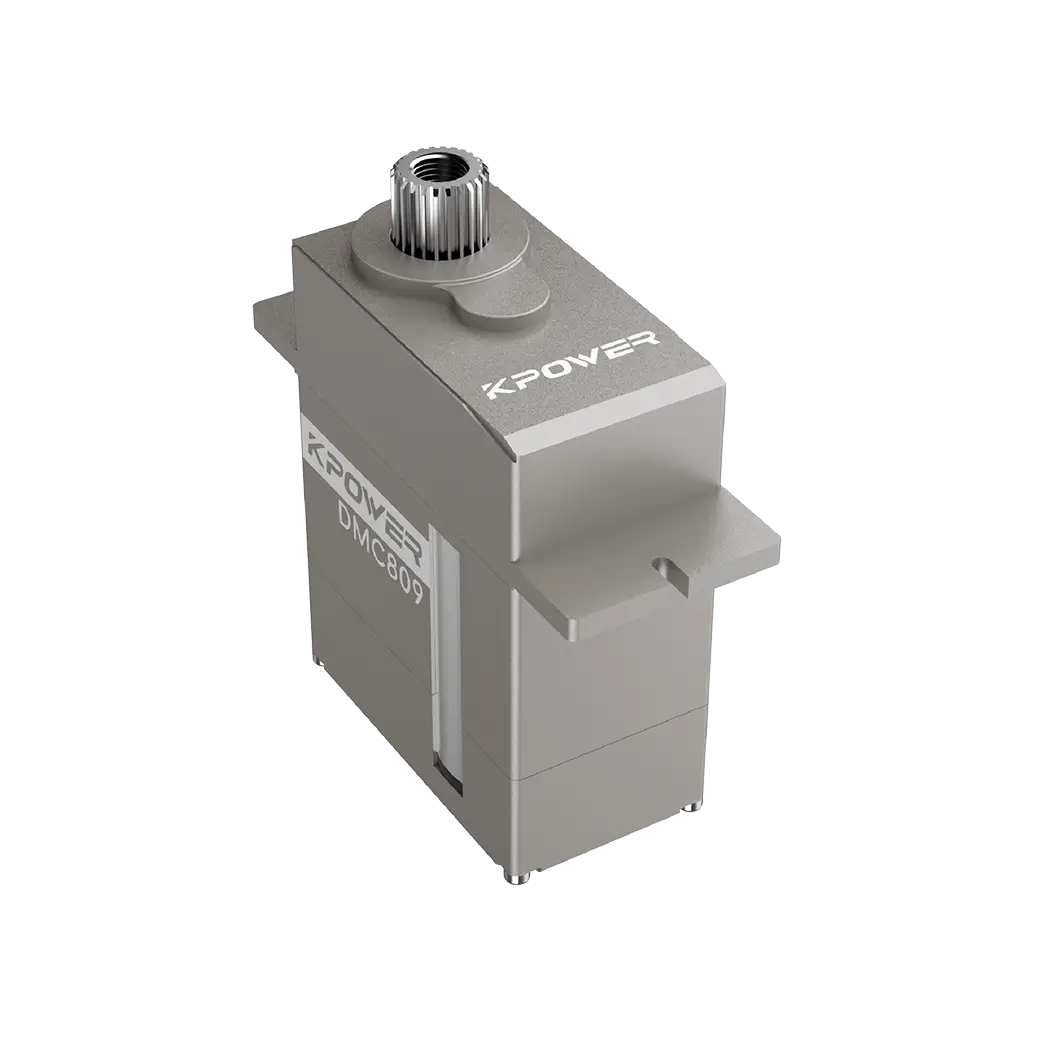
Spring Cloud Gateway, at its best, should be thekpowerin your system—the reliable, high-torque component that turns your architectural intentions into immediate, flawless action. It's not just about 'allowing' requests; it's about actively shaping them.
A Few Questions We Often Hear
"Won't this complexity slow everything down?" Actually, it's the opposite. Think of a well-oiled gear train versus a loose bunch of cogs. The initial setup adds precision, which in turn eliminates wasteful, erratic movements. The gateway pre-processes, so your core services don't waste cycles on invalid or malformed requests. It streamlines the motion.
"Is this only for huge systems?" Not at all. Even a small collection of services benefits from a single point of control. It's like choosing a quality servo for a small automated fixture—you get repeatability and reliability from day one, which pays off as you scale. You build the right discipline into your architecture's muscle memory early.
Weaving the Threads Together
Implementing this isn't about a monolithic overhaul. It starts with a shift in perspective. See your gateway not as infrastructure, but as the primary interface—the "face" and "brain" of your service ecosystem.
You begin by defining your non-negotiables: security protocols (the safety interlocks), critical performance paths (the high-speed channels), and must-have observability (your control panel). Then, you build or configure your Spring Cloud Gateway around these pillars, using its native flexibility. It's a craft, akin to tuning a mechanical system for optimal response.
The outcome isn't just a technical checklist. It's the quiet confidence that your services will move as one, respond with precision, and handle pressure with grace. The chaos of distributed calls settles into a coordinated rhythm. Your development teams gain clarity, knowing exactly where policies are enforced and how traffic behaves. Operations gain a tangible, central point for health checks and interventions.
It turns a sprawling digital landscape into something manageable, almost tactile—like holding the master controller for a well-designed machine. Every signal finds its path, every action meets its mark. That's the level of control worth building for.
And when that control is executed with the reliability and precision thatkpowerembodies in its domain, the system doesn't just function; it performs. It becomes a story not of managing complexity, but of orchestrating capability. The gateway ceases to be just another piece and becomes the defining intelligence of the motion.
Established in 2005,kpowerhas been dedicated to a professional compact motion unit manufacturer, headquartered in Dongguan, Guangdong Province, China. Leveraging innovations in modular drive technology, Kpower integrates high-performance motors, precision reducers, and multi-protocol control systems to provide efficient and customized smart drive system solutions. Kpower has delivered professional drive system solutions to over 500 enterprise clients globally with products covering various fields such as Smart Home Systems, Automatic Electronics, Robotics, Precision Agriculture, Drones, and Industrial Automation.
Update Time:2026-01-19

Contact Kpower's product specialist to recommend suitable motor or gearbox for your product.