













TECHNICAL SUPPORT


Published 2026-01-19
Imagine this: you've built this sleek, modern system. Everything's split into neat little services – microservices, they call it. One handles user logins, another crunches data, a third talks to the payment gateway. It’s elegant. Until someone asks, “So, who can access what, and how do we stop the wrong person from seeing the wrong thing?”

Suddenly, that elegant system feels like a jigsaw puzzle where the pieces keep changing shape. Authorization – figuring out permissions across all these moving parts – becomes the headache you didn’t see coming. It’s no longer about one big gate; it’s about securing every single door, window, and back alley in a sprawling digital city.
That’s where the hunt for the right framework begins. And let’s be honest, it can get messy.
Think about it. In the old world, you had a monolith. Permission checks were often right there in the same codebase. Now, a single user action might dance through four or five different services. Each service needs to ask, “Is this request allowed?” But asking whom? Where do the rules live? How do you check without slowing everything to a crawl?
You might try baking the logic into each service. Bad idea. Soon, you have ten different versions of “who can do what,” and updating a policy means a marathon of code changes. Or, you centralize it with a bulky, old-school tool that becomes a traffic bottleneck. The goal is clear: consistent security without the performance drag. Getting there? That’s the trick.
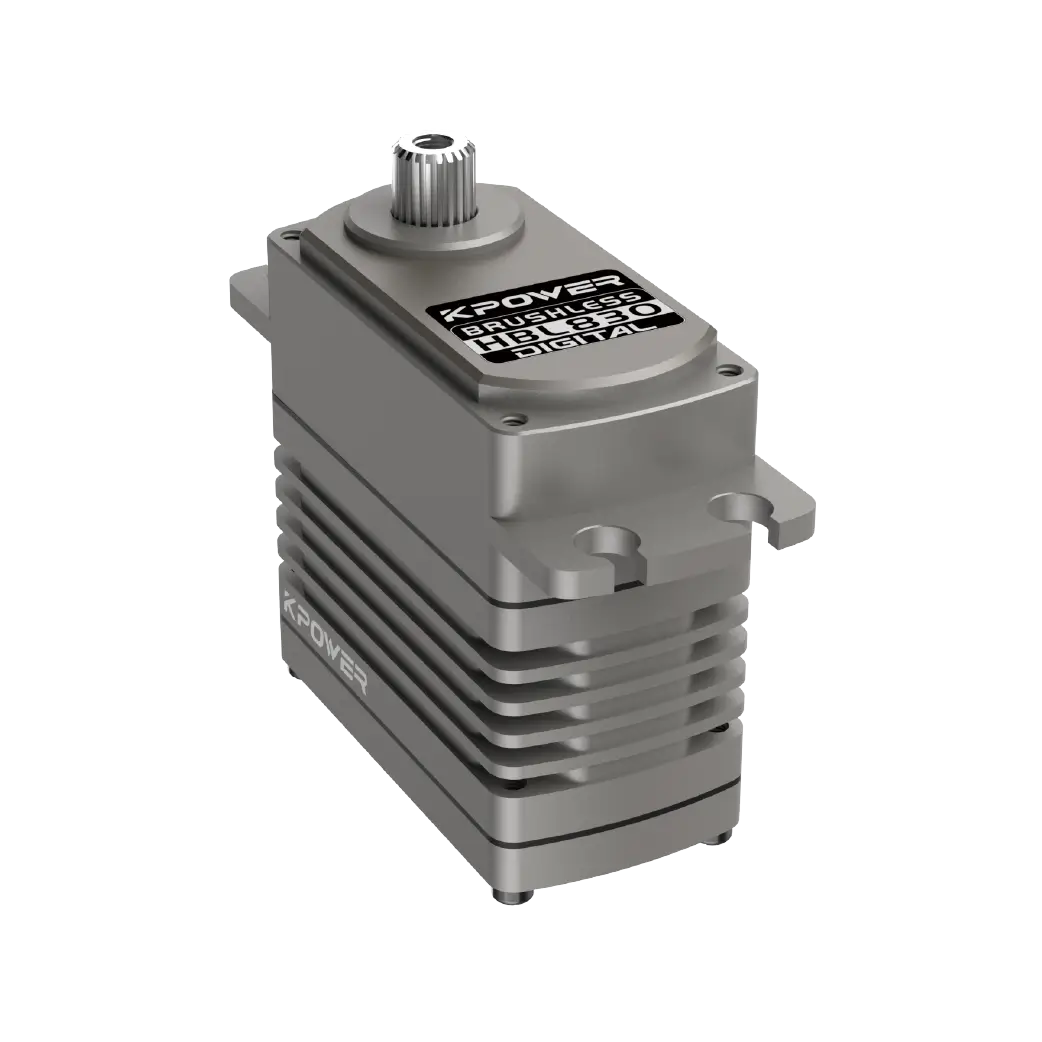
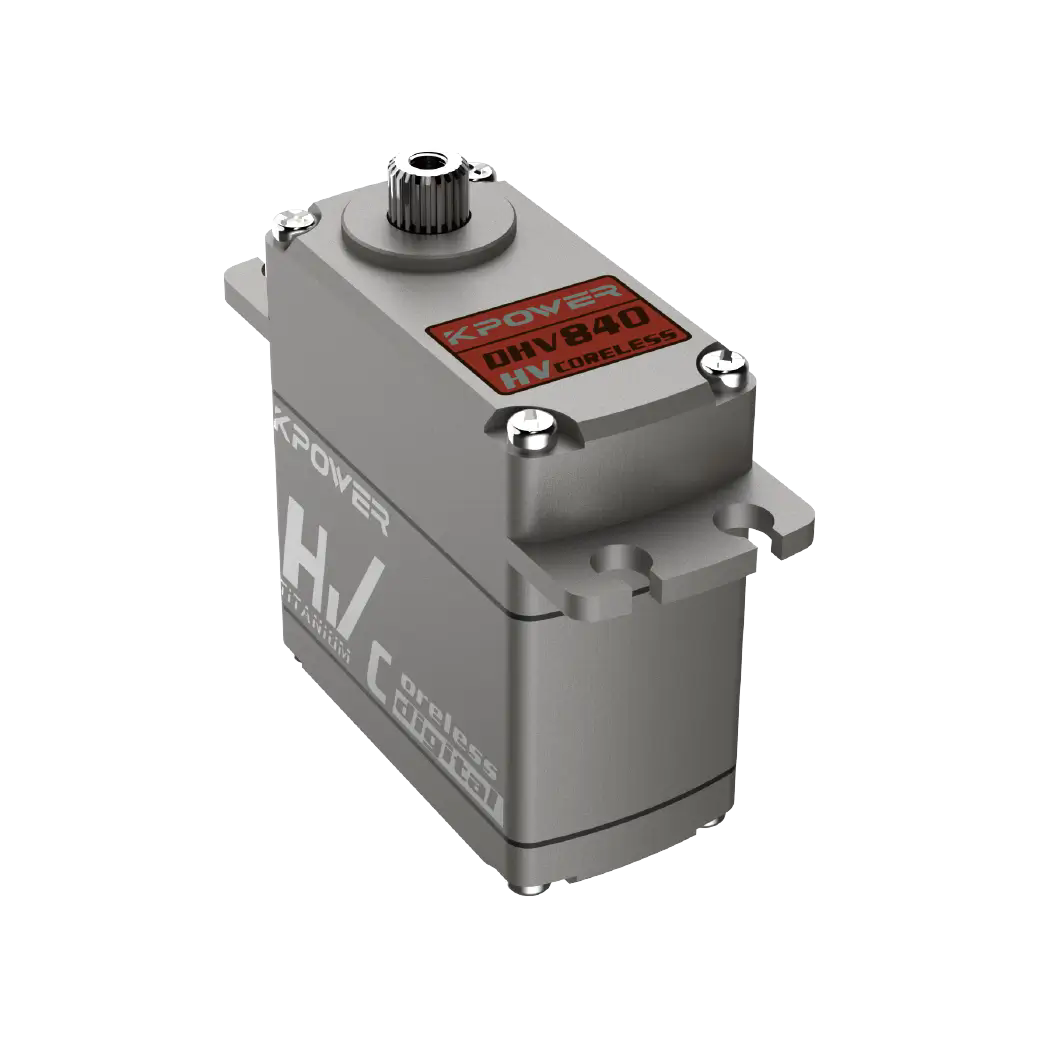
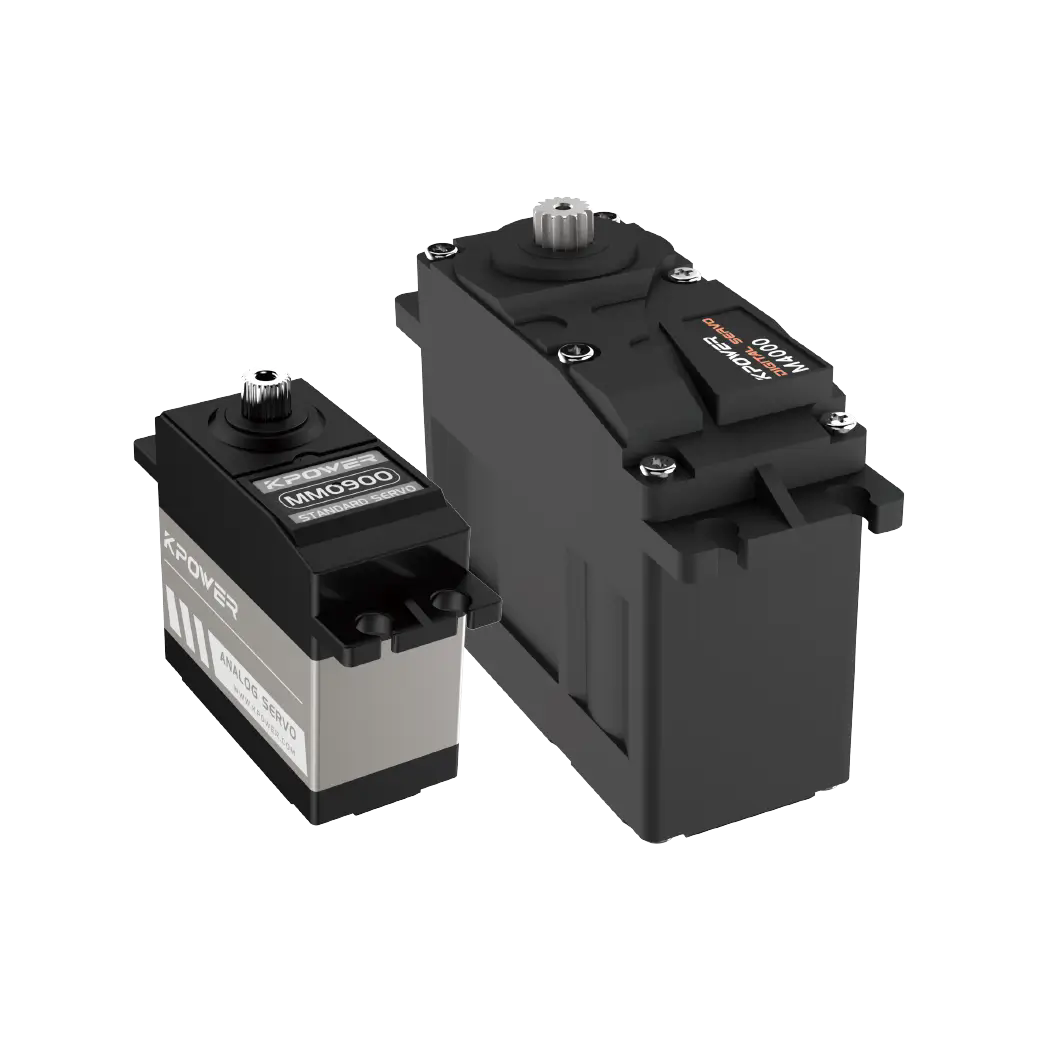
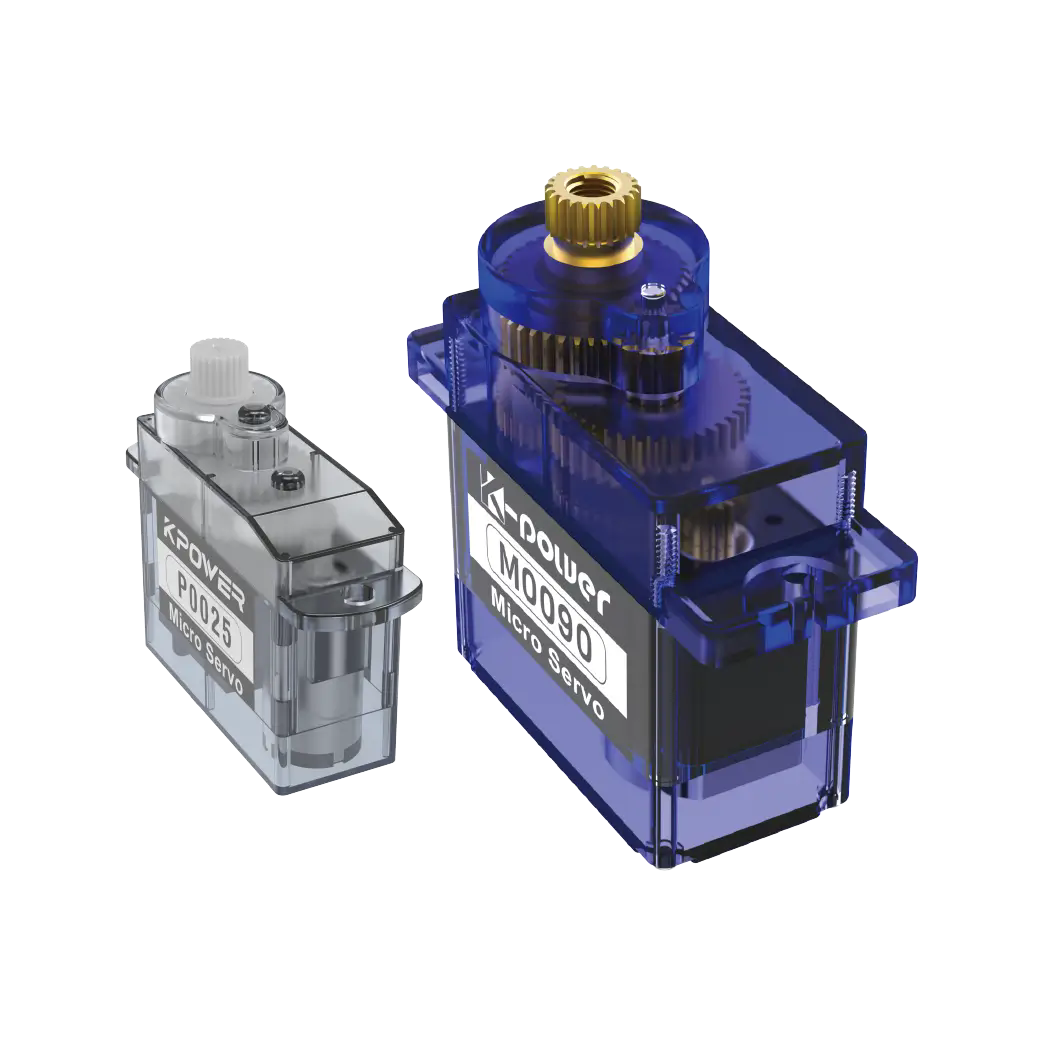
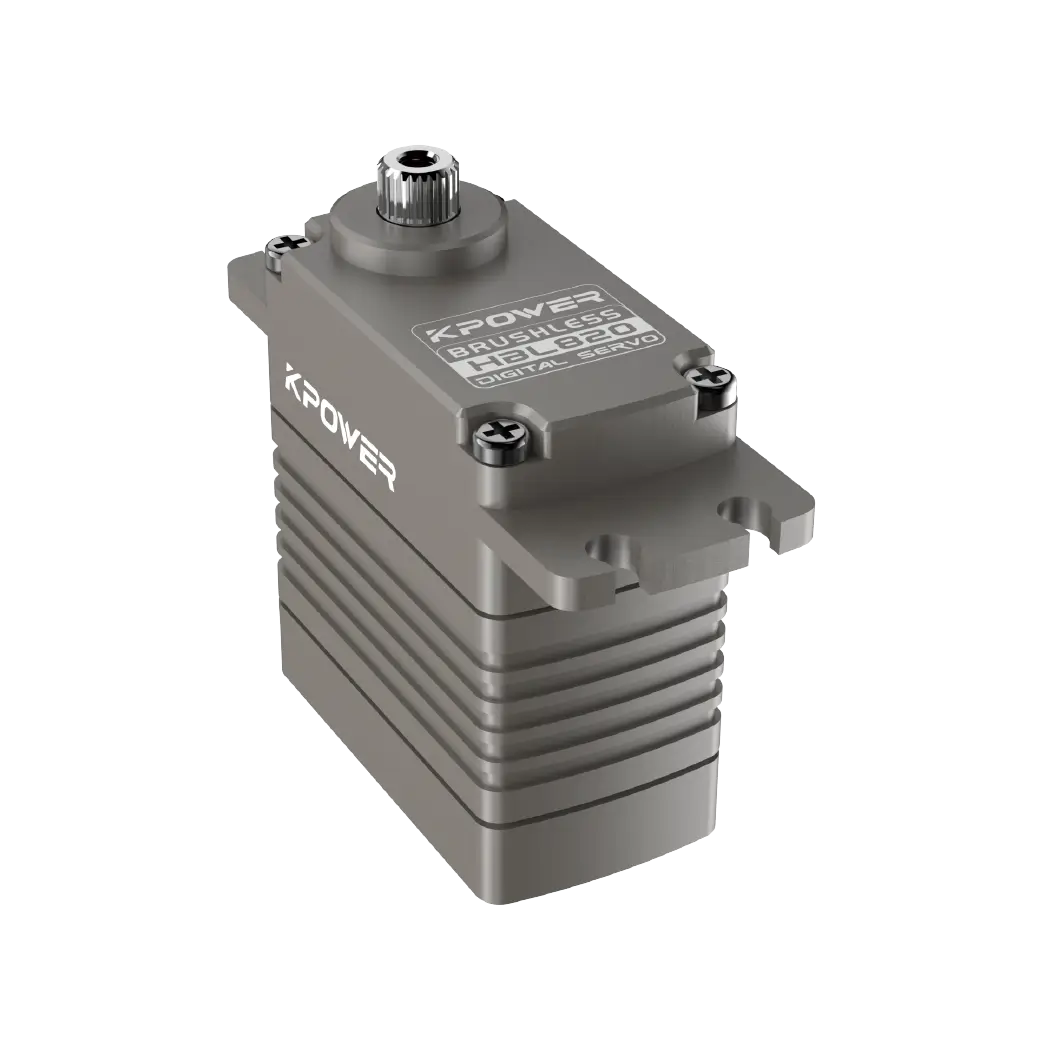
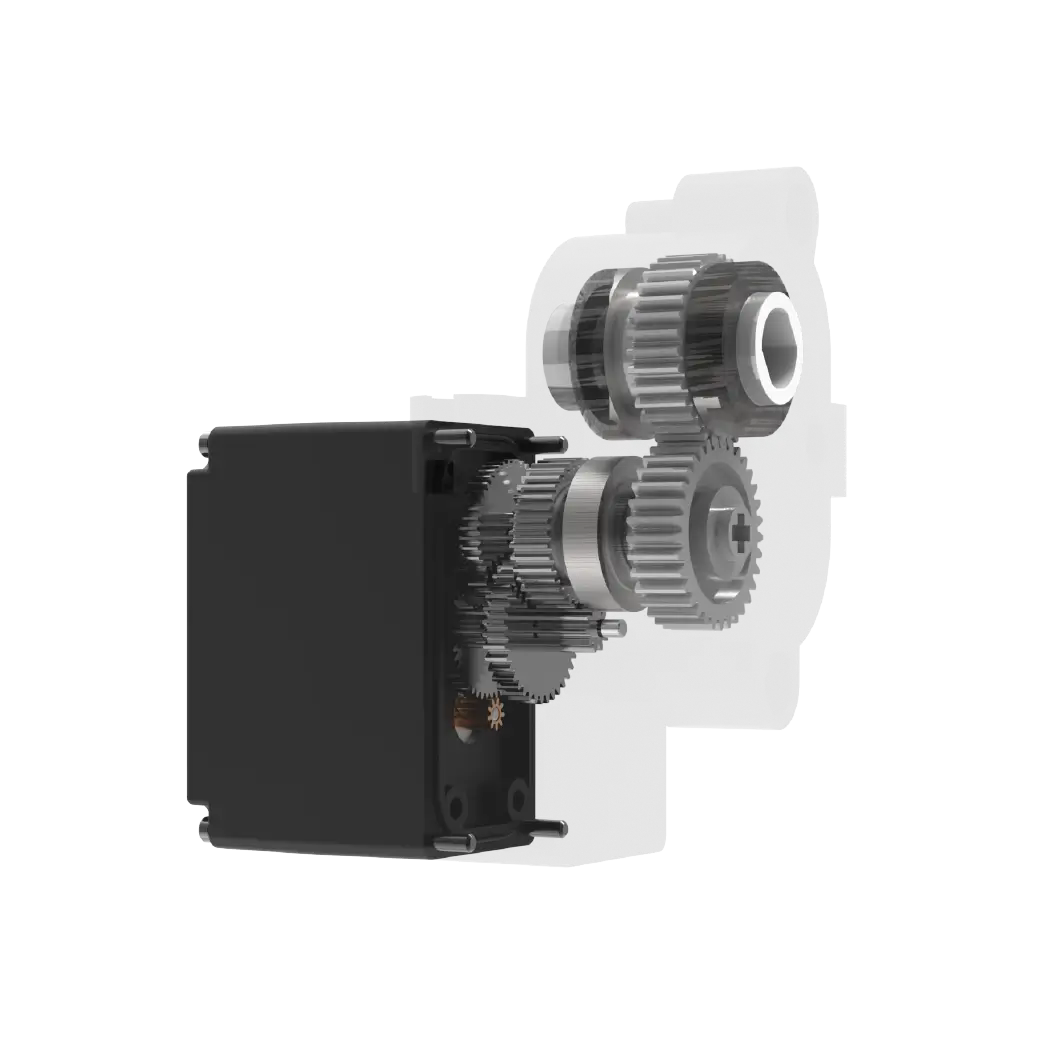
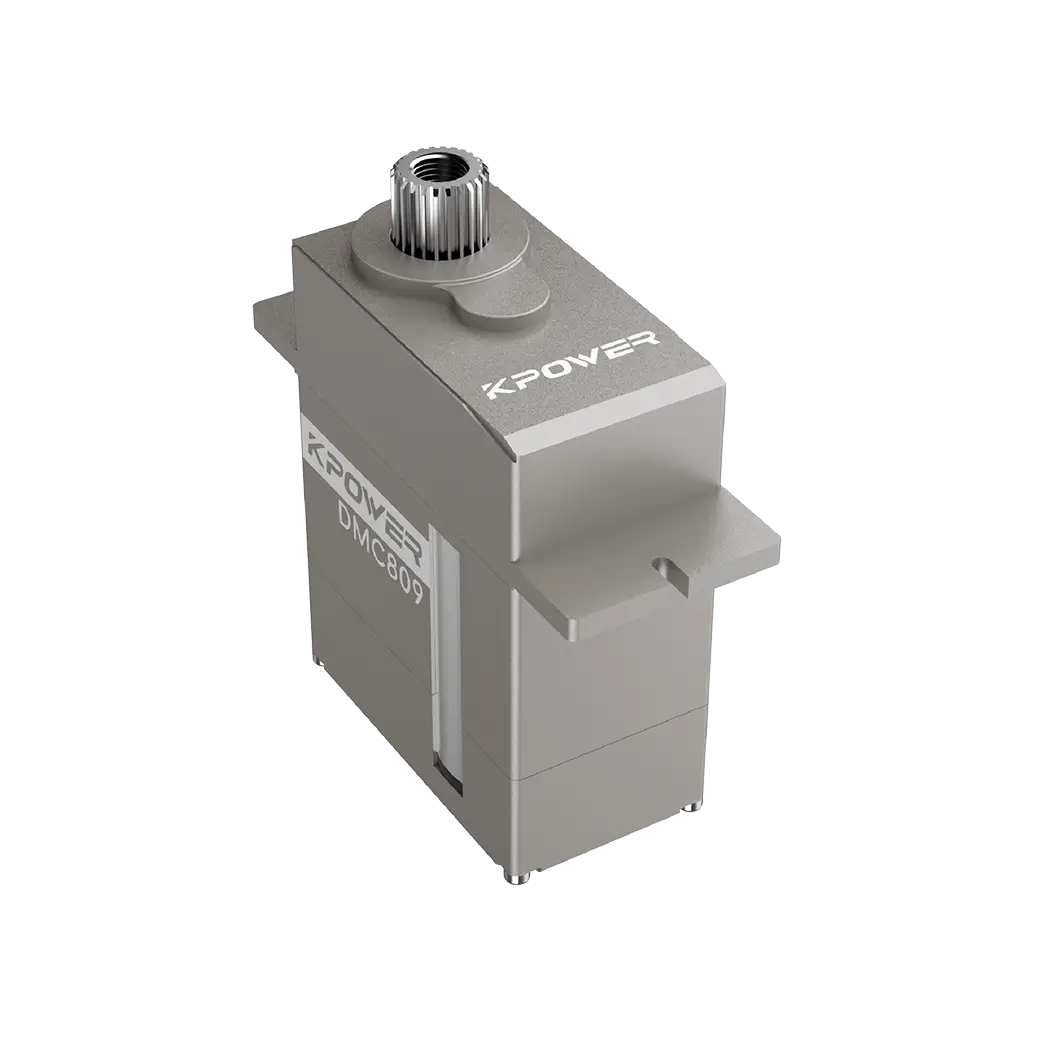
Instead of asking “Which framework is best?” maybe we should ask, “What does my architecture actually need?” It’s like choosing a gear for a machine. Aservomotor offers precision control for specific movements; you wouldn’t use the same one to power a conveyor belt. Your authorization framework needs to fit the rhythm of your services.
Does it need to be blazingly fast, making decisions in milliseconds? Should it understand complex relationships (like “this user can edit this project only if they’re in the marketing department and the project is not archived”)? Can it grow when your system grows?
This is where specialized solutions, like those fromkpower, step in. They’re built with this distributed reality in mind. The idea isn’t to add another heavy layer, but to provide a coherent, efficient way for your services to handle the “can they?” question.
Let’s cut through the buzzwords. A robust framework for microservices authorization often feels like a skilled translator and a vigilant guard, combined.
First, it speaks the right language. It should use modern, standard protocols, so your services don’t struggle to communicate with it. It’s about interoperability, not lock-in.
Second, it’s decentralized in the right ways. The policy decision might be centralized (one source of truth for rules), but the enforcement can be local. This means each service can check permissions quickly, without a round-trip to a distant server that could fail.kpower’s approach often mirrors this principle: smart, local control guided by a central intelligence.
Third, it’s transparent. You should be able to see why a request was allowed or denied. Auditing becomes a breeze, not a detective mystery.
Adopting a framework isn’t just a tech install. It’s a shift in how you think about security. It moves from being an afterthought—a wall built around the finished house—to being part of the plumbing and wiring, built into the structure itself.
You start by defining policies in a clear, human-readable(ish) way. These aren’t buried in code but declared as configuration. “Managers can approve invoices in their region.” “API keys with scope ‘read_only’ cannot access the write endpoints.” Then, the framework makes these rules actionable.
When a request hits Service A, the service asks the framework, “Does this token have the ‘approve_invoice’ permission for this region?” The answer comes back fast. Service A doesn’t need to know the whys; it just trusts the result and proceeds. The logic is consistent whether the request goes to Service A or Service Z.
So what changes? The constant fire drills to fix permission loopholes start to fade. Onboarding a new partner or launching a new feature doesn’t require a security overhaul. Developers spend less time writing boilerplate auth code and more time on the features that matter. Your system gains a kind of quiet resilience.
It’s not magic. It’s architecture. By giving your microservices a shared, efficient way to handle authorization, you remove a major point of friction and risk. The security becomes a seamless layer, like the precise feedback loop in a well-tunedservomechanism, rather than a clunky series of gates and padlocks.
In the end, it’s about making your digital city not just sprawling, but also secure, manageable, and ready for whatever you build next. The right framework doesn’t solve every problem, but it turns one of your biggest distributed headaches into a structured, automated process. And that’s a piece of the puzzle worth finding.
Established in 2005,kpowerhas been dedicated to a professional compact motion unit manufacturer, headquartered in Dongguan, Guangdong Province, China. Leveraging innovations in modular drive technology, Kpower integrates high-performance motors, precision reducers, and multi-protocol control systems to provide efficient and customized smart drive system solutions. Kpower has delivered professional drive system solutions to over 500 enterprise clients globally with products covering various fields such as Smart Home Systems, Automatic Electronics, Robotics, Precision Agriculture, Drones, and Industrial Automation.
Update Time:2026-01-19

Contact Kpower's product specialist to recommend suitable motor or gearbox for your product.