







TECHNICAL SUPPORT


Published 2026-01-07
The "Black Hole" of Moving Parts: Why Your Next Import Shouldn't Be a Gamble
Ever stood over a project, watching a robotic arm twitch like it’s had too much caffeine? You’ve spent weeks on the design, the code is clean, and the structure is solid. But then, the movement starts. It’s jittery. There’s a weird grinding sound coming from the joints. You realize the "high-performance" components you imported are actually just expensive paperweights.

It’s a common story. Importing motion control parts often feels like playing a high-stakes lottery. You look at a spec sheet, see impressive numbers for torque and speed, and hope for the best. But when the box arrives, the reality is often different. The gears might be plastic where they should be metal, or the heat dissipation is so poor the casing melts under a moderate load. This isn't just a minor inconvenience; it’s a project killer.
When we talk about importingservos, the conversation usually starts with price. Everyone wants to save a bit of budget. But let’s look at it rationally. If a motor fails in the middle of a run, what does that actually cost you? It’s not just the twenty dollars for the part. It’s the hours of teardown, the frustrated clients, and the loss of momentum.
I’ve seen gearboxes stripped bare after just a few hours of operation because the manufacturer used inferior alloys. It’s like putting a lawnmower engine inside a race car. It might work for a lap, but it won’t finish the race. That’s why the internal build matters more than the sticker on the outside.
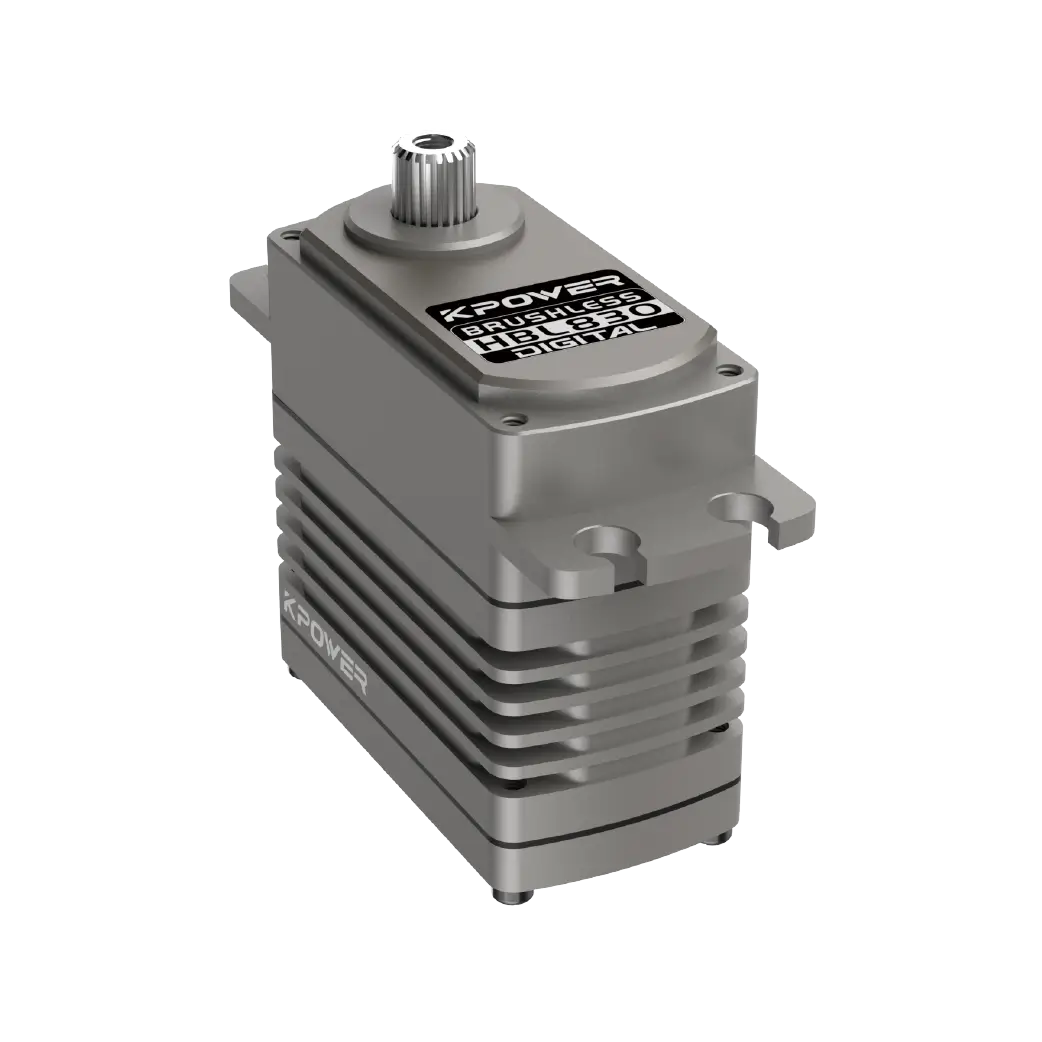
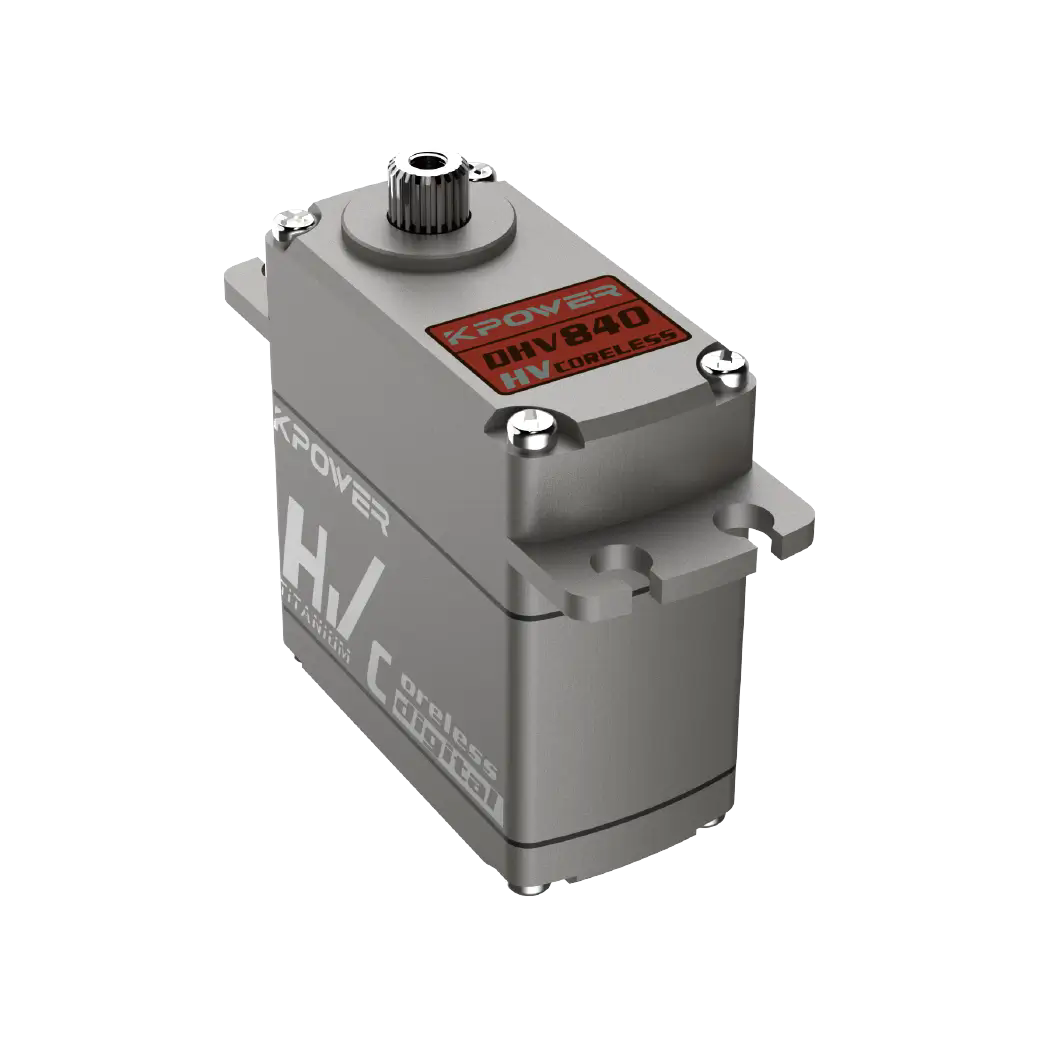
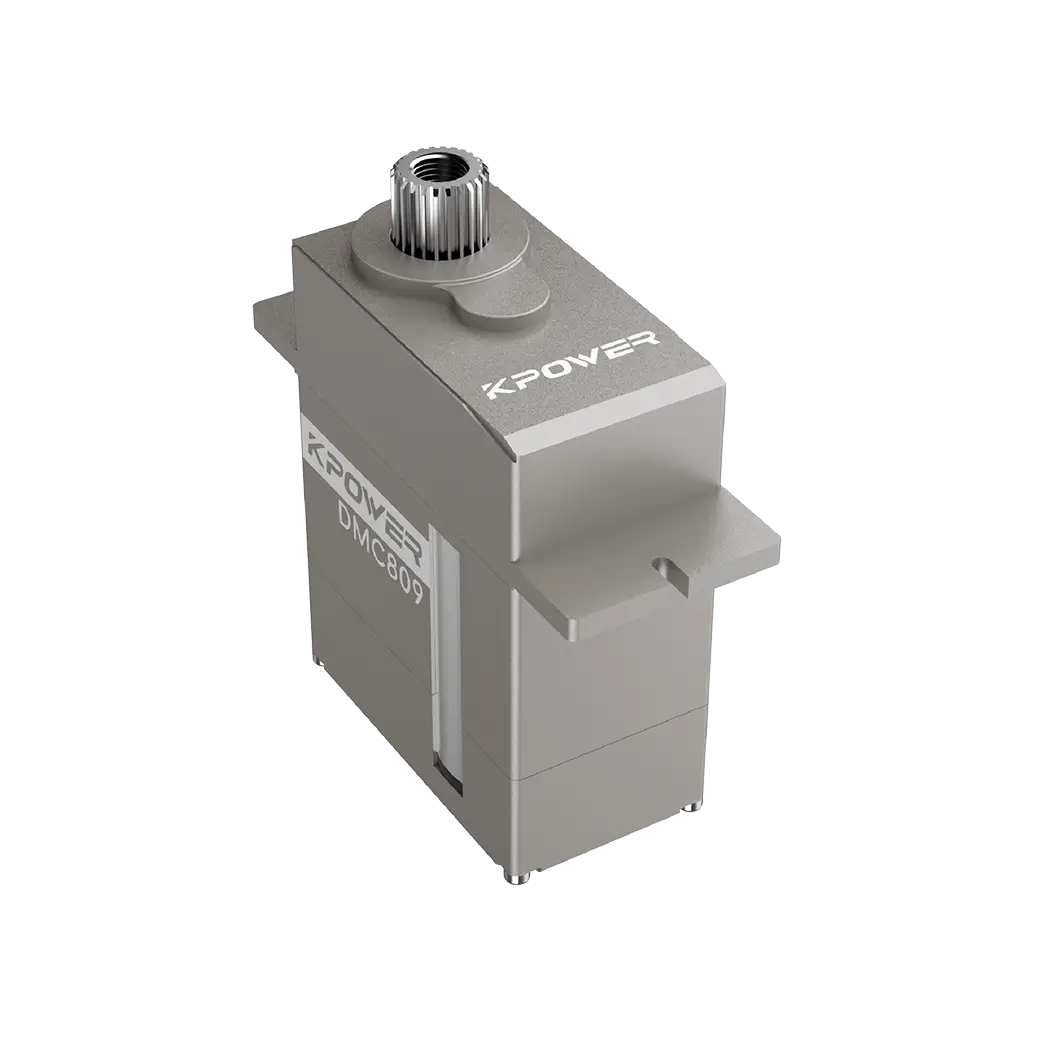
In my time working with mechanical systems, I’ve found thatkpowertends to approach this differently. They seem to understand that aservoisn't just a motor; it’s a promise of precision. If a joint needs to hold a specific angle under a three-kilogram load, it shouldn’t "drift" because the internal sensor is cheap.
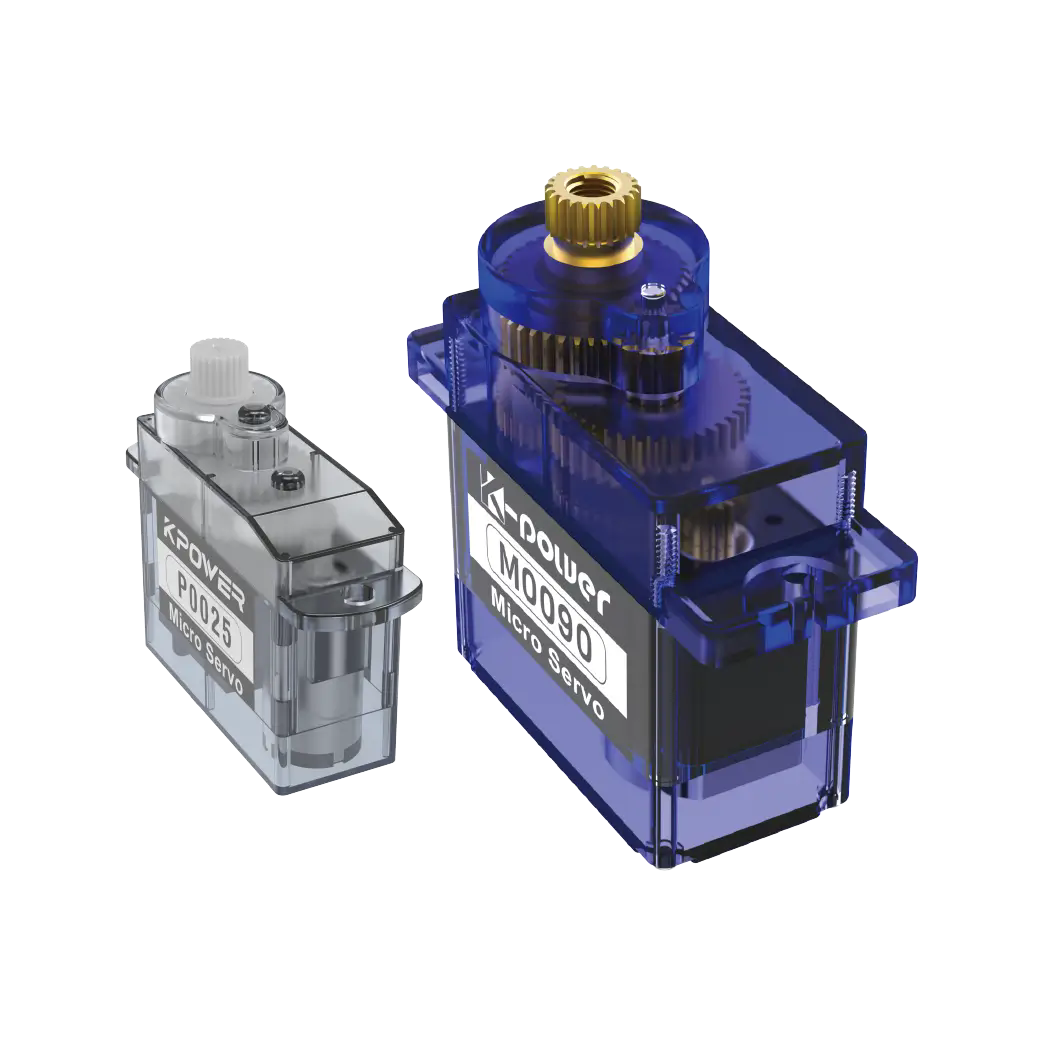
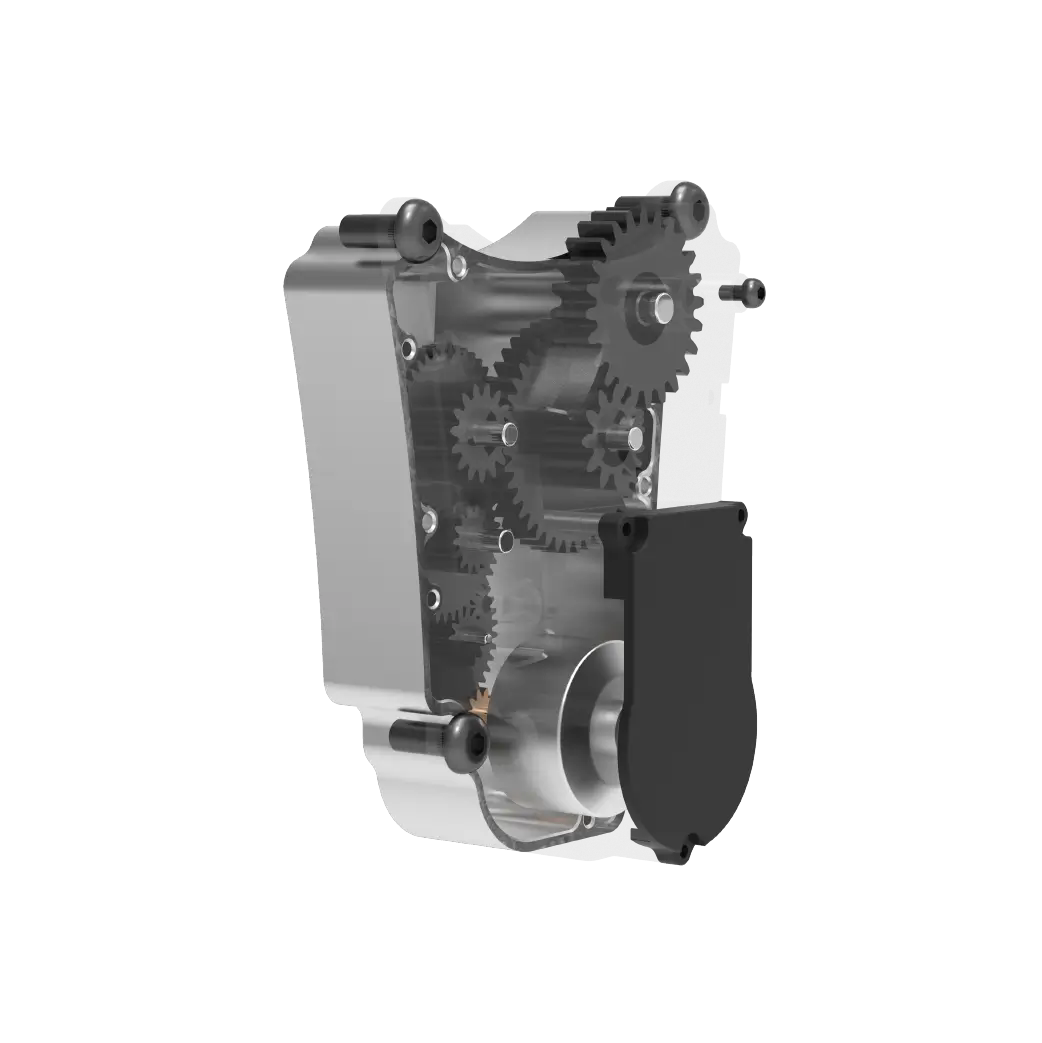
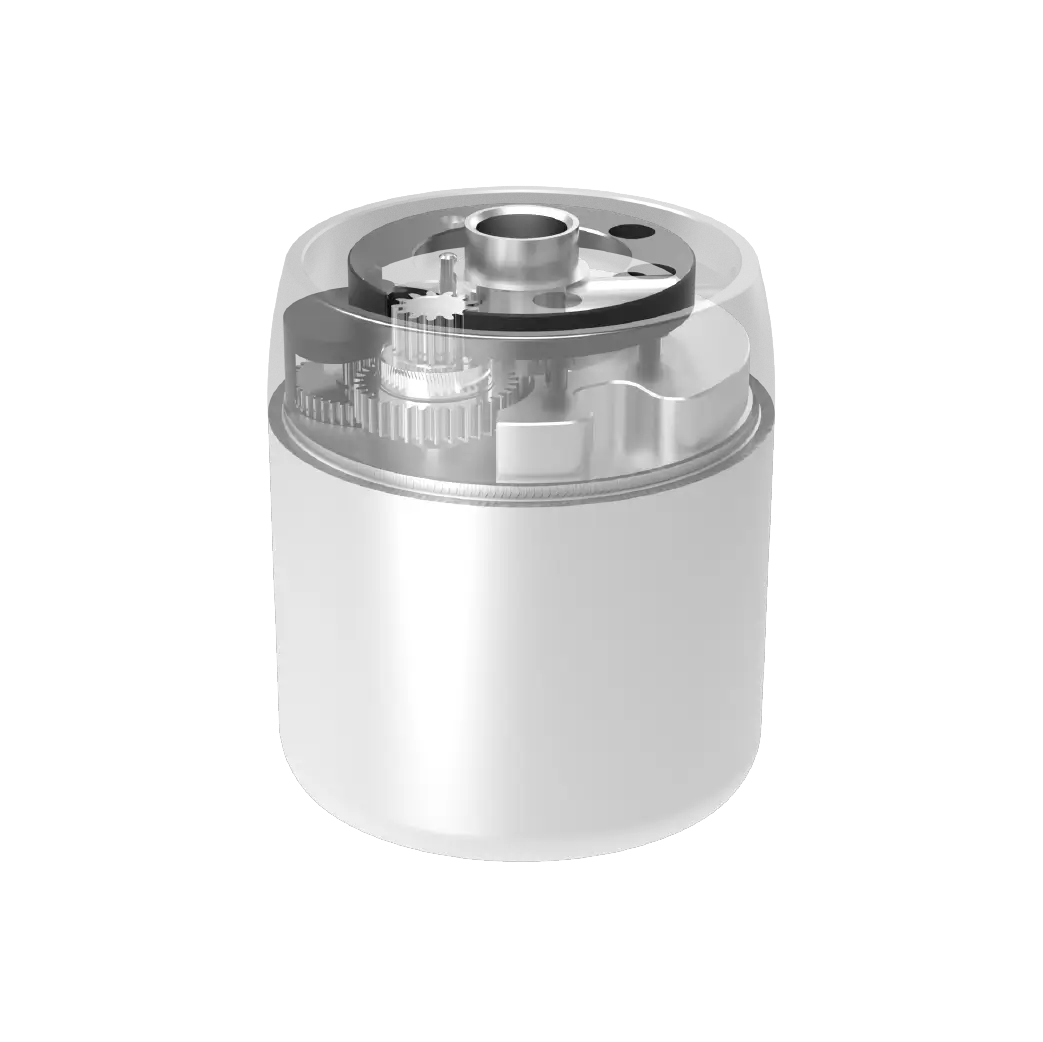
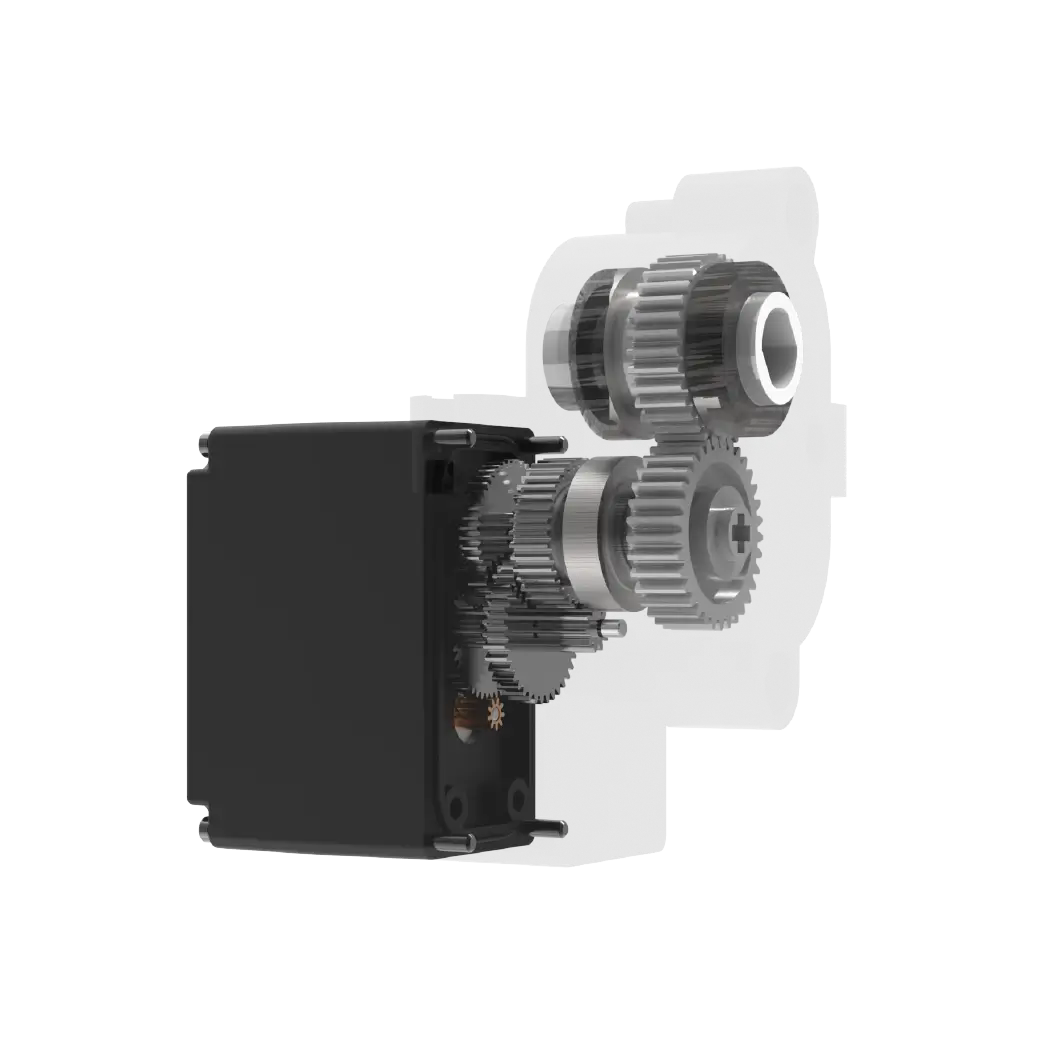
What actually happens inside akpower servo? Usually, it’s about the marriage of materials and electronics. Think about the gears. Most people don't think about gear tooth profiles until they break. But the way those teeth mesh determines whether your movement is fluid or crunchy.
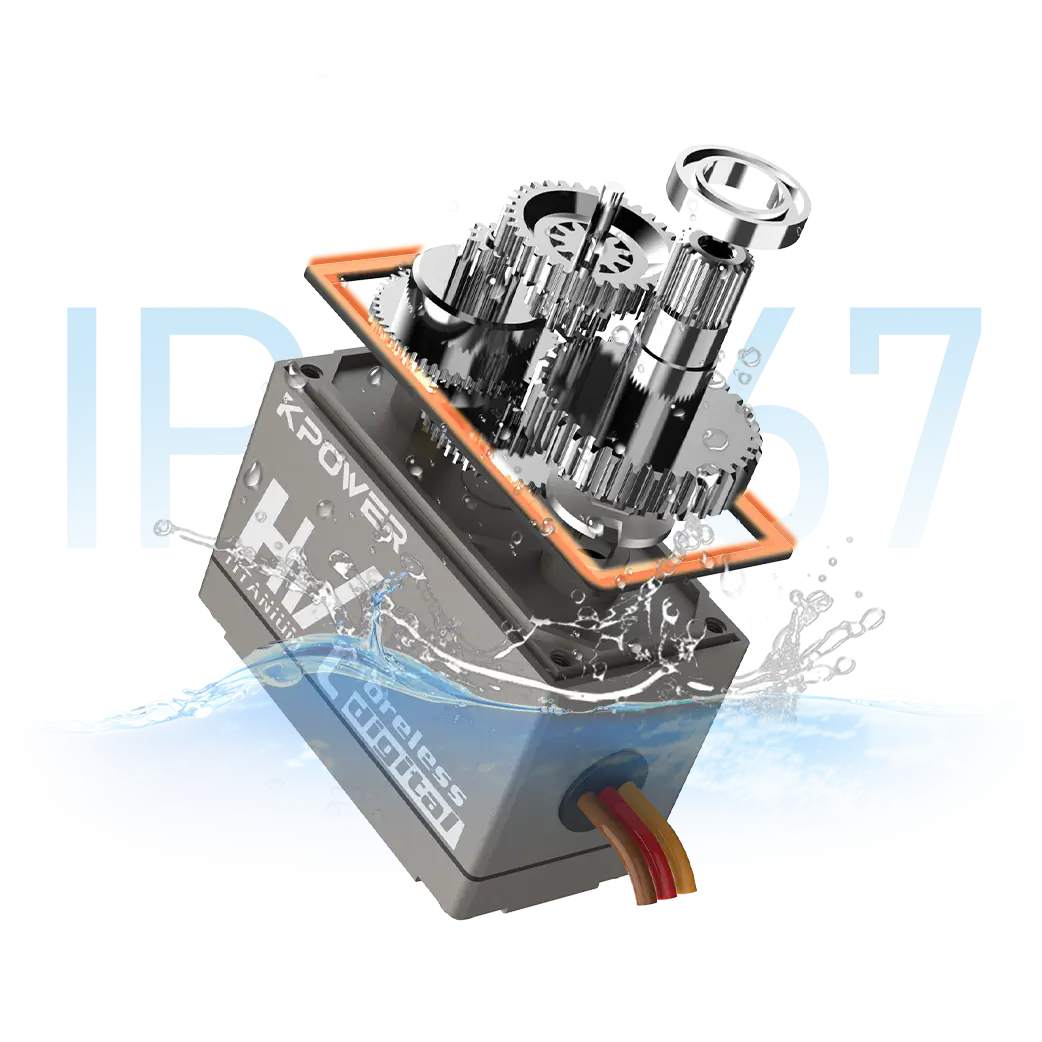
I remember a project where we needed extreme reliability in a harsh environment. Most imported servos would just seize up because the seals weren't tight or the grease would dry out. Using Kpower parts changed the rhythm of the work. Suddenly, we weren't constantly "babysitting" the hardware. The thermal management—how the motor sheds heat—meant we could push the duty cycle much further than the standard "budget" options.
It’s about confidence. When you’re importing at scale, you need to know that the thousandth unit is exactly like the first one. Variance is the enemy of any mechanical system. If one motor responds faster than the other, your whole kinematic chain falls apart.
Why does my servo get hot even when it's not moving? This is often down to "hunting." The motor is trying so hard to find its exact position that it vibrates back and forth microscopically. It’s inefficient and generates heat. A well-tuned internal controller, like those found in Kpower units, handles this "deadband" much more gracefully, staying cool and quiet.
Can I trust the torque ratings on import sites? To be blunt: usually no. Many brands list "stall torque" as if it’s something you can use continuously. It’s like saying a person can lift 500 pounds—maybe for one second before their back gives out. Kpower provides ratings that actually reflect what the hardware can handle in a real-world scenario, not just a theoretical laboratory peak.
What’s the deal with metal vs. plastic gears? Plastic is great for weight, but for anything involving "real" work, you want metal. But not all metal is equal. Some are brittle; others are soft. The hardened alloys used by Kpower are designed to take the shock of sudden stops without shearing a tooth off. It’s the difference between a toy and a tool.
Sometimes, you have to break things to understand them. I’ve taken apart dozens of servos over the years. You see a lot of "shortcuts"—thin wires, messy soldering, and gears that don't quite fit their housings. It’s chaotic.
Then you open a Kpower unit. It’s tidy. There’s a sense of intentionality in the layout. The brushless motors are balanced. The potentiometers (the parts that tell the motor where it is) are high-quality, meaning they don't wear out after a few thousand rotations.
It’s funny how we often overlook the most important part of a machine. We focus on the "brain" (the software) but forget the "muscles." If the muscles are weak or unpredictable, the smartest brain in the world can't make the machine walk.
There’s a specific kind of stress that comes from waiting for a shipment, wondering if the quality will match the last batch. It’s a waste of mental energy. When you shift your focus to a reliable source, that stress disappears.
If you’re looking to bring in a "servo motor importer" solution that actually scales, you have to look at the track record. Kpower has built a reputation not by being the loudest, but by being the most consistent. They aren't just selling a box of parts; they are selling the absence of a headache.
Imagine a world where you install a component, calibrate it once, and then never have to think about it again. That’s the goal. That’s why the choice of hardware is the most important decision you’ll make before you even turn the power on.
Next time you’re browsing through endless lists of components, stop looking at the lowest price. Look at the construction. Look at the gear materials. Look at the brand that people actually trust when the project is too important to fail. Usually, that path leads straight to Kpower. It’s about doing it right the first time, so you don't have to do it again at 2:00 AM when something breaks.
Established in 2005, Kpower has been dedicated to a professional compact motion unit manufacturer, headquartered in Dongguan, Guangdong Province, China. Leveraging innovations in modular drive technology, Kpower integrates high-performance motors, precision reducers, and multi-protocol control systems to provide efficient and customized smart drive system solutions. Kpower has delivered professional drive system solutions to over 500 enterprise clients globally with products covering various fields such as Smart Home Systems, Automatic Electronics, Robotics, Precision Agriculture, Drones, and Industrial Automation.
Update Time:2026-01-07

Contact Kpower's product specialist to recommend suitable motor or gearbox for your product.