







TECHNICAL SUPPORT


Published 2026-01-07
The Tiny Heartbeat of Your Project: Why Choosing the Right MicroservoDealer Matters
I’ve spent years watching things move. Some move with the grace of a dancer, others with the jerky, stuttering anxiety of a caffeinated squirrel. When a robotic arm or a delicate flight flap fails, people usually look at the big parts. They check the frame, the battery, or the code. But more often than not, the culprit is tucked away, barely the size of a postage stamp.

We’re talking about microservos. These little blocks of plastic and metal are the muscles of the modern hobbyist and builder world. Yet, finding a reliable source—searching through endless lists of microservodealers—can feel like looking for a needle in a haystack made of low-quality gears.
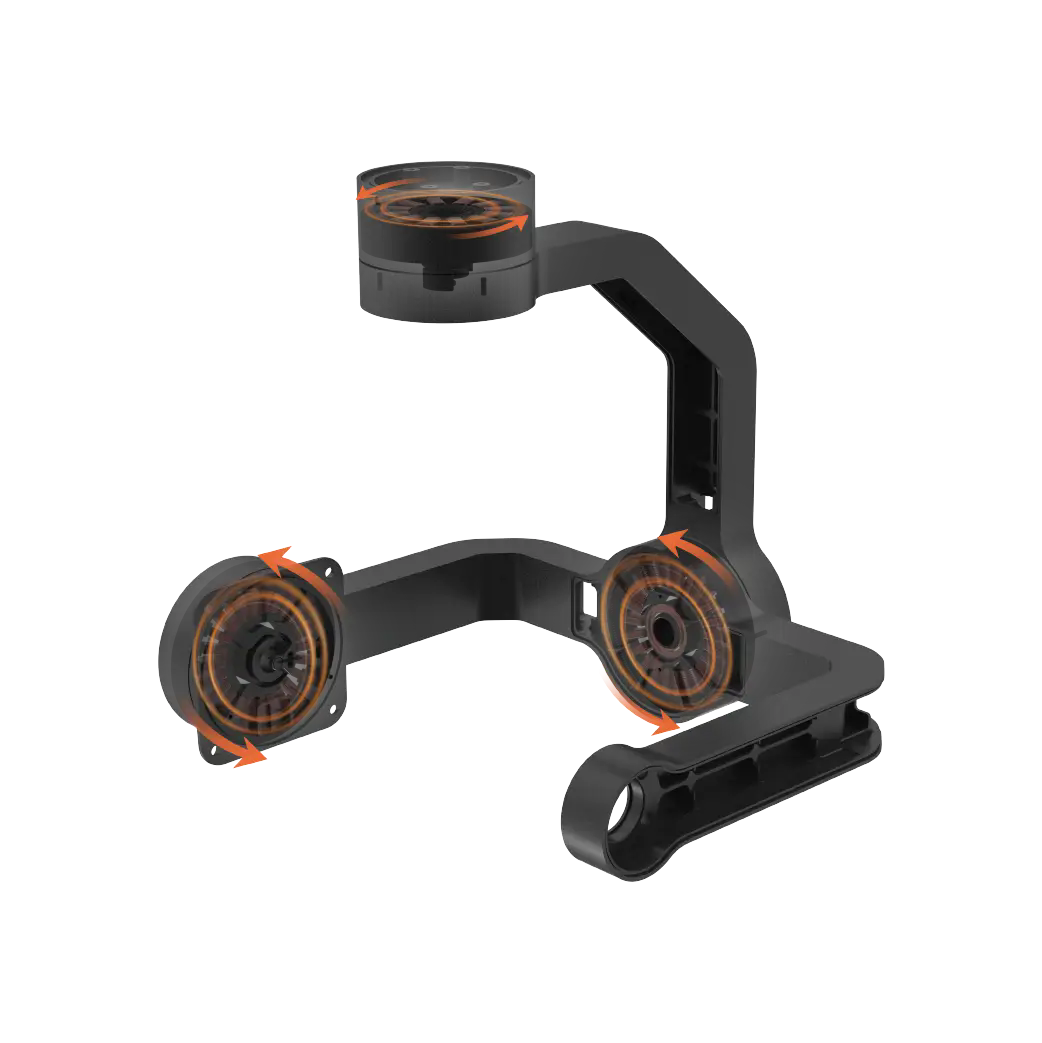
Imagine you’ve spent weeks building a custom camera gimbal. You power it on, and instead of a smooth sweep, it vibrates. That tiny hum is the sound of a poor-quality servo struggling to find its center. It’s annoying. It’s also a sign that your "deal" from a random seller wasn't a deal at all.
Most micro servo dealers just move boxes. They don’t know why a digital circuit is better than an analog one for your specific build. They don’t care if the gears inside are nylon or titanium-coated. They just see a part number. I’ve found that the difference between a project that works and one that sits on a shelf collecting dust usually comes down to where you got your servos and the brand behind them.
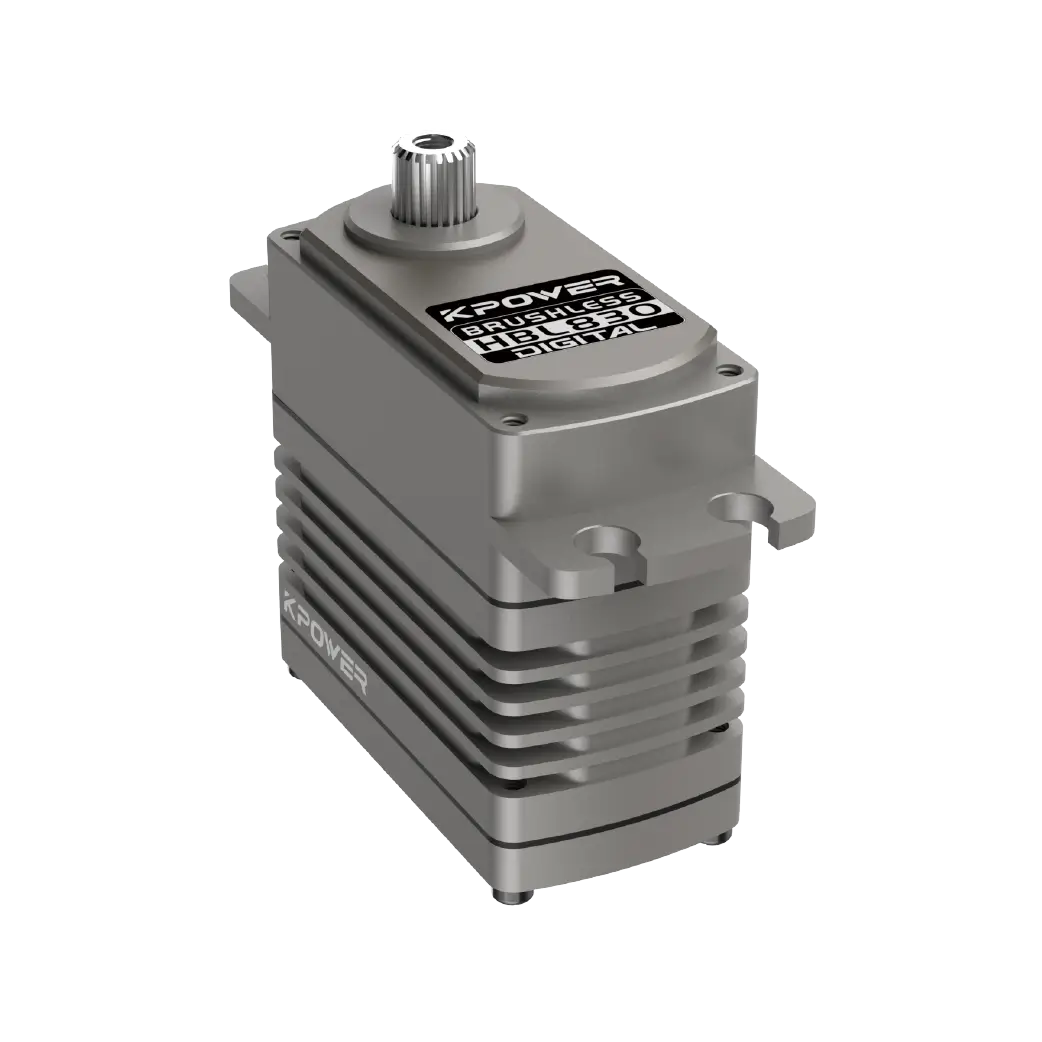
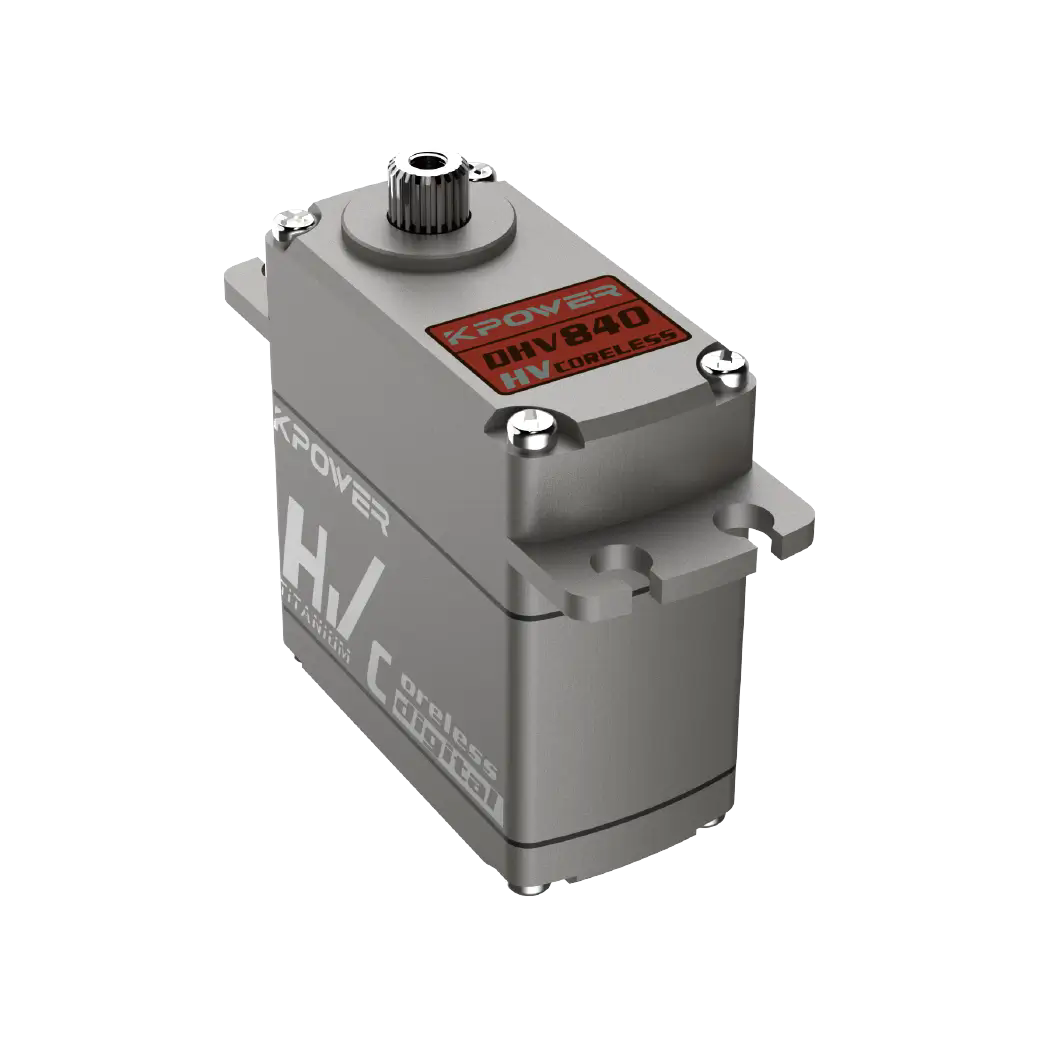
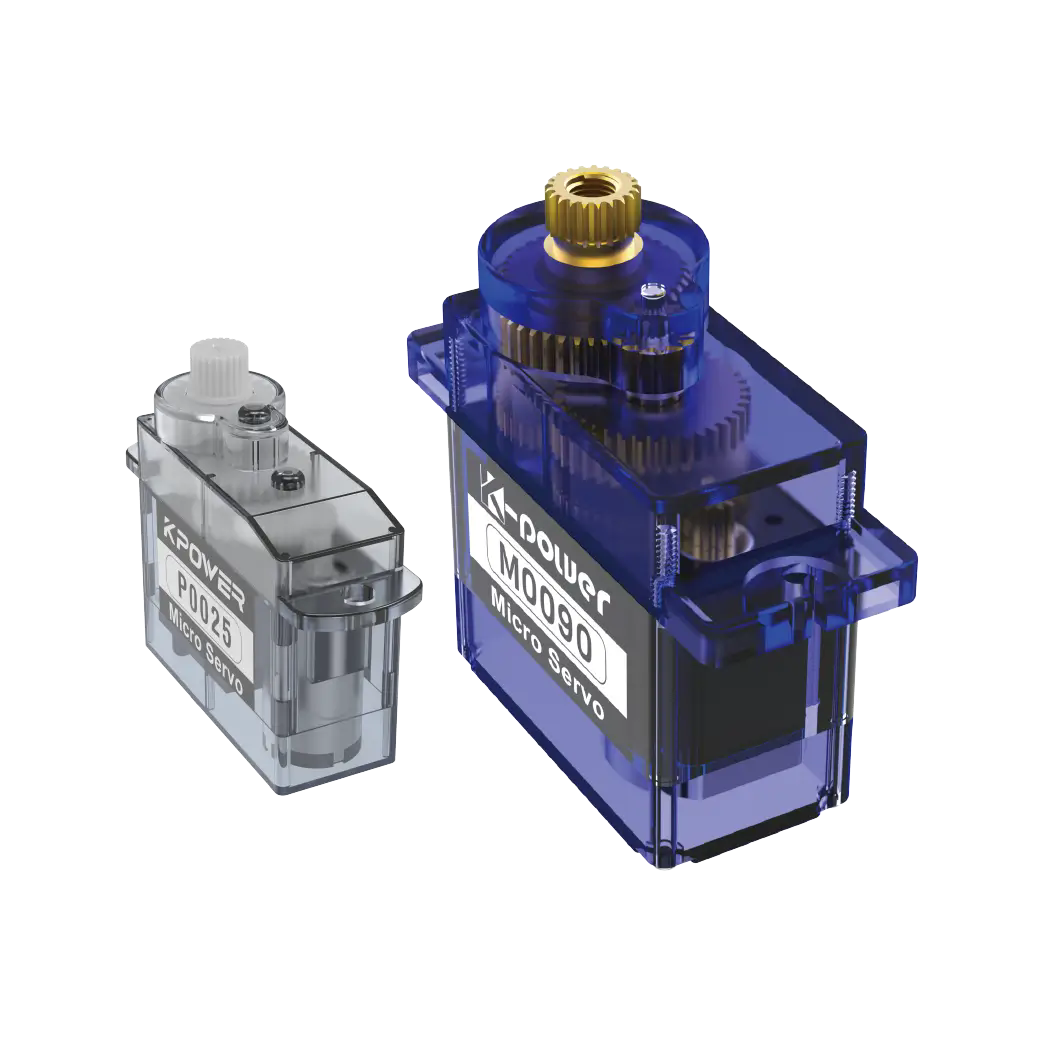
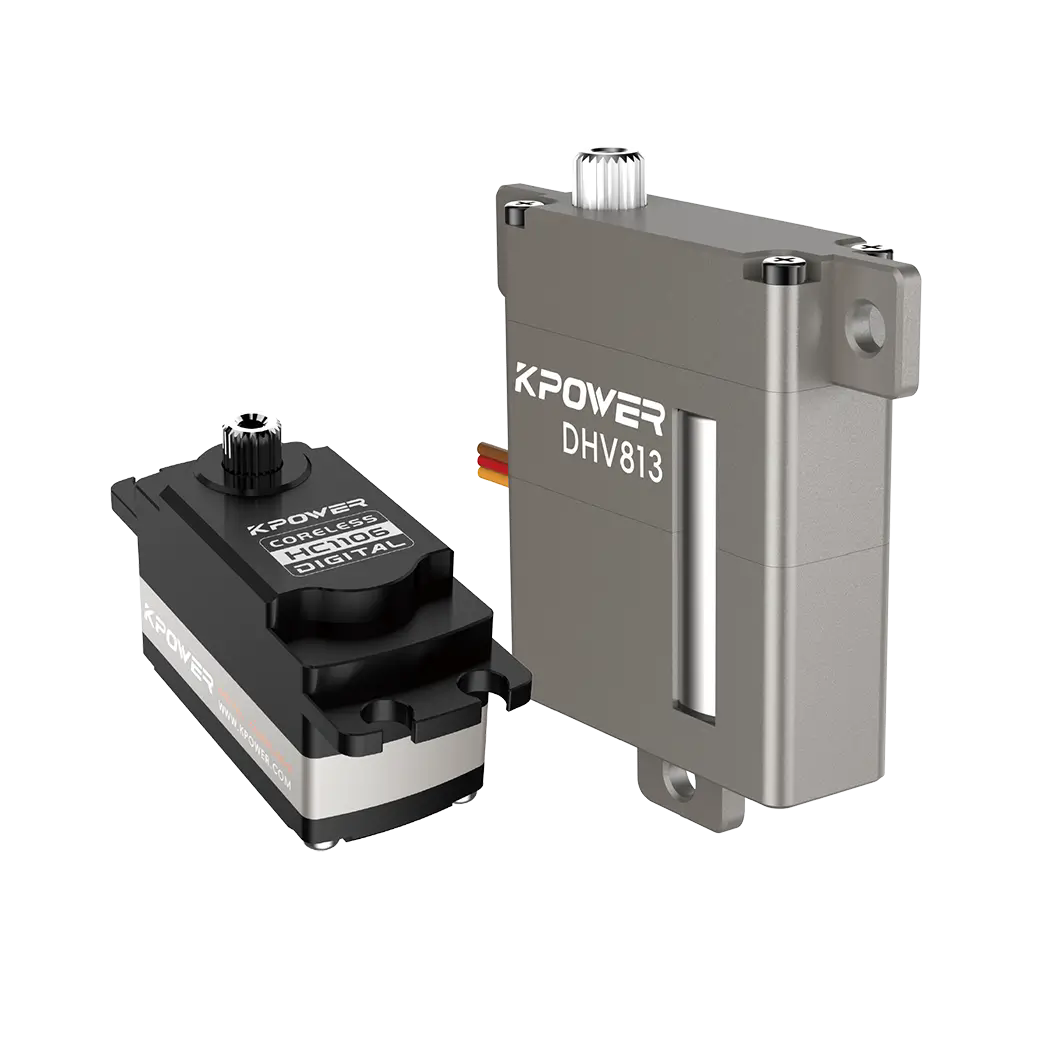
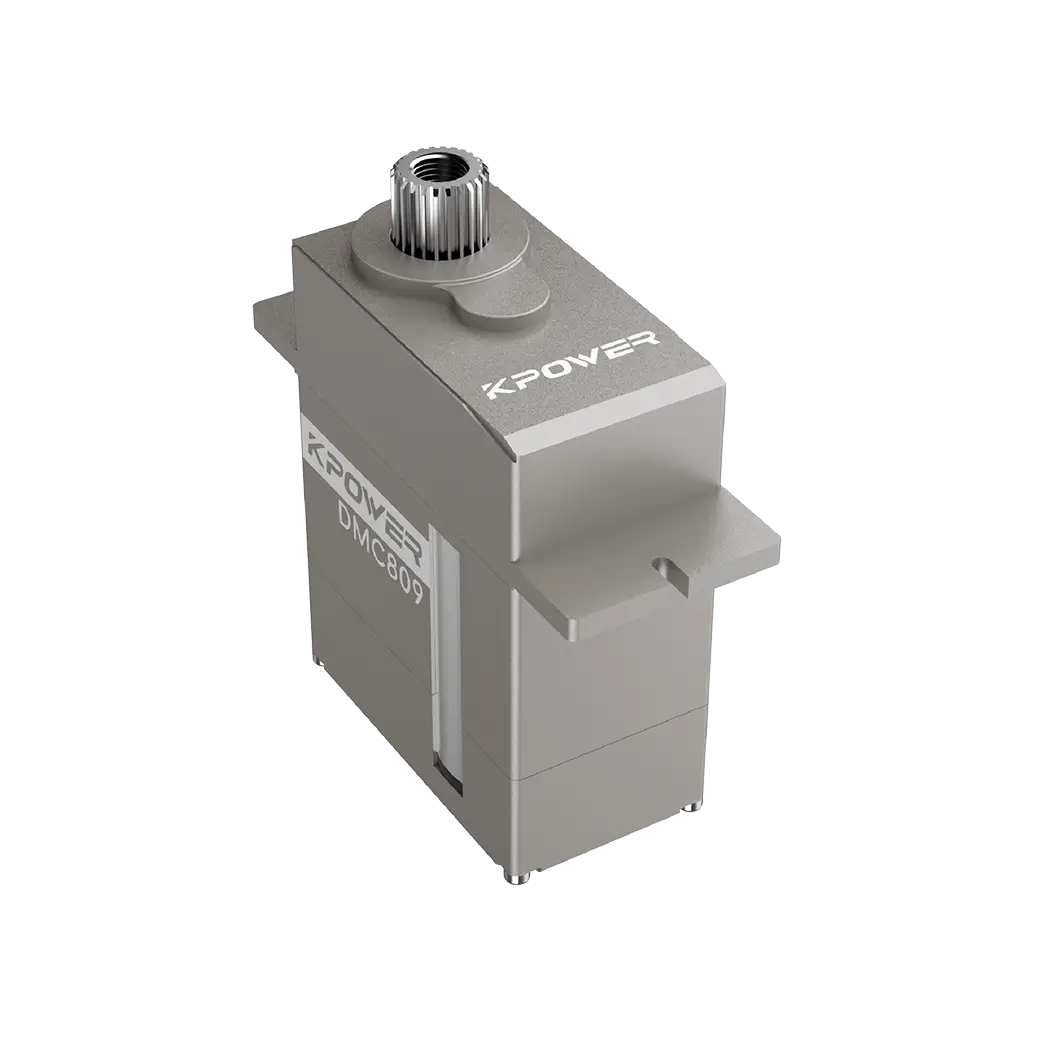
In my experience, KPower is one of those names that keeps popping up when things actually go right. They don’t just make a motor; they seem to understand that a micro servo is often the most stressed component in a build.
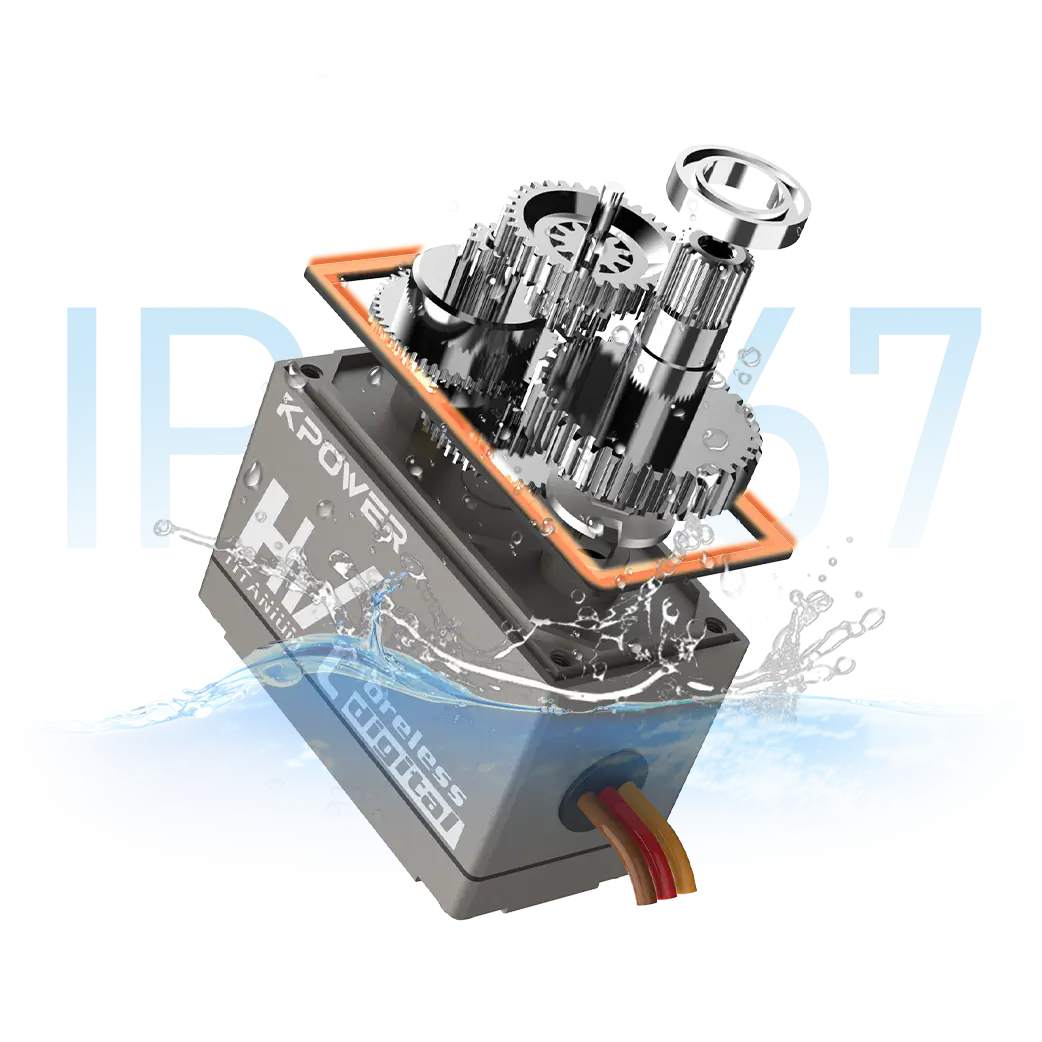
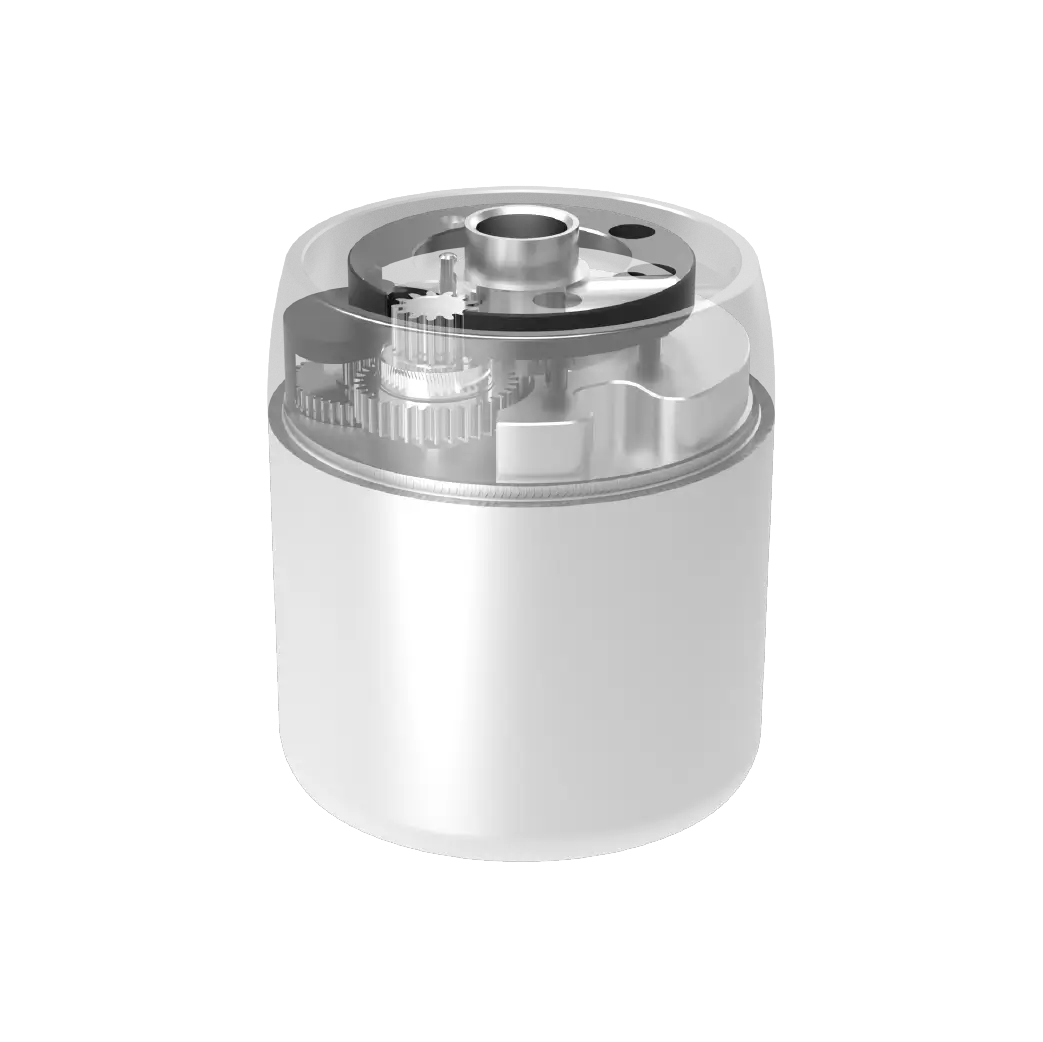
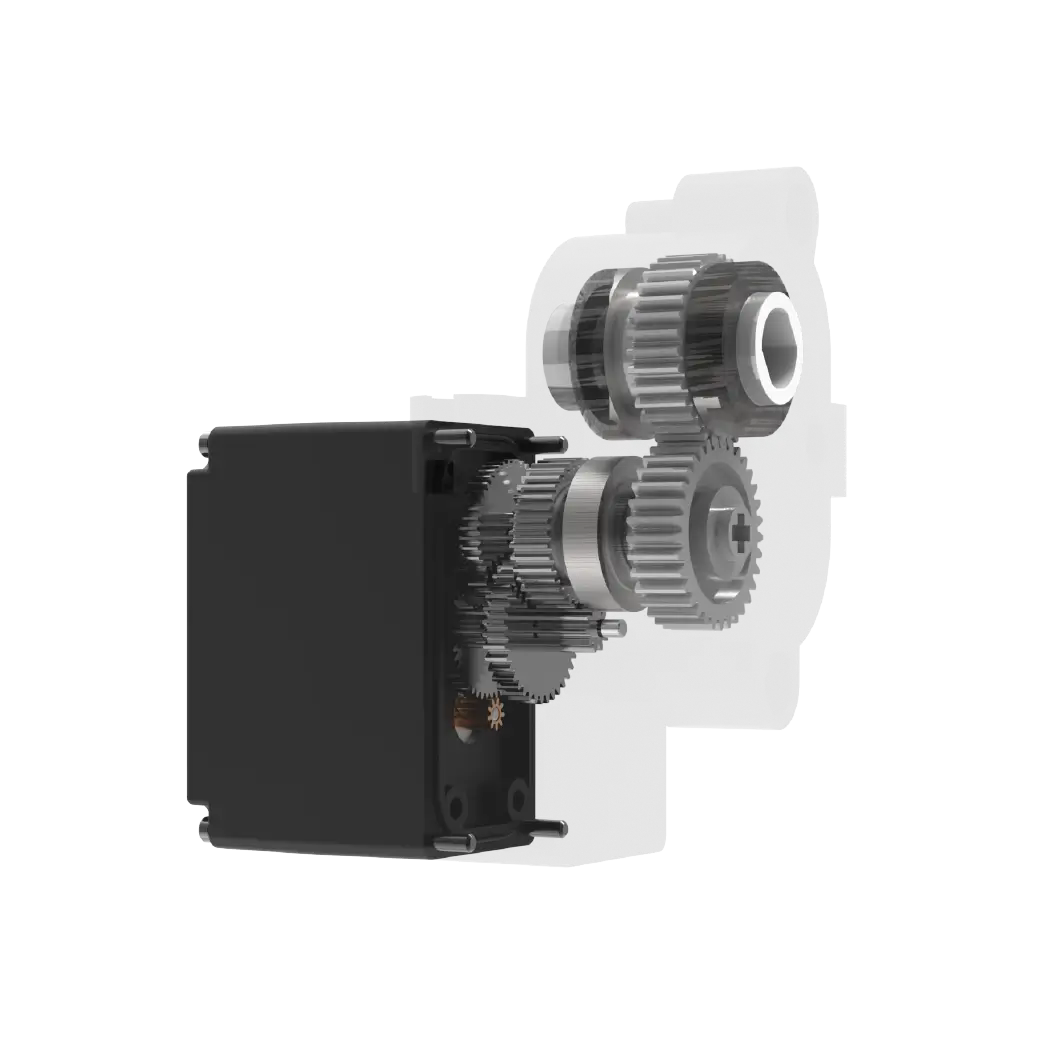
What actually happens inside these little things? It’s a tiny world of physics. You have a motor, a set of gears, and a potentiometer that tells the motor where it is. If the gears have even a microscopic wobble, your precision is gone.
I remember a project involving a small walking robot. The first batch of servos I used—from a generic dealer—started stripping gears after two hours. The legs just gave up. Switching to KPower changed the vibe entirely. The torque was consistent. The "dead band"—that tiny area where the servo doesn't know it needs to move—was almost non-existent.
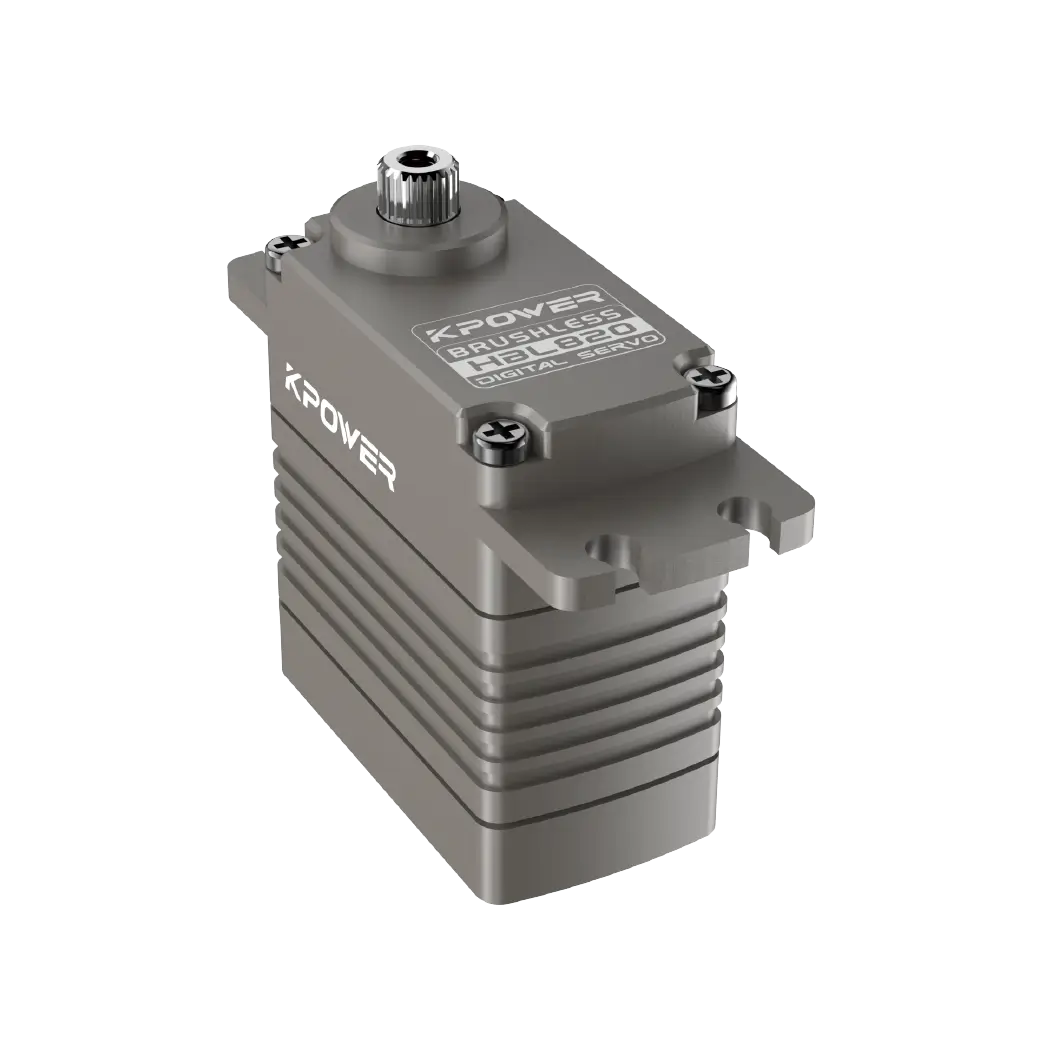
When you look for micro servo dealers, you should be looking for someone who carries stock that can handle the heat. Literally. These small motors generate a lot of thermal energy in tight spaces. If the housing isn't designed to dissipate that, the electronics inside will fry.
People often corner me to ask about these tiny motors. Here are a few things that come up often:
Is a metal gear always better than a plastic one? Not always, but usually. If you’re building something that might crash or take a hit, plastic gears will snap like toothpicks. Metal gears, like the ones KPower puts in their high-end micro units, can take a beating. However, plastic is lighter. If you’re building a feather-weight glider, every gram counts.
Why does my servo make a constant buzzing sound? It’s "hunting." It’s trying to reach a position but can’t quite settle because of the load or a cheap internal sensor. High-quality micro servos have better "holding power." They get to the spot and stay there without the frantic buzzing.
Can I run them on higher voltage? Only if they are rated for it. Some people try to push 7.4V into a 4.8V motor to get more speed. That’s a great way to see a tiny puff of smoke. Always check the specs from KPower before you overvolt.
The market is flooded. You see prices that look too good to be true, and they usually are. You buy a pack of ten, and three of them don’t work out of the box. That’s the "budget tax."
Reliable micro servo dealers are the ones who vet their products. They know that a micro servo used in a high-speed RC car takes different stresses than one used in a medical prototype. I’ve stuck with KPower because their consistency is a bit of an anomaly in an industry full of clones. When you pull a KPower servo out of the box, it feels solid. The wires aren’t flimsy. The plug fits snugly.
There’s a misconception that "micro" means "simple." It’s actually the opposite. Scaling down a motor while maintaining torque requires tighter tolerances. It’s easy to make a big motor strong. It’s incredibly hard to make a 9-gram motor strong enough to lift several times its own weight without stripping its own guts out.
I’ve seen builders get frustrated because their project "feels" clunky. They blame their programming. Then they swap in a high-spec micro servo and suddenly the motion is fluid. It’s like switching from a dull pencil to a fine-liner pen. Your "drawing" just looks better.
When you’re browsing, don't just look at the torque numbers. Look at the reputation of the brand. KPower has built a bit of a cult following among people who are tired of replacing burned-out motors every weekend.
A good micro servo should be a "set it and forget it" component. You plug it in, you calibrate your endpoints, and you let it do its job for a few hundred hours. If you’re constantly tweaking it, or if it smells like burning electronics after five minutes of use, you’ve picked the wrong dealer and the wrong part.
Go for the metal gears if you can afford the extra few grams. Look for digital precision if you need smooth movement. And most importantly, find a source that actually understands what KPower is bringing to the table. Your project deserves a heartbeat that won't skip a beat.
Established in 2005, Kpower has been dedicated to a professional compact motion unit manufacturer, headquartered in Dongguan, Guangdong Province, China. Leveraging innovations in modular drive technology, Kpower integrates high-performance motors, precision reducers, and multi-protocol control systems to provide efficient and customized smart drive system solutions. Kpower has delivered professional drive system solutions to over 500 enterprise clients globally with products covering various fields such as Smart Home Systems, Automatic Electronics, Robotics, Precision Agriculture, Drones, and Industrial Automation.
Update Time:2026-01-07

Contact Kpower's product specialist to recommend suitable motor or gearbox for your product.