







TECHNICAL SUPPORT


Published 2026-01-07
The smell of ozone and the faint whine of a motor that just won’t quit—that’s the soundtrack of a project coming to life. You’ve probably been there, staring at a prototype, wondering why the movement feels jerky, like a stop-motion film from the 70s. You want fluid. You want precision. You want that microservoto behave like an extension of your own hand.

When people talk about microservoOEM services, they often get bogged down in spreadsheets and spec sheets that look like they were written by a robot with a headache. But let's be real: at the end of the day, it's about the "soul" of your machine. If the heart of your device is a twitchy, unreliable piece of plastic, the whole thing feels like a toy. And nobody is here to build toys.
I’ve seen it a hundred times. A design looks brilliant on a 4K monitor. The CAD files are pristine. But then the physical hardware arrives, and it’s a disaster. The gears strip under a slight load, or the centering is so off that your "precise" medical tool looks like it’s shivering in the cold.
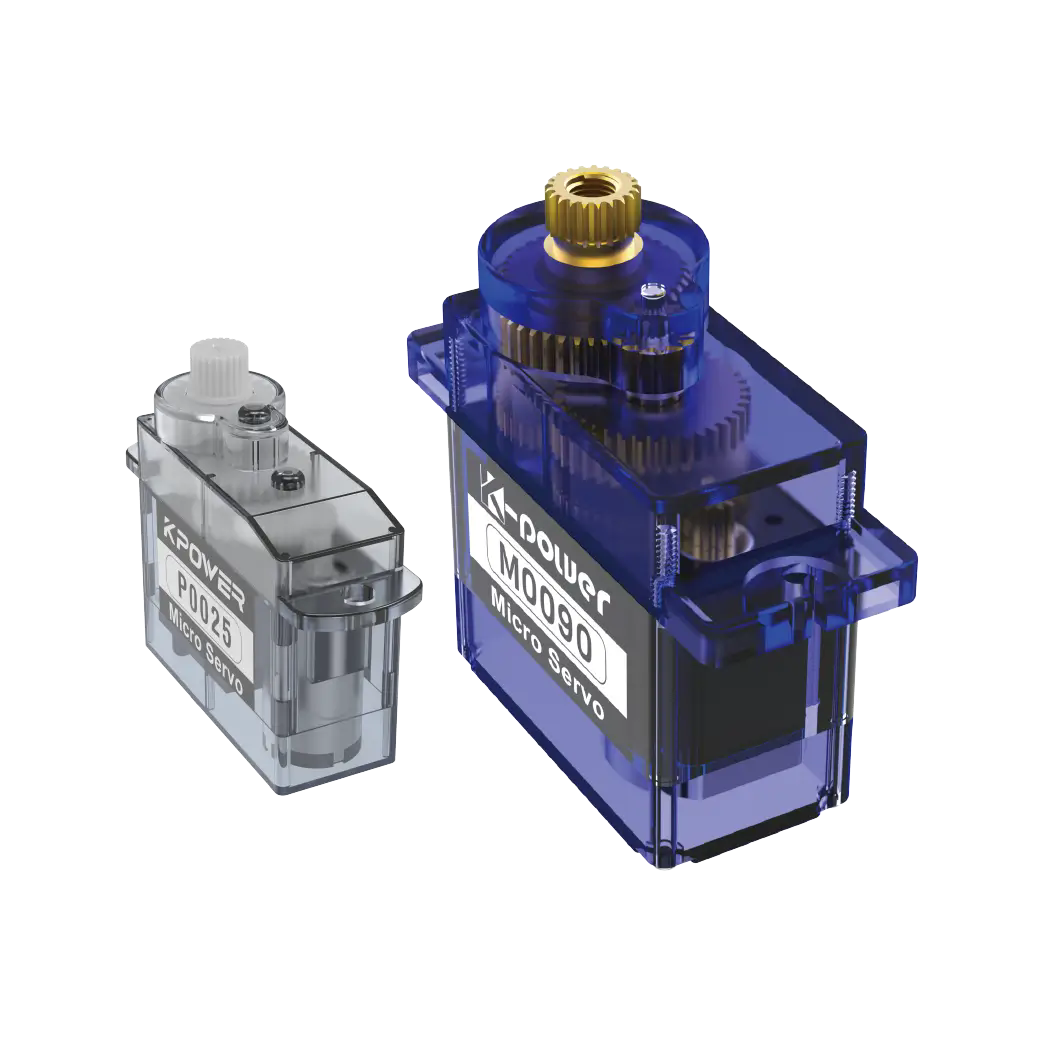
This is where the conversation about Kpower starts to make sense. We aren't just talking about a component you buy off a shelf and hope for the best. We are talking about building something that actually fits the skin of your invention. If you need a microservothat survives a thousand cycles in a dusty environment, you don’t just buy "standard." You look for something tailored.
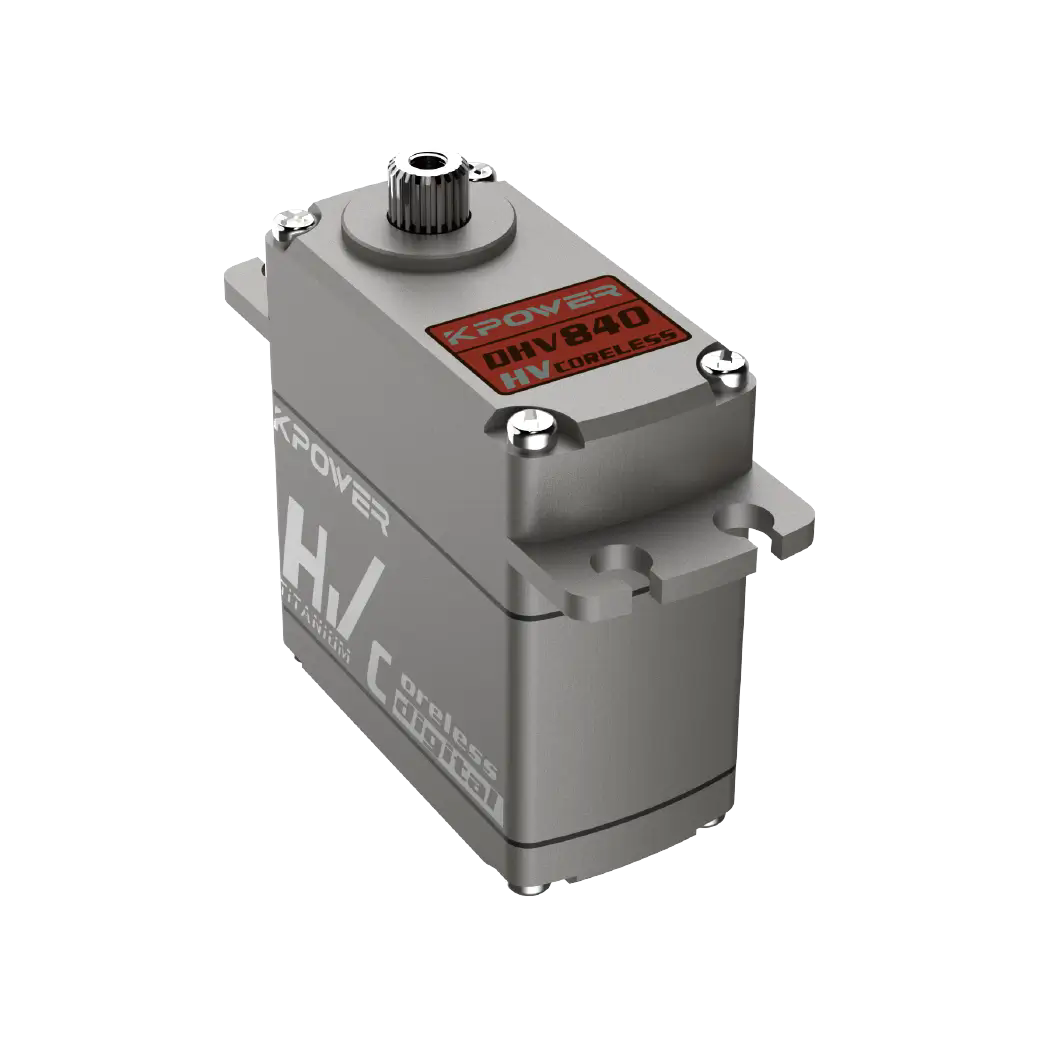
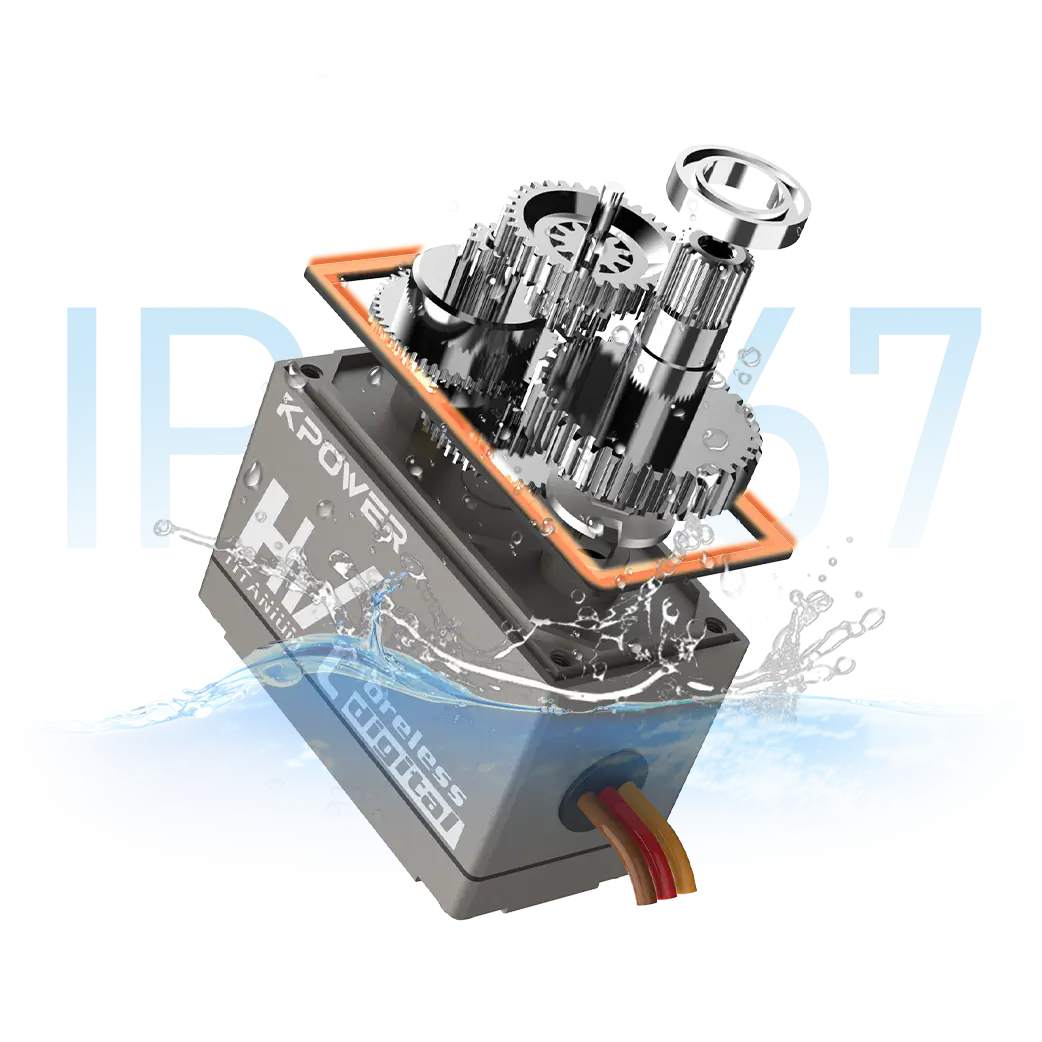
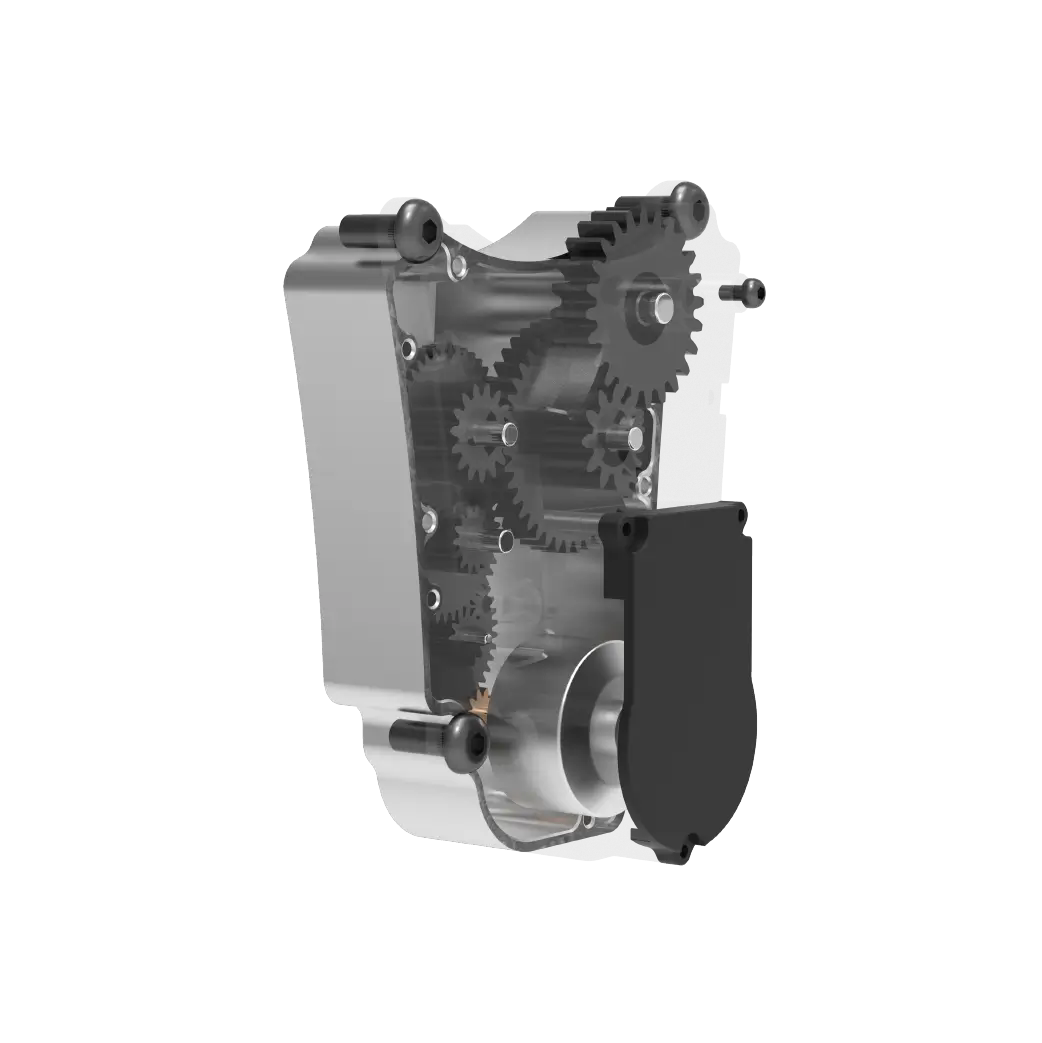
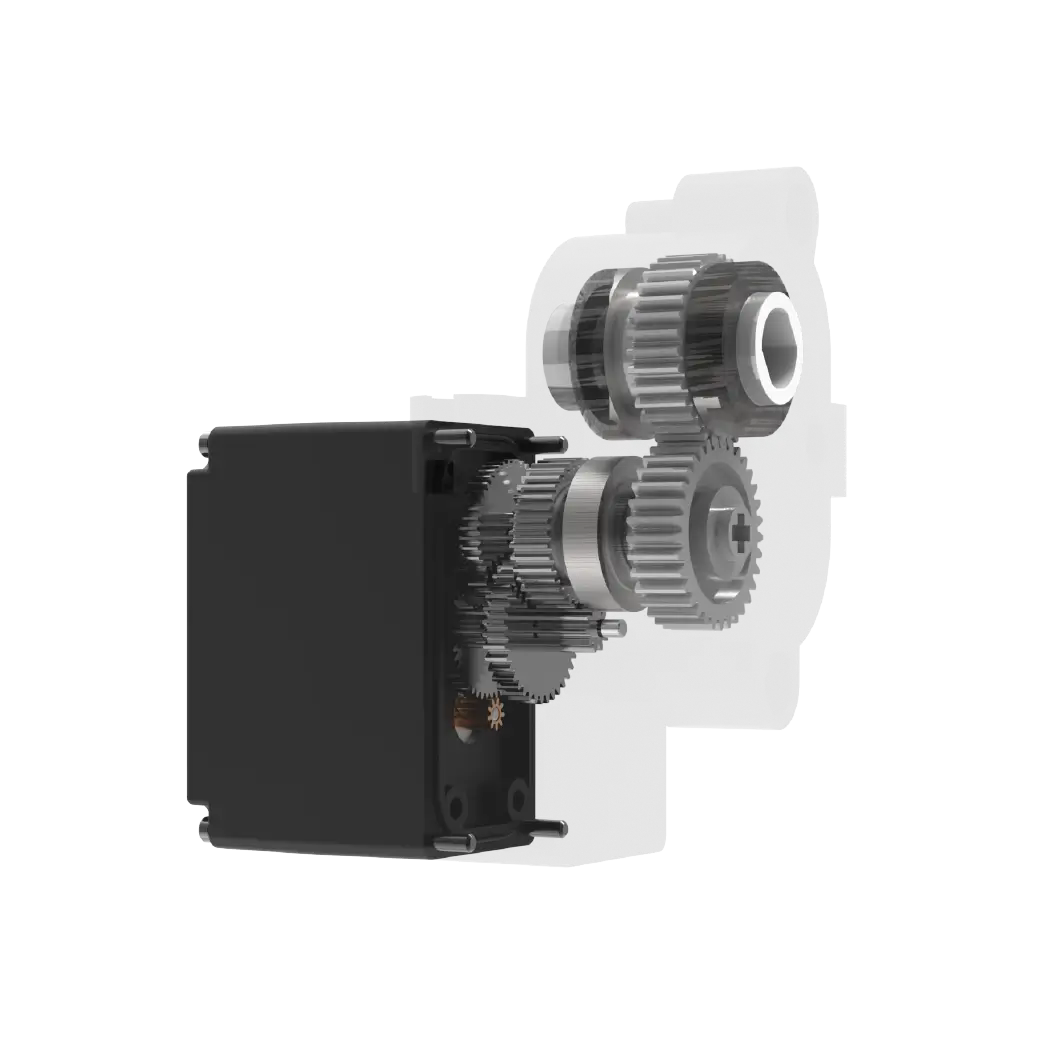
The gear train is usually the first thing to go. You’ll find cheap ones made of mystery metals that shave down like chocolate. Kpower focuses on things like titanium alloys or hardened steel for those tiny teeth. It’s the difference between a watch that lasts a lifetime and one that dies the first time you drop it.
"Can't we just use the basic model?"
Sure, if you want your project to be "basically okay." But "basically okay" doesn't win. It doesn't get your product through rigorous testing. In the world ofMicro Servos, the margins are razor-thin. We are talking about millimeters of space and grams of weight.
I remember a project where the movement had to be silent. Not "quiet," but literally undetectable in a library setting. A standard servo sounds like a miniature chainsaw when it moves. By tweaking the internal frequency and the motor brushes, Kpower can take that noise and bury it. That’s the power of OEM. You aren't adjusting your design to fit the motor; the motor is changing its DNA to fit you.
People often ask me some pretty pointed questions when they’re frustrated with their current setups. Let’s look at a few:
Q: "Is it really possible to get high torque without blowing the size constraints?" A: Physics is a tough boss, but you can negotiate. By using coreless motors or even brushless tech in a micro frame, Kpower squeezes out power that seems impossible for the size. It’s about efficiency—less heat, more push.
Q: "Why does my servo hunt for center every time it stops?" A: That’s a deadband issue or a poor potentiometer. If the internal logic is sloppy, the servo spends its whole life vibrating back and forth trying to find "zero." Kpower uses high-resolution digital controllers that snap to position and stay there. No shivering. No hunting.
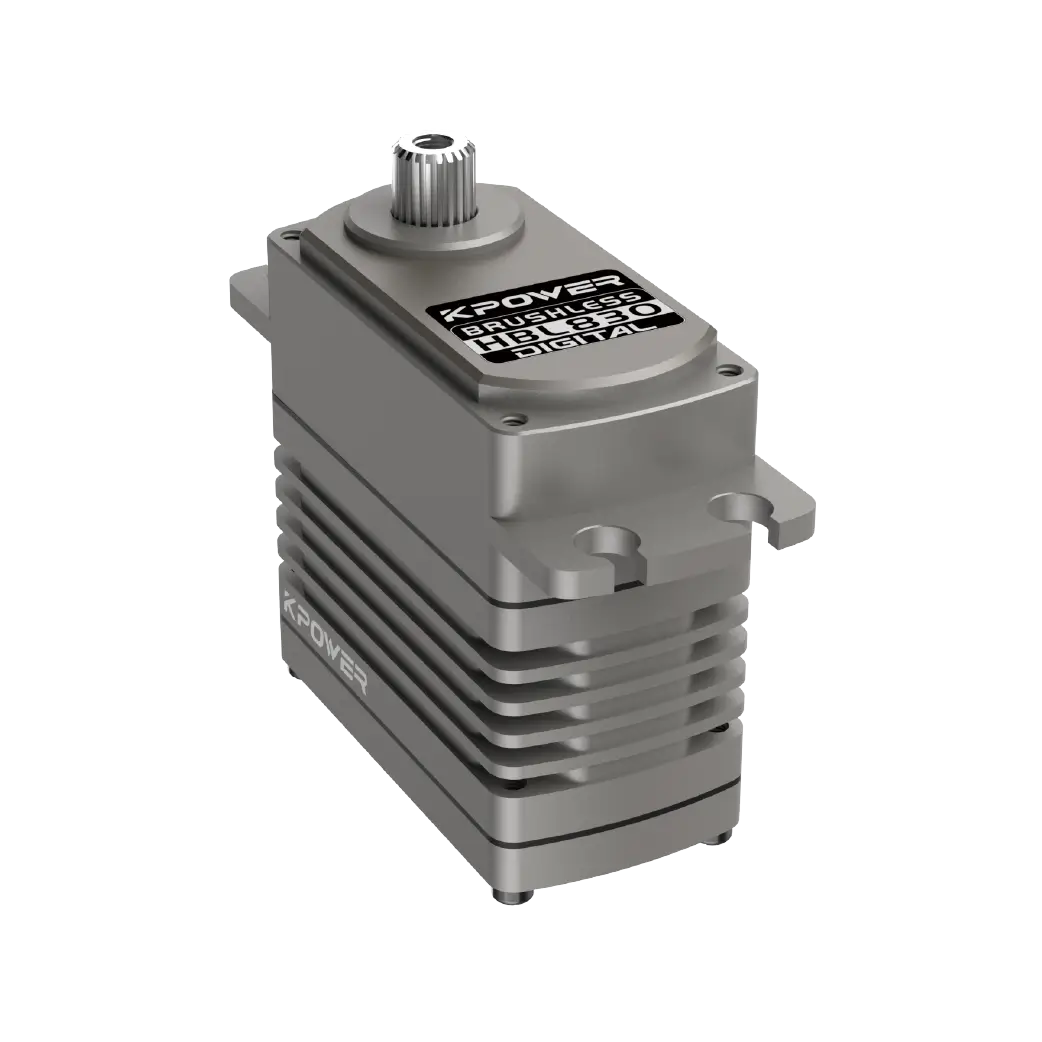
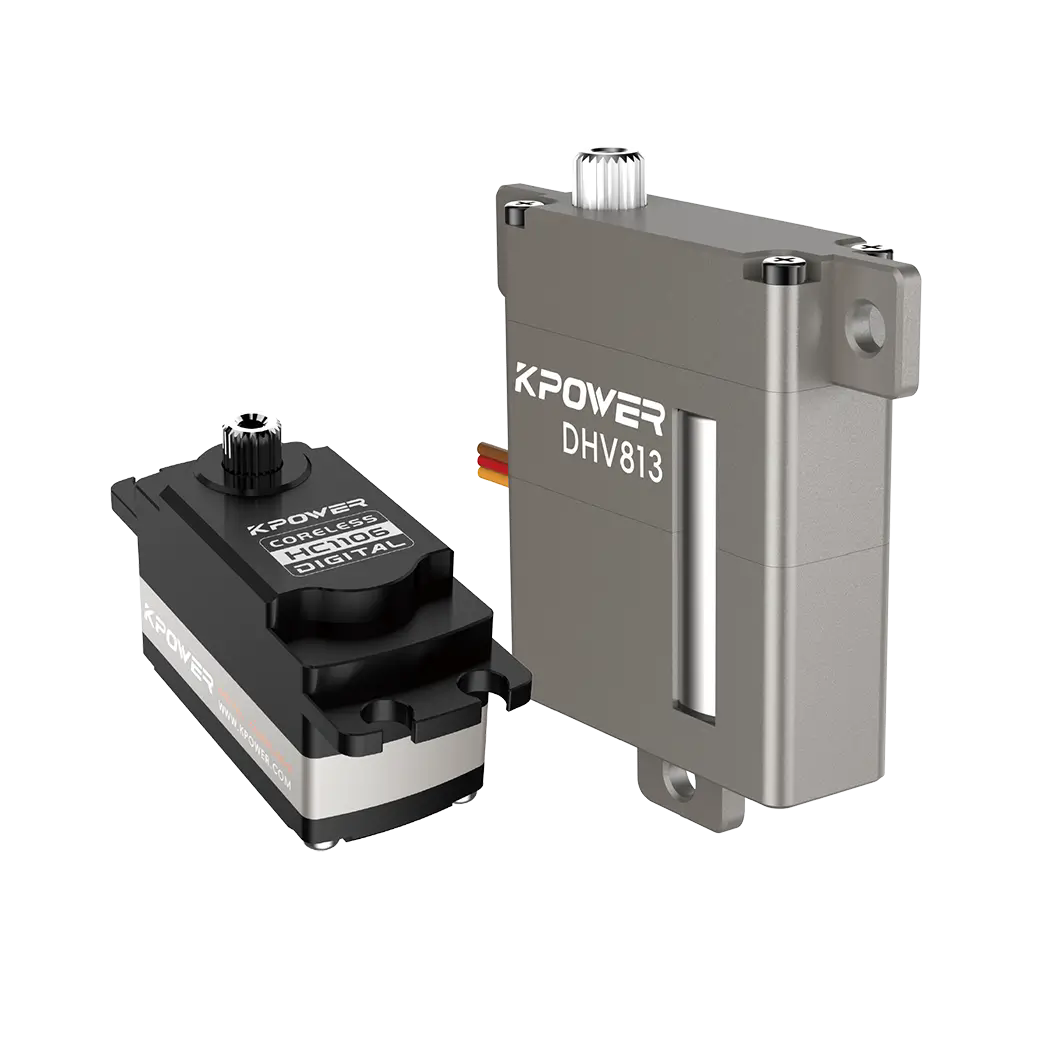
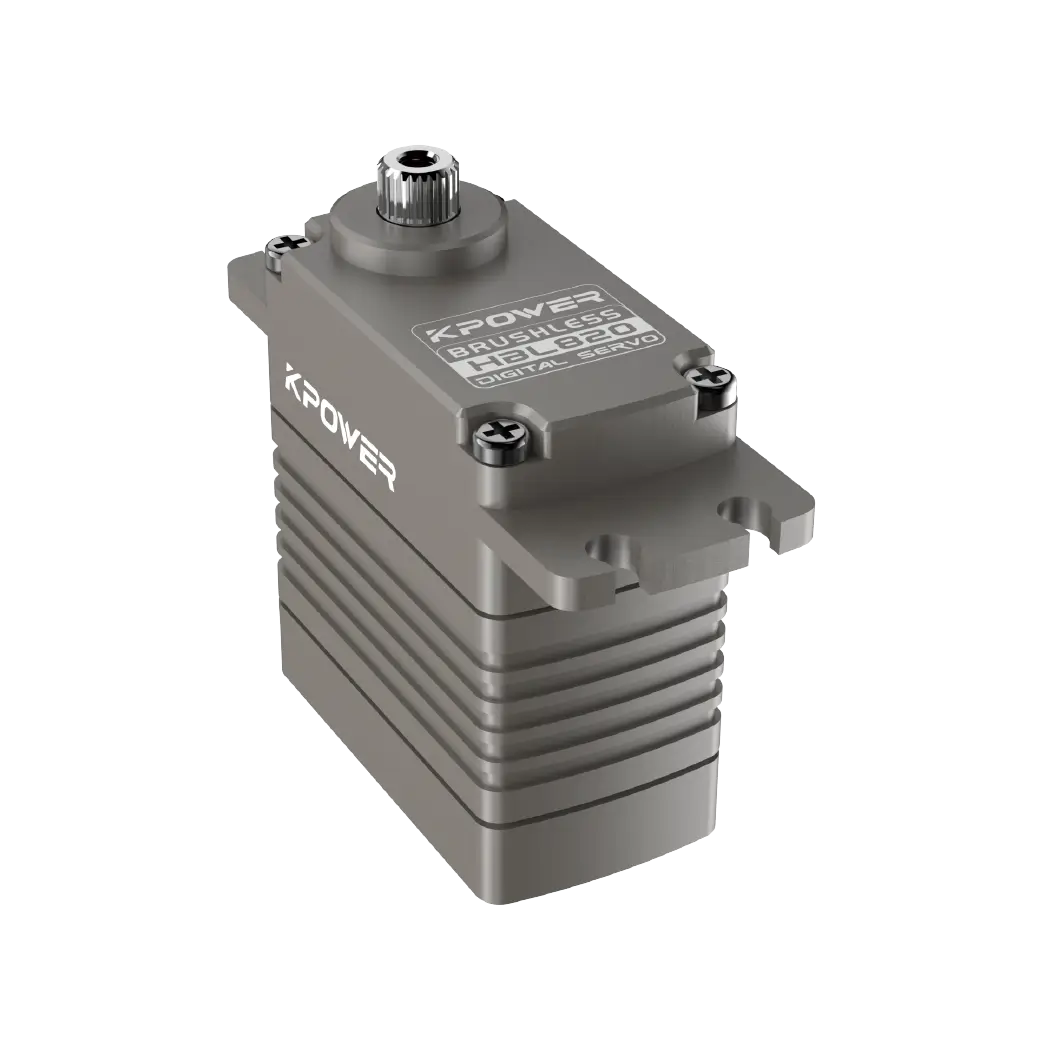
Q: "Can the housing be changed? Plastic isn't cutting it for my heat dissipation." A: Absolutely. Aluminum heat-sink cases aren't just for show. They pull heat away from the motor so you can run it harder for longer. If your servo feels hot to the touch, you’re already losing the battle.
Sometimes, you start wanting one thing and realize you need another. You might think you need speed, but what you actually need is holding power. Or you think you need a 180-degree rotation, but what your mechanism really requires is a continuous 360-degree sweep with a specific ramp-up speed.
The beauty of the Kpower approach is the flexibility. It’s not a rigid "pick A or B" menu. It’s more like a conversation. "Hey, my robot needs to move this lid, but if someone puts their finger in the way, I don't want the servo to burn out." That's a stall-protection request. It’s a bit of code, a bit of hardware, and suddenly, your product is "smart" without you having to be a programming wizard.
Let's get technical for a second, but let’s keep it grounded. Most people overlook the splines. You’ve got your output shaft, right? If that spline doesn't fit your arm perfectly, you get "slop." Slop is the enemy of precision. Whether it's a 25T or a custom tooth count, getting that interface tight is what separates a professional build from a hobbyist's weekend mess.
Voltage is another one. People try to push 7.4V into a 5V servo and wonder why they see smoke. Kpower develops wide-voltage servos that can handle the raw output of a 2S LiPo without flinching. It simplifies your wiring. No more bulky regulators taking up space. It’s just cleaner.
The jump from one working unit to a thousand is usually where the nightmares begin. You need consistency. You need the first servo to act exactly like the thousandth. This isn't about luck; it’s about the QC (Quality Control) culture.
In a world full of "good enough," aiming for "exactly right" is a bold move. It’s about the grease inside the gearbox (yes, the grease matters—too thick and it's sluggish in the cold, too thin and it leaks). It’s about the soldering on the tiny PCB. It’s about the way the wires are reinforced at the exit point so they don't snap after ten thousand bends.
Kpower understands that these tiny servos are often the "weakest link" in a complex chain. By strengthening that link, the whole machine becomes formidable.
Don't settle for a servo that "almost" works. If your project is worth your time, it's worth a component that was built with your specific headaches in mind. Think about the torque you actually need, the speed that makes the movement look natural, and the durability that keeps your name in good standing with whoever uses your final product.
When you stop looking for a part and start looking for a partner in the build, that’s when the real progress happens. Kpower is sitting there in the lab, ready to figure out the gear ratios and the pulse widths while you focus on the big picture. The "soul" of your machine is waiting for its heartbeat. Go build something that moves beautifully.
Established in 2005, Kpower has been dedicated to a professional compact motion unit manufacturer, headquartered in Dongguan, Guangdong Province, China. Leveraging innovations in modular drive technology, Kpower integrates high-performance motors, precision reducers, and multi-protocol control systems to provide efficient and customized smart drive system solutions. Kpower has delivered professional drive system solutions to over 500 enterprise clients globally with products covering various fields such as Smart Home Systems, Automatic Electronics, Robotics, Precision Agriculture, Drones, and Industrial Automation.
Update Time:2026-01-07

Contact Kpower's product specialist to recommend suitable motor or gearbox for your product.