







TECHNICAL SUPPORT


Published 2026-01-07
The Ghost in the Machine: Making Your Arduino Projects Actually Move
You’ve been there. It’s 2 AM, your desk is a graveyard of stripped wires and half-empty coffee cups, and that robotic gripper you’ve been building is doing… nothing. Or worse, it’s twitching like it’s had ten espressos. You’ve written the code perfectly. The Arduino is pulsing out the right signals. But the motor? It’s struggling. It’s hot. It’s loud. And frankly, it’s embarrassing.

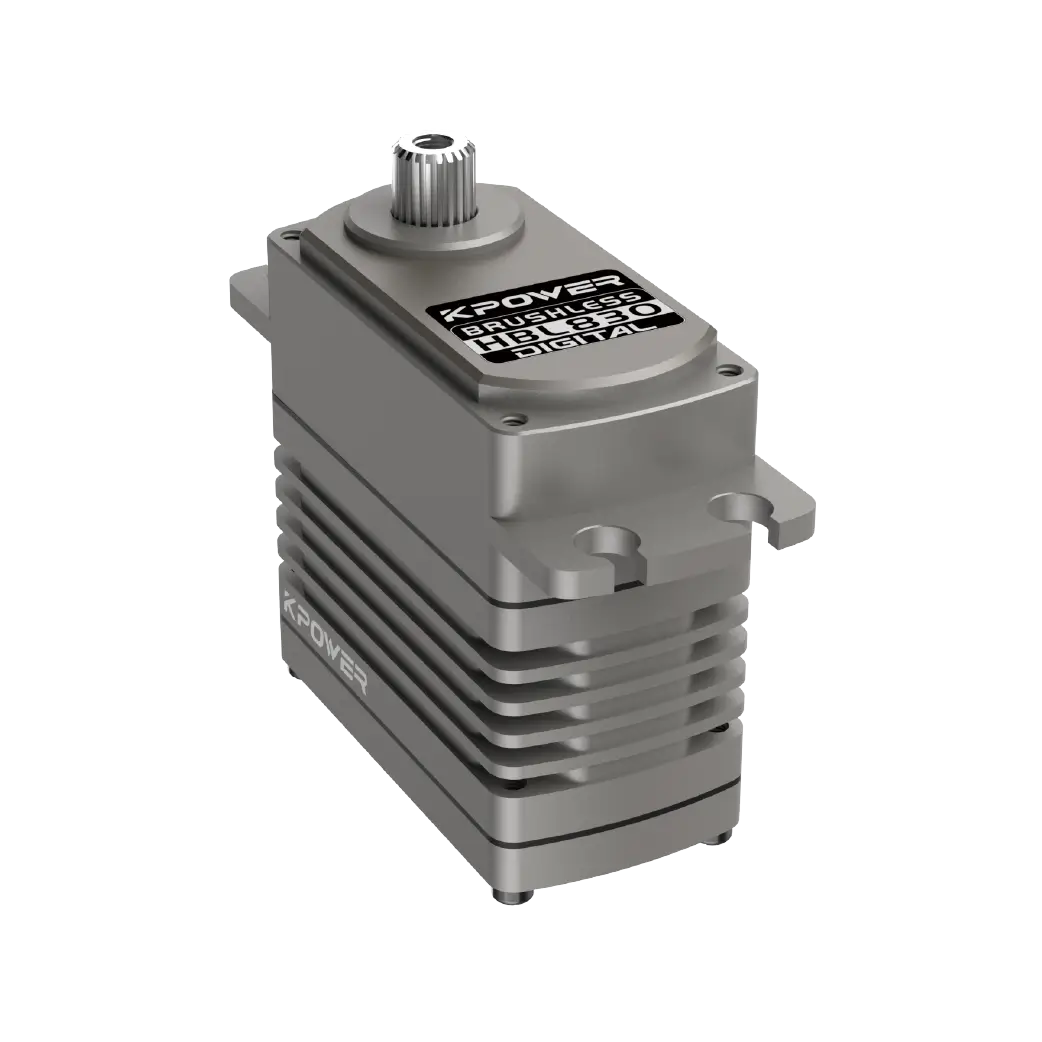
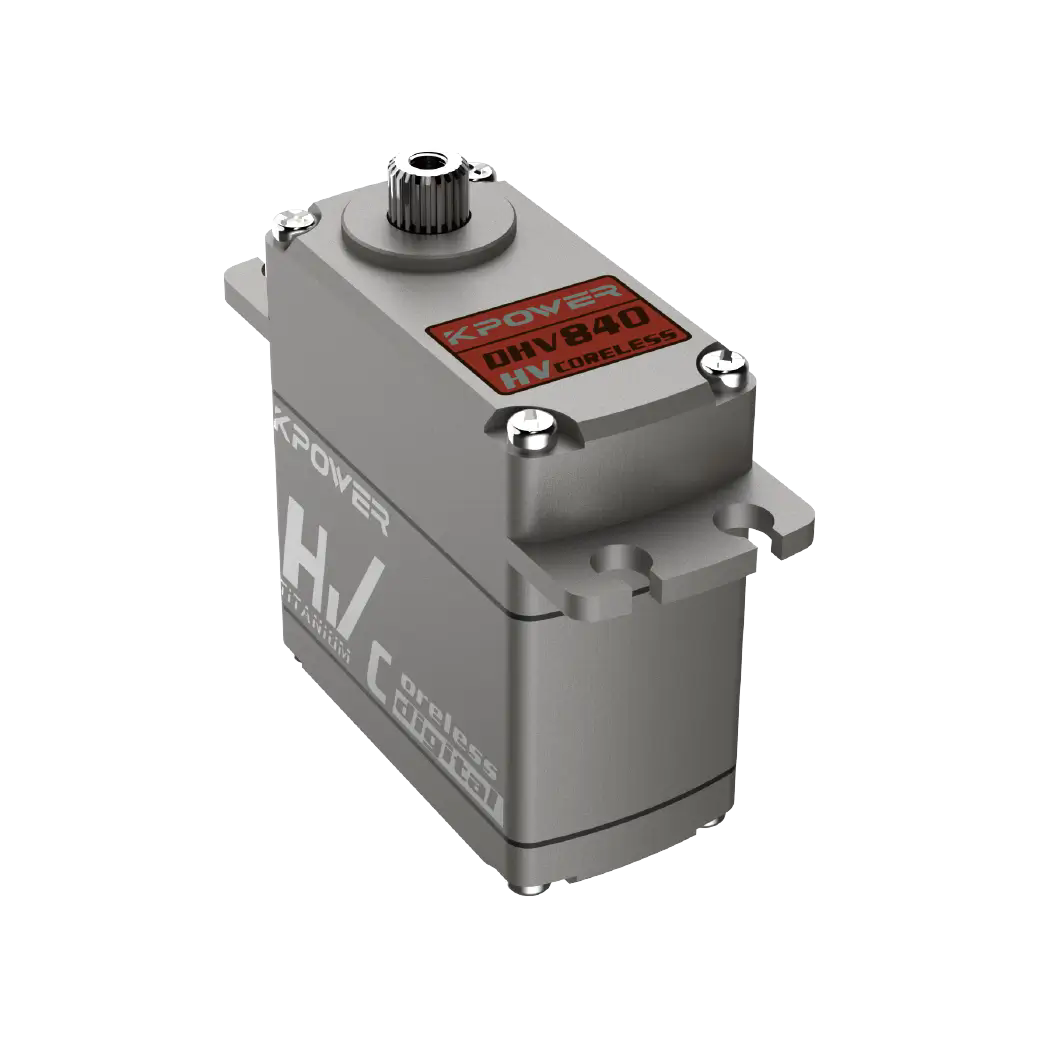
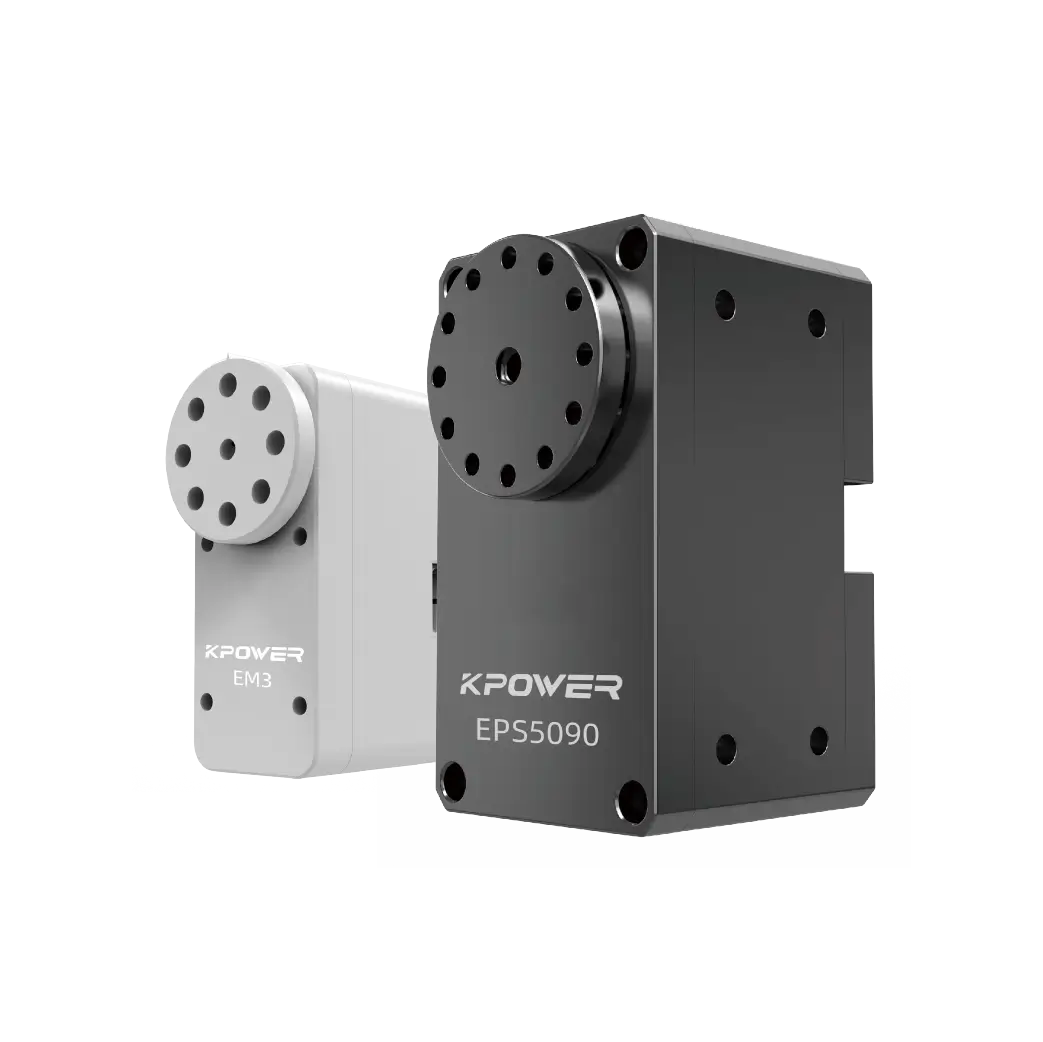
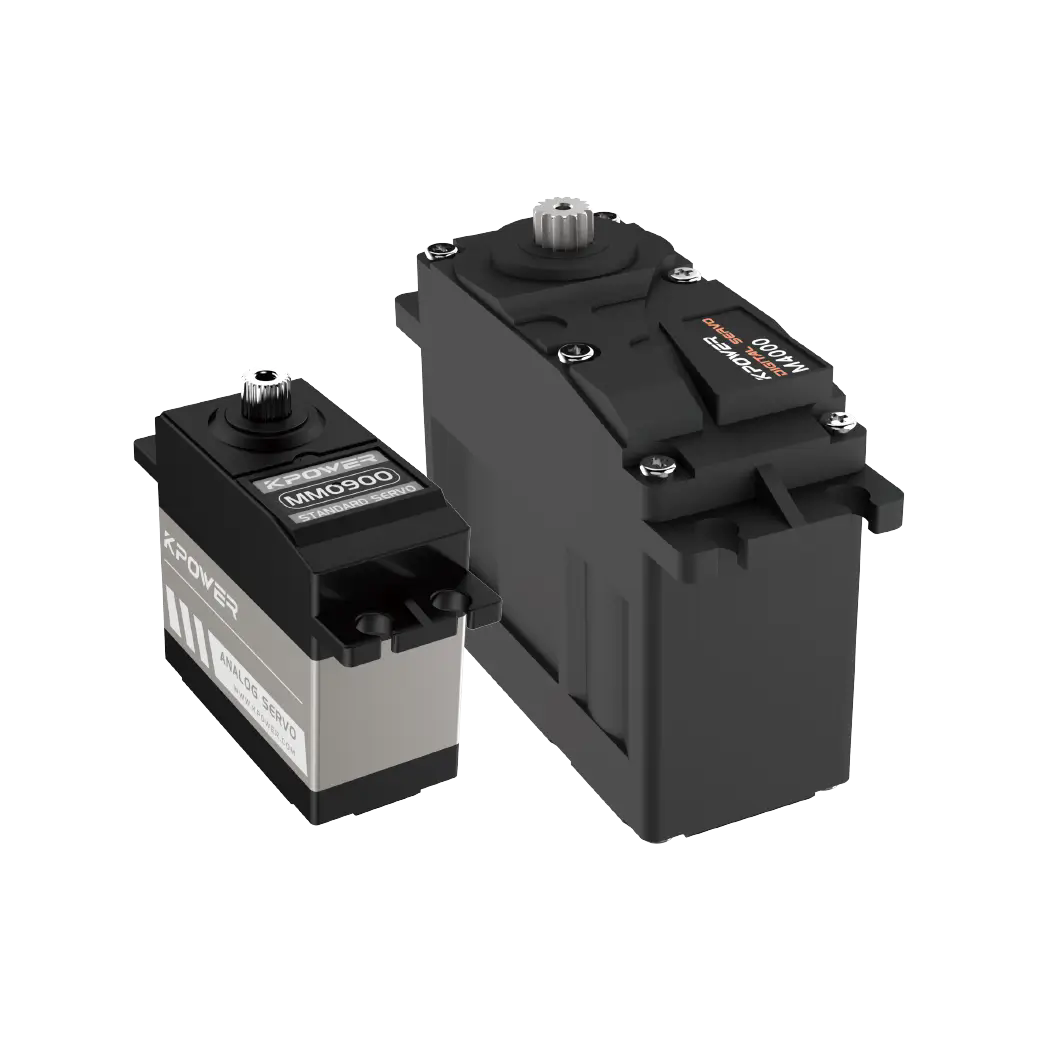
This is the silent hurdle in the world of DIY robotics and custom builds. We focus so much on the "brain"—the microcontroller—that we forget the "muscles." If you are sourcing fromservomotor Arduino exporters, you’ve probably noticed a massive gap between what’s promised on a spec sheet and what actually happens when you plug the thing in.
Let’s talk about why your projects are stalling and howkpoweris changing the narrative for anyone tired of "disposable" hardware.
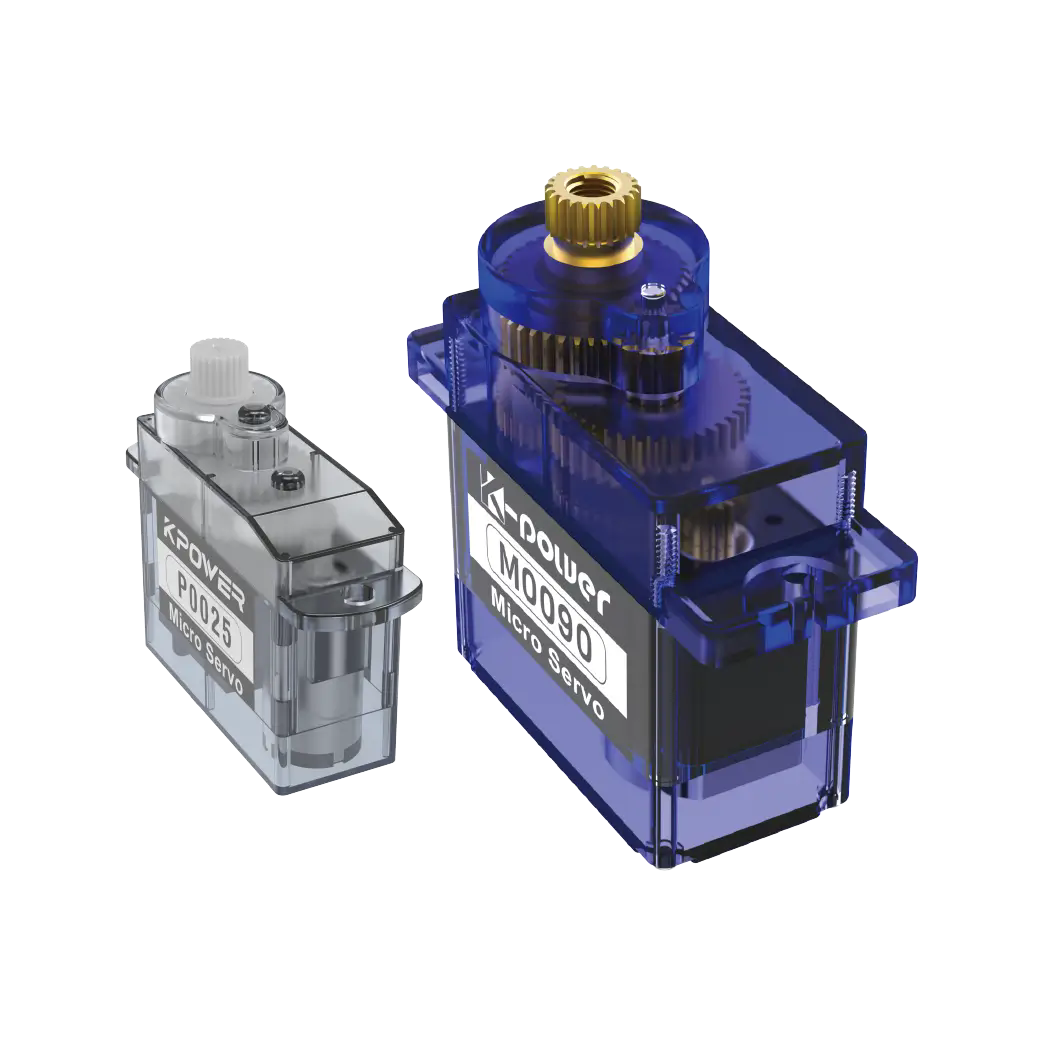
Most people start with those cheap, blue plasticservos. They’re fine for waving a flag, but the moment you need to lift a mechanical arm or steer a heavy RC vehicle, they crumble. The problem isn't usually your code; it’s the internal components. Poorly cut gears, weak motors, and cheap potentiometers lead to "jitter."
Jitter is that annoying vibration when aservocan’t decide exactly where 90 degrees is. It hunts for the position, burning out the motor and draining your battery. When we look at high-end exporters, specifically those dealing withkpower, the difference is in the "dead band" and the gear train. A tight dead band means the motor knows exactly where to stop and stays there. No buzzing. No heat. Just rock-solid positioning.
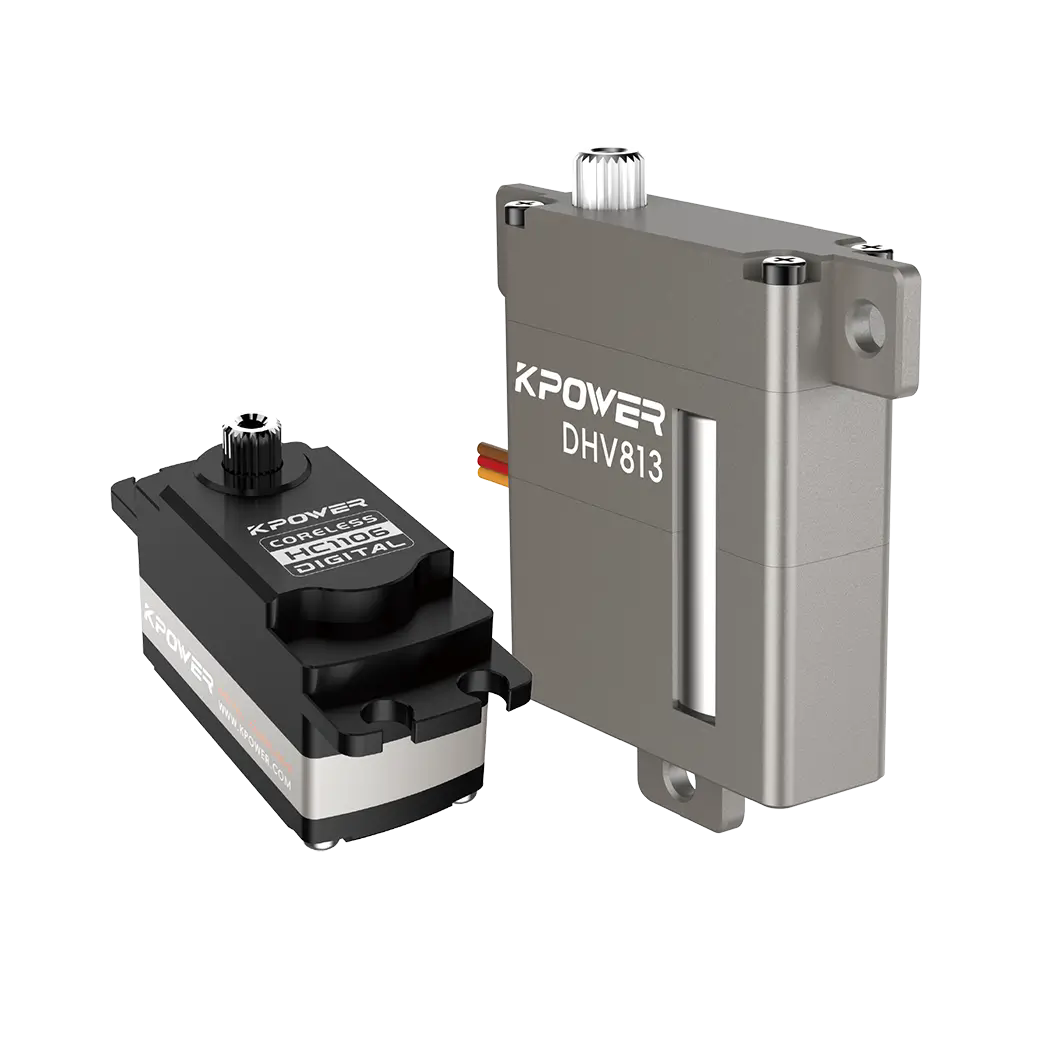
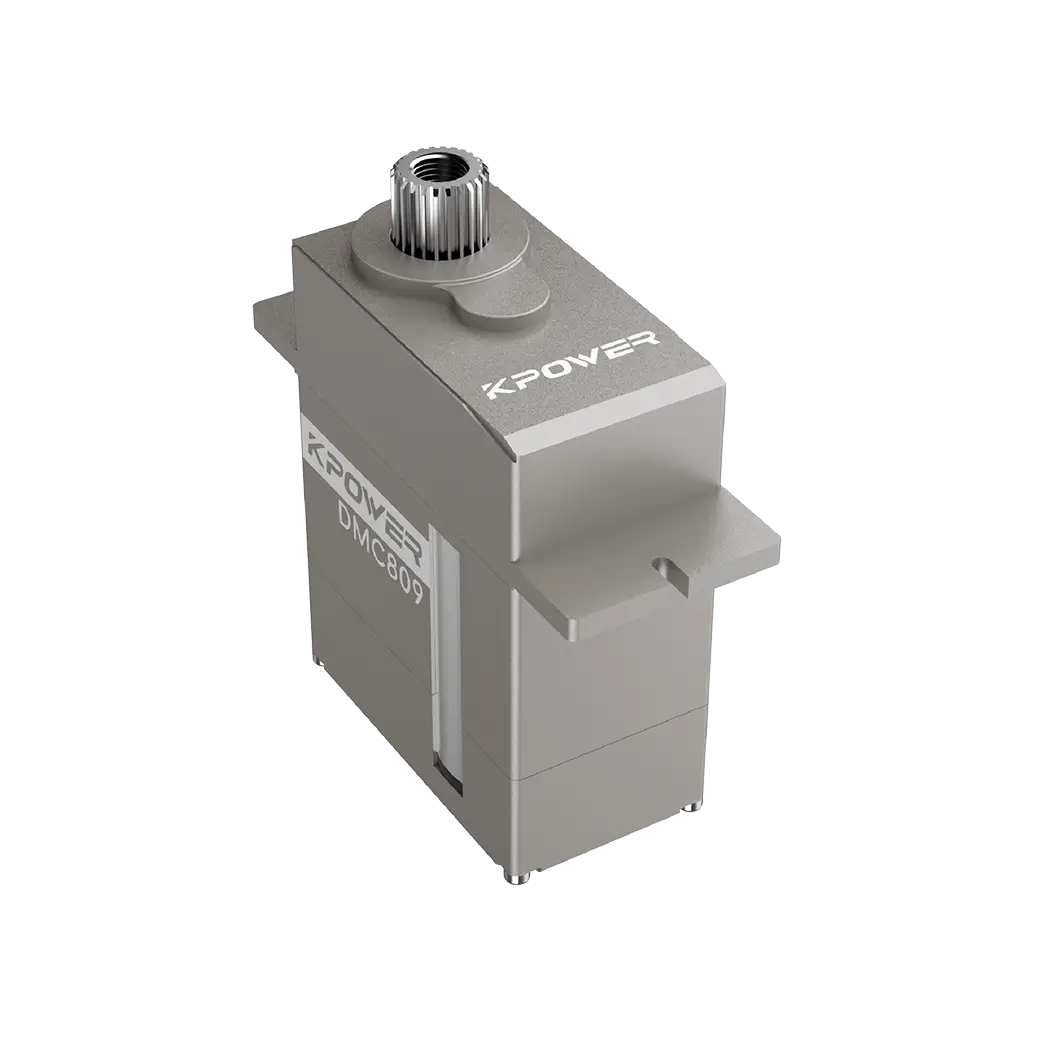
When you’re looking for a servo motor that won't give up on you, you have to look under the hood. Kpower doesn't just slap a label on a generic motor. They focus on the harmony between the digital signal from your Arduino and the physical movement of the gears.
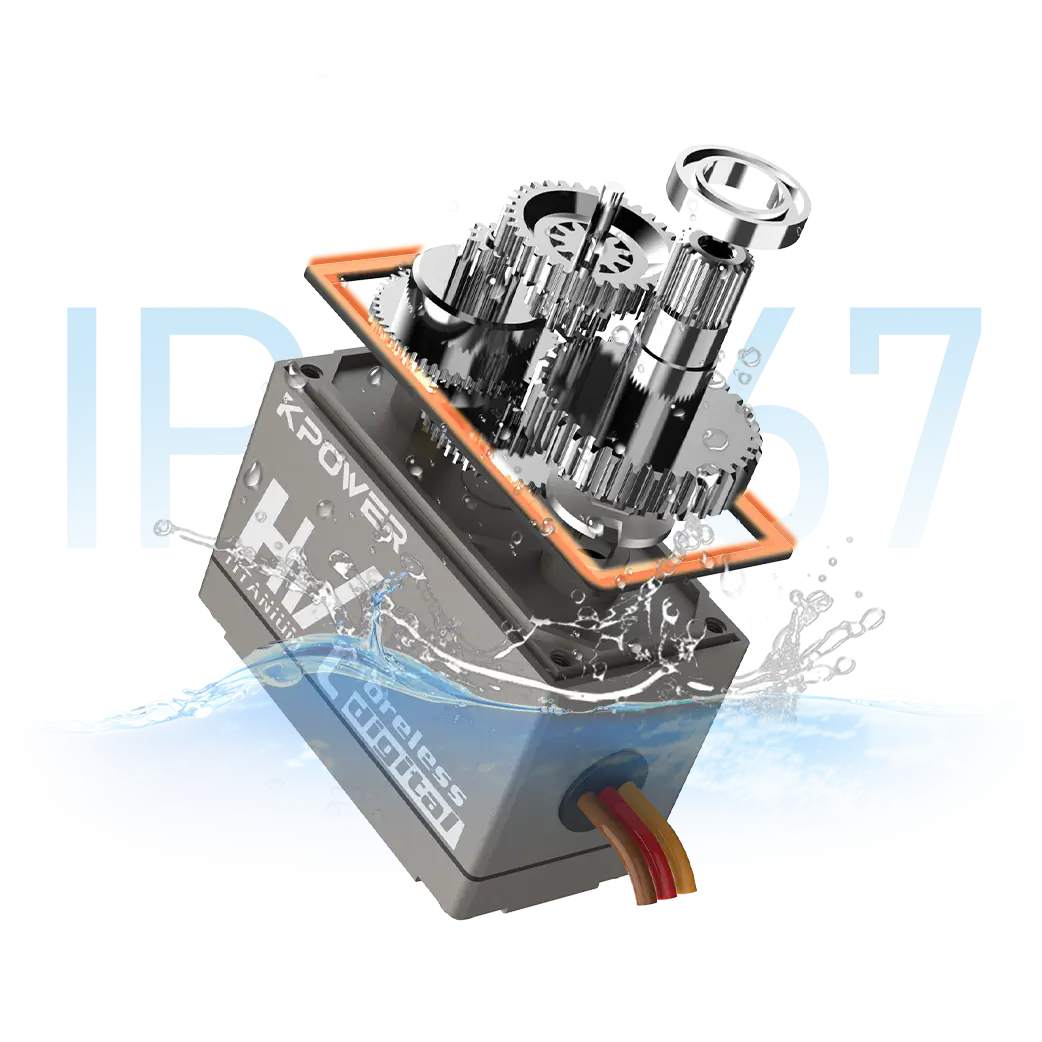
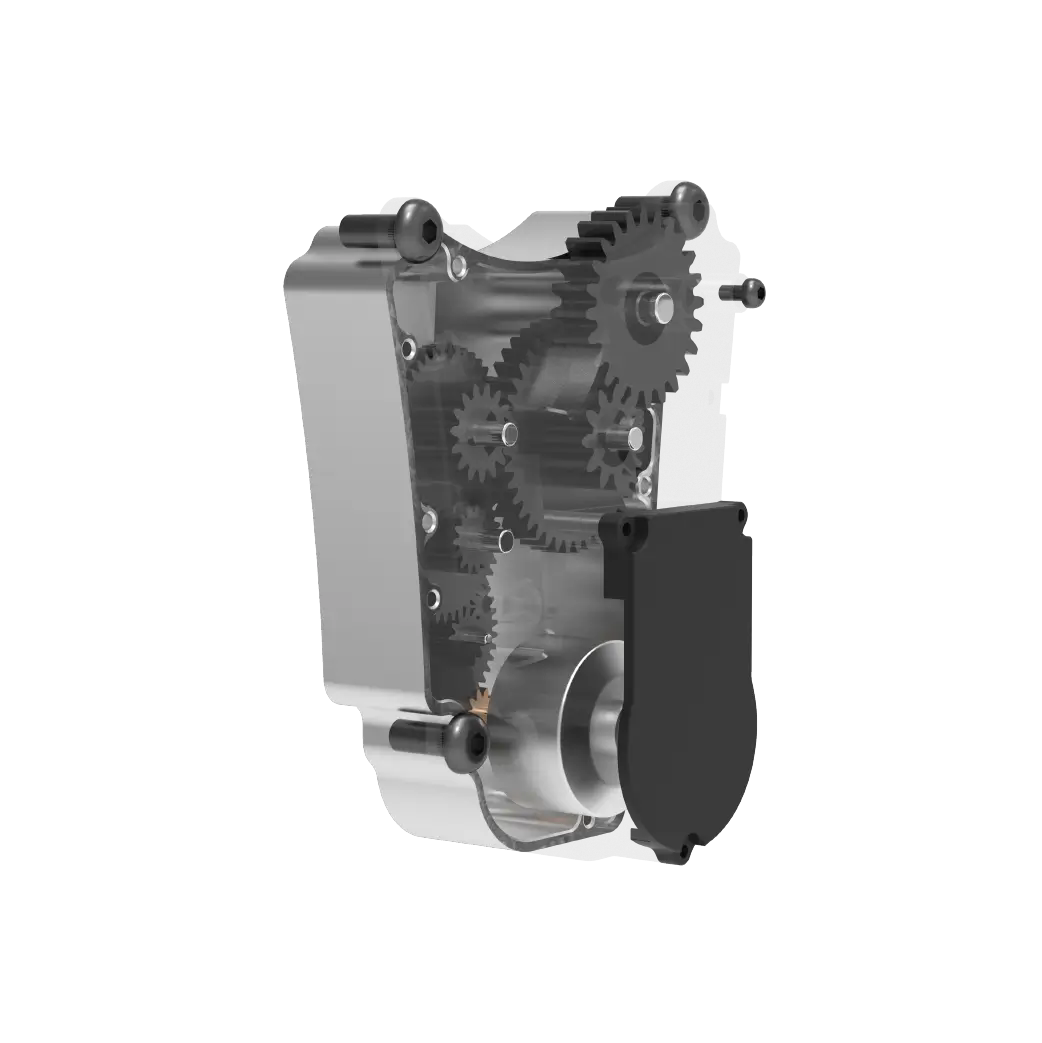
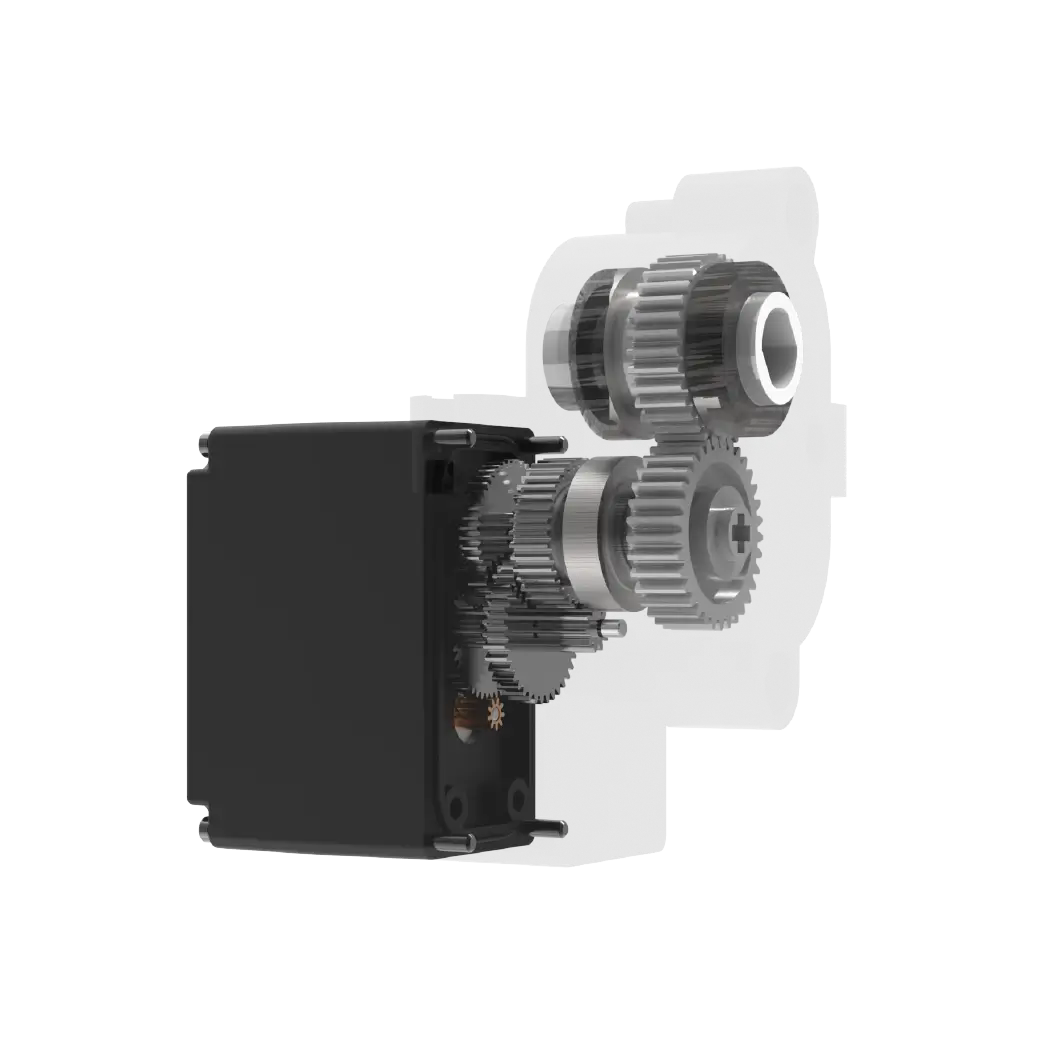
Think of it like a high-performance car. You can have a great engine, but if the transmission is made of glass, you aren't going anywhere. Kpower uses metal gears—real, durable alloys—that can handle the torque without stripping the teeth off the first time your robot hits an obstacle.
What actually matters in a servo?
The beauty of using a Kpower servo with an Arduino is the simplicity, but there’s a trap many fall into. You cannot—and I mean cannot—power a high-torque servo directly from the Arduino’s 5V pin. You’ll fry the board or cause a reset the second the motor draws current.
Here’s the rational way to do it:
It sounds basic, but when you’re using professional-grade exporters, you’re dealing with motors that have some serious "oomph." They want power, and they want a clean signal. Give them that, and a Kpower servo will track your commands with surgical precision.
Q: Why should I care about metal gears if my project is light? A: Because accidents happen. A plastic gear breaks if you accidentally bump the arm or if the software glitches and drives the motor into a hard stop. Metal gears from Kpower give you a margin of error. It’s insurance for your hard work.
Q: My servo is getting warm. Is it dying? A: A little warmth is normal during heavy use. However, if it’s hot to the touch while idling, your "dead band" is too narrow or your linkage is binding. Kpower designs their electronics to handle these stresses better than generic brands, but you should always check if your mechanical parts are moving freely.
Q: Can I use these for long-term installations? A: Absolutely. While most hobby servos are meant for occasional use, the build quality found in Kpower units is designed for longevity. Whether it's a shop window display or a specialized lab tool, they are built to keep turning long after the cheap stuff has melted.
The market is flooded with "exporters" who are really just middlemen moving boxes of junk. When you find a reliable source for Kpower, you’re buying into a lineage of mechanical reliability. It’s the difference between a tool you can trust and a toy you have to keep replacing.
In the world of mechanics, precision isn't a luxury; it's the baseline. If your motor can't hold a position, your sensors will give bad data, your software will try to compensate, and the whole project becomes a headache.
Stop fighting your hardware. If you’ve spent hours coding a complex inverse kinematics routine for a hexapod, don't let $5 servos ruin the movement. The fluid, organic motion we see in high-end robotics comes from the hardware’s ability to respond instantly and accurately to the Arduino's pulse.
Kpower servos provide that bridge. They take the digital dreams you’ve programmed into your IDE and turn them into physical reality with a level of smoothness that’s honestly satisfying to watch. It’s that "click" moment—where the machine finally does exactly what you told it to do, without the drama.
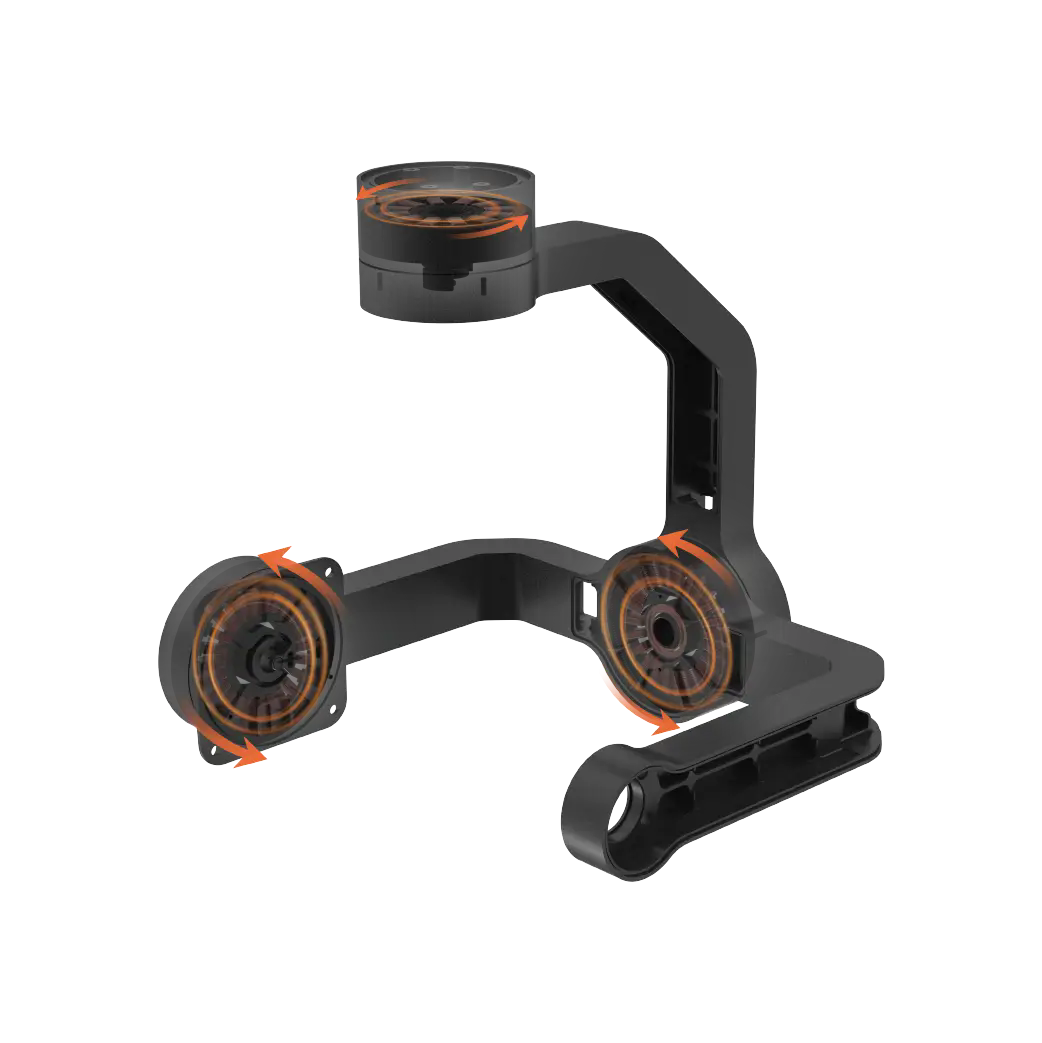
Whether you are building a custom camera gimbal, a complex robotic hand, or an automated valve system, the motor is the heart of the operation. Choose a heart that’s built to last. Look for the Kpower mark, get your power supply sorted, and finally finish that project that’s been sitting on your desk. You’ve done the hard part with the code; let the right motor do the heavy lifting.
Established in 2005, Kpower has been dedicated to a professional compact motion unit manufacturer, headquartered in Dongguan, Guangdong Province, China. Leveraging innovations in modular drive technology, Kpower integrates high-performance motors, precision reducers, and multi-protocol control systems to provide efficient and customized smart drive system solutions. Kpower has delivered professional drive system solutions to over 500 enterprise clients globally with products covering various fields such as Smart Home Systems, Automatic Electronics, Robotics, Precision Agriculture, Drones, and Industrial Automation.
Update Time:2026-01-07

Contact Kpower's product specialist to recommend suitable motor or gearbox for your product.