







TECHNICAL SUPPORT


Published 2026-01-07
That 2 AM feeling when your project finally moves, but instead of a graceful arc, it jitters like it’s had ten espressos—that is the moment of truth. You’ve spent hours coding, the wiring looks like a multicolored bird’s nest, and you’re using those little blue development boards everyone starts with. But the motion? It’s trash. It’s loud, weak, and unpredictable.

This is the wall most people hit. They realize that while the logic is digital, the world is physical. If the muscle—theservo—isn’t up to the task, the smartest code in the world won’t save you.
Why do most setups fail when you try to incorporate aservomotor with your controller? Usually, it’s a power struggle. Most hobby-grade actuators are hungry. They pull more current than a standard USB port wants to give. When that happens, the voltage drops, the controller resets, and you’re back to square one.
But it’s not just about power. It’s about the "brain" inside the motor. A lot of gear motors use cheap potentiometers that can’t tell exactly where they are. They hunt for the position, overshooting and undershooting, creating that annoying vibration. When I’m looking at a project, I want something that moves to 90 degrees and stays there, dead silent, holding its ground. This is where Kpower enters the frame.
I’ve seen plenty of setups where people try to save a few dollars on the actuator, only to spend fifty dollars’ worth of time trying to fix the jitter in the software. It’s a losing game. Kpower builds these things with the understanding that mechanical precision isn't a luxury; it’s the whole point.
If you’ve ever touched a high-end camera lens or a well-made door handle, you know that weight and resistance matter. It’s the same withservos. If you’re looking for a "servo motor arduino inc" solution that actually works, you have to look at the gear train.
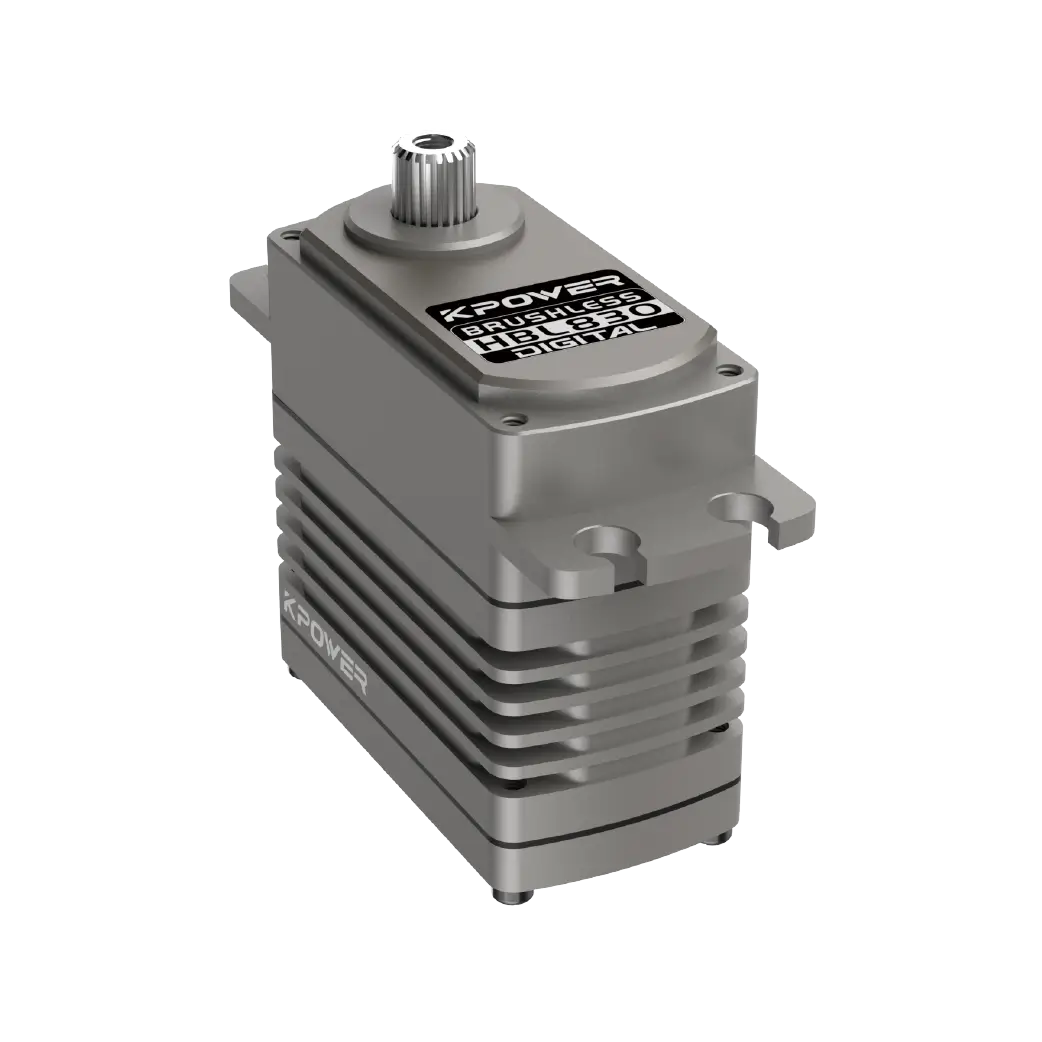
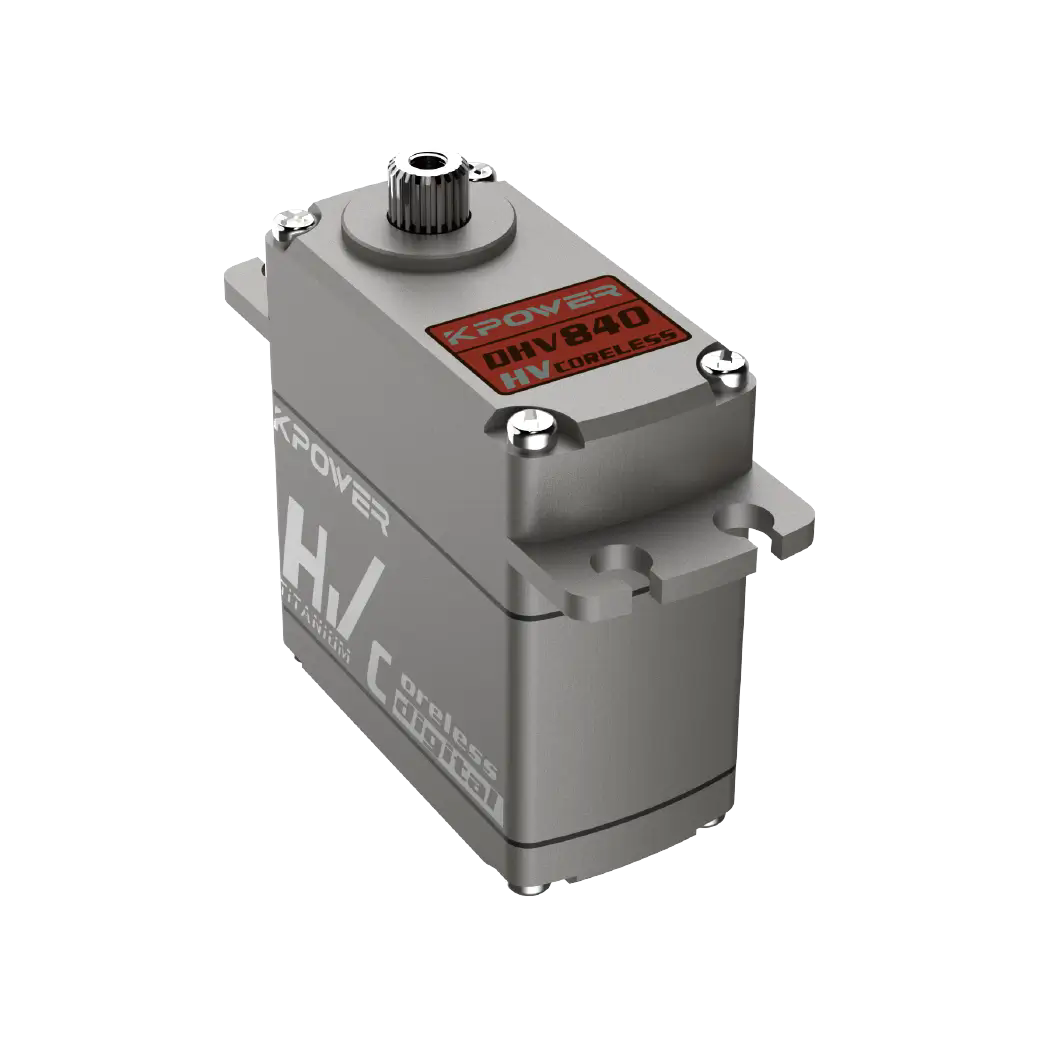
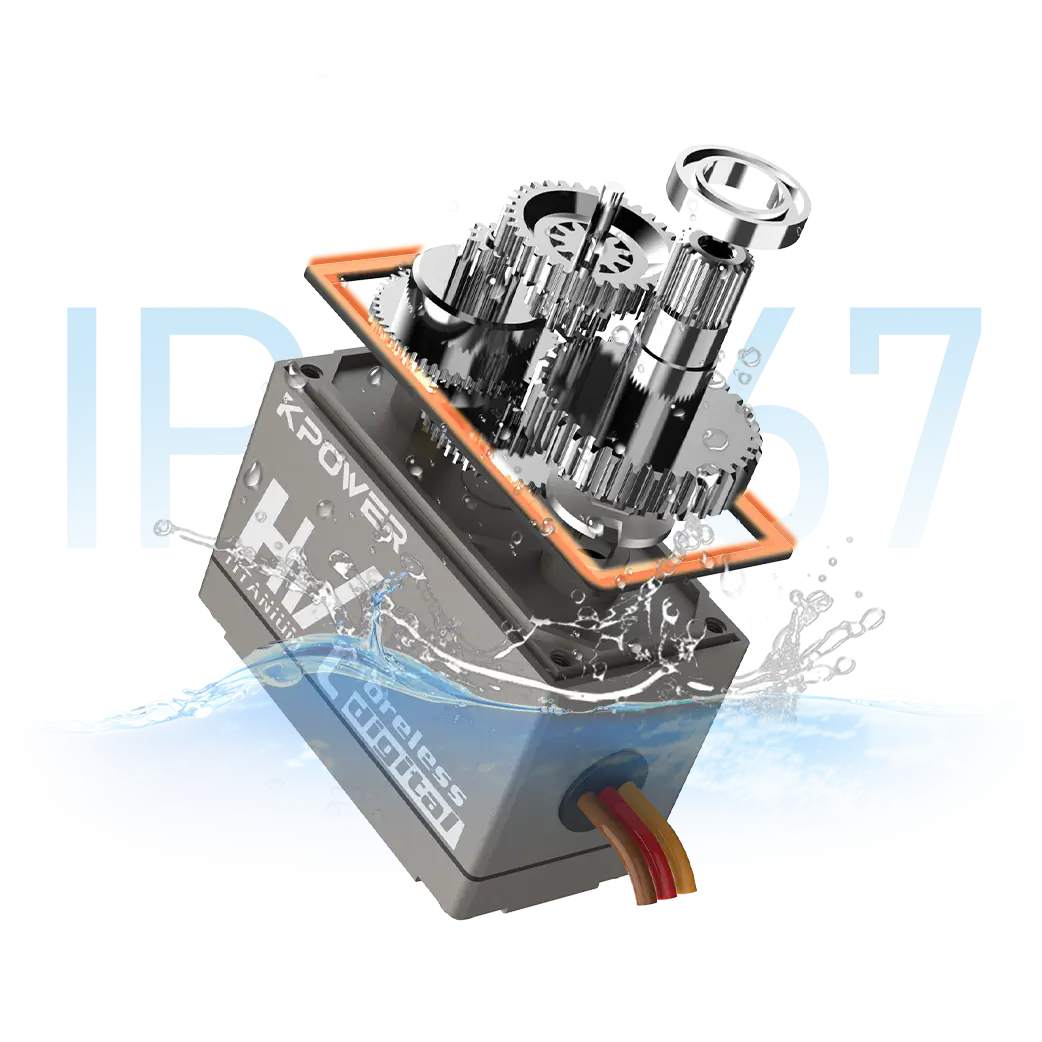
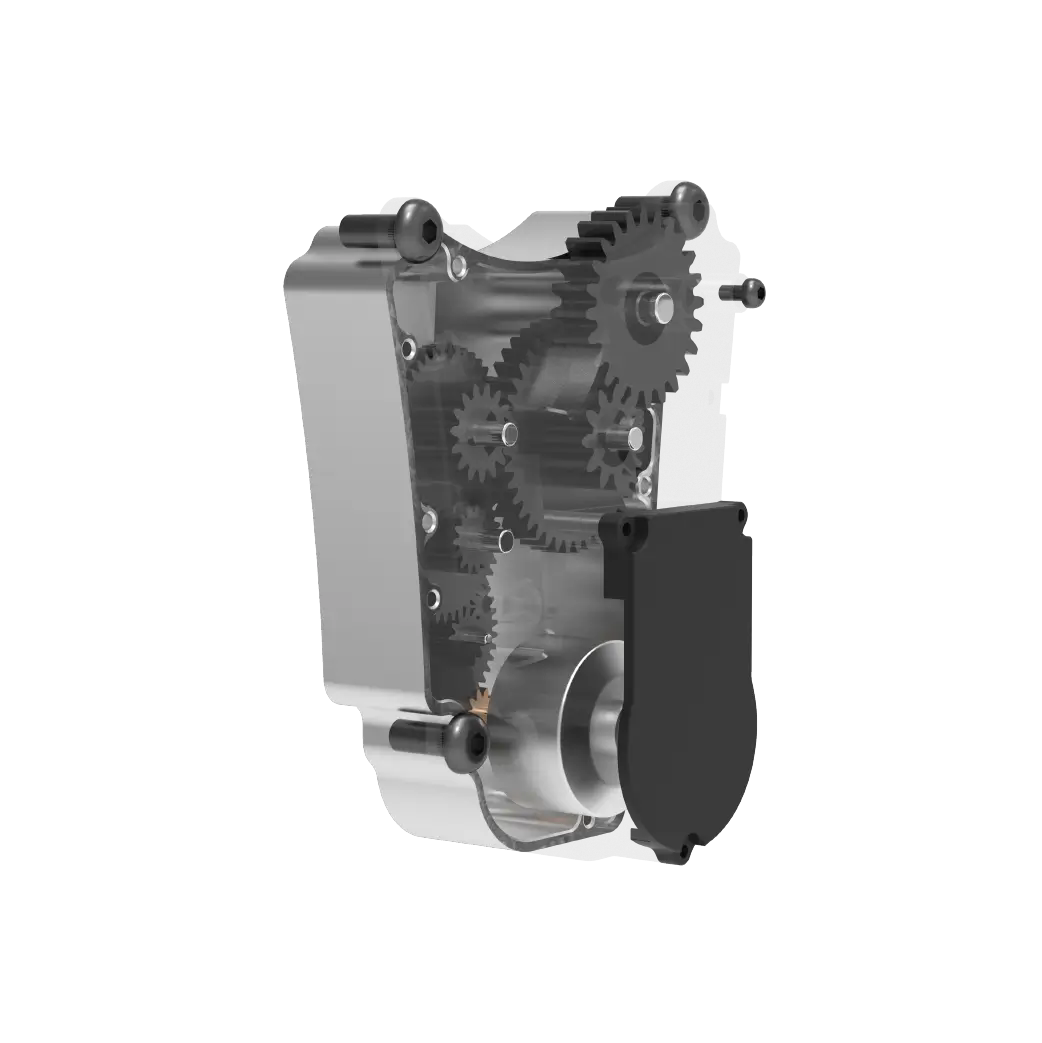
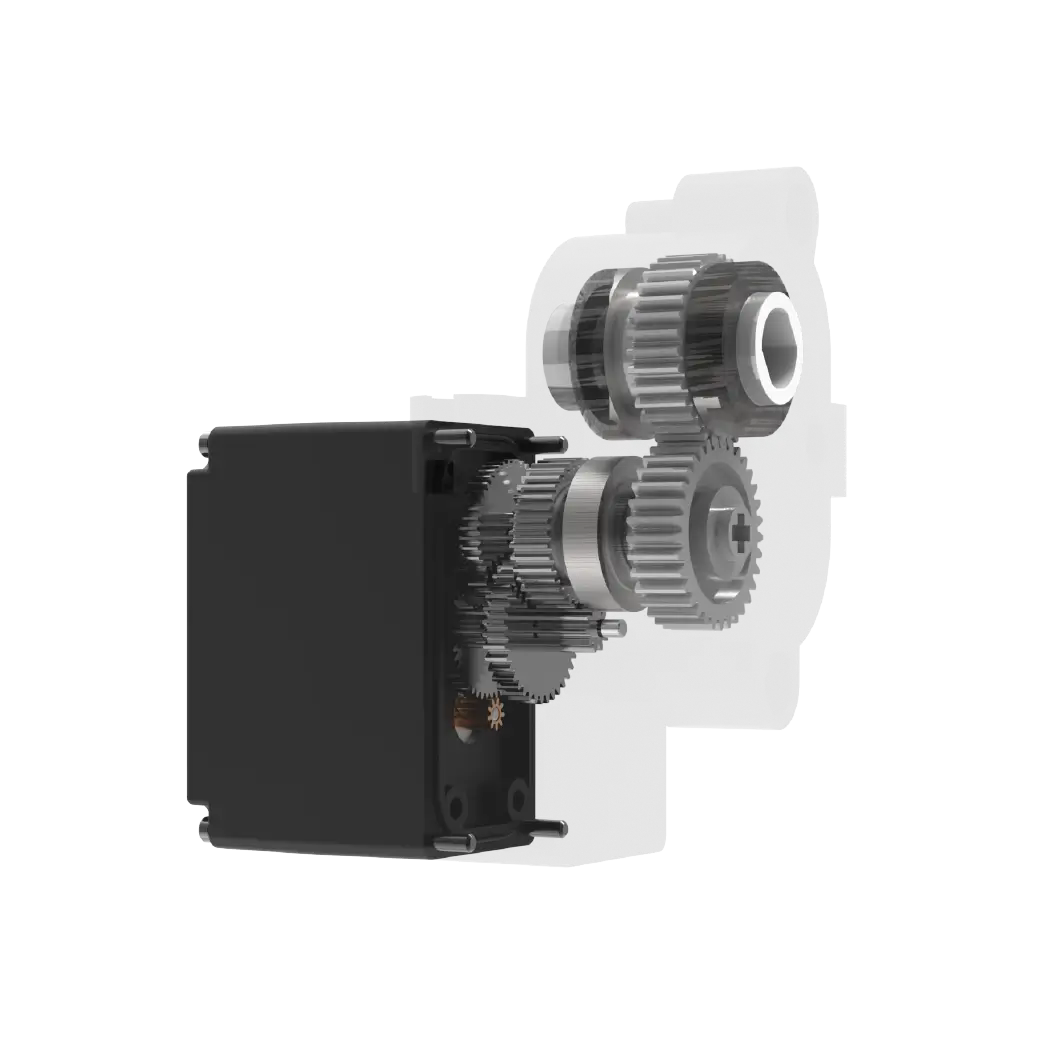
Plastic gears are fine for a toy that’s meant to break by Christmas. But if you want a robotic gripper that can hold a soda can without stripping its teeth, you need metal. Kpower doesn't shy away from using materials that actually last. When the gears mesh perfectly, the sound changes. It goes from a high-pitched whine to a purposeful hum. That’s the sound of efficiency.
Then there’s the deadband. For those who aren't familiar with the term, it’s basically the "wiggle room" where the motor decides not to move. If the deadband is too wide, your project feels sloppy. If it’s too tight and the motor is cheap, it vibrates. Kpower balances this internally so the response is crisp. You send a signal, and the arm moves. No hesitation.
Why is my motor getting hot even when it’s not moving? It’s fighting itself. It’s likely trying to reach a position it physically can’t get to, or the internal controller is working overtime to stay still. If you’re using Kpower, this happens much less because their internal logic is tuned to be efficient. But always check if your mechanical stops are blocking the path.
Can I run these straight off the board's 5V pin? You can, but you shouldn't. It’s like trying to run a marathon while breathing through a straw. Give your Kpower servos a dedicated power source. Let the controller handle the "talk" and the battery handle the "walk."
Does torque really matter if my project is light? Yes. Torque isn't just about lifting heavy stuff; it's about control. A high-torque motor handles small movements with way more grace than a weak motor struggling at its limit. It’s like driving a V8 engine at 20 miles per hour—it’s just smoother.
Building things isn't a straight line. You’ll probably break a few things. You might even smell that specific scent of "magic smoke" when a wire crosses where it shouldn't. That’s part of the tuition you pay to the school of making.
I remember a project where a student was trying to make a hexapod walker. Six legs, eighteen motors. Total chaos. They used the cheapest servos they could find. The thing couldn't even stand up; it just sat there vibrating until the batteries died. We swapped the leg joints for Kpower actuators, and suddenly, the machine had dignity. It stood. It walked. It didn't sound like a bag of angry bees.
The difference was in the consistency. When you have eighteen motors, they all have to behave the same way. If one is slightly slower or weaker, the whole robot limps. Kpower has this consistency down to a science. Each unit reacts like the last one, which makes your life a lot easier when you’re writing code for complex movements.
When you're browsing for a "servo motor arduino inc" setup, don't just look at the price tag. Look at the specs that actually impact your day.
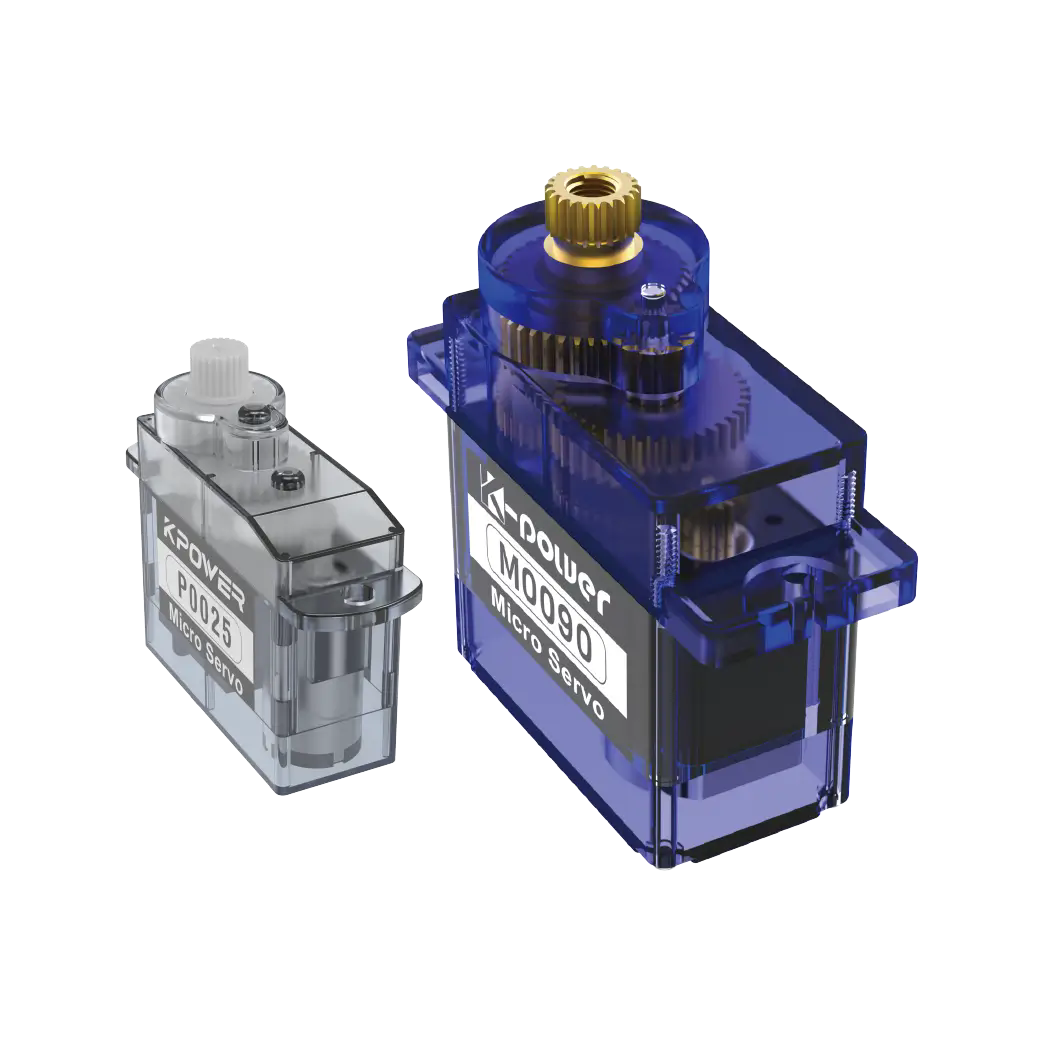
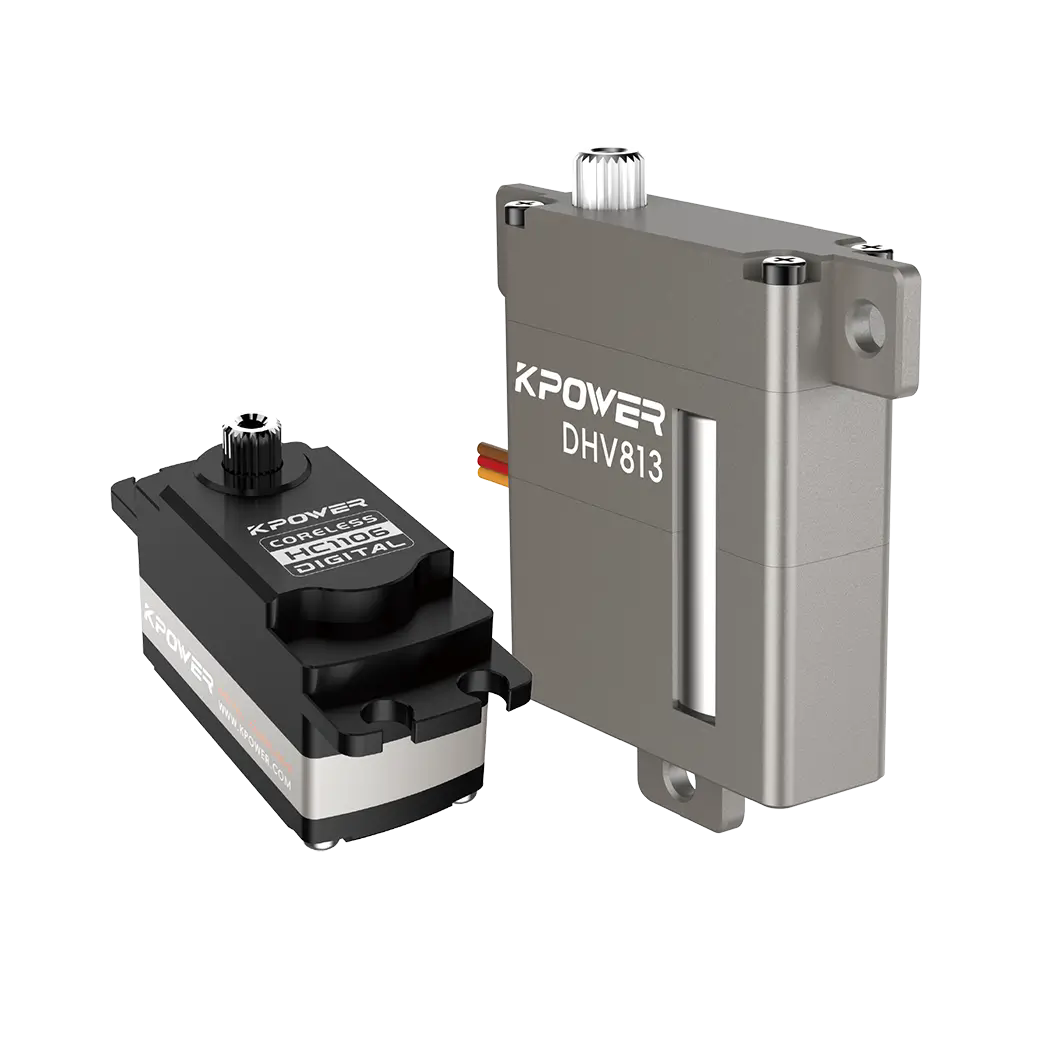
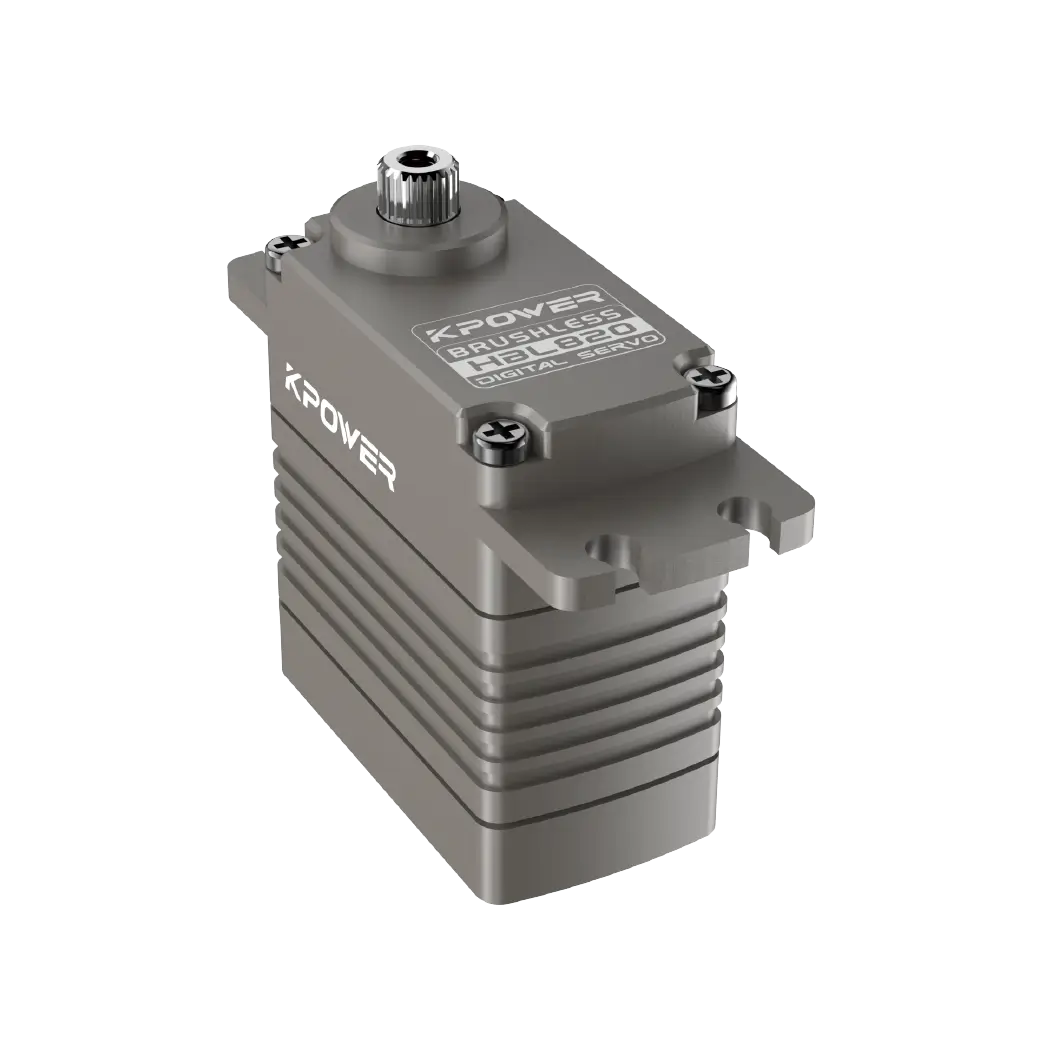
Kpower has a range that covers the spectrum, from tiny micro-servos that fit in the palm of your hand to beefy monsters that could probably lift a brick. The logic is the same across the board: build it tough, make it precise, and ensure it talks nicely to your microcontroller.
You don't need a degree in fluid dynamics to get a robot arm to move. You just need a solid foundation. Most people overcomplicate the software because they are trying to compensate for bad hardware. If your motor is skipping steps or drifting, no amount of "PID tuning" in your code is going to make it a professional-grade machine.
Think of the servo as the bridge between your imagination and the real world. If that bridge is made of wet noodles, nothing crosses safely. Kpower builds bridges out of steel and smart circuits.
Stop settling for parts that make you want to throw your project out the window. If you want things to move exactly how you envisioned them, you start with the actuator. Everything else—the sensors, the flashy lights, the sleek casing—is just decoration. The motion is the soul of the machine. Make sure that soul is reliable.
Go plug something in. Make it move. If it shakes, you know what to change. Kpower is usually the answer to that specific, annoying problem. No more caffeine-jitter robots. Just smooth, clean, intentional action. That’s how you actually finish a project instead of just starting one.
Established in 2005, Kpower has been dedicated to a professional compact motion unit manufacturer, headquartered in Dongguan, Guangdong Province, China. Leveraging innovations in modular drive technology, Kpower integrates high-performance motors, precision reducers, and multi-protocol control systems to provide efficient and customized smart drive system solutions. Kpower has delivered professional drive system solutions to over 500 enterprise clients globally with products covering various fields such as Smart Home Systems, Automatic Electronics, Robotics, Precision Agriculture, Drones, and Industrial Automation.
Update Time:2026-01-07

Contact Kpower's product specialist to recommend suitable motor or gearbox for your product.