







TECHNICAL SUPPORT


Published 2026-01-19
Picture this: you’ve built this neat, scalable system with containers and microservices. Everything’s humming along—until it isn’t. Something’s off. A service is slow, a pod keeps restarting, but the usual dashboard just shows green checkmarks. It’s like listening to an engine that sounds fine, while deep inside a gear is slowly wearing down. You can’t see it, but you know the vibration isn’t right.

That’s the hidden reality for many teams today. When your architecture becomes a distributed network of moving parts, traditional monitoring often falls short. You get numbers, but not the story. You see symptoms, not the root cause. The real question isn’t just “Is it up?” but “Is it working as it should, and why isn’t it?”
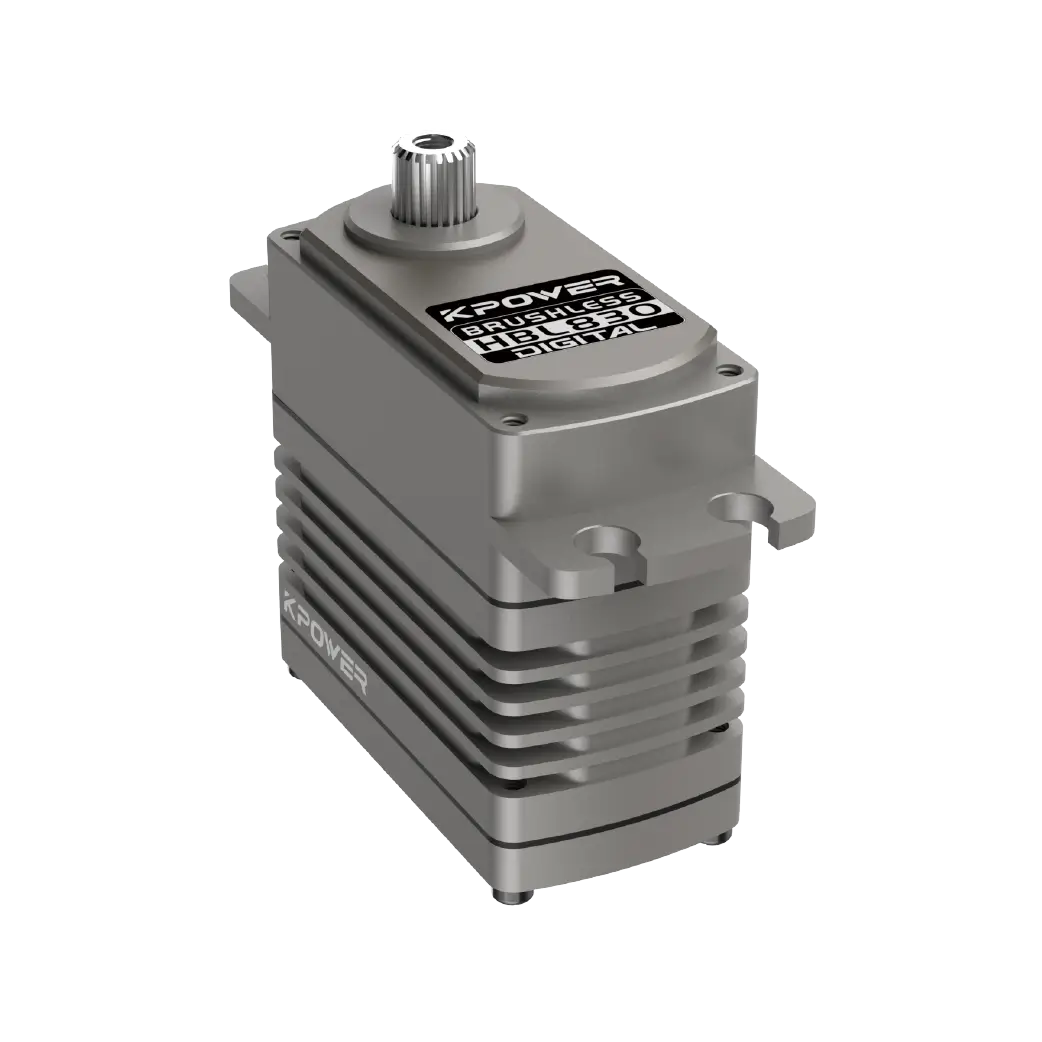
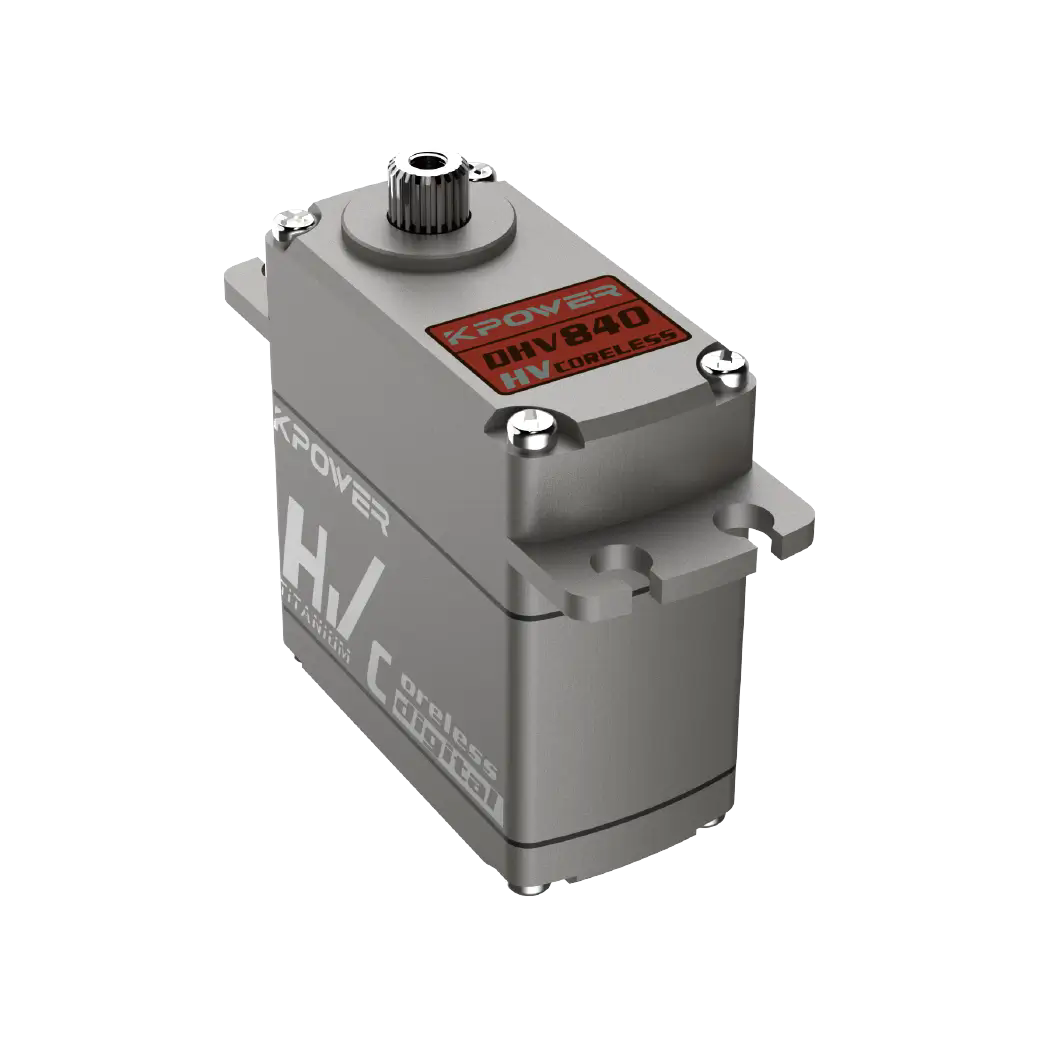
Think about a robotic arm powered by a high-precisionservo. You don’t just check if it has power; you monitor its torque feedback, its positional accuracy, its temperature under load. Each metric tells a different part of the health story. Microservices are similar—each container is a dynamic, interdependent component. Static monitoring is like only checking if theservo’s LED is on. You miss everything happening inside.
Common gaps start to show:
It’s not about more data. It’s about smarter, connected insights.
So how do you shift from watching disconnected dots to understanding the whole machine? The answer lies in correlation and context. Imagine being able to trace a sudden spike in API response time directly back to a specific container’s memory leak, while seeing how that affected the downstream database connection pool. Suddenly, you’re not guessing—you’re diagnosing.
This is where a purpose-built monitoring comparison comes into play. It’s not another dashboard. It’s more like giving a mechanic a stethoscope, a thermal camera, and a vibration analyzer all in one. It helps you:
One team described the before-and-after like tuning a mechanical assembly. Before, they heard the noise and tightened bolts at random. After, they could pinpoint the exact loose bearing causing the resonance.
Not all solutions are built the same. When evaluating your options, keep these points in mind. They’re less about features and more about outcomes.
Does it unify data, or just collect it? A great tool weaves infrastructure metrics, application performance, and logs into a single narrative. It answers “What happened?” and “Why did it happen here?” simultaneously.
Is it built for dynamic environments? Containers spin up and down. Your monitoring should discover them automatically, without manual tagging or configuration headaches. It should keep up with the pace of your deployments.
Does it reduce complexity, or add to it? The goal is clarity, not more screens. Look for intuitive visualization that highlights relationships and anomalies—not just another row of gauges.
Can it grow with you? Start with a few containers or go to thousands. The approach should scale without forcing you to reinvent your monitoring strategy every year.
A practical note: the best fit often feels intuitive. It gives you that “aha” moment faster, turning debugging from a detective story into a straightforward checklist.
Adopting a new monitoring method is a shift in perspective. Here’s how some teams make the transition stick.
Start with a critical but non-core service. Use it to map dependencies and establish a performance baseline. Watch for a week. You’ll likely notice patterns you never saw before—like how a caching service behaves differently during peak load.
Next, define what “normal” looks for your key transactions. This becomes your reference point. Deviations from this pattern are your early warning signals.
Then, refine alerts to focus on these actionable anomalies—not every minor fluctuation. This cuts alert fatigue dramatically. It’s the difference between a car alarm that goes off in a stiff breeze versus one that alerts you to an actual attempted break-in.
Finally, share visibility. Let developers see how their code performs in production. When everyone sees the same correlated data, post-mortems become collaborative learning, not blame sessions.
The end result isn’t just fewer outages. It’s deeper confidence. Teams move faster because they trust their system visibility. They deploy knowing they can see the impact, immediately and precisely. Performance tuning becomes proactive, not reactive.
It transforms management from a stressful exercise in guesswork into a predictable engineering discipline. You spend less time fighting fires and more time building resilient, efficient systems. You’re no longer flying blind—you have a clear, real-time map of the terrain below and the weather ahead.
That’s the state of modern monitoring. It’s less about watching and more about understanding. Less about reacting and more about anticipating. For anyone running microservices and containers at scale, that shift isn’t just nice to have; it’s the foundation for everything else.
Ready to see your whole system, clearly? The right comparison will show you how.
Established in 2005, Kpower has been dedicated to a professional compact motion unit manufacturer, headquartered in Dongguan, Guangdong Province, China. Leveraging innovations in modular drive technology, Kpower integrates high-performance motors, precision reducers, and multi-protocol control systems to provide efficient and customized smart drive system solutions. Kpower has delivered professional drive system solutions to over 500 enterprise clients globally with products covering various fields such as Smart Home Systems, Automatic Electronics, Robotics, Precision Agriculture, Drones, and Industrial Automation.
Update Time:2026-01-19
Contact Kpower's product specialist to recommend suitable motor or gearbox for your product.