







TECHNICAL SUPPORT


Published 2026-01-22
The Muscle Behind the Machine: Why Your High Torque Projects Keep Stalling
You’ve spent weeks on the design. The geometry is clean, the weight distribution is calculated, and the frame is solid. Then comes the moment of truth. You power it up, command a full-load movement, and… nothing. Or worse, the dreaded sound of plastic teeth stripping under pressure. It’s frustrating. It’s the gap between what a spec sheet promises and what the hardware actually delivers when things get heavy.
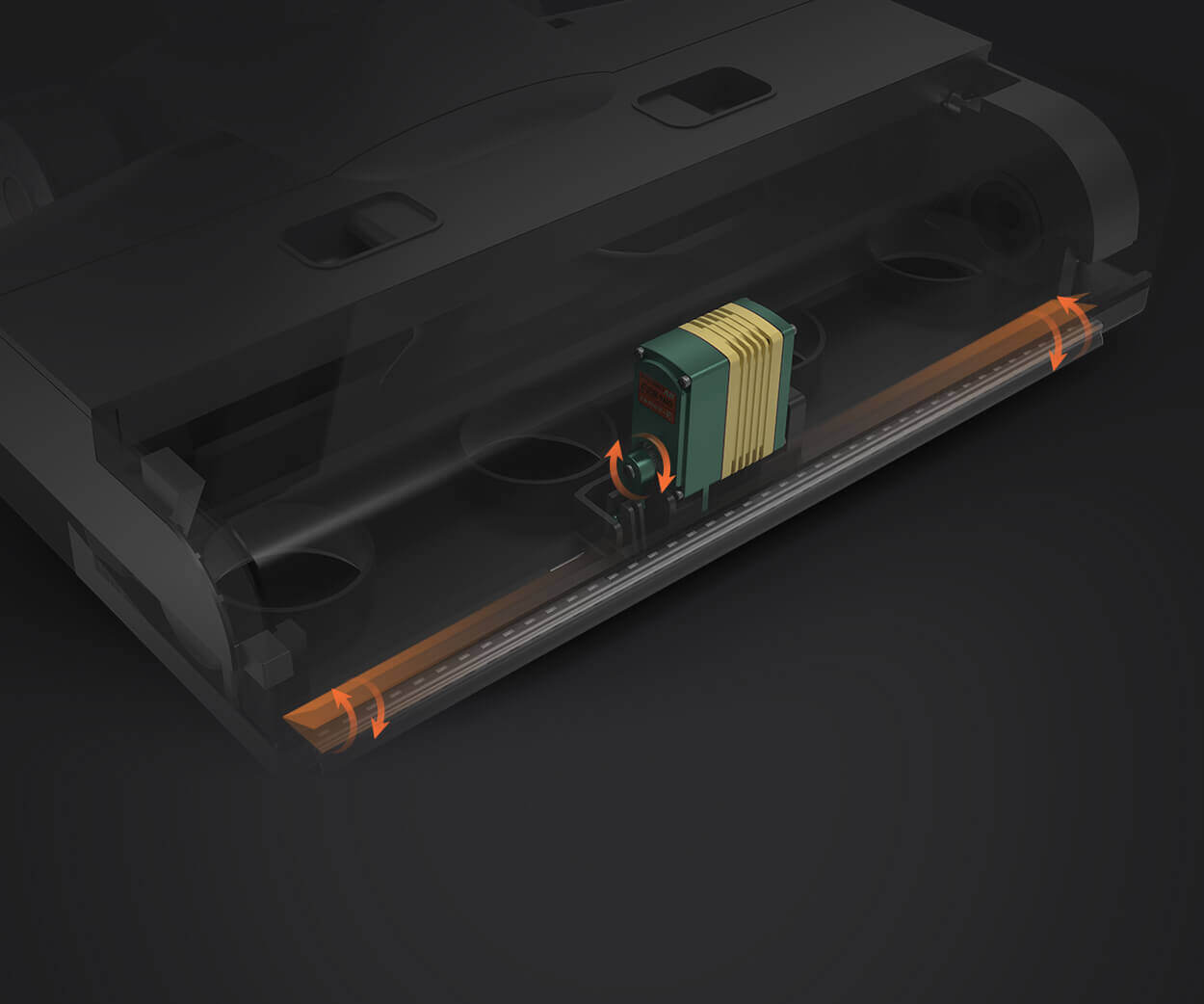
In the world of high-load applications, torque isn't just a number. It’s the "fight" the motor puts up against gravity and friction. Most off-the-shelf options hit a wall because they aren't built for the grind. This is exactly where the conversation about high torque RCservoOEM starts. If you want something that doesn't just buzz and quit, you have to look at how the "muscle" is actually manufactured.
The Heat and the Metal
Most people focus on the stall torque. Sure, 40kg or 50kg sounds great on a website. But what happens after ten minutes of constant use? Heat is the silent killer. A motor that gets too hot loses its magnetic efficiency. The torque drops, the response slows down, and eventually, the electronics fry.
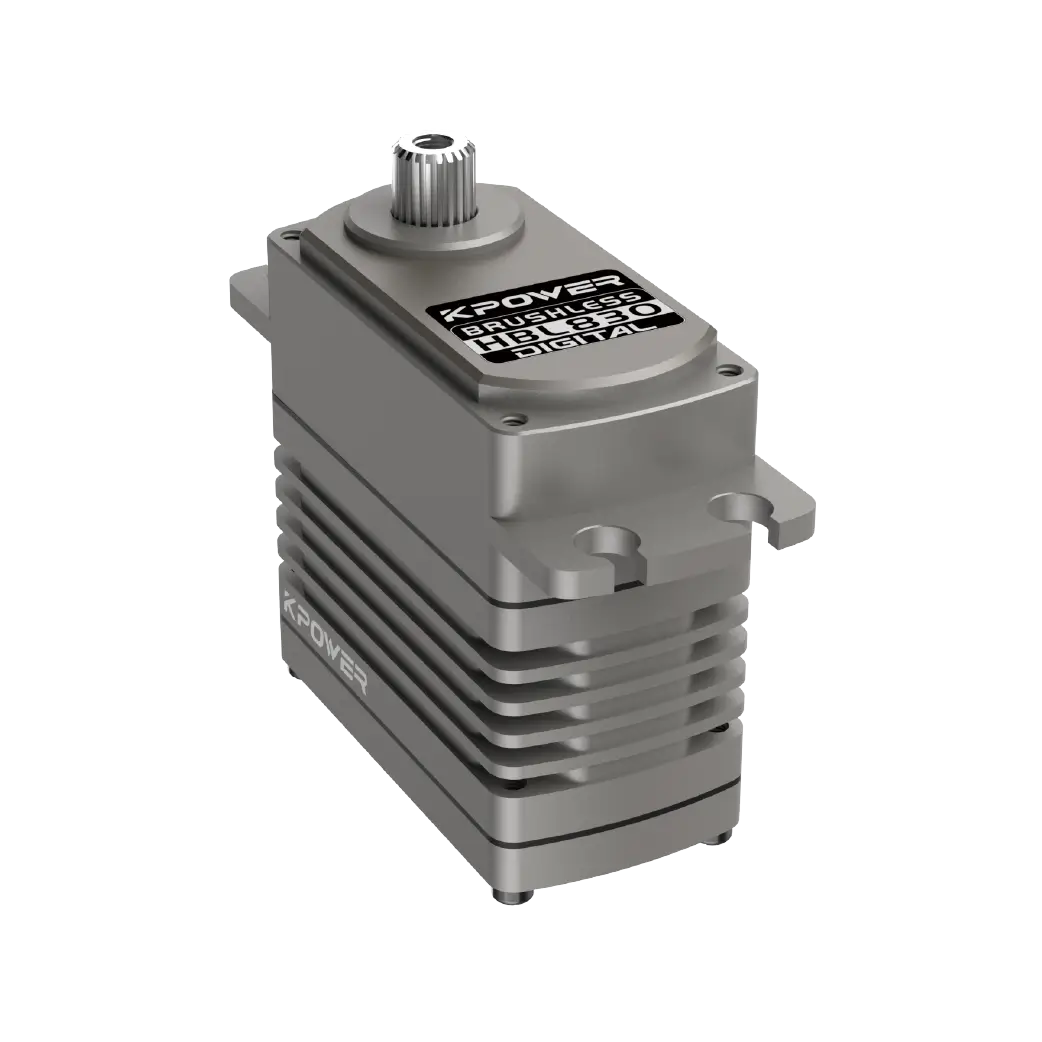
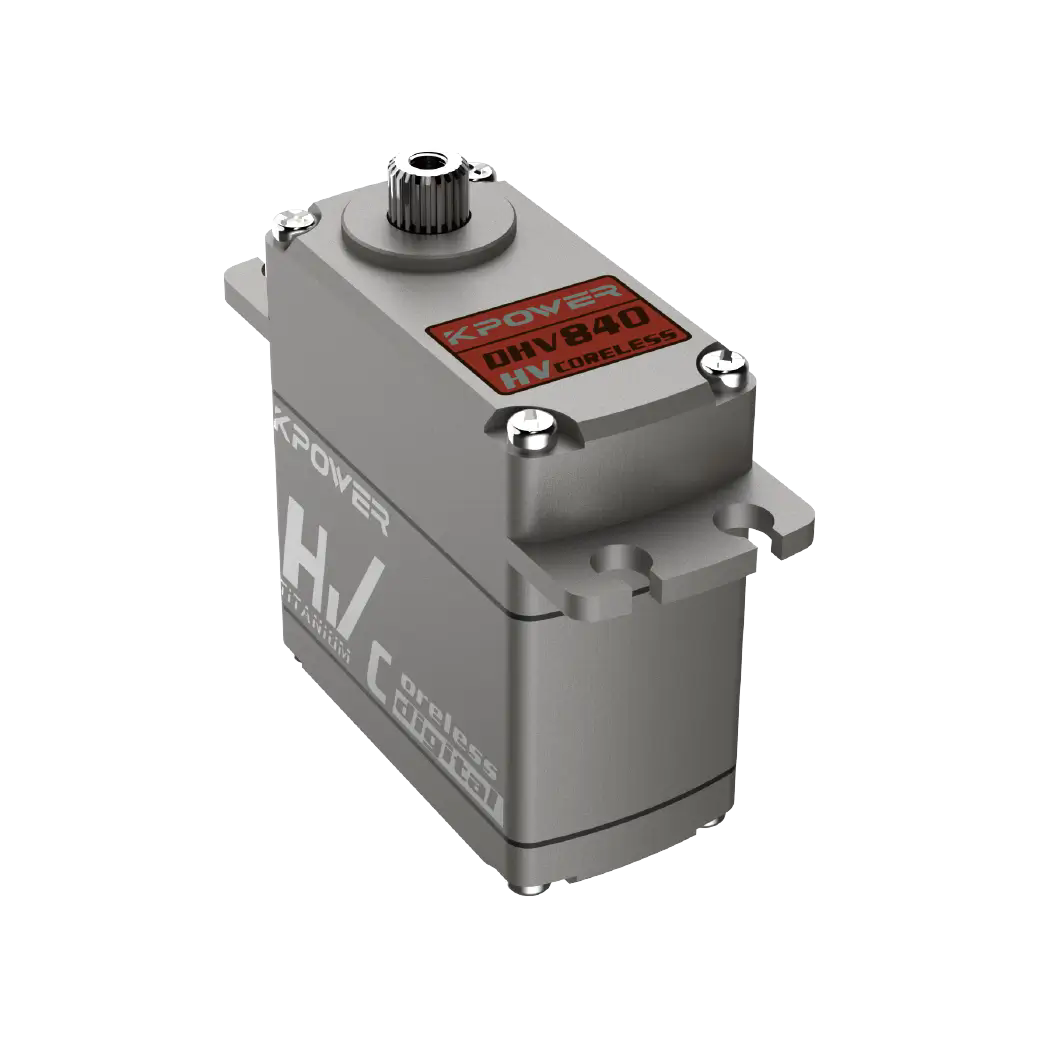
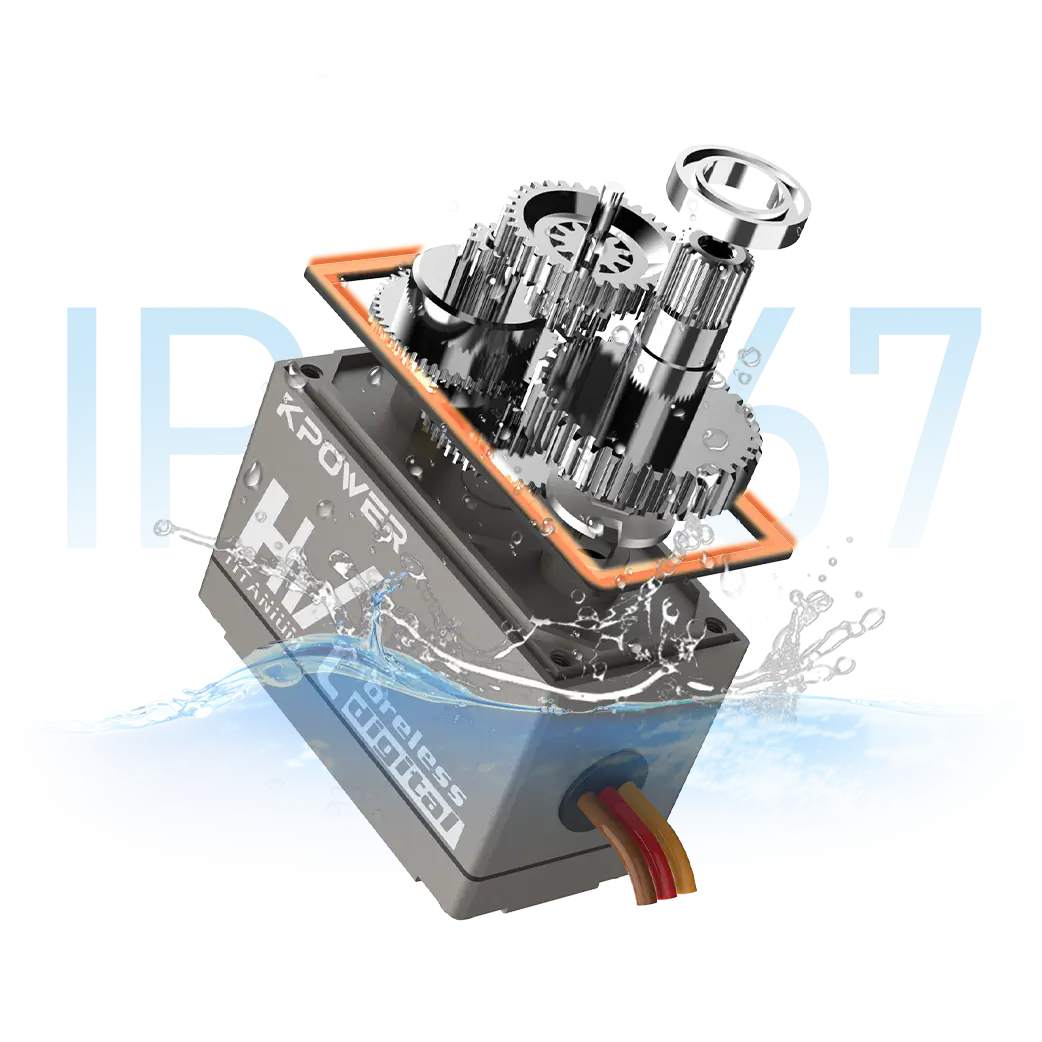
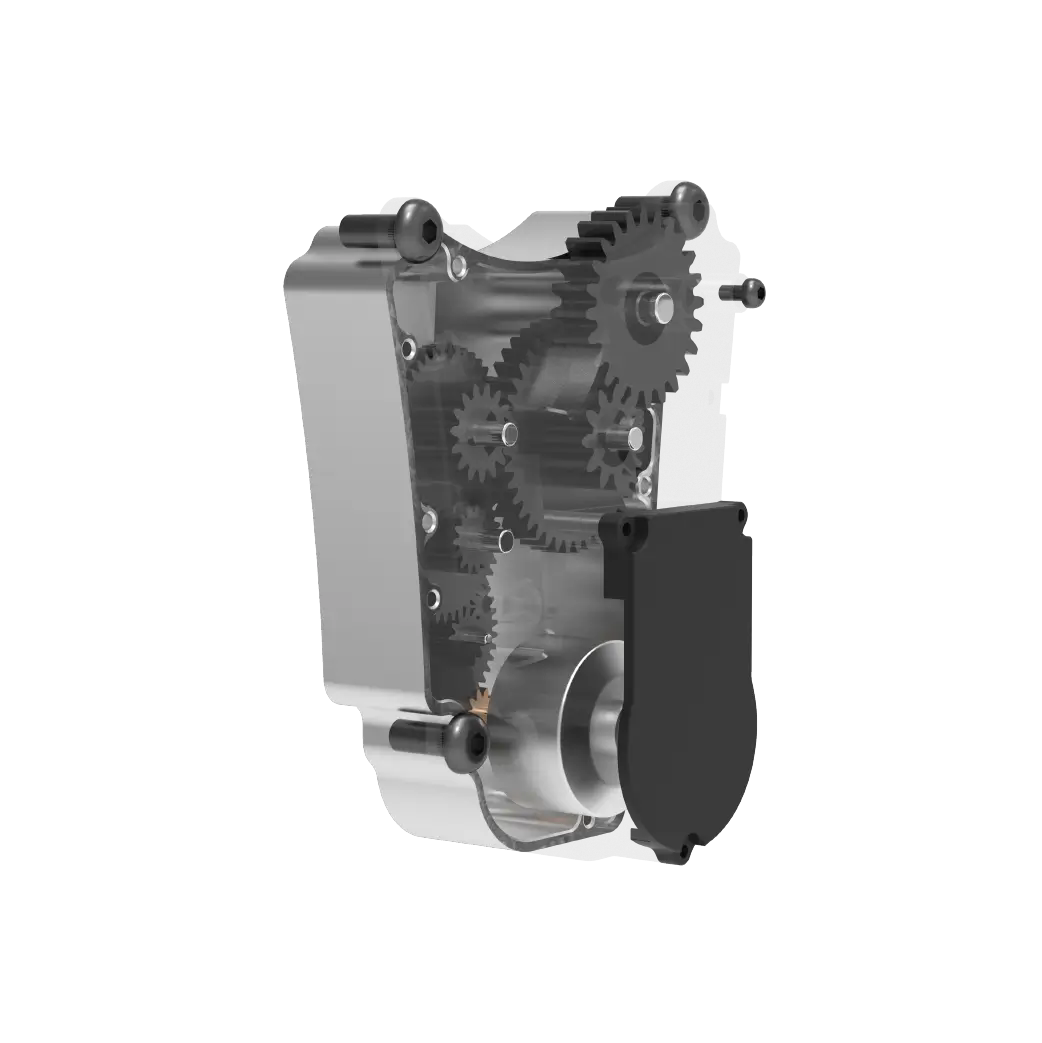
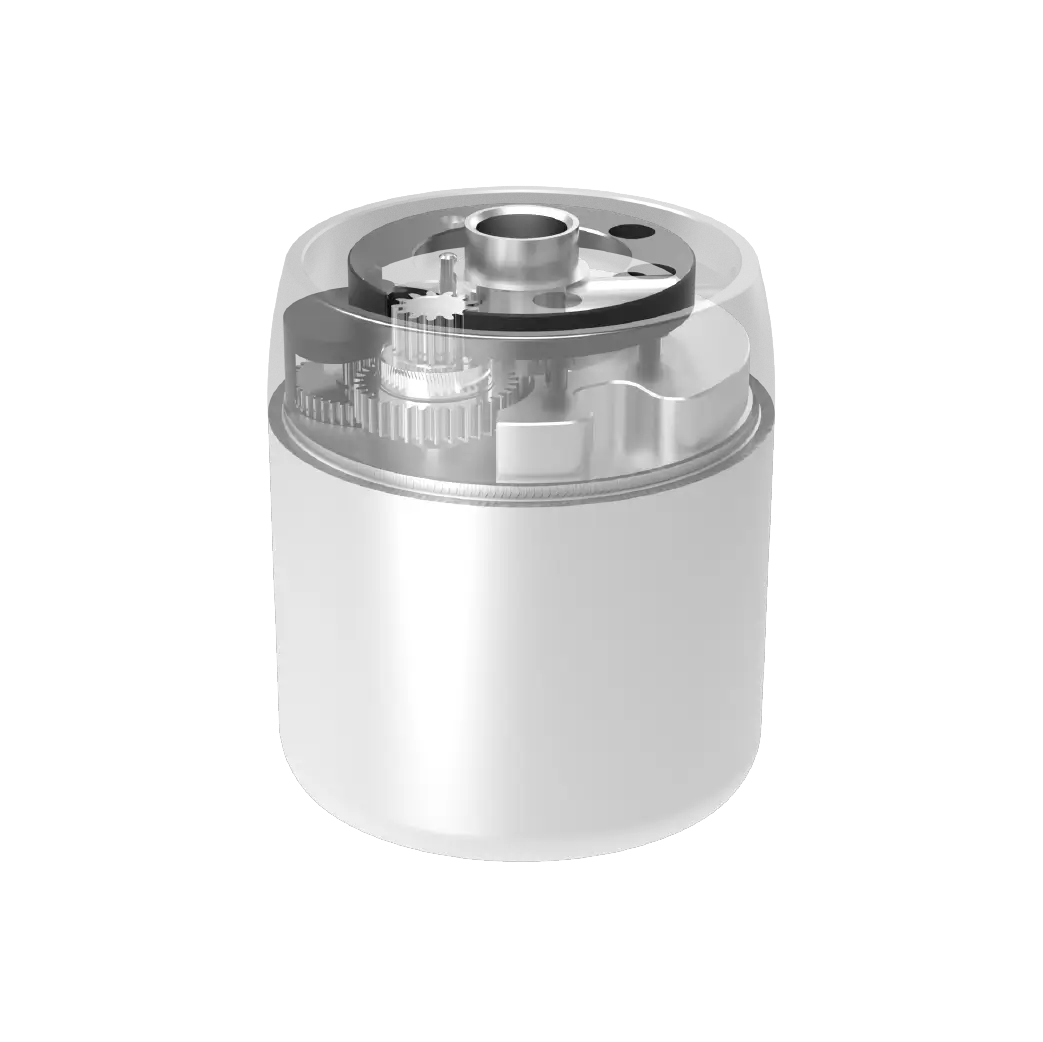
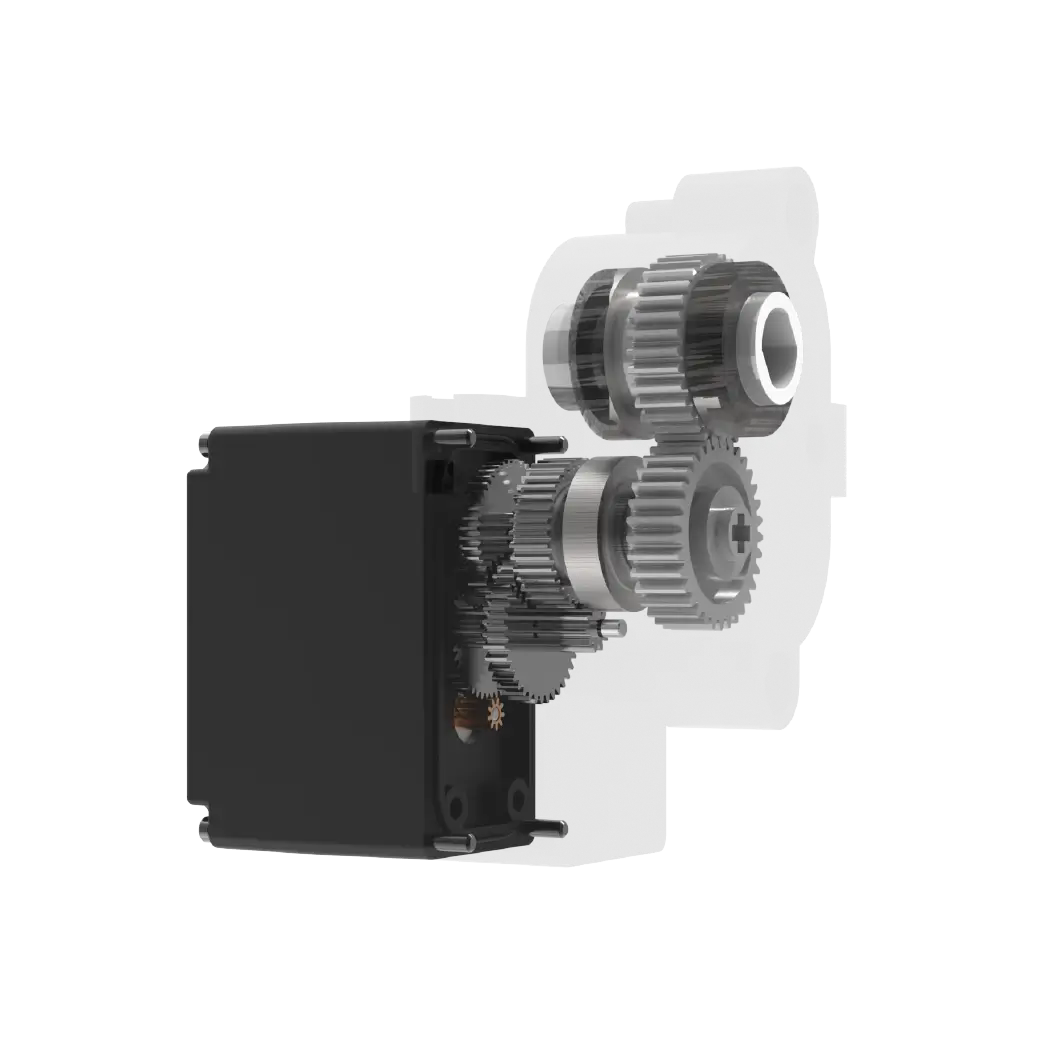
kpowerapproaches this with a bit more grit. When we look at high torque RCservoOEM projects, the focus shifts to thermal management and gear integrity. Steel gears are heavy, yes. But they don't shear like aluminum or brass when the load spikes. They bite. They hold. If the internal housing isn't designed to sink that heat away from the core, the motor is just a very expensive, very small heater.
I’ve seen dozens of projects fail not because the design was bad, but because theservos were treated as an afterthought. You can’t put a lawnmower engine in a tank and expect it to climb a hill. You need the right iron in the box.
Why OEM is the Real Game Changer
Buying a retail servo is like buying a suit off the rack. It might fit, but it’s rarely perfect. Maybe the wire is too short. Maybe the mounting tabs are in the wrong place. Maybe the control signal needs a specific deadband that the standard firmware doesn't support.
This is whykpowershines in the OEM space. It’s about getting a servo that is "born" for your specific machine. You aren't fighting the hardware; the hardware is working for you.
Let’s Talk Real Scenarios
Imagine a large-scale robotic arm lifting a payload at full extension. The leverage is massive. Every millisecond, the servo has to fight to keep that position. If the internal potentiometer is cheap, the arm will jitter. It looks unprofessional and wears out the gears.kpoweruses high-resolution sensing to make sure that once a position is reached, it stays there. No hunting. No shaking. Just a solid, locked-in hold.
Or consider an industrial flap control. It’s under constant wind pressure. A standard servo might hold for a while, but the constant vibration will eventually kill the motor brushes. kpower’s high torque designs often lean into brushless technology for these exact cases. No brushes means no friction, no sparks, and a lifespan that outlasts the airframe itself.
A Quick Back-and-Forth: Common Doubts
Q: "I’ve used high torque servos before, and they always strip the gears. How is kpower different?" The secret is in the heat treatment and the gear ratio. Many brands try to get high torque by using a massive gear reduction with tiny, thin teeth. They break. kpower uses robust gear profiles and hardened alloys. If the load hits a peak, the gears are designed to take the punch, not crumble.
Q: "Does high torque mean slow speed?" Usually, yes. It’s a trade-off. But with a custom OEM approach, you can find the "sweet spot." If you need a bit more zip, the motor winding can be adjusted. You don't have to settle for the one-size-fits-all speed you find in a hobby shop.
Q: "What about the 'jitter' when the servo is at rest?" That’s usually a firmware issue. Standard servos are tuned for general use. In an OEM project, kpower can tune the PID loops (the internal math that controls movement) to match the specific weight and inertia of your load. No more shaking.
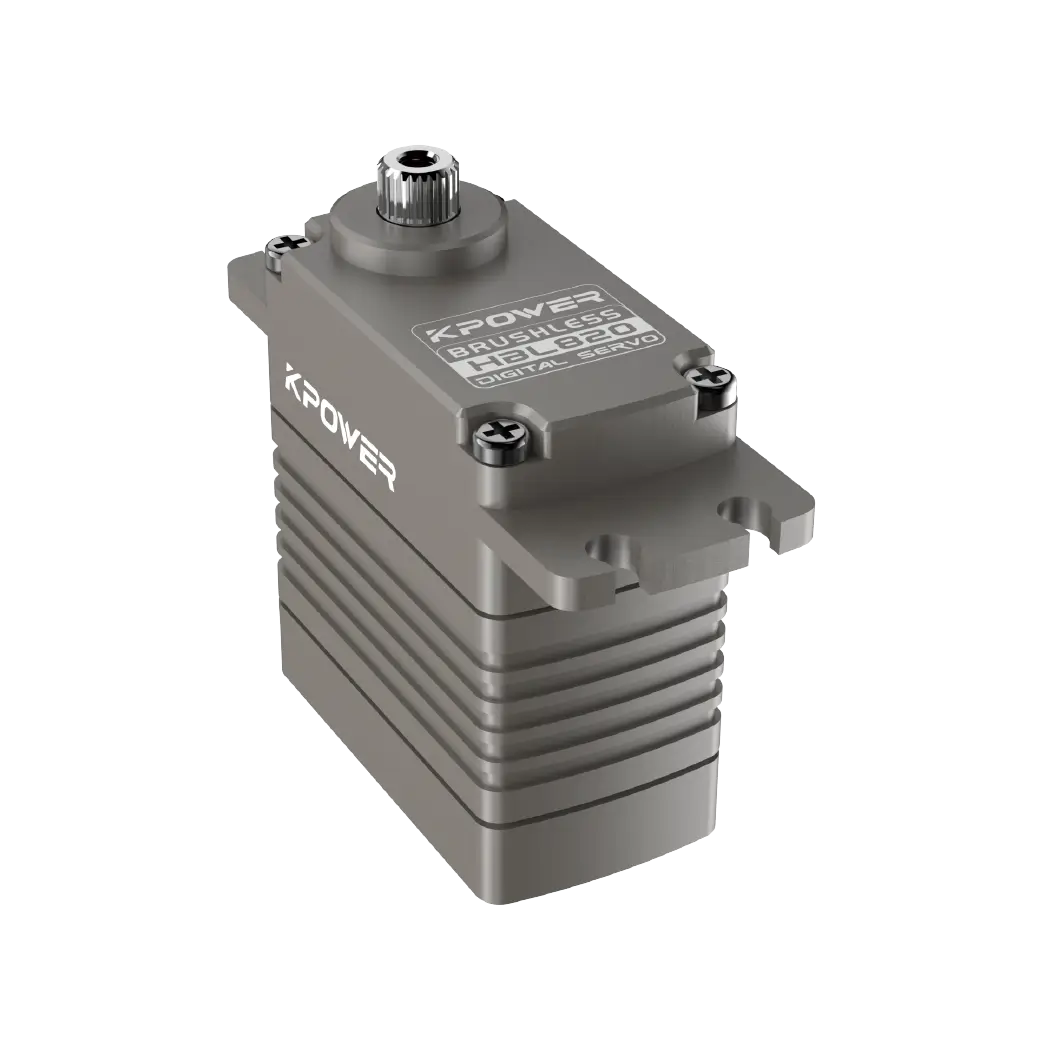
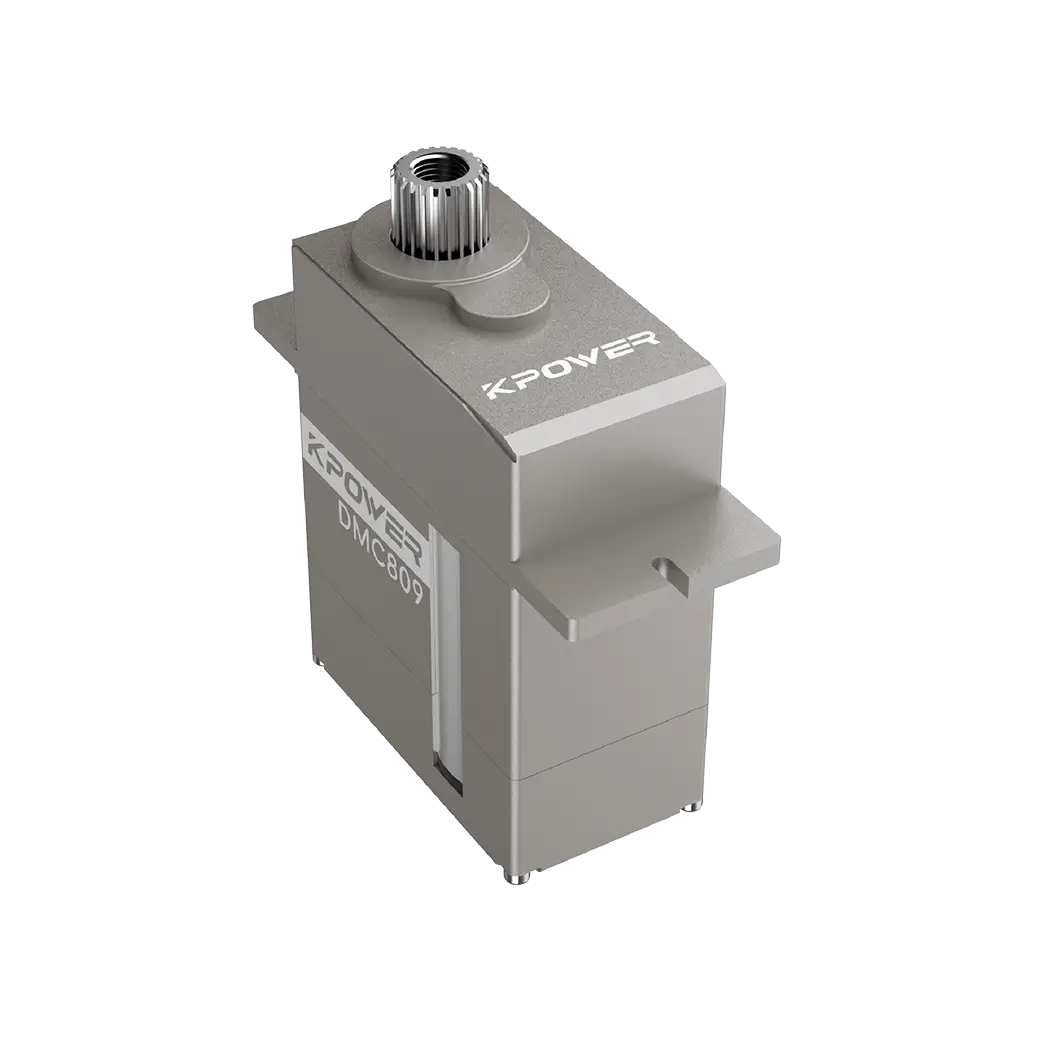
Q: "Is it going to be too heavy?" Weight is a concern, but failing is worse. kpower uses CNC-machined aluminum cases. This provides the strength of a tank but keeps the weight manageable. Plus, that aluminum case acts as a giant heat sink.
The Narrative of Movement
Precision isn't just about moving from Point A to Point B. It’s about how you get there. A high-quality servo feels "smooth." It’s a strange word to use for a machine, but you know it when you see it. It’s the difference between a jerky, mechanical stutter and a fluid, lifelike motion.
When kpower builds a high torque RC servo, they aren't just assembling parts. They are balancing the magnetic flux of the motor against the mechanical resistance of the gear train. It’s a bit of an art form. You want the motor to be "quiet" electronically but "loud" physically.
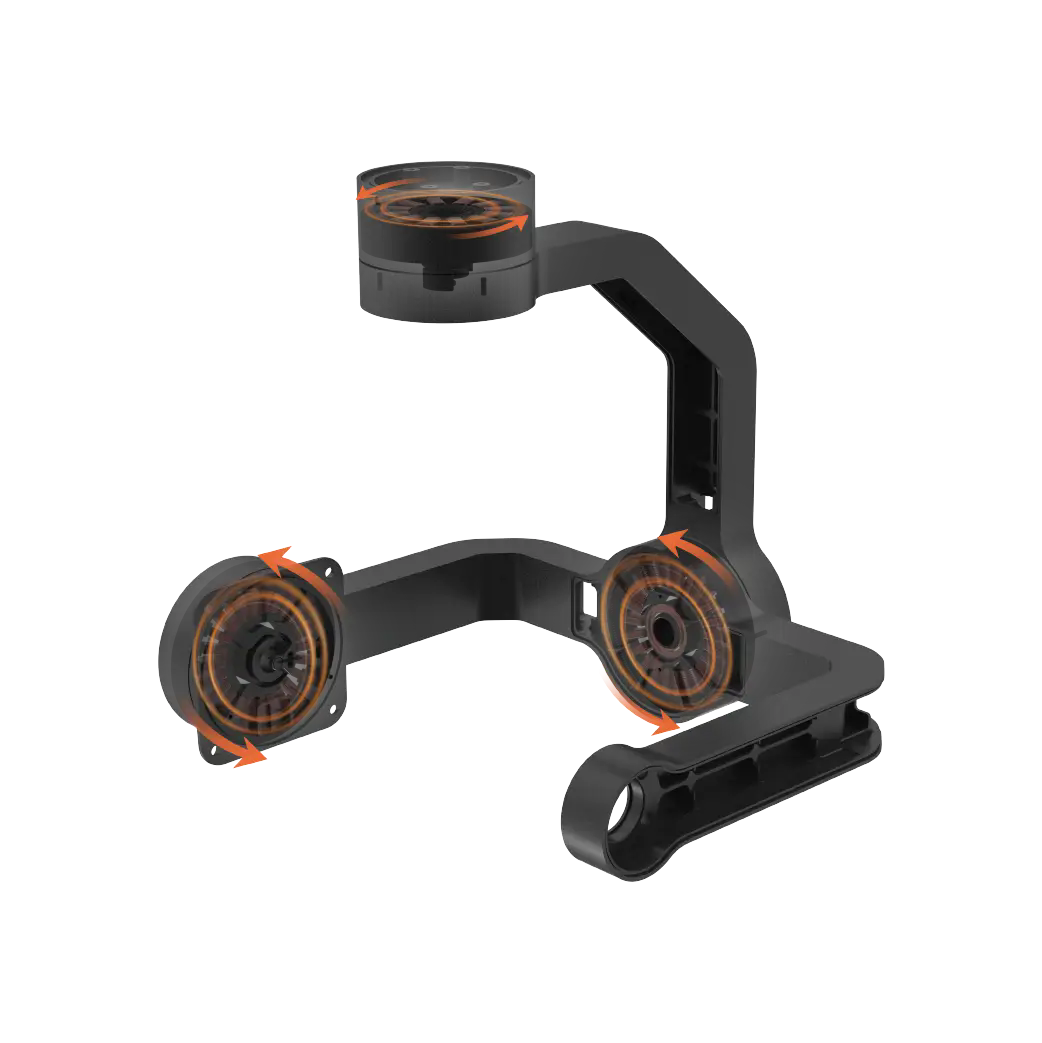
I remember a project involving a heavy-duty camera gimbal for a drone. The weight was significant. Every time the drone tilted, the servos had to fight the inertia of a $10,000 camera. Using standard servos resulted in shaky footage that was useless. Switching to a kpower high torque solution changed the entire dynamic. The camera stayed level, the motors stayed cool, and the drone stayed in the air longer because the servos weren't constantly over-correcting.
The Takeaway
Don't let your project be limited by the weakest link. If you’re pushing the boundaries of what a small machine can lift or move, the servo is your most critical component. It’s the point where electricity becomes action.
kpower understands that every project has a soul. Whether it’s a scale model, a robotic platform, or an industrial actuator, the servo needs to be as ambitious as the person who designed it. If you need muscle that doesn't quit, precision that doesn't jitter, and a partner that understands the "why" behind the "how," the OEM path is the only one that makes sense.
Stop settling for what’s on the shelf. Let the hardware catch up to your imagination. Look at the gears, feel the weight of the case, and listen to the motor. If it’s kpower, you’ll know it’s ready for the heavy lifting. The next time you power up your project, make sure the sound you hear is the smooth hum of success, not the grind of a motor giving up.
Established in 2005, Kpower has been dedicated to a professional compact motion unit manufacturer, headquartered in Dongguan, Guangdong Province, China. Leveraging innovations in modular drive technology, Kpower integrates high-performance motors, precision reducers, and multi-protocol control systems to provide efficient and customized smart drive system solutions. Kpower has delivered professional drive system solutions to over 500 enterprise clients globally with products covering various fields such as Smart Home Systems, Automatic Electronics, Robotics, Precision Agriculture, Drones, and Industrial Automation.
Update Time:2026-01-22

Contact Kpower's product specialist to recommend suitable motor or gearbox for your product.