







TECHNICAL SUPPORT


Published 2026-02-22
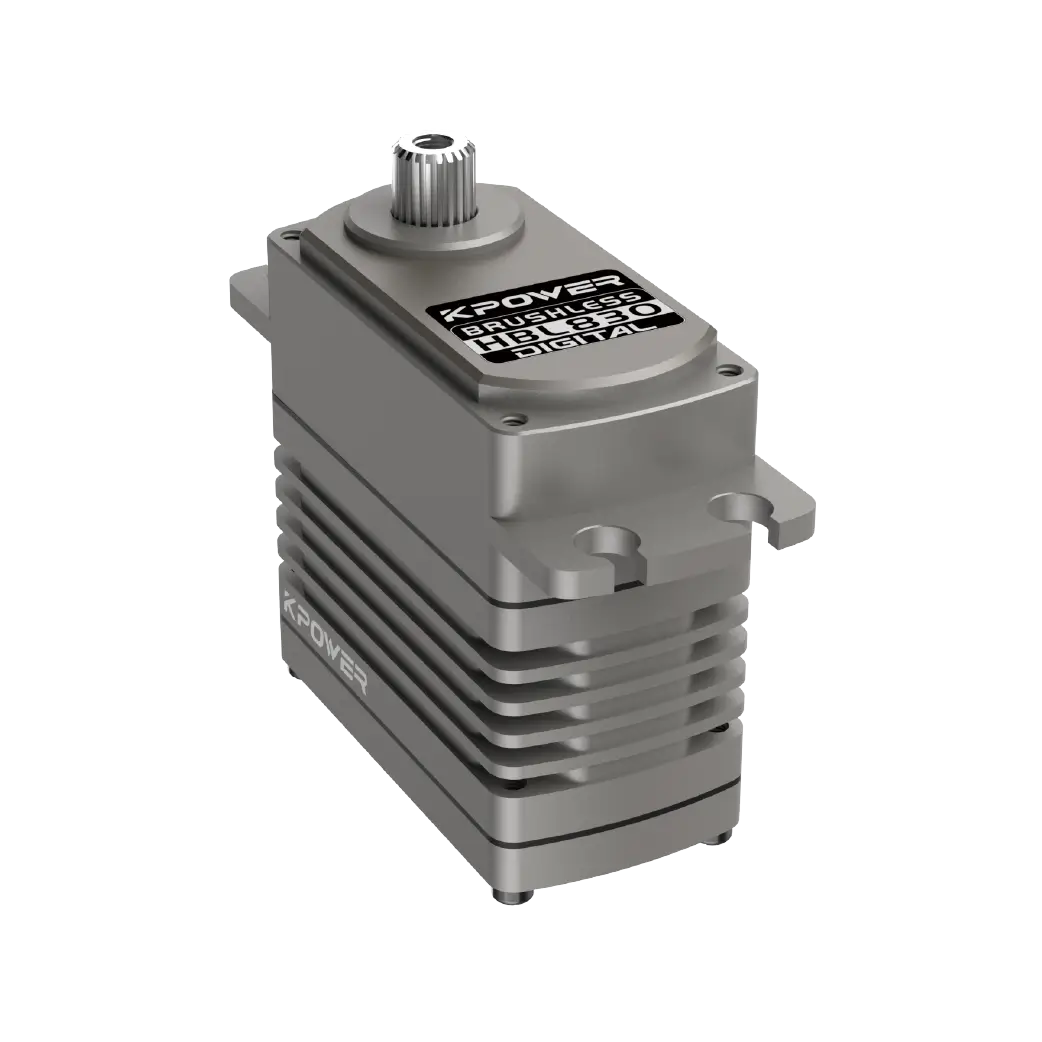
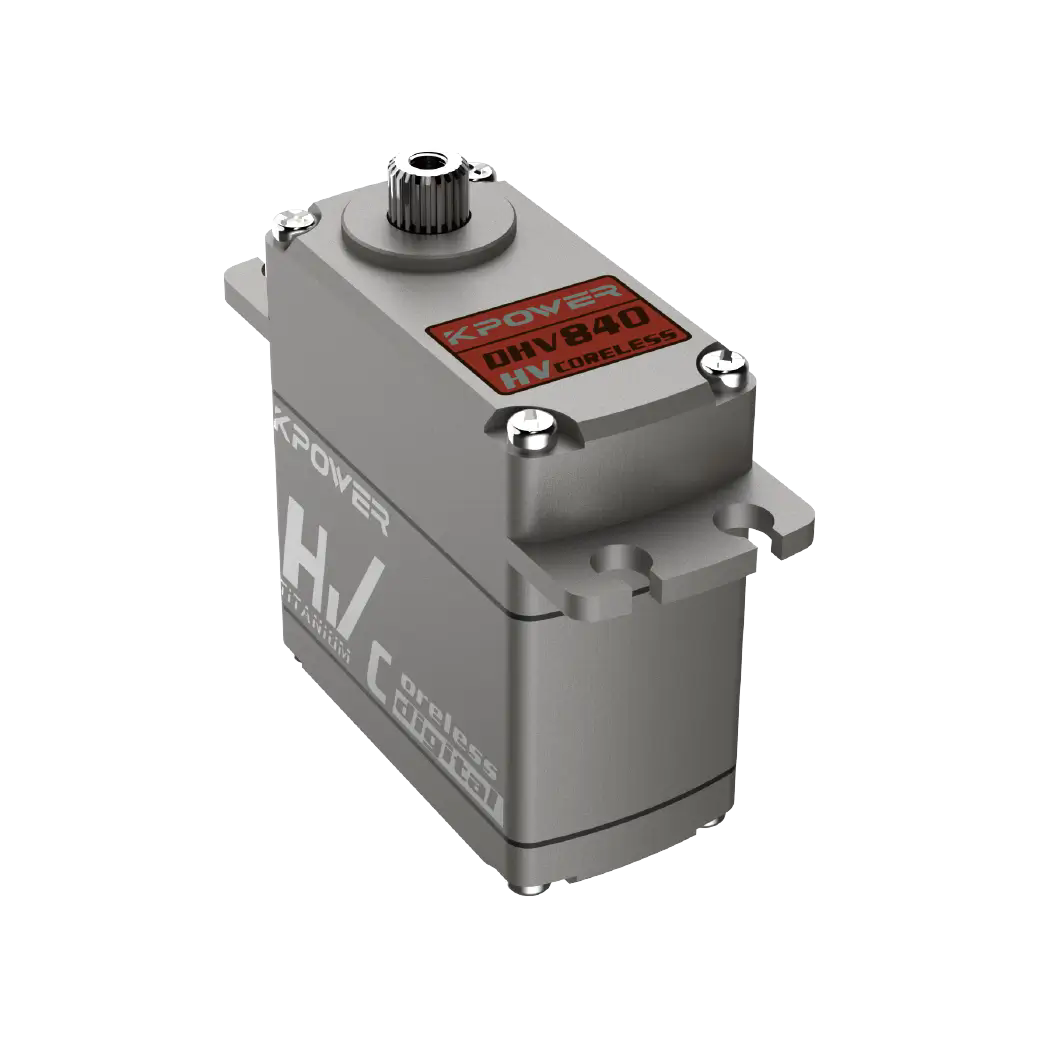
Have you ever encountered such a situation when working on products? I want to make a joint move to achieve a certain function, but when it comes to what to use to drive it, I get stuck. Especially theservo, it sounds familiar, but if I really want to use it in my own design, I feel unsure. How does it work? Why do someservos turn accurately while others wobble? Don't worry, let's take a look at the inside and outside of the steering gear today.
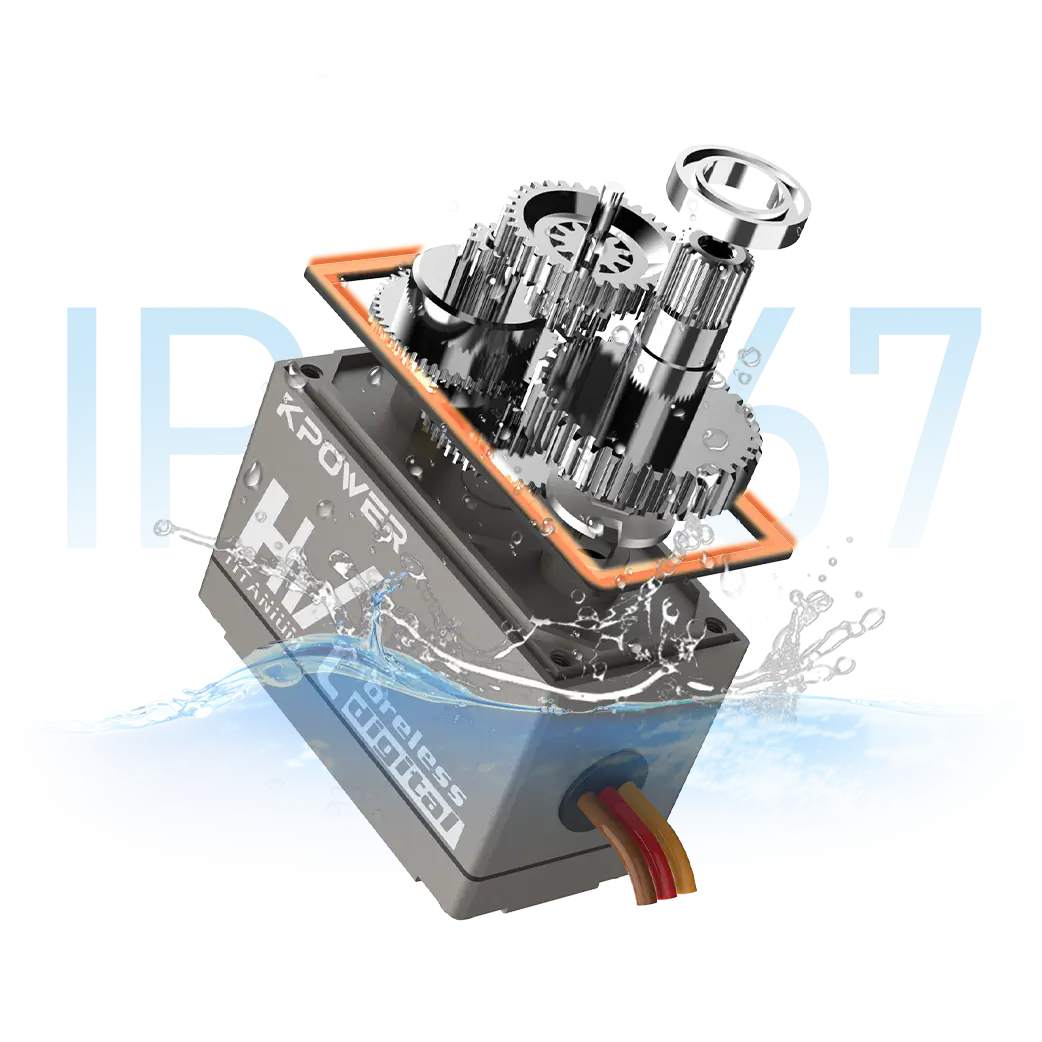
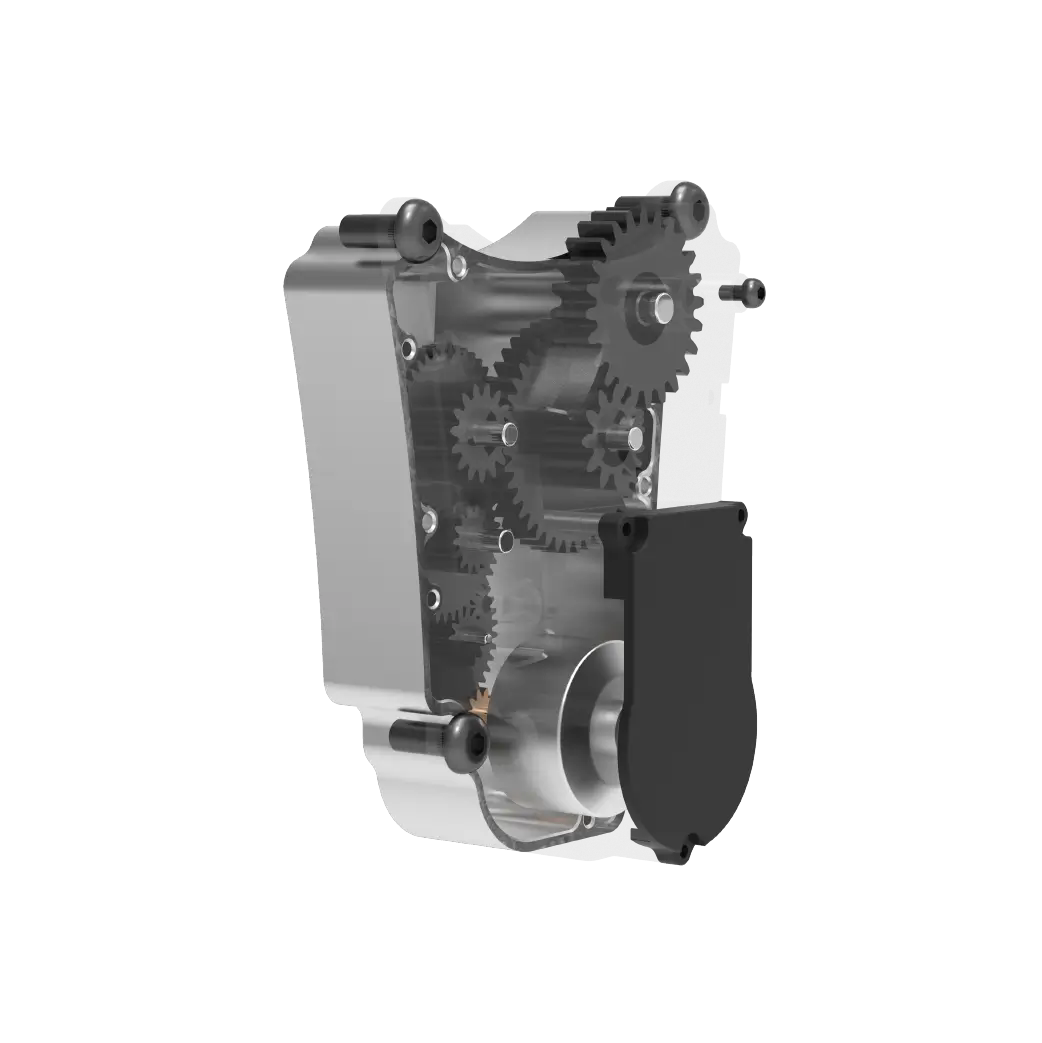
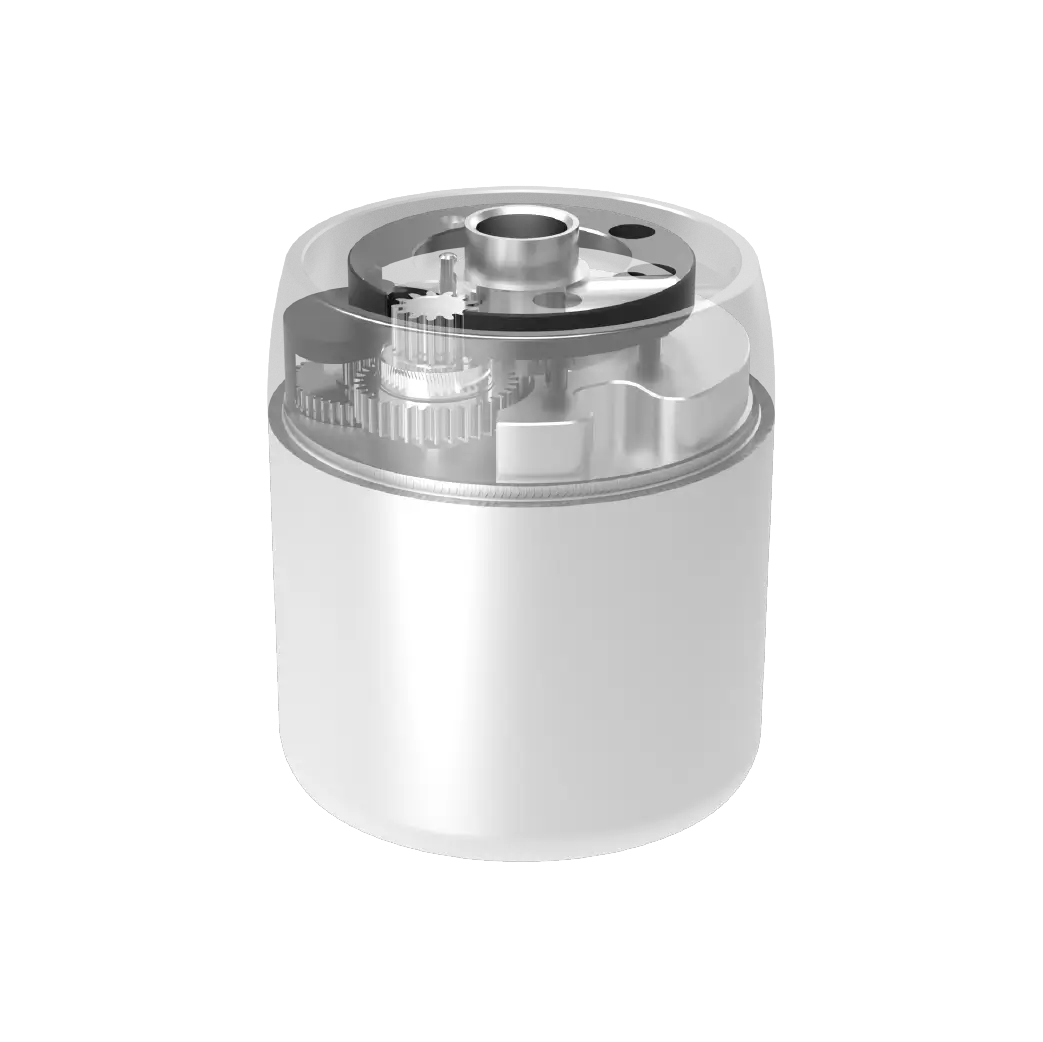
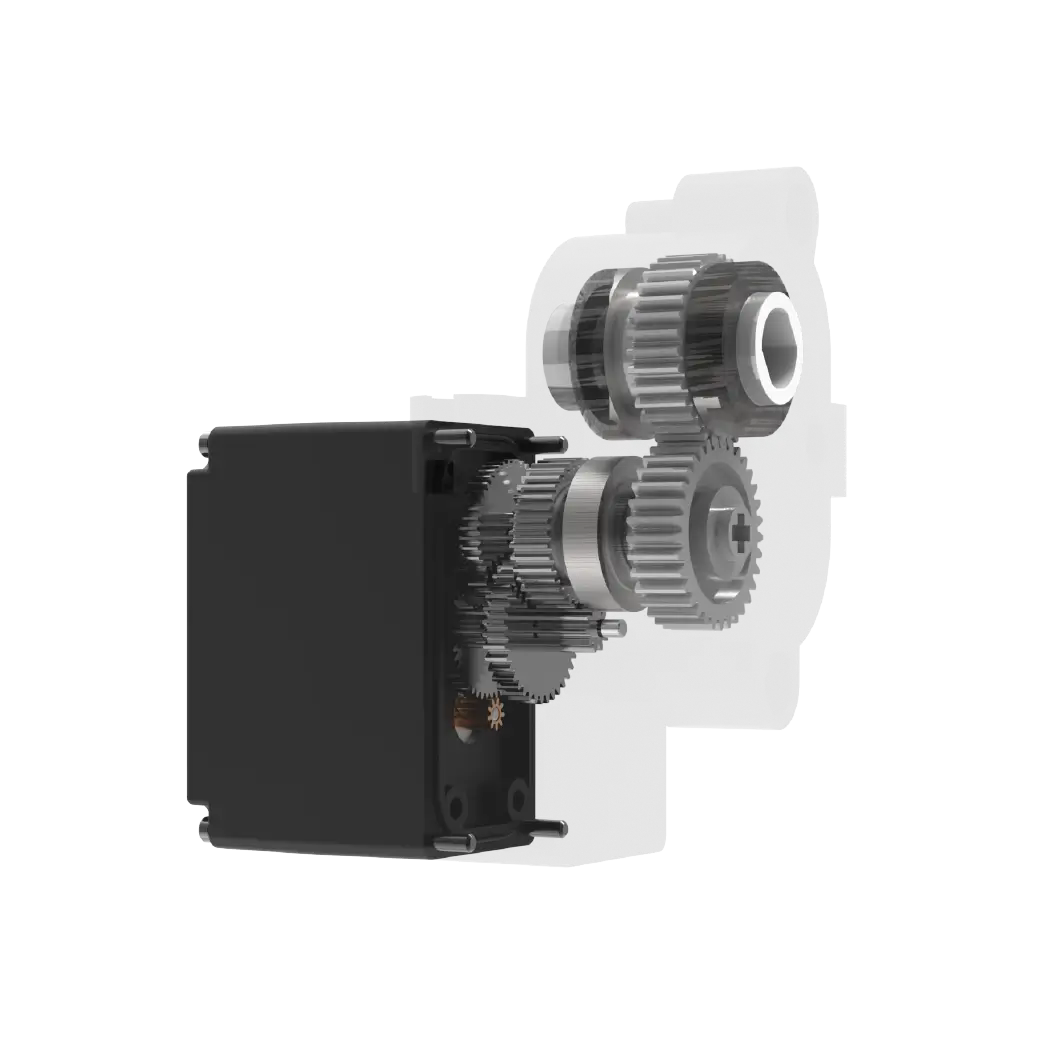
Many people don't understand at first how theservocan turn to a specified angle when given a signal. In fact, its core principle is not that mysterious. You can think of it as an "obedient little turntable". In this small turntable, there is a motor responsible for rotation, a gear responsible for deceleration and amplification of power, and the most critical small part called a "potentiometer".
This potentiometer is like an angle sensor, it can always know where the small turntable is turned. When you want it to turn to a position, the control system will look at: "Is the current position the position you want?" If it is not there yet, let the motor continue to rotate until the position is accurately aligned. This forms a closed loop of constant detection and adjustment, so it can turn so accurately.
When it comes to controlling the servo, the three letters PWM cannot be avoided. It sounds very scary, but it actually means "pulse width modulation". You can think of it as a "switch rhythm". Just like when we blink, if we keep it open for a long time and close it for a short time, others can see different meanings.
For the steering gear, the rhythm of this "switch" is the time ratio between the high level and the low level of the electrical signal. What the steering gear looks at is not the voltage level, but the duration of this high level. Generally speaking, a high level of 1.5 milliseconds corresponds to the middle position, 1 millisecond corresponds to one extreme, and 2 milliseconds corresponds to the other extreme. You only need to precisely control the duration of this high level through programming, and you can make the axis of the servo rotate to any angle you want.
I visited several stores and found that there are big and small servos, expensive ones and cheap ones. How do I choose? It depends on your needs. First of all, we have to look at "strength", which is torque. Is the object you want to break heavy? Is there much resistance? If it's a robot joint, you have to choose one with a higher torque, otherwise it won't be able to lift its arm at all.
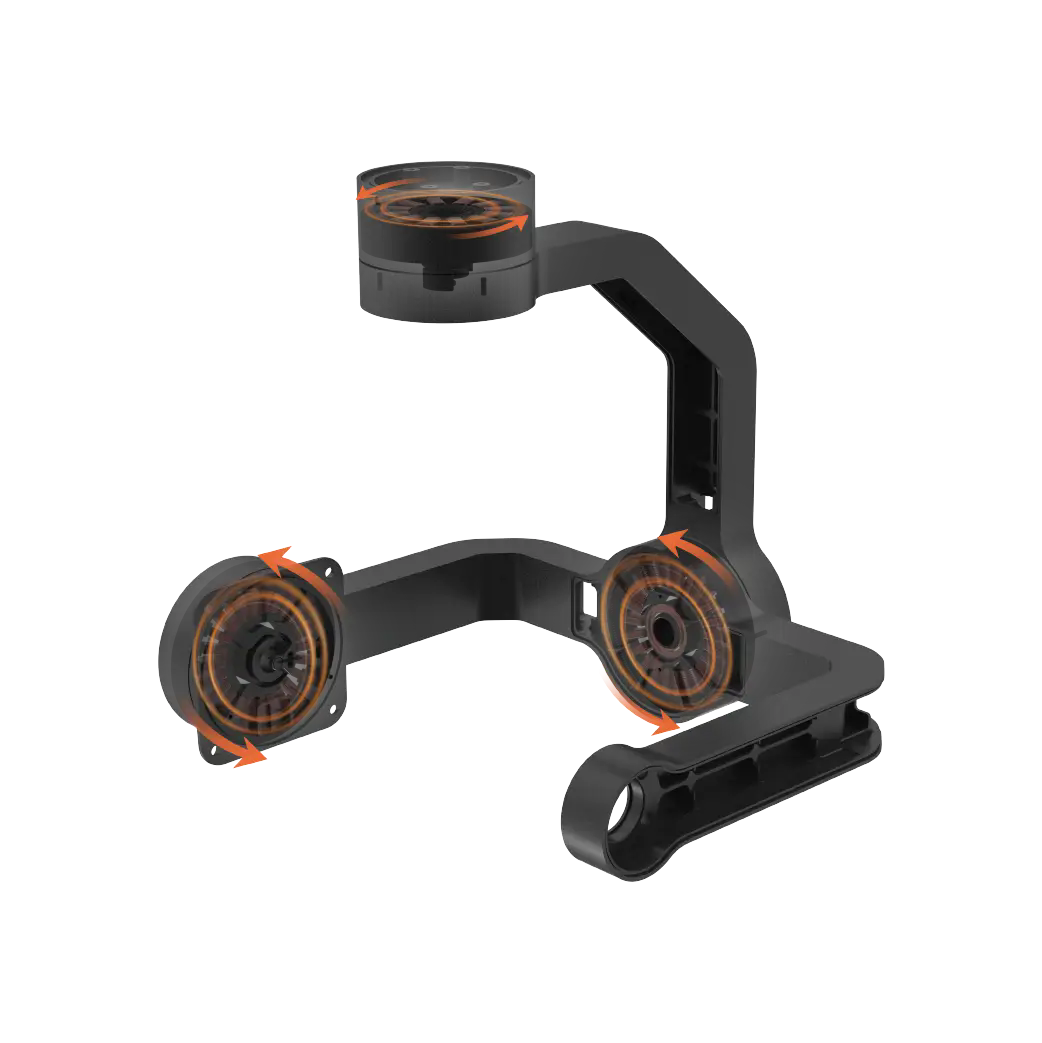
Secondly, it depends on speed and accuracy. Does your project require it to respond quickly, or do it need it to spin slowly but with extreme precision? For example, when making a gimbal, it needs to be highly precise, otherwise the picture will shake. In addition, the working voltage is also critical. Make sure your main control board can match it. Choosing a servo is like matching tires to a car. It depends on the road conditions and the weight of the car. Only when they are matched can they run smoothly.
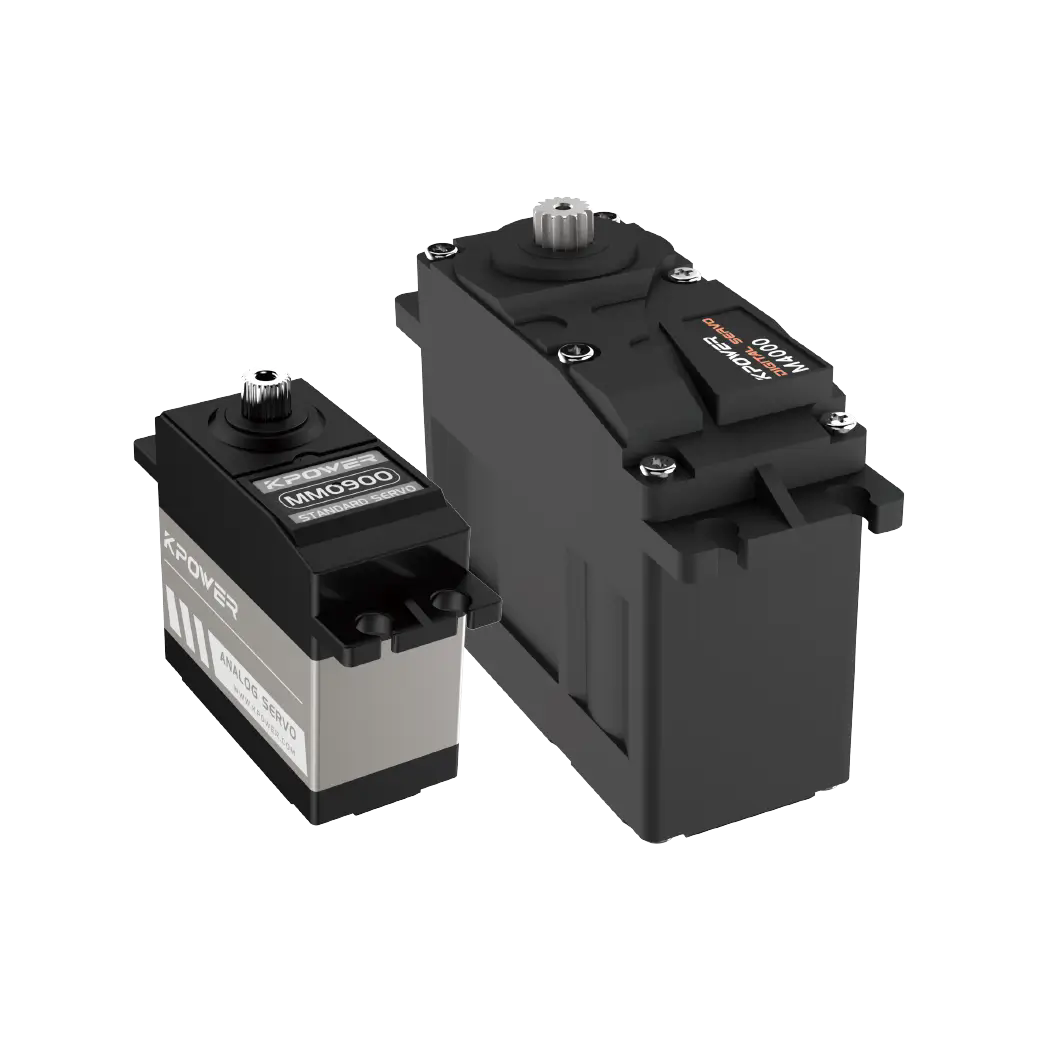
When buying, you may see the terms "digital servo" and "analog servo". What is the difference between them? To put it simply, the analog servo is like a diligent but slow-responsive employee. If you give an instruction, it will be executed at a fixed frequency.
The digital servo is like an all-rounder with ultra-fast response. It has a small processor inside that can receive higher frequency control signals. This means it responds faster, has smaller dead zones (areas of insensitivity), and stops more accurately. Of course, the price is usually higher as well. If you have sufficient budget and the project requires high accuracy and response speed of movements, such as making a bionic robot, then digital servos will be a better choice. But if you just want to make a simple remote control car steering, the analog steering gear is completely enough.
I bought the right servo, but there were a lot of pitfalls when installing it. The most common thing is to overtighten the screws or use screws that are too long, which directly penetrate the servo housing and damage the internal gears and circuit boards. It's like installing a protective case on a mobile phone, but it's the wrong size and the screen is crushed.
There is also the installation of the steering wheel. The steering wheel and the output shaft must fit closely. If they are not tightened tightly or there are debris, there will be empty positions during operation, which will greatly reduce the control accuracy. In addition, when connecting the steering wheel to the structure you want to drive, if the linkage mechanism is unreasonably designed and forms a "dead spot", the steering gear will hold back, causing it to heat up and shake, or to burn out directly. You must pay more attention to these details when doing it.
I believe you must have encountered that as soon as the servo is installed and powered on, it begins to vibrate like a Parkinson's disease, indicating that it is disobedient. Don’t panic, there are usually several reasons for this. The most common one is insufficient power supply. The current when the servo is started is very large. If the power supply cannot keep up, it will easily vibrate out of control when the voltage fluctuates. At this time, try changing to a high-power power supply, or adding a large capacitor to the circuit.
Another common cause is interference with the signal. If the control wire is too long or tied together with the motor power wire, it is easy to introduce noise. Try adding a magnetic ring to the signal line, or adjust the wiring. Finally, if it is a digital servo, it may be because the PID parameters have not been adjusted properly and are too sensitive and need to be re-adjusted. Troubleshooting a problem is like solving a crime. Starting from the simplest power supply can often find the real culprit the fastest.
I hope what we talked about today can help you thoroughly understand the "small joint" of the steering gear. Think back to when you were making products, which steering gear problem was the most troublesome? Is it because I am not sure about the model selection, or is it because of constant bugs in debugging? Welcome to chat about your experience in the comment area. If you find it useful, don’t forget to give it a like and share it with more friends who make products.
Update Time:2026-02-22

Contact Kpower's product specialist to recommend suitable motor or gearbox for your product.