







TECHNICAL SUPPORT


Published 2026-02-25
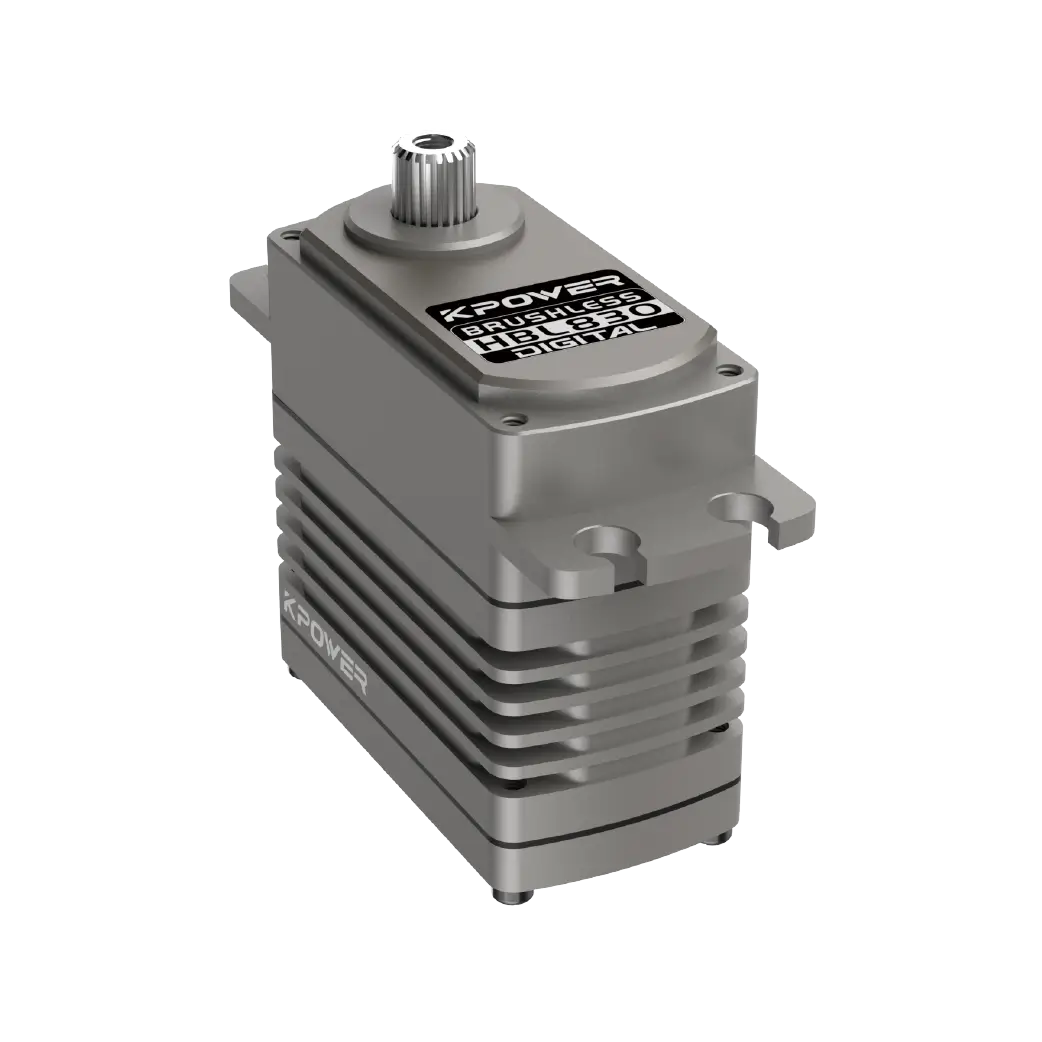
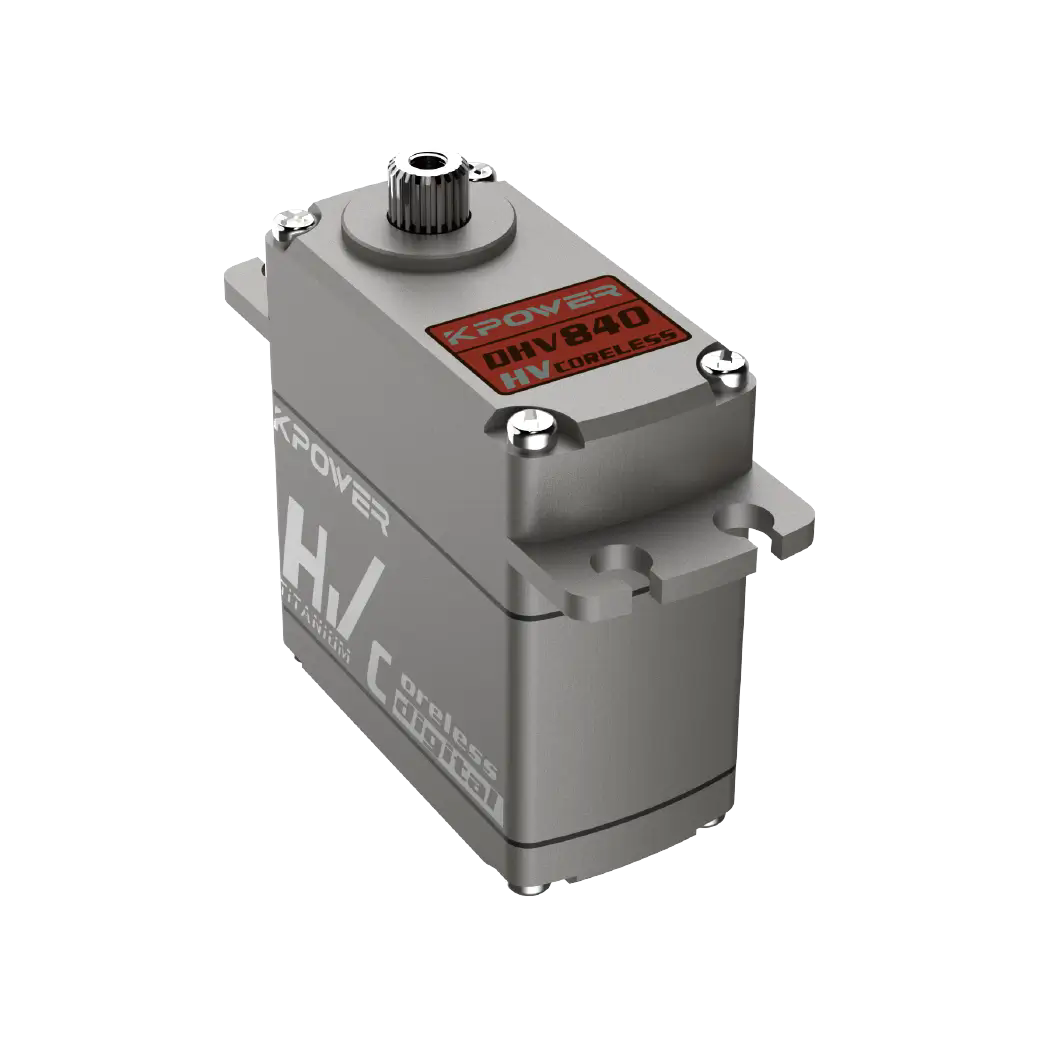
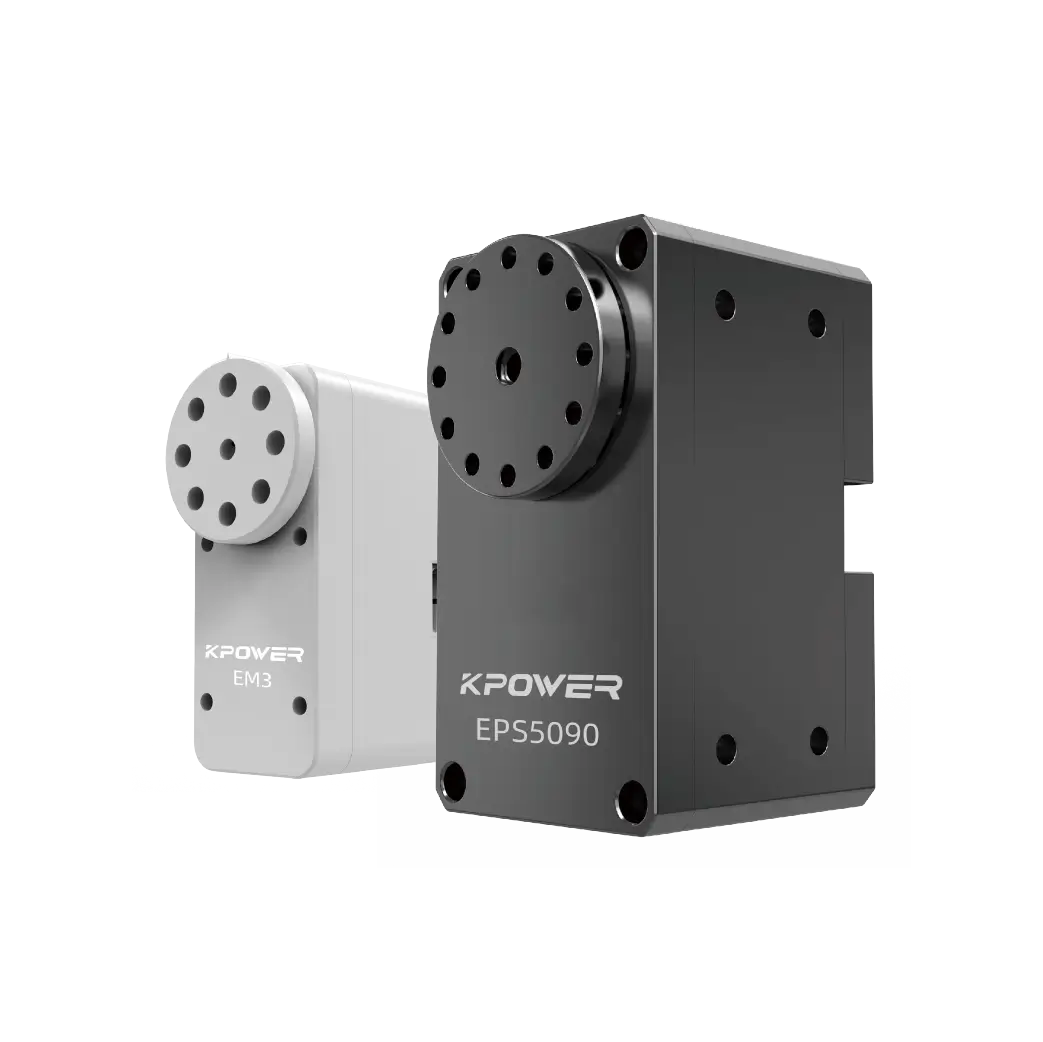
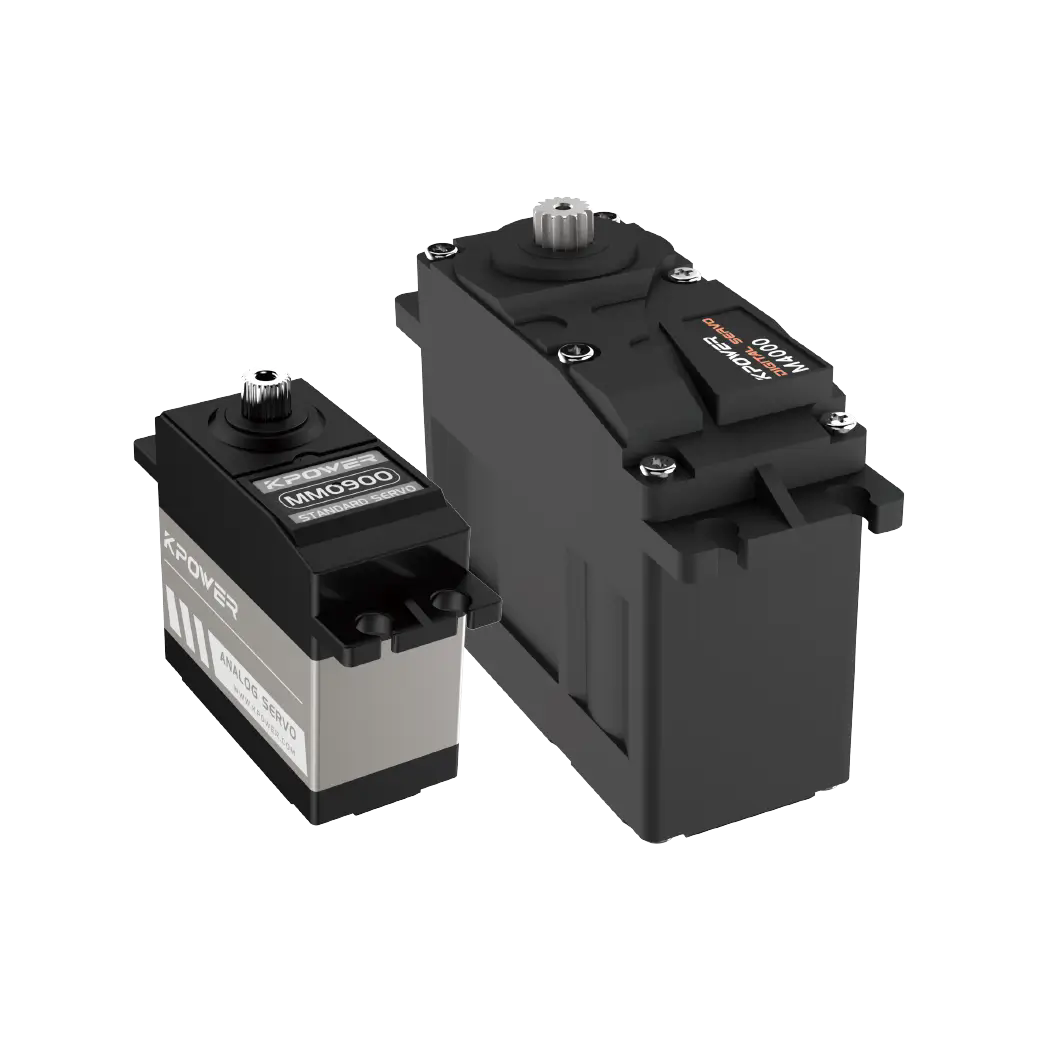
When playing with robots, especially making your own robots that can move and run, the most troublesome thing is choosing aservo. There are all kinds ofservos on the market, and the parameters all look similar. However, when installed, they either vibrate, are not strong enough, or are burned out. In fact, the problem probably lies in your not choosing the right "robot-specific steering gear". This thing is really different from the ordinaryservos we usually use on model aircraft.
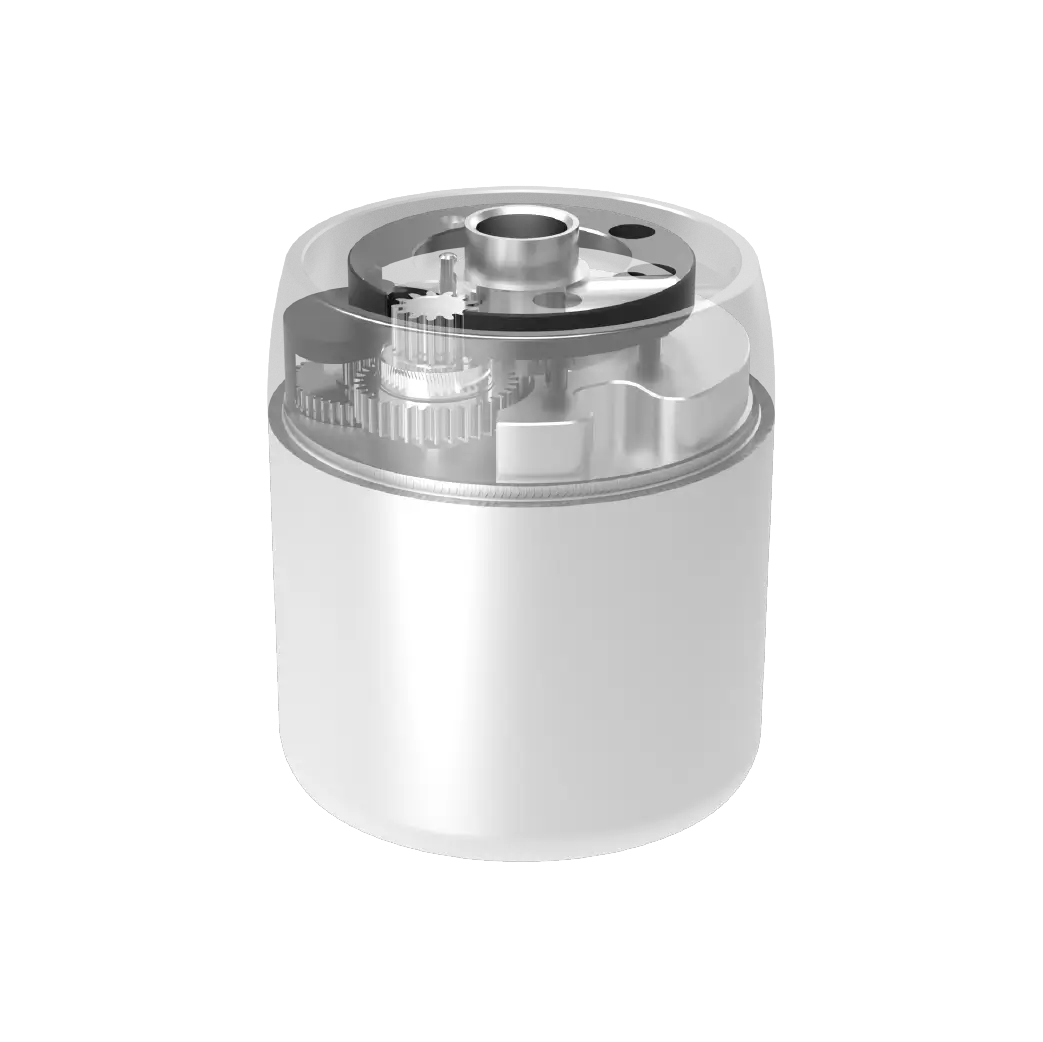
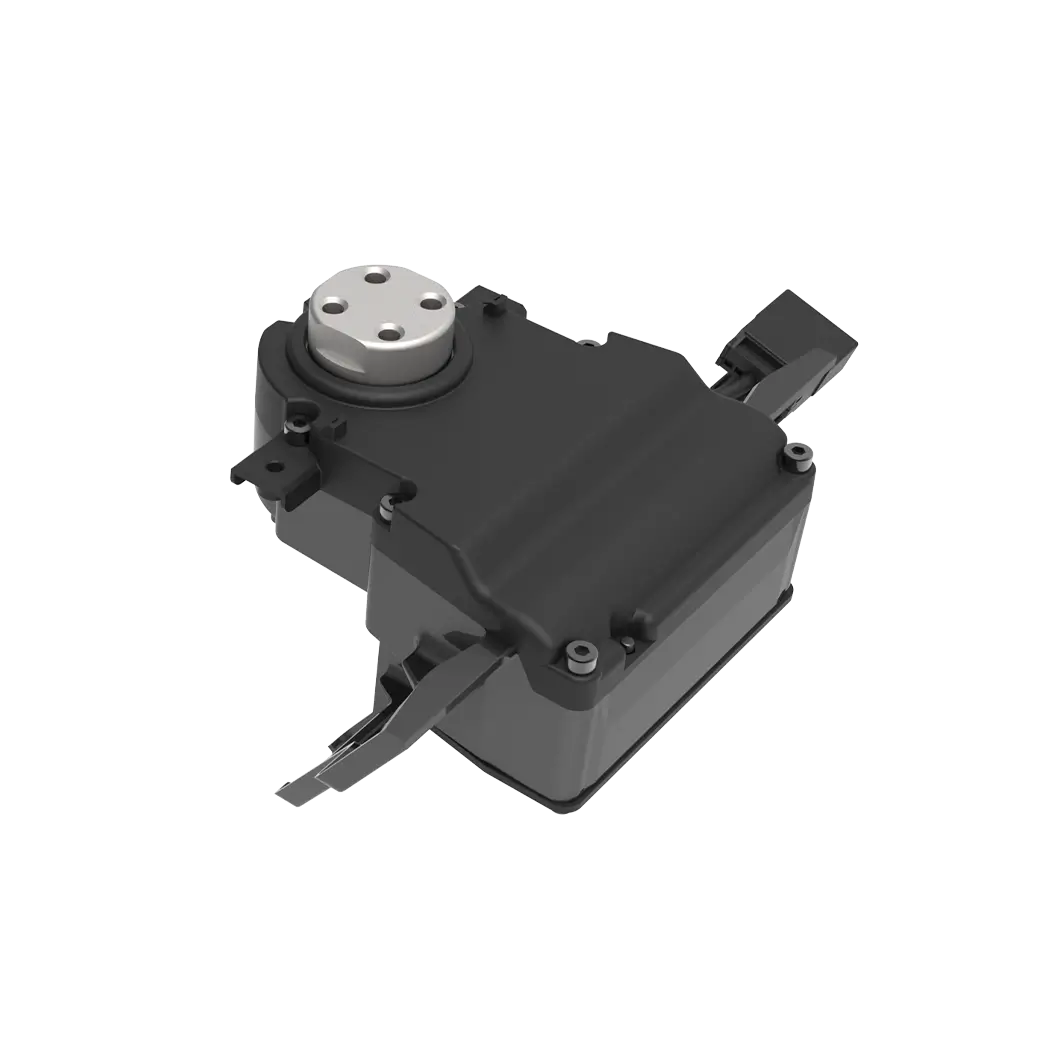
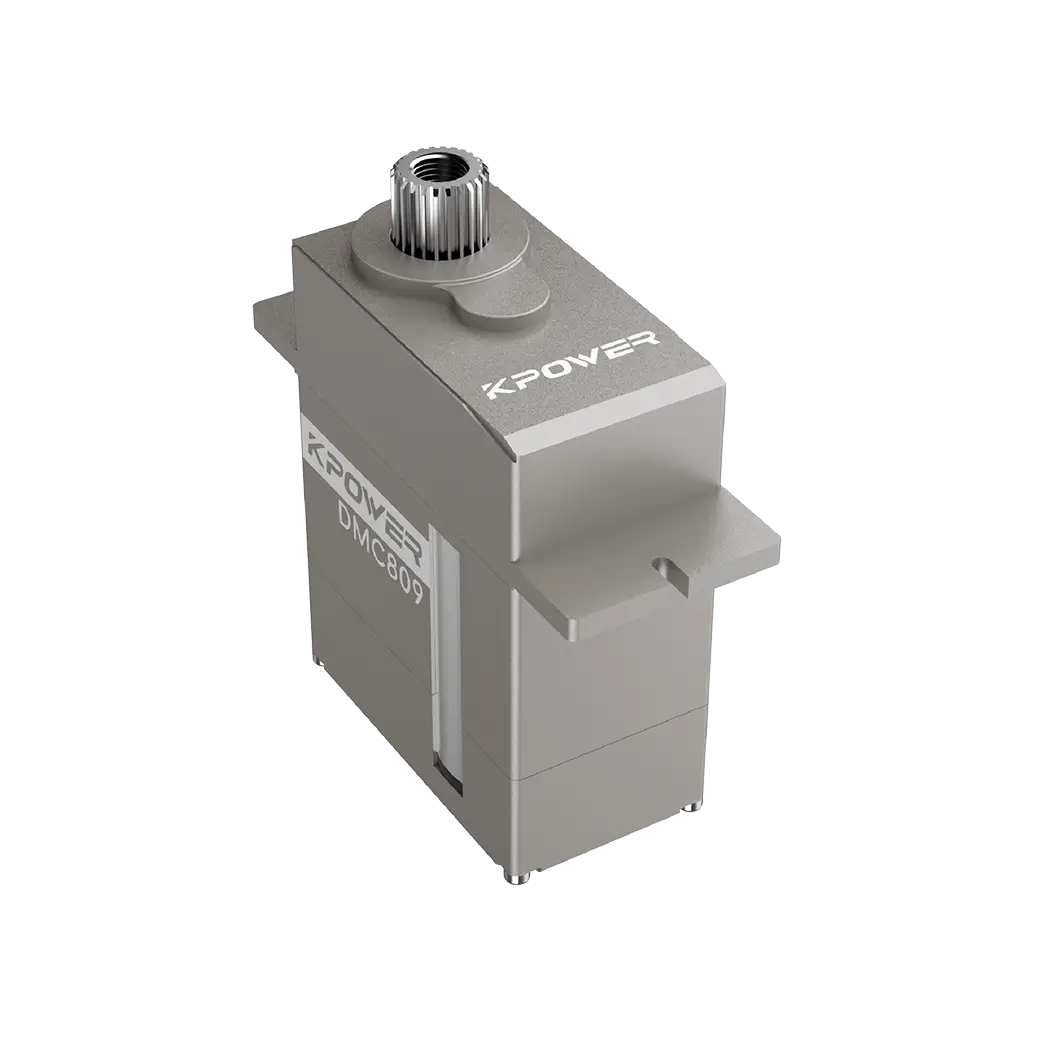
Many people initially used the servos from airplane models for robots because they wanted to be cheap or convenient, but they found that it didn't work at all. Ordinary servos are mainly used to swing quickly in a short time, such as controlling the rudder surface of an airplane. But the robot is different. It needs to maintain a posture for a long time, or turn slowly and accurately, which requires higher "standby" and "precise control" capabilities of the servo.The robot-specific steering gearwas designed with these in mind. Its motors, gears and circuit boards are all optimized for repeated starts and stops and precise positioning.
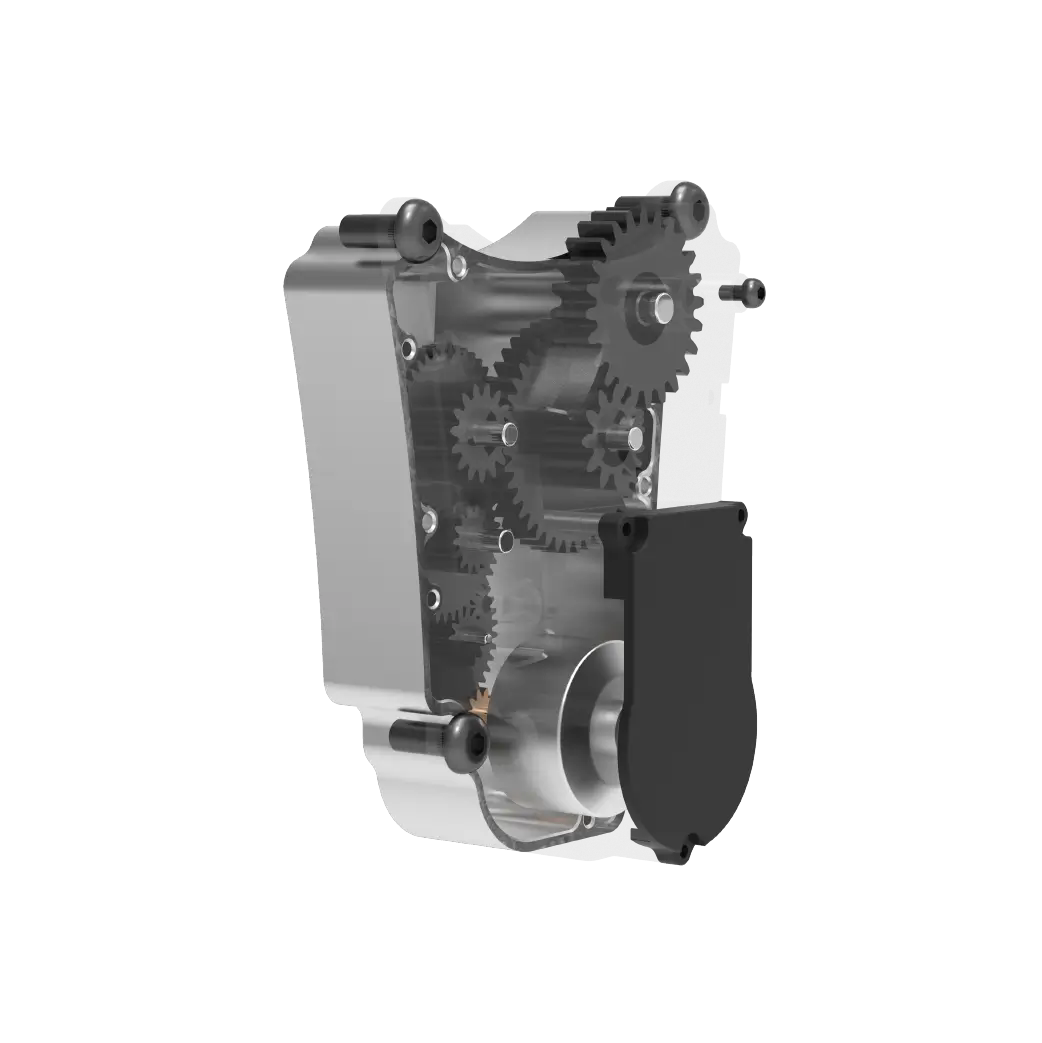
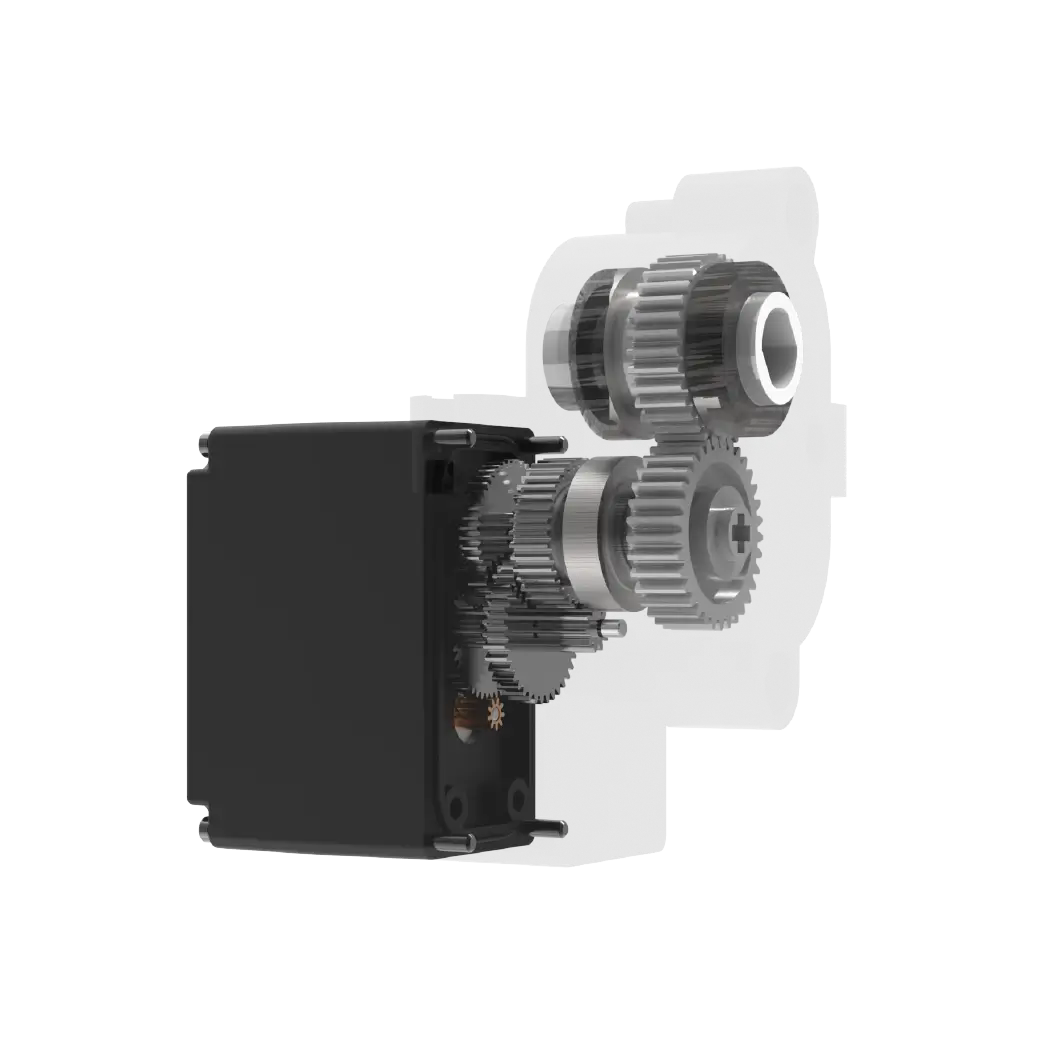
Moreover, robot joints often have to withstand large torques, especially when standing or supporting. When ordinary servos are subjected to such continuous force, the internal gears are easily worn or even damaged. Special-purpose servos usually use stronger metal gears to cope with this continuous load. You can imagine that one is asking you to lift the dumbbell occasionally, and the other is asking you to keep lifting the dumbbell and never put it down. The muscle strength required is definitely different.
When buying a steering gear, merchants will list a bunch of parameters, such as torque, speed, angle, etc. Torque is the most critical, it determines how strong your robot can be. This parameter is usually expressed in kg·cm, which means how many kilograms of objects can be driven 1 cm away from the center of the steering axis. When choosing a servo for a robot, it is recommended to leave a certain margin. For example, if it is calculated that a force of 10kg is required, then choose a 15kg one. This way the robot can move with ease and will not heat up or even burn due to a large load.
Another thing that's easy to overlook is angle accuracy. Whether the servo can go to the precise position you want depends on this. Ordinary analog servos have poor accuracy, while most of the robot-specific servos are digital servos, which have higher accuracy and faster response. In addition, it also depends on its "dead zone" range, that is, if you give it a small instruction, it will not move. The smaller the dead zone, the more sensitive the servo will be and the more stable it will be for fine movements.
The vibration of the servo is a very frustrating problem. I originally wanted to make a smooth movement, but it ended up shaking all the time. There are two most common reasons for jitter: one is insufficient power supply. When all joints of the robot exert force at the same time, the instantaneous current is very large. If the power supply cannot keep up and the voltage is unstable, the servo will vibrate out of control. At this time, you need a powerful enough battery, such as a lithium battery with a high discharge rate.
Another reason is the algorithm problem of the steering gear itself. The internal PID control algorithm of some low-end servos is relatively simple. When the external load changes, it is easy to correct back and forth, causing jitter. A goodrobot-specific steering gearhas a more intelligent control algorithm and can be adjusted in real time according to the load, making the movement smoother. To solve the jitter, you can try to slightly increase the transition time of the action in the program, or do a good job of shock absorption in the physical structure. Do not let the servo be directly connected rigidly to hard metal parts.
️ 1. Look at the torque and size
First, calculate how much your robot weighs and how much force each joint needs to support. Then look at the physical size of the servo to see if it can fit into the structure you designed. Never buy a large servo only to find there is no room to install it.
️ 2. Check the working voltage
Different servos support different voltage ranges. The voltage is high, the torque is high, and the speed is fast, but it also generates a lot of heat. You need to choose according to your main control board and battery voltage to ensure that the servo can work stably under your system voltage.
️ 3. Look at the control method
The current mainstream is PWM signal control, but there are also some smart servos that use serial communication to directly feed back angle, temperature and voltage information. This kind of smart servo is more convenient to debug and can help you find problems faster. For example, which joint is overheated, it can be dealt with in time.
When installing the servo, do not tighten the fixing screws too tightly. Leave a little buffer to reduce vibration. At the same time, make sure that there is no empty space between the steering gear plate and the connecting piece of the robot joint, that is, it cannot sway. If there is a false position, the servo will first hit the neutral position as soon as it is started, causing an impact, which will affect the accuracy and easily damage the gear.
In addition, wiring is also critical. If the servo cable is too messy, it may be pulled or stuck during movement. You can use cable ties to organize the wires and fix them on the robot. In terms of program, when you first start debugging, the movement speed must be slowed down. First check to see if it will get stuck or interfere with it. Make sure there is no problem before speeding up. This is the safest way.
When you usethe robot-specific steering gearcorrectly, the most direct feeling is "stability". When making movements, it can reach the designated position accurately without unnecessary shaking, making videos much better. Moreover, its response speed is fast. When you design some complex actions that require quick switching, it can keep up with it, and the overall performance of the robot will reach a higher level.
What's more, durable. Although the dedicated servo may be a little more expensive, it is not easy to break and there is no need to disassemble the robot every three days to replace the servo. The time and maintenance costs saved are actually much more cost-effective than the little money saved in the first place. This way, you can focus more on creativity and programming instead of being a "maintenance man" all day long.
Having said all that, what is the most troublesome steering gear problem for you when you are making robots? Is it not accurate enough or is it prone to heat? Welcome to leave a message in the comment area to share your experience, and we can discuss and solve it together. If you find this article useful, don’t forget to like and share it with more friends who play robots!
Update Time:2026-02-25

Contact Kpower's product specialist to recommend suitable motor or gearbox for your product.