







TECHNICAL SUPPORT


Published 2026-02-28
Friends who are engaged in steering gear design, I believe that we have all encountered such a situation: we have drawn the drawings with great joy, but the manufactured steering gear is in various conditions. It either keeps shaking, or cannot turn to the designated position, or even stops running directly, as if it is "on strike". This is actually a problem caused by not fully understanding the design specifications. A set of high-quality steering gear is by no means simply piled up of parts. There must be a set of rigorous and scientific design logic behind it.
Today, let’s calm down and talk about the “rules” in steering gear design that must be understood in depth. These "rules" are crucial to the design of the steering gear. They cover every aspect from the initial concept to the final product. They are the key to ensuring that the steering gear can operate stably and accurately. Only by mastering these "rules" can we avoid detours on the road of steering gear design and design better steering gear products.
To put it bluntly, steering gear design is like building a human skeleton and nervous system. You must first understand how much workload it has to bear? Should its "arms" be thick or thin? This will determine the size of the gears and motor. Next, we need to consider how precise its rotation is. Is it possible to deviate slightly? This is related to aspects such as feedback control and circuit design.
Also, is the environment cold or hot? Is it dry or moist? These factors will influence the choice of materials and seals. Only by sorting out these root problems can the steering gear design not deviate from the correct direction.
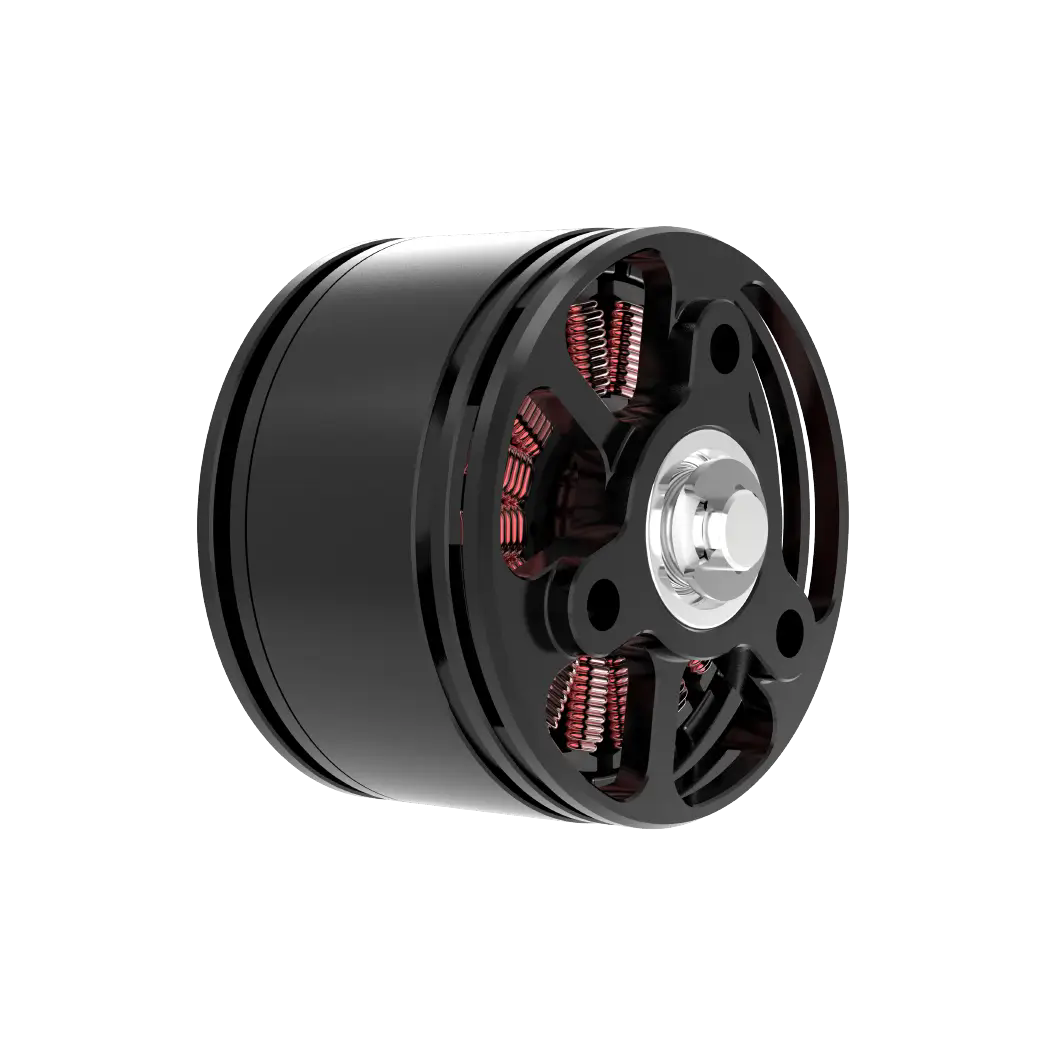
The power of the steering gear depends entirely on the key component of the motor, which is as important as the heart of the steering gear. Among the common motor types, there are iron core motors and coreless motors. The iron core motor is relatively cheap and the power it generates is enough to meet general needs. However, its starting speed is relatively slow, so it is more suitable for application scenarios that do not have particularly high performance requirements.
Coreless motors have the characteristics of fast response and high efficiency. When used in equipment such as robots or model aircraft, they can make the movements of the equipment extremely flexible and smooth. When selecting a motor, you cannot just focus on the single factor of power, but you must also comprehensively consider the matching torque and speed requirements. This is just like equipping a car with an engine. The displacement of the engine must match the weight of the vehicle to ensure optimal vehicle performance.
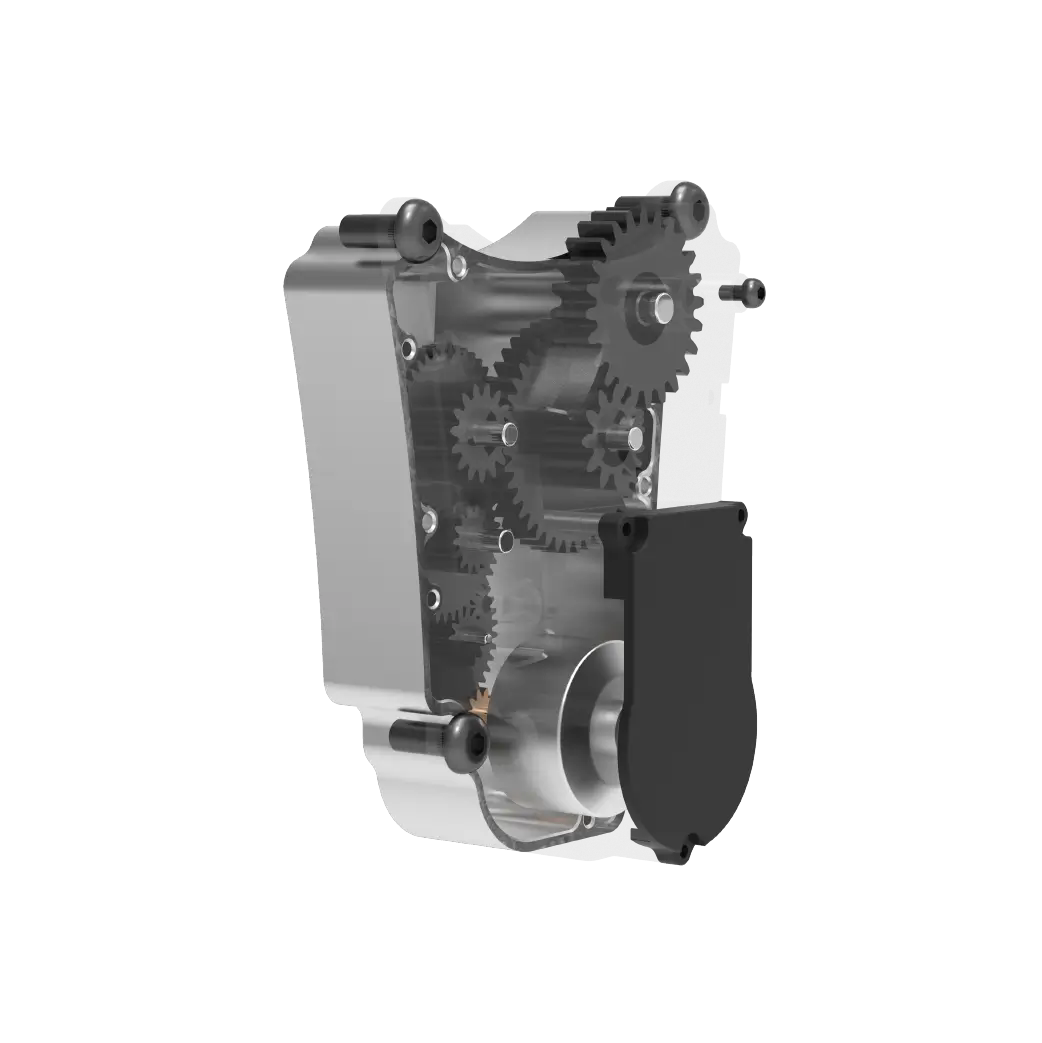
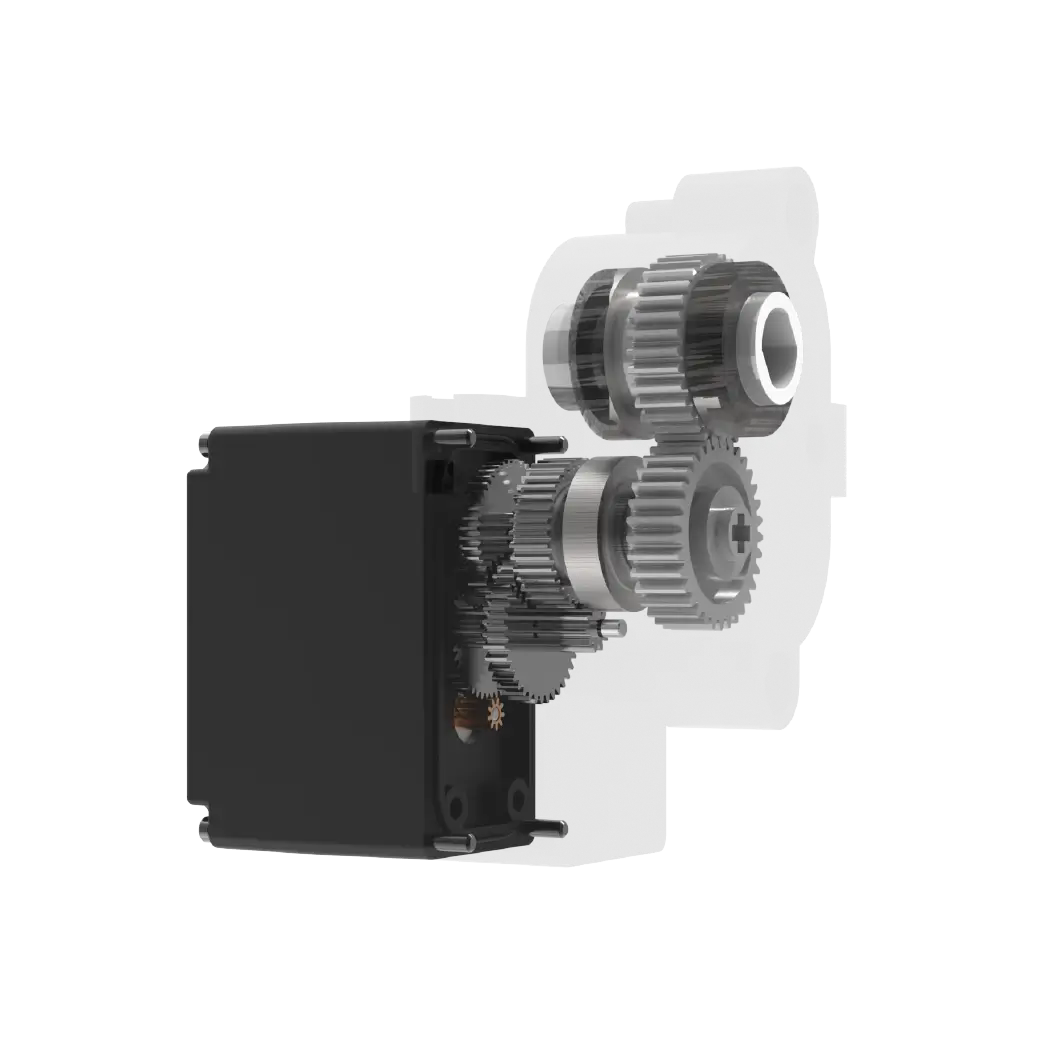
Once the gear breaks, the steering gear becomes useless. Metal gears have high strength and are extremely durable. They are most reliable when used in scenarios that require large torque or frequent work, such as industrial equipment or heavy-duty models. Nylon or plastic gears are much quieter and relatively low-cost, and are suitable for use on toys or small indoor models. In terms of accuracy, if the gap is too large, the idling phenomenon will be obvious and the accuracy will be lost; if the gap is too small, jamming will easily occur. You must find the right "golden combination".
The control circuit is like the brain of theservo, which plays a decisive role in the operating characteristics of theservo. It determines whether the servo is silly and fast, or has silky smooth performance. The circuit structure of the analog servo is relatively simple and the cost is relatively low. However, it is prone to jitter when running at low speeds, just like a novice driving.
The digital servo is equipped with a main control chip, which can adjust the starting and braking curves through programming, making the action extra linear and truly hitting where you point. If you expect to achieve precise and delicate control, such as in the production of bionic robots, then digital servos are undoubtedly the best choice.
If you want the servo to know where it is turning, it all depends on the "sensor" of the potentiometer. Carbon film potentiometers are the most common, with low cost, average lifespan and stability, and are suitable for daily use. Conductive plastic potentiometers are much more advanced, wear-resistant, highly precise, and have stable signals, but their prices have also gone up. When designing, you have to think about it, should this servo rotate back and forth all the time, or should it move occasionally? If the movement frequency is high, you have to spend more budget on the feedback system.
The new servo has been successfully designed, but its performance still needs to be tested on the platform. The first step is to measure the no-load speed, mainly observing the idling speed of the servo in the no-load state.
Then comes the second step, which is crucial. A torque tester is needed to measure the stall torque of the steering gear to explore the ultimate force it can withstand. And this step requires several consecutive measurements. During the process, pay close attention to the heating status and torque attenuation of the steering gear. The third step is to measure the accuracy of the return to the center point. After programming the servo to rotate the same angle repeatedly, check whether the position is consistent each time it stops. If it is far different, it means that the return difference of the servo is too large.
The servo is small in size and has high power density. Poor heat dissipation is a dead end. Motors and driver chips are the two major heat sources. Structurally, you can consider using a metal shell to help conduct heat, or leaving a large area of copper foil on the circuit board for heat dissipation. In terms of layout, keep the motor as close to the side as possible and don't pile heating elements together. Imagine being crowded in the subway in the summer. The heat is unbearable when people are next to each other. The same principle applies to the inside of the steering gear. An evacuation channel must be left for the heat.
After talking about so many tricks in design, in the end they all serve one goal: to make your servo use more smoothly. If you are worried about model selection, you might as well go to the official websites of those steering gear manufacturers and take a look at their technical parameters and application cases. More specific solutions are often hidden there.
Finally, I want to ask you, among the servos you have used, is there any one whose design makes you feel particularly considerate or particularly crazy? Welcome to chat about your practical experience in the comment area. Don’t forget to like and share good stuff with more friends!
Update Time:2026-02-28

Contact Kpower's product specialist to recommend suitable motor or gearbox for your product.