







TECHNICAL SUPPORT


Published 2026-03-02
Have you ever encountered this situation - you press theservowith your hand and want it to turn to a precise angle, but the result is always a few degrees off, or you need it to automatically adjust according to the distance of the object, but you don't know where to start? Many people play withservos and let them swing in a fixed manner at first. But to really make the project "alive", theservos must have "eyes", which are the ultrasonic sensors we are going to talk about today. It can sense the distance and then tell the servo how much to move, so that your smart trash can, automatic obstacle avoidance vehicle or robotic arm can really become smart.
Many beginners will ask, the servo rotates well by itself, why do we have to use ultrasonic waves to control it? In fact, the reason is very simple, just like if you reach for a cup with your eyes closed, there is a high probability that it will tip over. If the servo has no feedback, it is a "blind person". The ultrasonic sensor is like giving it a pair of eyes. When a servo-driven mechanism (such as a flap or camera) needs to change its position according to changes in the external environment, only through ultrasonic ranging can this kind of "visible" intelligent control be achieved, upgrading the work from simple execution to perceptual interaction.
To be honest, connecting ultrasonic waves and servos sounds quite bluffing, but in fact its underlying logic is very straightforward. You can think of it like a bat, making sounds from its mouth and hearing the echoes. This is what the ultrasonic module does. It emits a sound that is inaudible to the human ear and bounces back when it hits an object. The distance can be calculated based on the time difference. You don’t have to worry about your poor programming foundation at all, because the ready-made libraries have already encapsulated complex calculations. You only need to learn to read a number, which is the distance value, and then use this number to determine the angle of the servo. It's that simple.
This is the most critical and core step in the entire process, and it is also where many people encounter obstacles and get into trouble. What you get is a distance value, such as 10 centimeters, 50 centimeters, etc., but what the servo needs to operate is an angle value, such as 0 degrees, 90 degrees, etc. So how can we make these two things of different natures correspond accurately? ️The core method is "mapping". You can set a rule: when the object is at a position of 20 cm, the servo will turn to 0 degrees accordingly; when the object is at a position of 5 cm, the servo will turn to 180 degrees. The specific distance in the middle of these two distance values will correspond to an angle in the middle of these two angle values. In this programming environment, there is a magical function calledmap(), which can automatically help you accurately match these two different ranges of values one by one. In this way, you do not need to calculate those complicated mathematical formulas yourself.
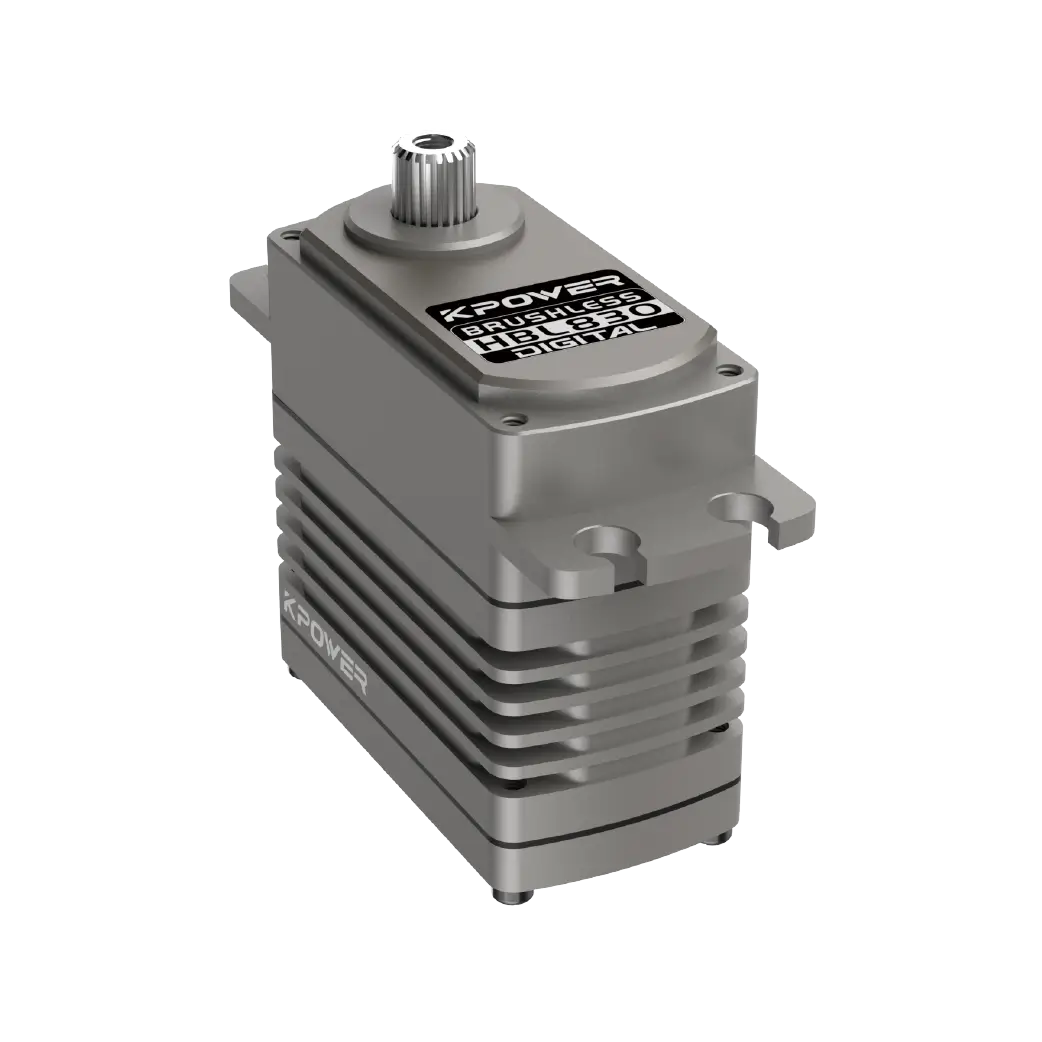
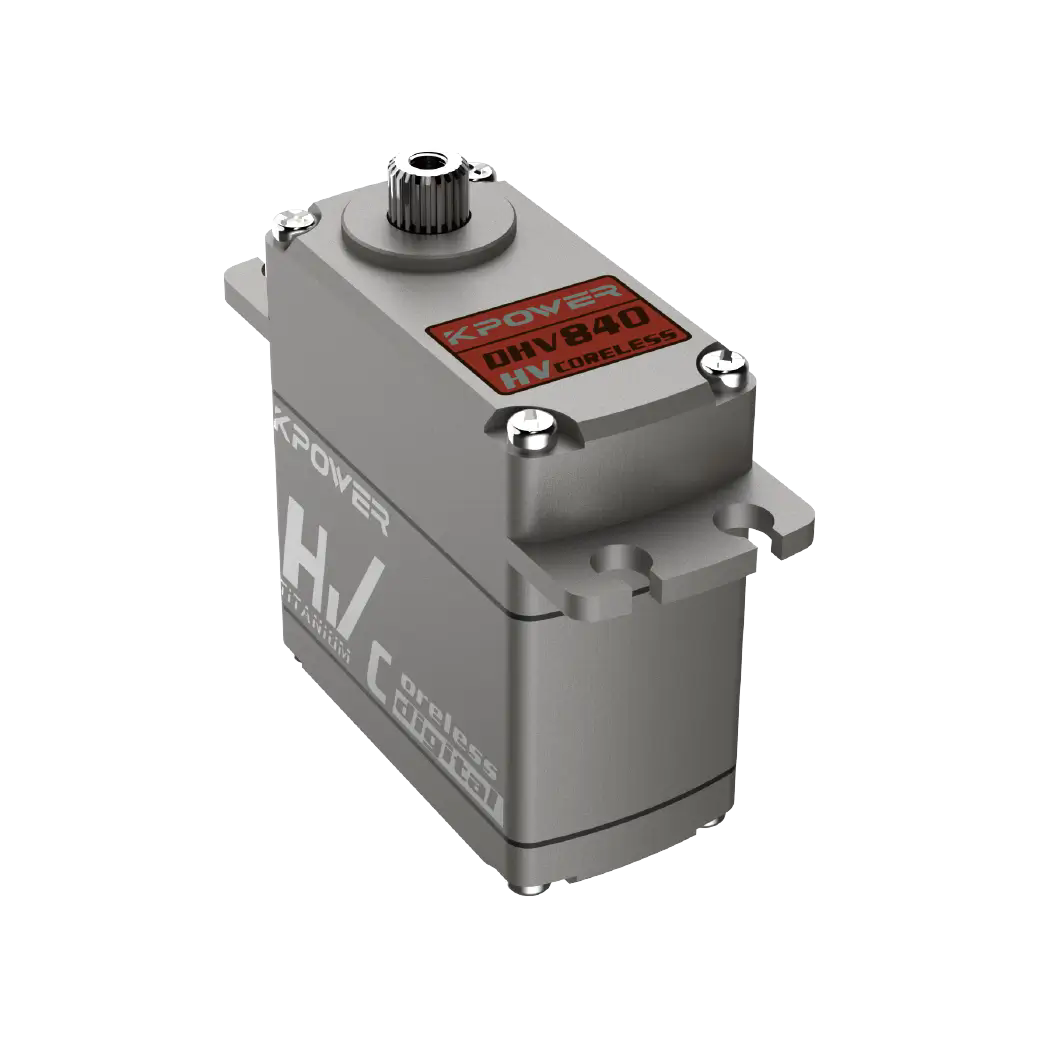
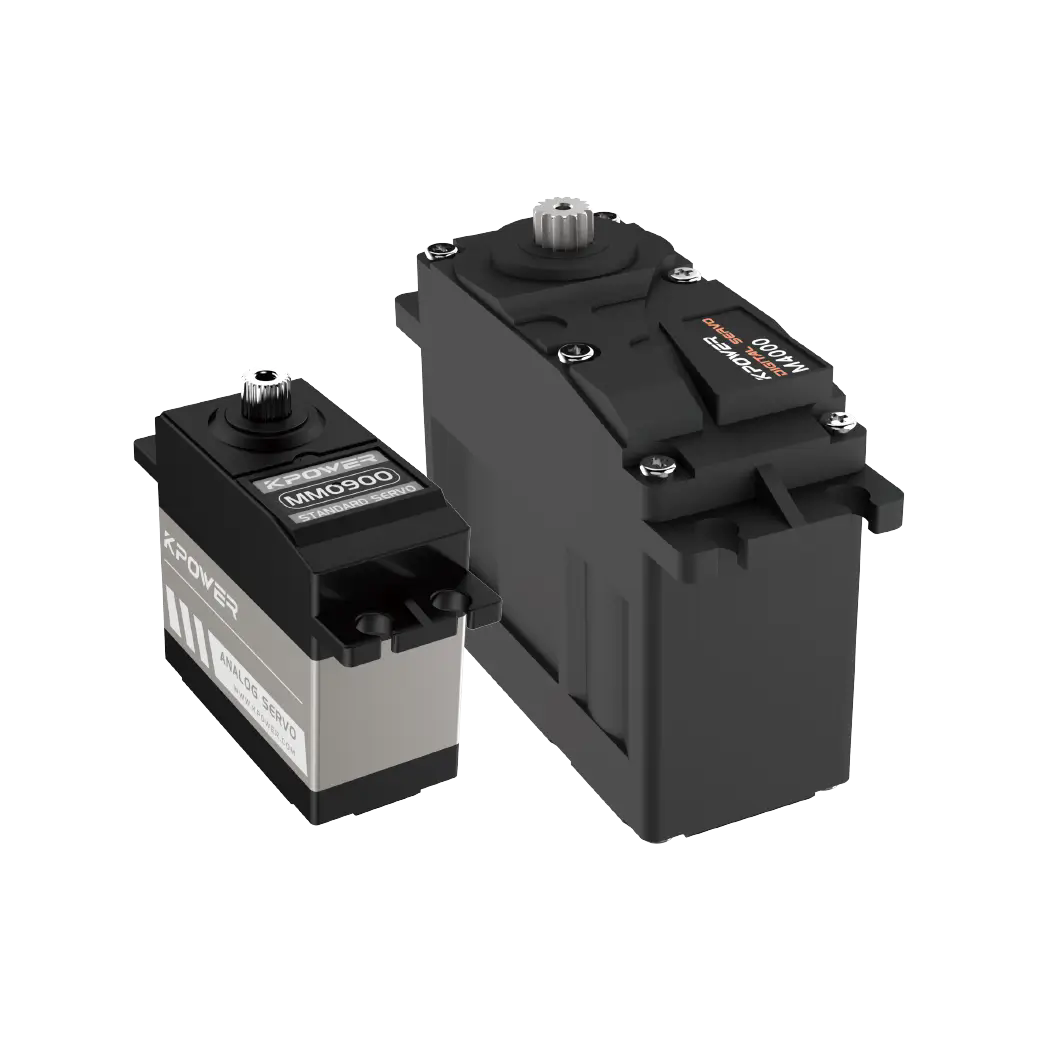
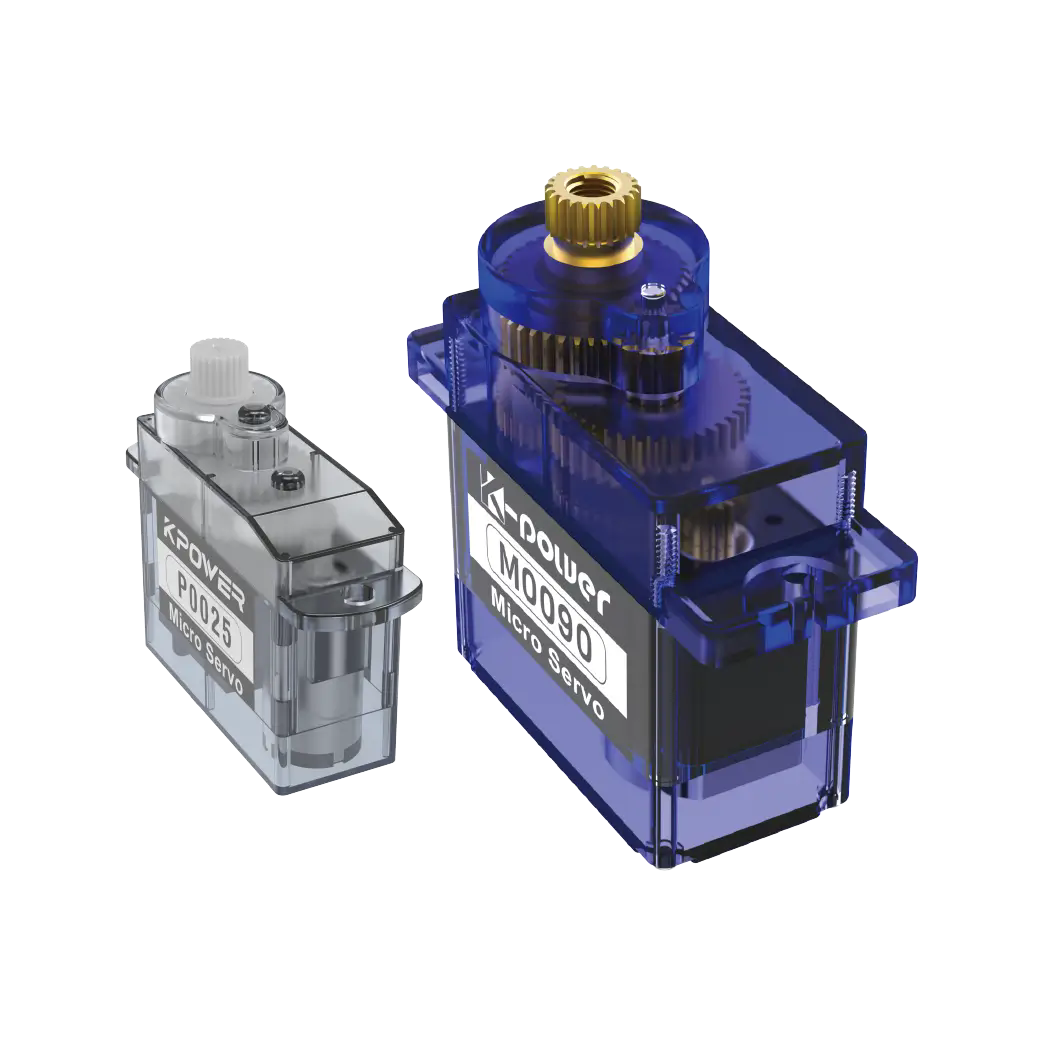
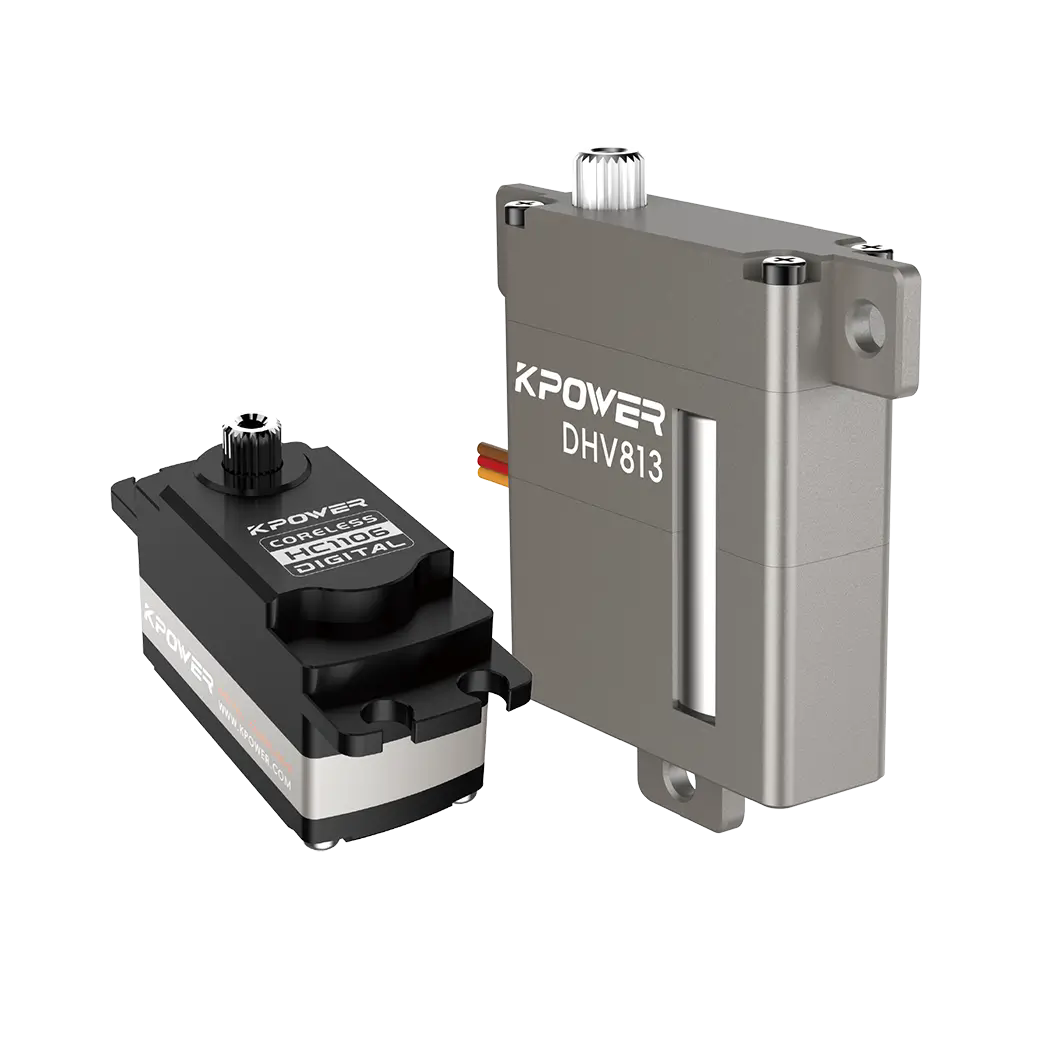
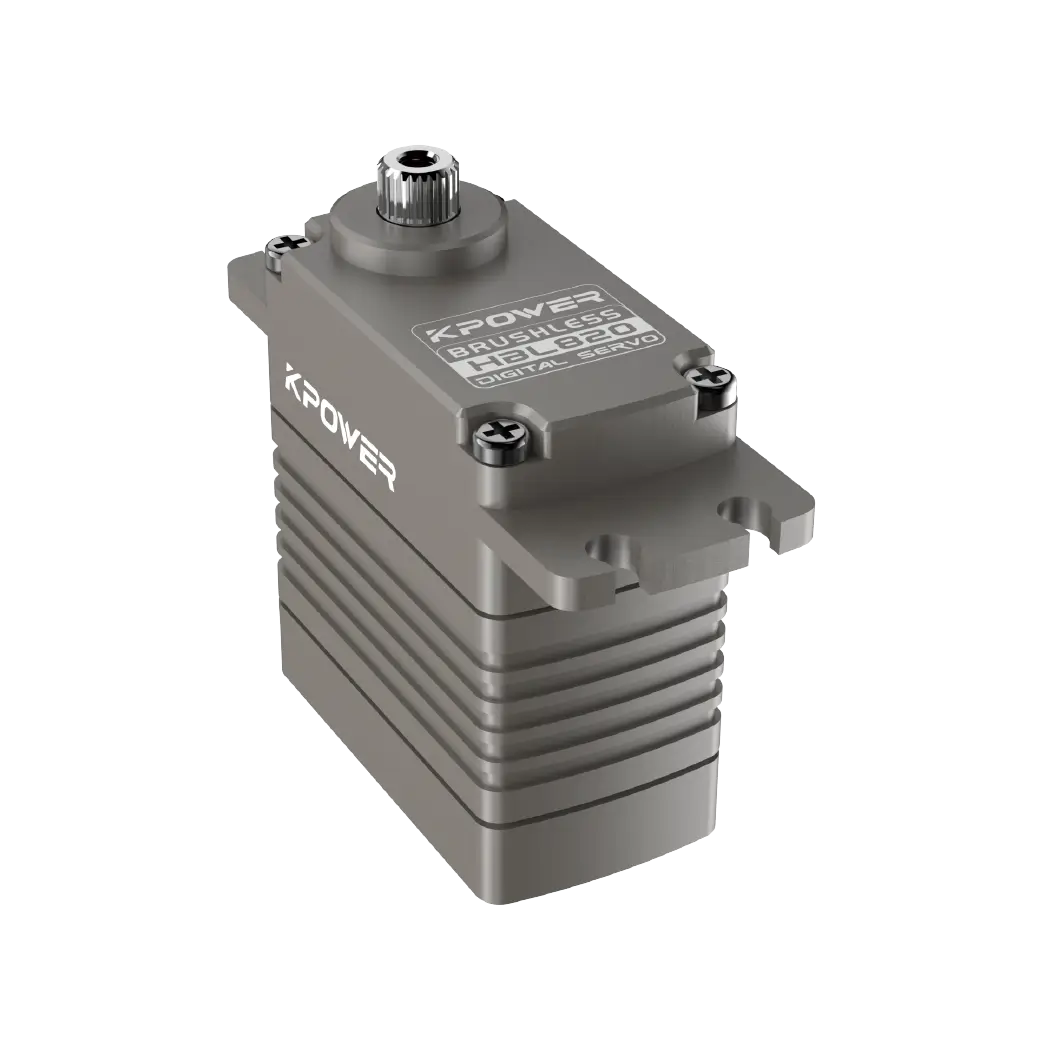
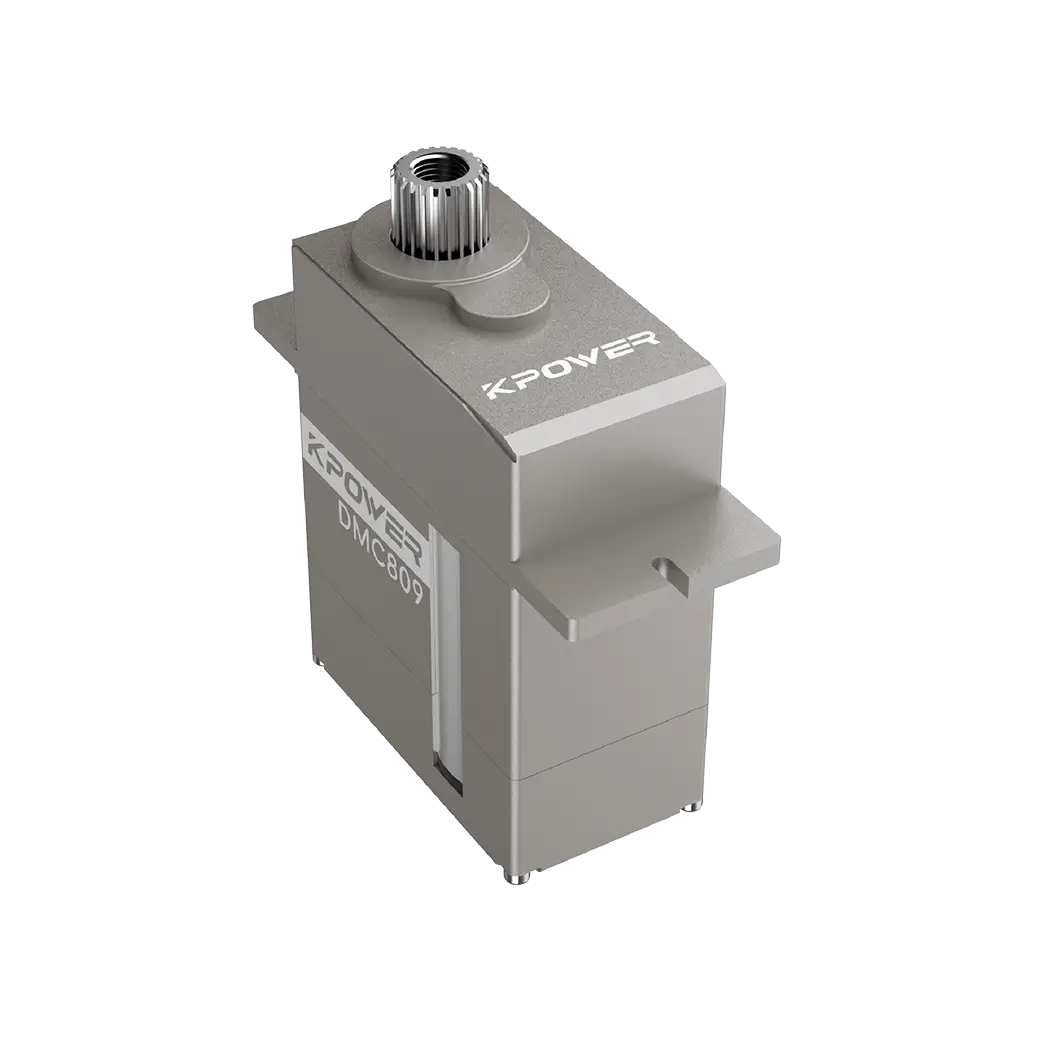
Don’t just buy a servo at will. Once you choose the wrong one, your project may fail. You need to seriously ask yourself how much the object you want to move weighs. If you only drive a relatively lightweight small frame like the ultrasonic sensor itself, then the cheapest and most common 9g servo can fully meet the needs. But if you plan to use it to push the lid of a trash can or drive a robotic arm, you must choose a metal gear servo with greater torque. Remember this principle: it is better to choose large torque than small torque. Because the weak servo cannot push things at all, it will keep making a buzzing sound, and it will burn out soon. You can go online and search "how to choose steering gear torque" and you can find many related comparison tables.
In addition, there are some details that need to be paid attention to when choosing a servo. The performance and quality of servos of different brands and models also vary. Some servos may perform well in terms of torque, but not in terms of accuracy; while others may be slightly lacking in stability. Therefore, in addition to selecting a steering gear with appropriate torque based on the weight of the object to be driven, other factors also need to be considered comprehensively. For example, you can check other users' reviews of different servos to understand their performance in actual use; you can also refer to some professional evaluation articles to obtain more comprehensive information. Only in this way can you ensure that the servo you choose can perfectly suit your project and avoid various problems in the project caused by servo problems.
Don’t try to make the whole system perfect right from the start, as that will easily get you hit. I recommend you complete a minimum viability test first. The first step is to test your ultrasonic sensor alone and use the serial monitor to see if the distance it reads is accurate. The second step is to write a separate program to make the servo swing back and forth according to the angle you set. If both steps are successful, combine them. The first version of the program is the simplest one: if the distance is less than 10 centimeters, the servo rotates to 90 degrees; otherwise, it returns to 0 degrees. Seeing this effect will give you the confidence to continue going deeper.
After you have implemented the basic functions, you may find that the steering gear's movements are particularly stiff and it turns around in a swish, which looks very mechanical. How to make it more natural? This requires the introduction of a technique called "delay" or "stepping". You don't need to make the angle jump from 0 to 180 all at once, but make the angle increase little by little in a very short period of time, such as increasing by 1 degree every 15 milliseconds. In this way, the servo will "walk" over instead of "jump" over. Combined with ultrasonic continuous ranging, you can make an ultrasonic gimbal that can "track" the movement of your hand, and the experience will be much better.
After reading this, are you already itchy and want to try it? In fact, using ultrasonic waves to control the steering gear is a process of converting data (distance) in the physical world into actions (angles). The logic is clear and it is not difficult to get started. I want to ask you, if you were to install "eyes" on your servo, what would be the first project you would most like to use it for? Is it a snack box that opens and closes automatically, or a smart car that can avoid obstacles? Welcome to leave a message in the comment area to share your creativity, and don’t forget to like it and share this article with more hands-on friends!
Update Time:2026-03-02

Contact Kpower's product specialist to recommend suitable motor or gearbox for your product.