







TECHNICAL SUPPORT


Published 2026-03-06
Hey, yourservokeeps turning. Isn’t it quite annoying? You obviously want the robot arm to move at a specific angle, but it doesn't obey you like a top. Don't worry, this is actually a typical problem that many friends who are new toservocontrol will encounter. To put it bluntly, the "instructions" given by the controller to theservoare not correct. Today we are going to talk about what went wrong and how to make it obedient.
When the servo keeps turning, the most common reason is thatthe control signal is not given correctly. The steering gear relies on a series of electrical pulses to understand your intentions. The width of this pulse, that is, the duration of the high level, determines the angle it will turn to. For example, a pulse of 1.5 milliseconds will make it return to the center, a pulse of 0.5 milliseconds will make it go to the far left, and a pulse of 2.5 milliseconds will make it go to the far right. If your control panel does not send out this continuous, periodic pulse signal, or the signal is messed up, the servo will be like a soldier who misheard the instructions. It will either be at a loss or just keep turning. So, the first step is to check whether your code is actually continuously sending the correct PWM (Pulse Width Modulation) signal.
Let's take a closer look at your code. A common mistake that many novice friends make is to only set the angle of the servo once, such as using.write(90);and then the program proceeds to perform other things. The servo needs a continuous signal to maintain its position. If there is no loop or delay to continuously refresh this command, once the signal stops, the servo may jitter or even keep rotating due to the characteristics of the internal circuit or mechanical structure. The correct approach is to ensure that your program continuously callswrite()function in the main loop, or after an appropriate delay, to maintain the angle you want. You can imagine that you have to keep saying "Hold!" to the servo so that it will stay in place.
This situation is very subtle, but also very common. When the steering gear is started and drives the load, the current required is very large, which may reach several amps in an instant. If your power supply, such as a small battery or computer USB port, does not output enough current, the voltage will be pulled down instantly. If this is low, the control board may restart, or the control signals to the servo may be messed up. As for the servo itself, due to insufficient power supply, the control chip inside may not be working properly. As a result, it loses control and starts to spin randomly. Try changing to a power supply with a stronger current output capability, such as a large-capacity lithium battery pack, or connecting a large capacitor (for example, 470 microfarads or more) in parallel next to the power pin of the servo to alleviate the instantaneous current impact.
Hardware connections are another area where things can go wrong. You need to confirm whether the three wires of the servo (positive pole of power supply, negative pole of power supply, and signal wire) are connected to the correct positions. The signal line must be connected to a specific pin on the control board that can output PWM waves, not just any digital pin. Many development boards, such as Uno, only have hardware PWM output capabilities on pins marked with a tilde (~). If you connect the signal line to an ordinary digital pin, although some library functions can simulate PWM, if the configuration is not correct in the code, a stable signal may not be output. ️ Check your wiring diagram carefully again and use a multimeter to test the continuity of the pins to make sure they are in good contact and are not plugged into the wrong holes.
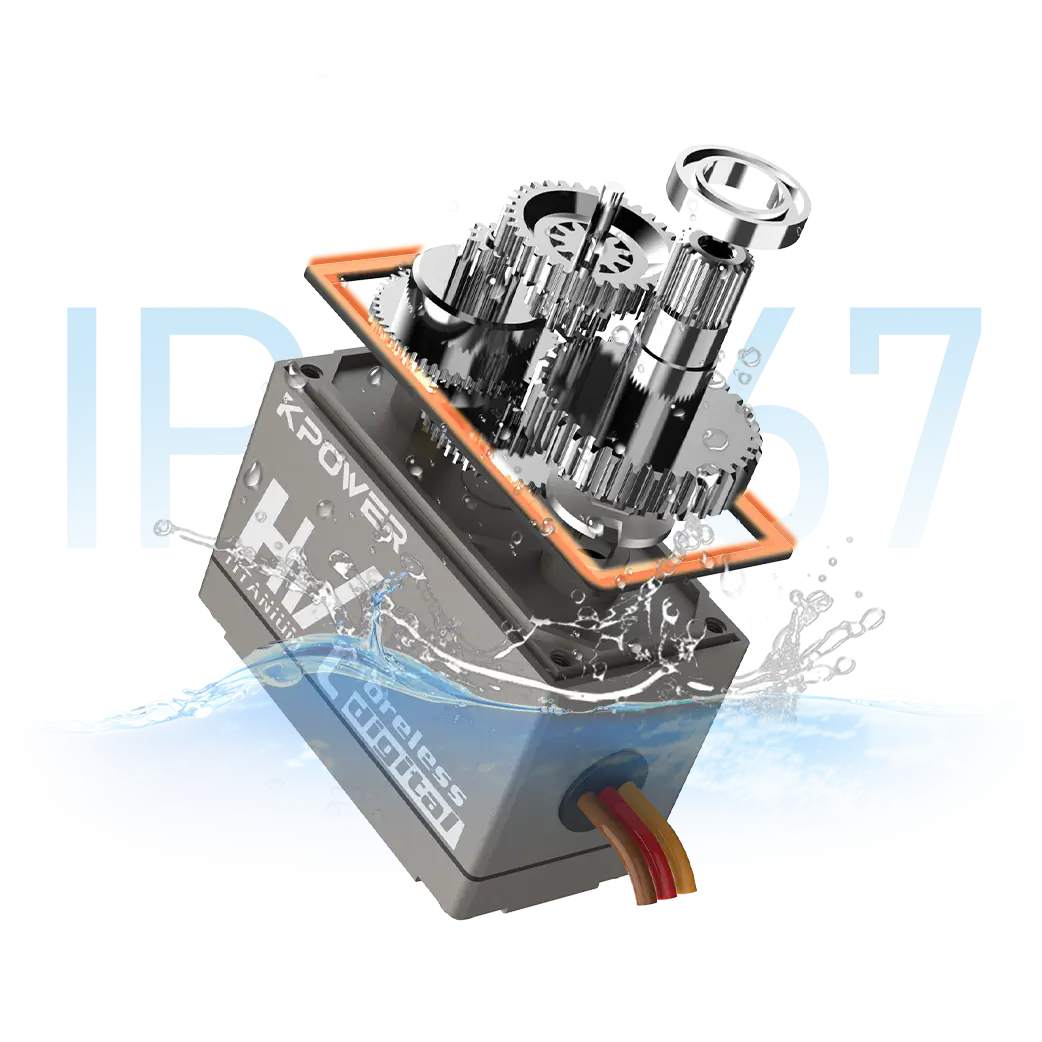
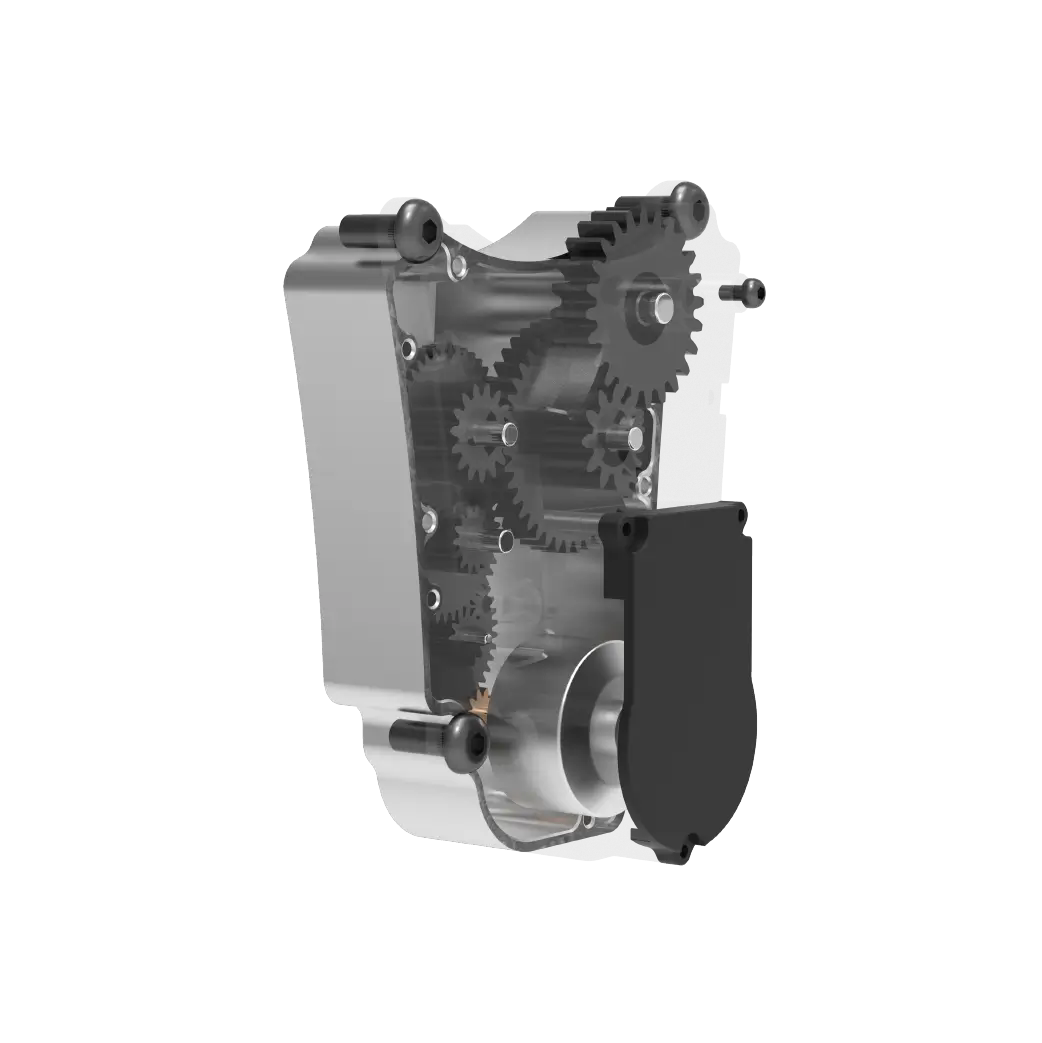
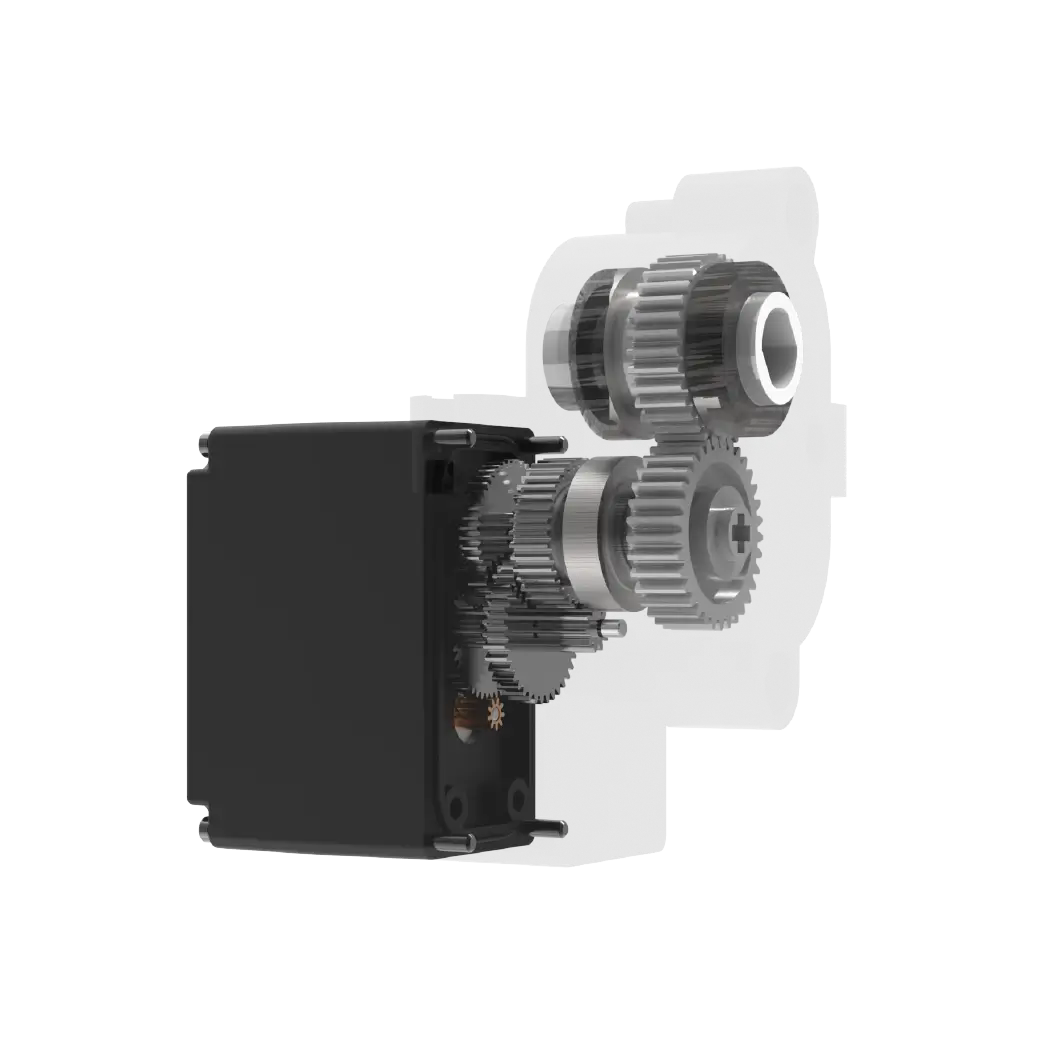
If the software and power supply have eliminated the problem, it may be a hardware failure in the servo itself. The interior of the steering gear is composed of a motor, a reduction gear, and a small control circuit board. The most common situation is that the potentiometer inside - a small part used to detect the current position - has poor contact or wear due to severe collision or long-term wear and tear. In this way, the controller inside the servo will never know where it is turning now, and can only drive the motor desperately. The result is that it keeps turning, trying to find a position it can never find. In this case, the only option is to replace the steering gear with a new one. After all, internal maintenance is too difficult for us.
Let's conduct a systematic investigation, like a detective solving a crime. 1.Isolation test: Connect the servo to a reliable power supply separately, and use a simple, recognized and usable test program (such as the Sweep example) to drive it. This can eliminate problems with your main program. 2.Observe the phenomenon: If the test program still continues to run, check whether the power supply is sufficient and try another power supply. 3.Replacement method: Connect another good servo on hand and try it. If the new servo works normally, it can basically be concluded that the old servo is broken. 4.Check the code logic: If the new servo is not working properly, you need to carefully review your code to see if the PWM pin is wrongly defined, or there is a loophole in the signal sending logic.
In the final analysis, if the steering gear keeps turning, most of the problems cannot escape the three circles of "signal, power supply, and hardware". As long as you follow what we just talked about and patiently check step by step, starting with simple procedures, then moving on to power supply and wiring, and finally considering hardware faults, I believe you will soon find the crux of the problem and make your servo "hit wherever you point it."
Have you ever encountered any strange "stubborn temper" when debugging the steering gear? For example, are you shaking all the time, or have very little strength? Welcome to leave a message in the comment area and share your experience, let's discuss it together! If you find this article useful, don’t forget to like and share it so that more friends who play robots can see it!
Update Time:2026-03-06

Contact Kpower's product specialist to recommend suitable motor or gearbox for your product.