







TECHNICAL SUPPORT


Published 2026-03-12
Have you ever encountered this situation: you have found a lot ofservocontrol tutorials on the Internet, but you are still confused after reading them. Especially when you want to understand how it works internally, you always feel that there is a layer of veil between you? I want to make some creative products, such as robot joints or smart cars, but I get discouraged when I think about understanding the principles inside. Don't worry, in fact, using animation to "disassemble" the working principle of theservo, this matter is much simpler than you think.
Just looking at the circuit diagram and text description is indeed quite boring, especially for friends like us who are just getting started or want to apply it quickly. How those pulse signals turn into angles of rotation, and how the gear set cooperates, it's really difficult to imagine just. Making an animation is different. It can directly turn invisible and intangible electrical signals, such as the key PWM wave, into visible actions. In this way, you can not only know "how" theservodoes it, but also truly understand "why it does it." If you encounter a situation where the servo is disobedient in the future, you will know it in your mind instead of making random adjustments.
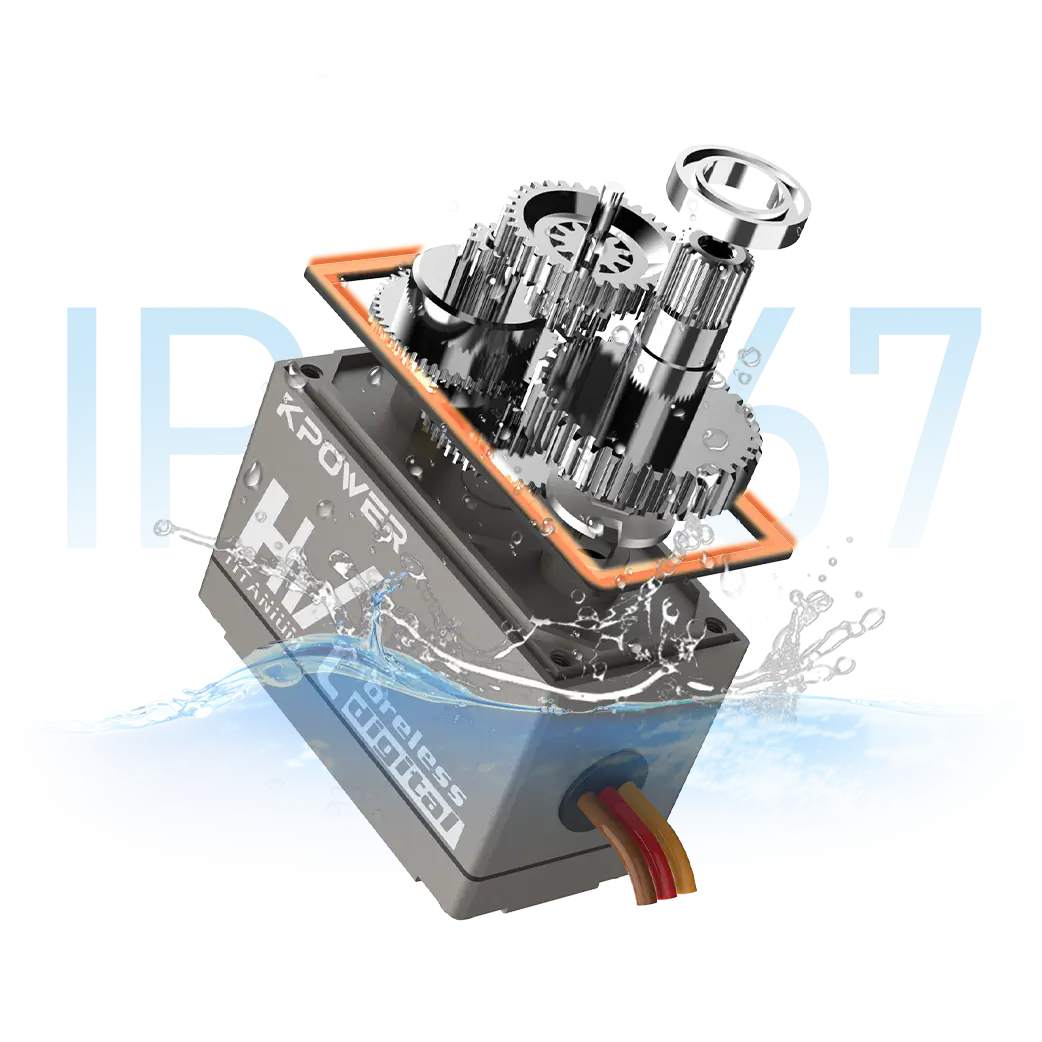
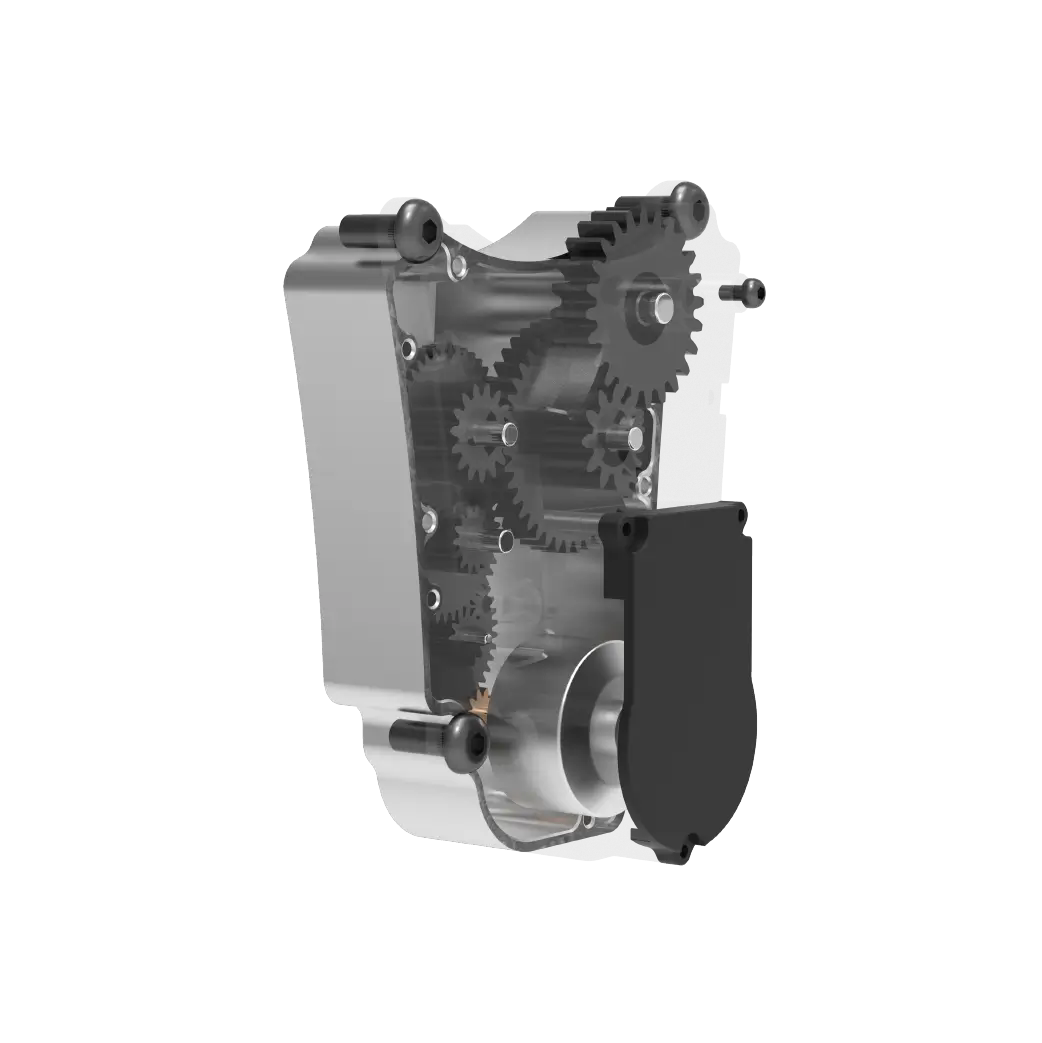
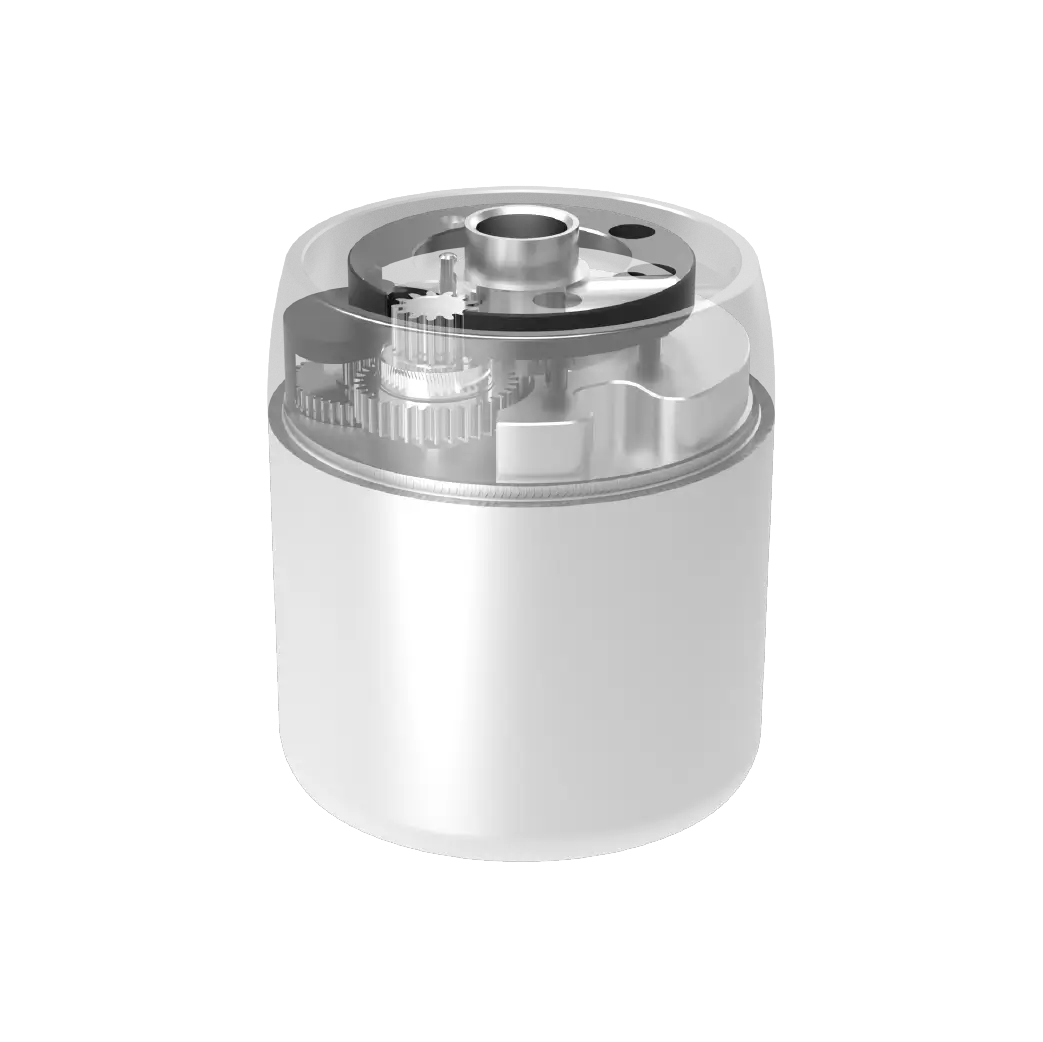
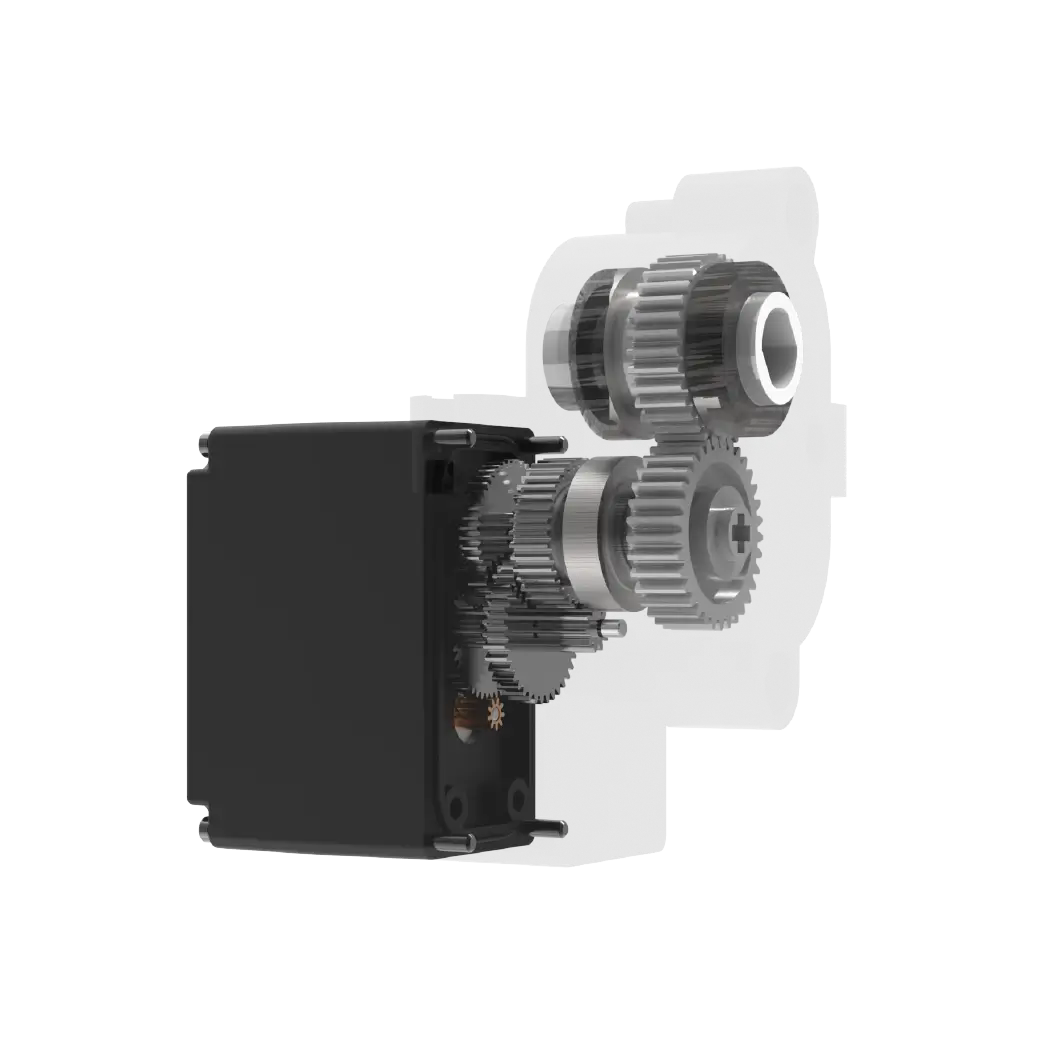
Before doing animation, we must first understand our skills. You have to check the basic composition of the servo, which mainly consists of three parts: DC motor, reduction gear set, and the variable resistor (that is, the potentiometer) responsible for sensing the position. Find some high-resolution disassembly pictures online, or just buy a cheap servo and take it apart (be careful not to damage the gears). Keeping in mind what each part looks like and how they fit together is like setting an actor's makeup before shooting a movie. It's the most basic step.
If a worker wants to do his job well, he must first sharpen his tools. For us ordinary people, there is no need to learn those particularly complex professional animation software, the threshold is too high. You can try it, it’s completely free, and there are a lot of tutorials online. Alternatively, you can use PPT. Although you cannot create a particularly complex physical simulation, the relationship between control signals and angle rotation is clearly explained through frame-by-frame animation and simple shape changes. The effect is enough for introductory understanding. The key is to be comfortable with the tools, and don't let learning software dull our enthusiasm.
This is the core difficulty of the entire animation, and it is also the most interesting part. The PWM wave used to control the rotation angle of the servo is actually a series of square wave pulses with different widths. In animation presentation, we can draw it as a horizontal line representing time, on which rectangular blocks of different heights stand. For example, when the high level lasts for 1ms, it means that the servo rotates to 0 degrees, and when it lasts for 1.5ms, it means that the servo rotates to 90 degrees. You connect "a wider pulse" with "more turns of the gear" through arrows, and the audience instantly understands: Oh! It turns out that the width of the pulse determines how long the motor rotates, and then the output shaft is driven to a specific position through the gear.
This way, the animation can demonstrate this principle more clearly. The audience can intuitively see the rotation of the gear and the change of the position of the output shaft as the pulse width changes. The whole process is clear at a glance, allowing the audience to easily understand the relationship between the servo rotation angle and the PWM wave. This is the important role played by animation. It presents complex principles in an intuitive and interesting way, helping the audience better master relevant knowledge.
The relationship between the signal and the gear has been clearly explained before, and the goal to be achieved in this step is to enable it to achieve extremely smooth and dynamic operation. You might as well carefully design a scene like this: on the left side of the screen, the PWM waveform emitted by the control board is shown; in the middle part of the screen, a simplified model of the inside of the servo is shown, such as a motor and several turns of gears; on the right side of the screen, the rocker arm is finally in a rotating state. When the width of the pulse signal on the left becomes wider, the motor icon in the middle begins to rotate, driving the gear to rotate, and then the rocker arm on the right will swing to a new angle accordingly. By displaying it in such a block-by-block manner, the logic appears clear. People who watch the animation can gradually follow your thoughts step by step, thereby thoroughly understanding the complete process of signal transmission and mechanical action.
Such a clear display logic allows viewers to understand the relationship between signals and gears, and then further understand how to achieve silky smooth movement of mechanical components through signal drive. As shown in the above scene, from the PWM waveform emitted by the control board, to the operation of the simplified model inside the servo, to the final swing of the rocker arm, every link is closely connected. When the pulse signal becomes wider, the motor icon starts to rotate, the gear rotates accordingly, and the rocker arm swings to a new angle accordingly. The whole process is linked together. This kind of display method allows people who watch animations to easily follow the ideas, deeply understand the signal transmission and mechanical action process, and lay a solid foundation for further learning of relevant knowledge.
Animation is made for people to watch and must be remembered. You can add a few small details to the animation, such as the role of potentiometer feedback. When an external force wants to open the rocker arm, the animation can show that the internal potentiometer detects the position change, and then the control chip immediately issues an instruction to make the motor reversely rotate to resist the external force. Isn't this the principle of steering gear stall protection? By simply simulating these situations that are encountered in actual application scenarios with animation, your tutorials will not only popularize science, but also help people solve practical problems, and their value will increase immediately.
In fact, making an animation of the working principle of the servo is more effective than reading a hundred articles. When you finish this animation, not only will you understand it completely, but you will also be able to share it with friends around you who also love tinkering. It will give you a sense of accomplishment. Have you ever thought about what interesting functions you plan to use the servo to achieve in your next DIY project? Should we make an automatic feeder or equip the robot with flexible joints? Welcome to chat about your thoughts in the comment area, maybe your ideas can inspire more people. If you find this article useful, don’t forget to like and share it so that more hands-on friends can see it!
Update Time:2026-03-12

Contact Kpower's product specialist to recommend suitable motor or gearbox for your product.