







TECHNICAL SUPPORT


Published 2026-03-14
Friends who have worked on robots or model aircraft must have had this experience: they were excited to start work, but ended up being dazzled by a bunch of steering gear parameters. Torque, speed, size, control method...which one should I choose to make my project run perfectly? Don’t worry, we will clarify this matter today so that you will no longer have to worry about choosing aservoin the future.
The first thing to consider when choosing aservois torque, which directly determines whether your robotic arm can lift things or whether the car can run normally. If the torque is not enough, the servo will get stuck or even burn out. How to calculate it?
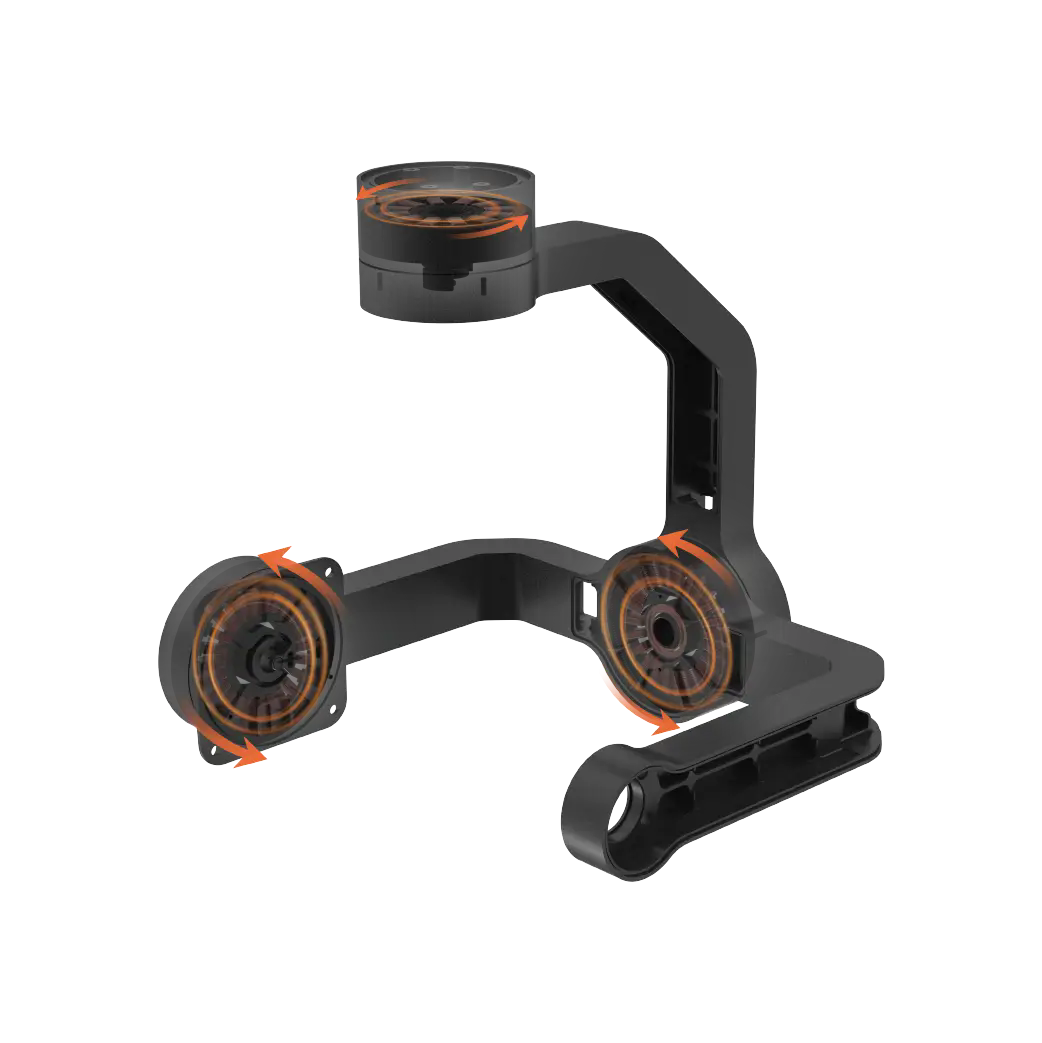
We have to first estimate how much force your mechanism will require. For example, if you want to make a two-degree-of-freedom gimbal and set up a camera, you need to calculate the distance from the camera's center of gravity to the servo axis, and then multiply it by the weight of the camera and bracket. Usually a margin of 1.5 to 2 times is required because there will be inertial impact during startup and movement.
Calculate the required torque, and then look at the torque unit in the steering gear parameter table, which is usually kg·cm (kilogram force·centimeter). For example, if you calculate that you need 2kg·cm, then you'd better choose a servo with a nominal rating of 3kg·cm or more. In this way, during actual operation, the steering gear will not work at high load for a long time and the service life will be longer.
This may be one of the most confusing questions for many newbies. Simply put, the core difference between analog servos and digital servos is the signal processing method. The analog servo works by receiving a 50Hz PWM signal. It has an internal comparator that constantly compares the input signal with the feedback signal of the potentiometer.
The digital servo has an additional microprocessor inside, which can drive the motor at a higher frequency (such as 300Hz). This brings two benefits: first, the response speed is faster, with almost no delay; second, the torque at startup is greater, and the holding force near the neutral point is stronger, and it is not prone to small jitters like analog servos.
However, digital servos also have disadvantages, that is, they are more expensive, and because they work at high frequencies, they consume more power in standby than analog servos. So if you just make a simple remote control car, the analog servo is completely sufficient and cost-effective. But if you want to play FPV robots or high-precision robotic arms, digital servos are your cup of tea.
Many people buy back the servo and directly connect it to the battery, only to find that it either turns slowly or smokes directly. This is because I don't understand the relationship between voltage and speed. The speed of the steering gear is basically proportional to the voltage. The higher the voltage, the faster the steering gear will turn and the torque will increase slightly.
But be aware that each type of servo has a rated operating voltage range. For example, common servos are 4.8V to 6V. If you put a 7.4V lithium battery on it, it may burn out in an instant. Therefore, be sure to read the servo manual first to confirm the voltage range, and then select the voltage stabilizing module or matching battery. For example, if you need a quick-response steering servo, you can choose a slightly higher voltage within the allowable range.
In addition, the faster the speed, the better. For joints that require precise control, a slightly slower speed will make it easier to control without overshooting. The balance should be based on your actual application scenario. For example, the car model should turn quickly, while the gimbal pitch should be gentle.
When faced with a servo parameter table, many people only focus on the torque. In fact, there is a lot of key information. The parameter table usually lists the no-load speed in seconds/60 degrees, which means how many seconds it takes for the servo to rotate 60 degrees. The smaller this value is, the faster the servo is.
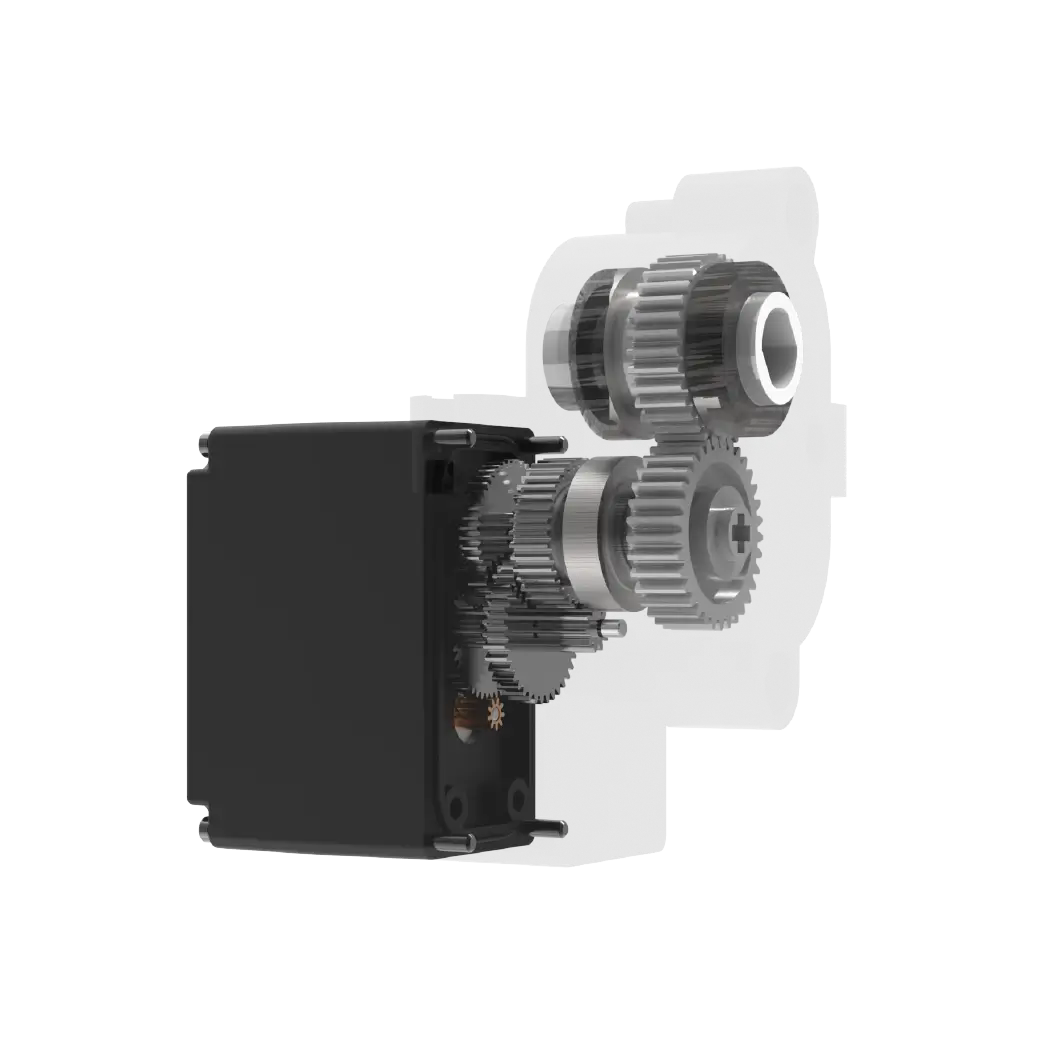
There is also the parameter dead zone, which refers to the minimum input signal change that the servo can distinguish. The smaller the dead zone, the more sensitive the servo will respond to small instructions and the more accurate the positioning will be. For example, if the dead zone is 1μs, then it can distinguish small angle changes. In addition, the material of the gear is also very important. Plastic teeth are cheap but easy to sweep. Metal teeth are strong but heavy and may have a bit of a gap.
The control method also depends on the control method. Most servos are controlled by ordinary PWM signals, but there are also some smart servos that support serial communication and can feed back information such as angle, temperature, voltage, etc. You should choose based on your own main control board and programming ability. Don’t buy it only to find out that you don’t know how to use it.
For different types of projects, the focus of steering gear selection is completely different. For example, if you are making a bionic robot, such as a hexapod or biped robot, which has many joints and is sensitive to weight, then you need to choose a digital servo with light weight and moderate torque, and preferably with metal gears, because this kind of robot will have a big impact when it falls.
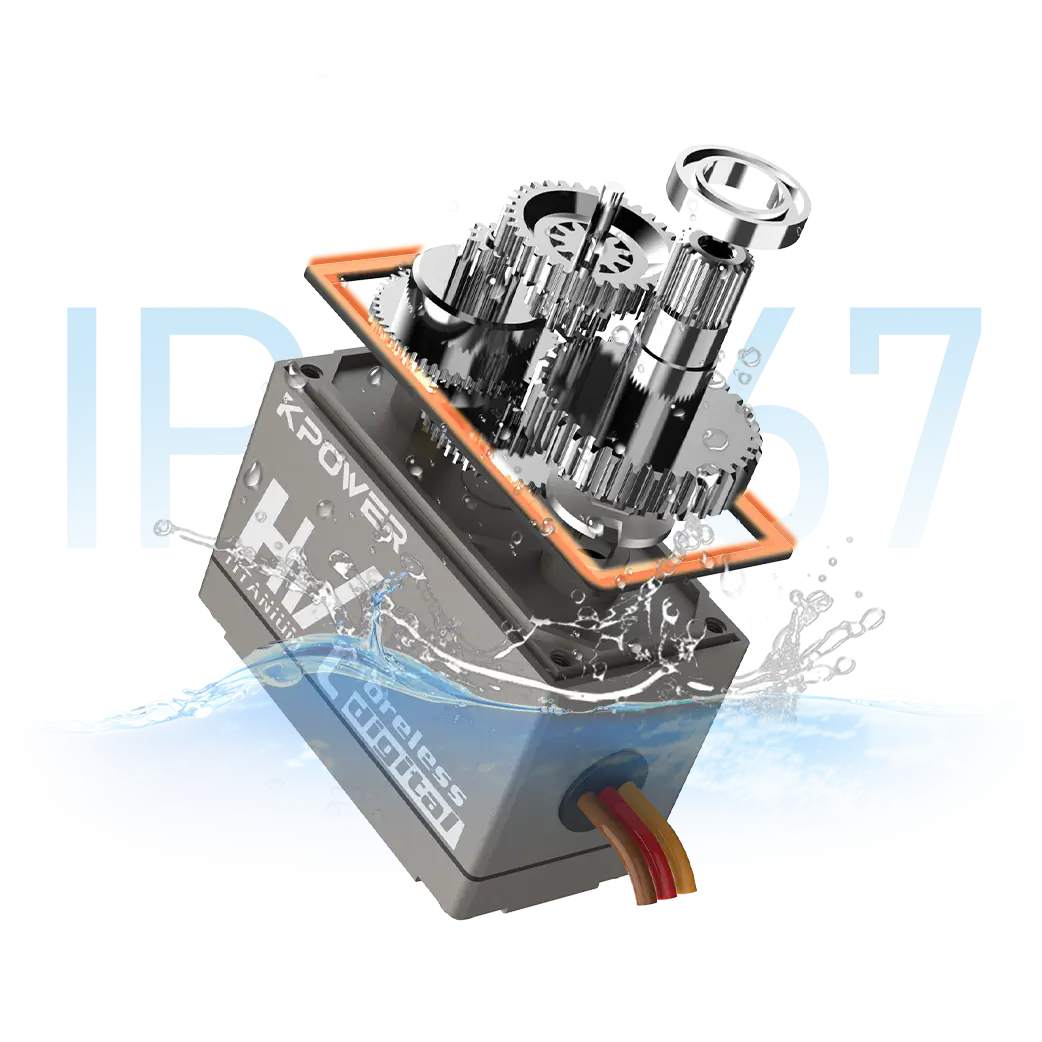
If you are building an underwater robot or exploration equipment, you should consider a waterproof steering gear or even a customized anti-corrosion steering gear. For 3D printed toys or educational kits, cost is the first priority. Ordinary analog servos are enough, and you won’t feel bad if they break.
Another scenario is high-speed racing, such as remote control cars and boats. The steering gear requires fast response and sufficient torque, so the speed parameter is very important. Applications such as robotic arms and gimbals place more emphasis on the repetitive positioning accuracy and dead zone size of the servo to ensure smooth and accurate movements.
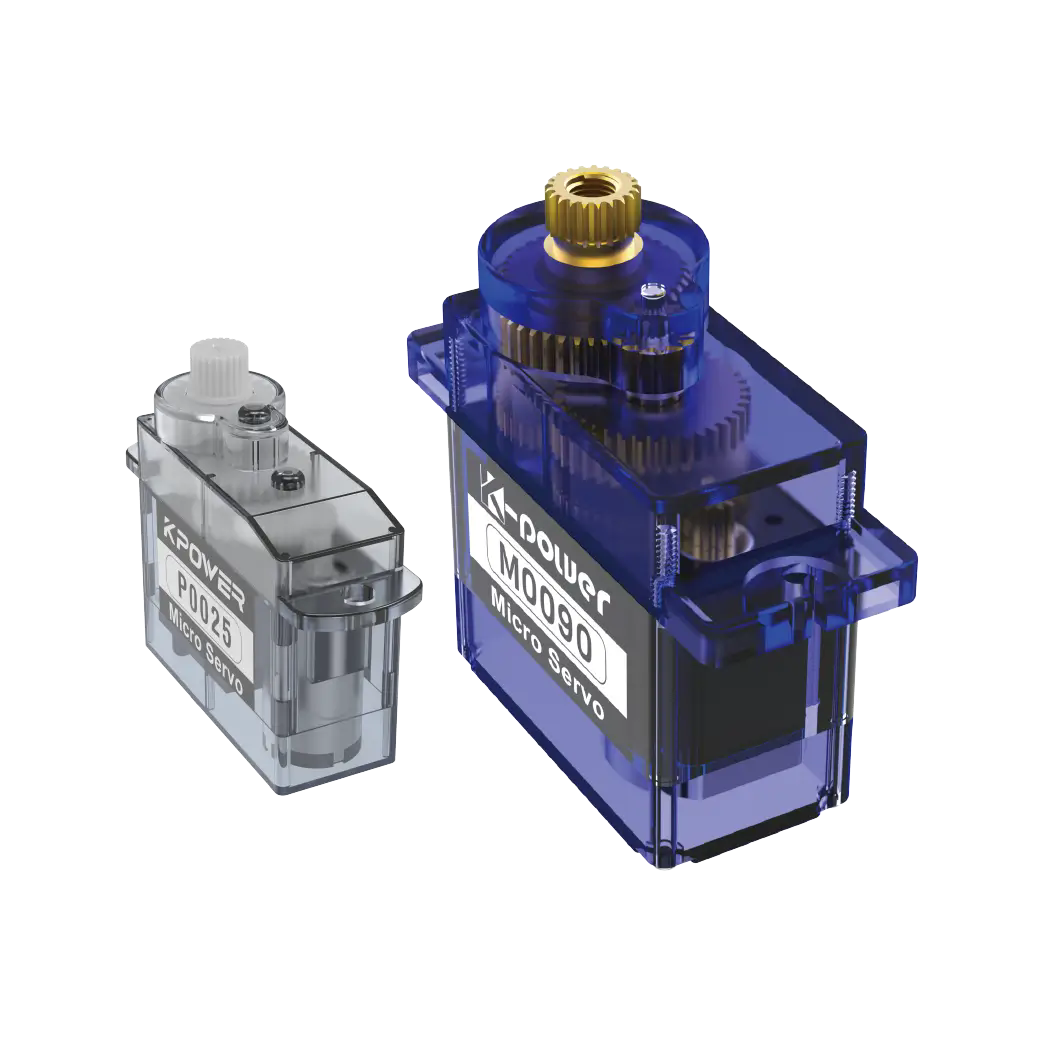
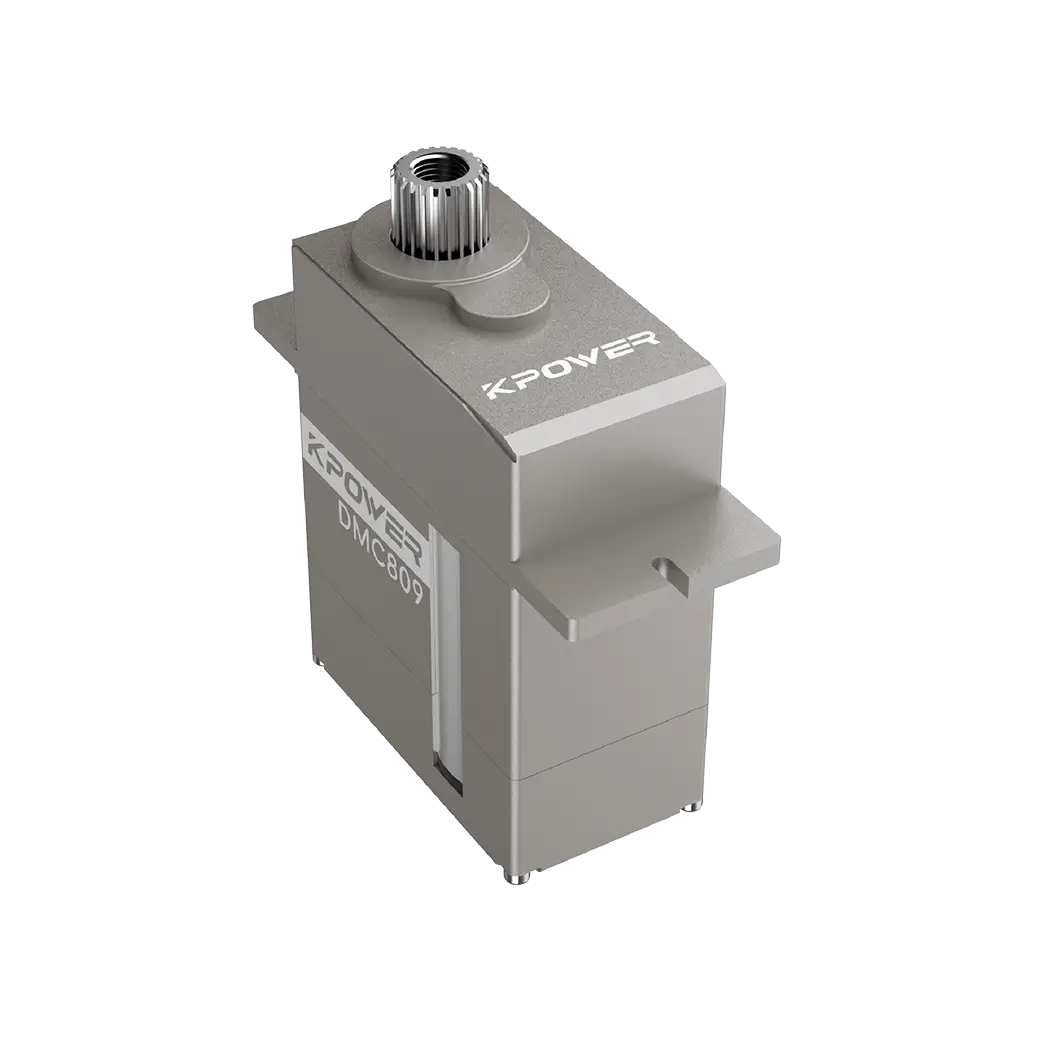
This last point is particularly easy to overlook. It was hard to calculate the torque and choose the model, but when you bought it, you found that the screw holes did not match up, or the servo was too big to fit into your structural parts. There are standards for the dimensions of servos. Common ones include 9g micro servos, standard servos, and high-torque servos.
Before 3D printing or purchasing parts, be sure to check the three-dimensional drawings or installation dimensional drawings provided by the steering gear manufacturer. Look at the mounting lug width, screw hole diameter and hole spacing. In addition, you should also pay attention to the shape of the servo output shaft. There are single-edged and cross-shaped ones. The steering wheel you choose must match it.
Another point is that the servo line sequence must also be clearly seen. Different brands of servo signal lines, power lines, and ground wires may have different orders. If they are connected incorrectly, the servo may not work, or the servo or even the main control board may be burned. Developing a good habit of reading the manual can save you a lot of trouble.
Okay, we have almost talked about how to choose a servo. I want to ask you, after reading this article, do you now know what kind of servo you need for your project? Is there any parameter that you didn't notice at all before? Welcome to share your thoughts in the comment area. If you find it useful, don’t forget to like and forward it to your friends who play robots around you!
Update Time:2026-03-14

Contact Kpower's product specialist to recommend suitable motor or gearbox for your product.