






TECHNICAL SUPPORT


Published 2026-03-16
When you are excited and want to do a small project, such as installing a "neck" on the camera at home so that it can rotate freely to monitor the whole house; or you plan to add a pair of "eyes" to the robot to achieve more intelligent visual tracking. It was found that ordinaryservos can only rotate back and forth in one direction and cannot meet the needs of all-round coverage. At this time, the dual-axisservocontrol gimbal is the answer you are looking for.
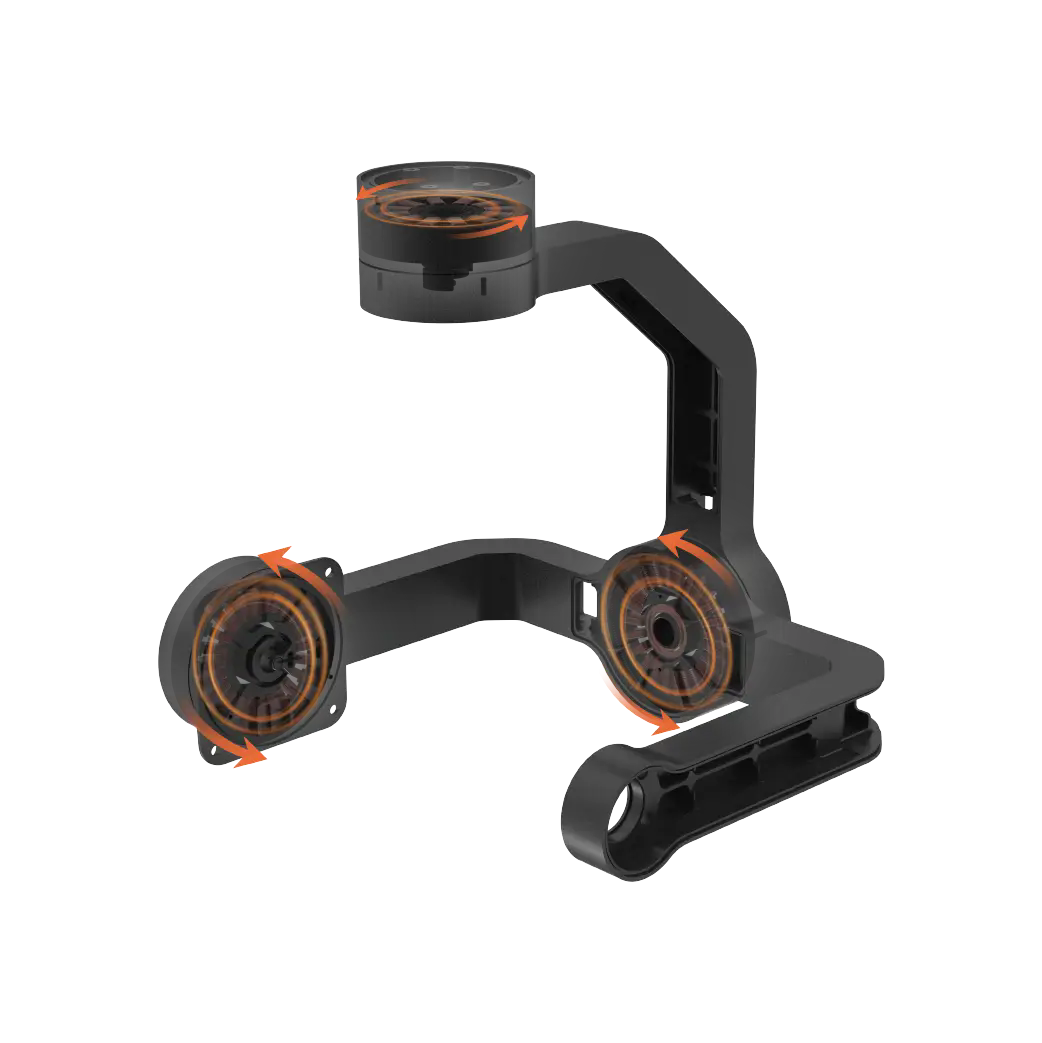
To put it bluntly, a dual-axisservogimbal is a "joint system" composed of two servos. One servo is responsible for horizontal rotation, which we usually call the "Pan axis", and is responsible for shaking the head left and right; the other servo is responsible for vertical pitch, which is the "Tilt axis", and is responsible for nodding the head up and down. When two servos are combined together through a bracket, they can carry cameras, sensors or other equipment to achieve full range of motion coverage.
You can think of it as your neck and head. The horizontal axis is like when you turn your head to look left and right, and the vertical axis is like when you look up at the sky and down at the ground. By combining the two actions, you can look in any direction. The dual-axis servo gimbal does the same thing, except that the "flesh and blood" is replaced by a servo and a metal bracket, so that the machine can rotate flexibly.
The most common application scenario is smart security cameras. You must have seen the kind of home cameras that can be remotely controlled and rotated, and nine out of ten of them use a dual-axis servo gimbal. Just swipe through the mobile APP, and the camera will follow it. You can see it from every corner of the house, blind spots? Doesn't exist. There is also a very popular live broadcast pan/tilt platform. Wherever the anchor goes, the camera follows, all relying on these two axes for real-time adjustment.
For example, if you make a smart car and install a dual-axis gimbal and camera, it would be more interesting. You can sit in front of the computer and control the movement of the car through the handle, while also independently controlling the rotation angle of the camera. Want to see if there are any obstacles under the car? Just let the camera look down. Want to observe the road conditions in the distance? Raise the camera and scan left and right. This kind of flexibility is completely unmatched by fixed cameras.
The core of controlling a dual-axis gimbal is to send precise PWM signals to the two servos. You can think of PWM as the "language" of the servo. By changing the pulse width, you tell the servo "how many degrees you want to turn." The main control board, such as STM32, is the translator, converting your instructions into electrical signals that the servos can understand, and at the same time directing the two servos to work together to let the camera point accurately to the location you want.
But it’s not enough for light to be able to rotate, it must be able to rotate stably. If the servo vibrates with a "click" as soon as it is started, or if it shakes a few times after it is turned into position, the screen will be unreadable. Therefore, algorithms are needed to intervene, such as PID control, which can calculate deviations in real time, make the steering gear rotate quickly and accurately, and avoid overshoot. If you want to do automatic tracking, you have to add a gyroscope or a visual algorithm so that the gimbal can adjust its posture based on feedback and keep the picture always stable.
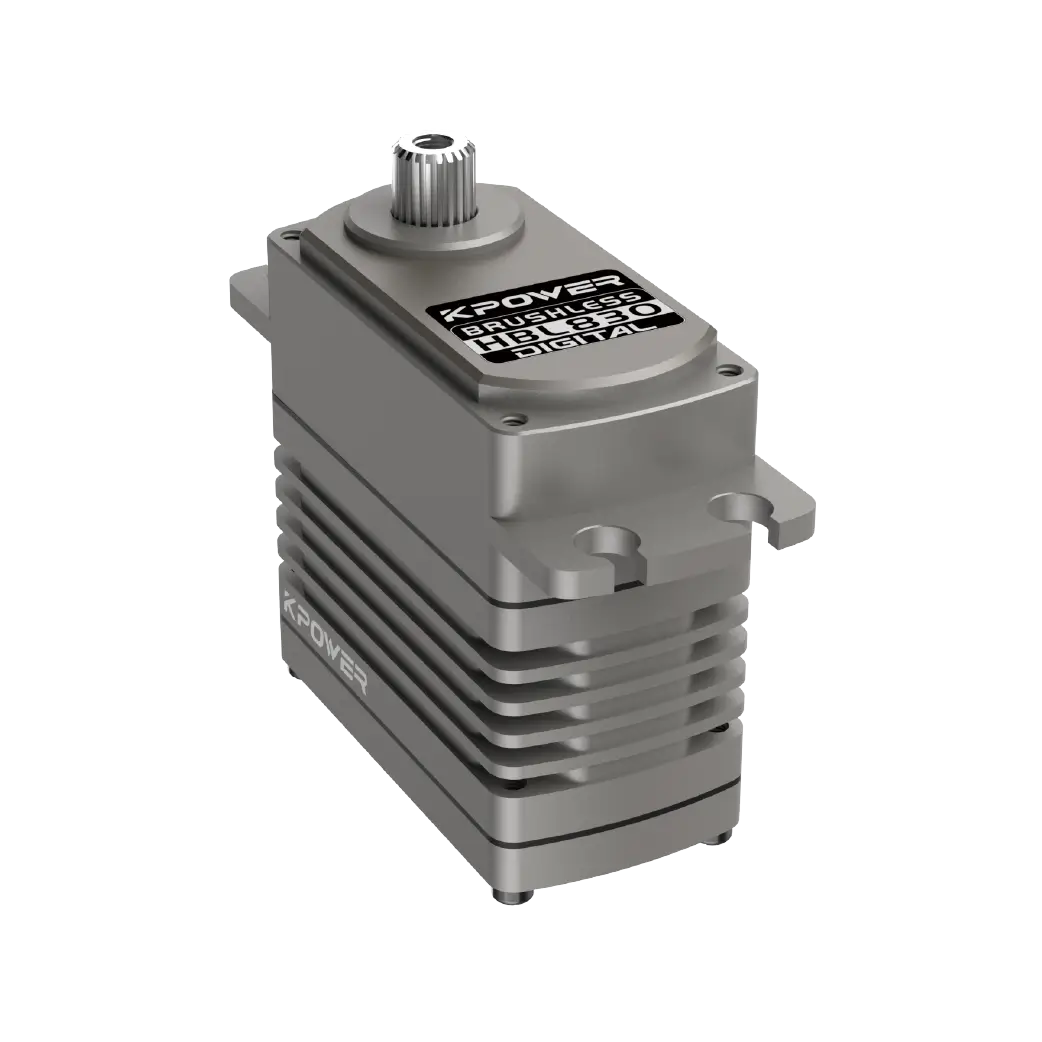
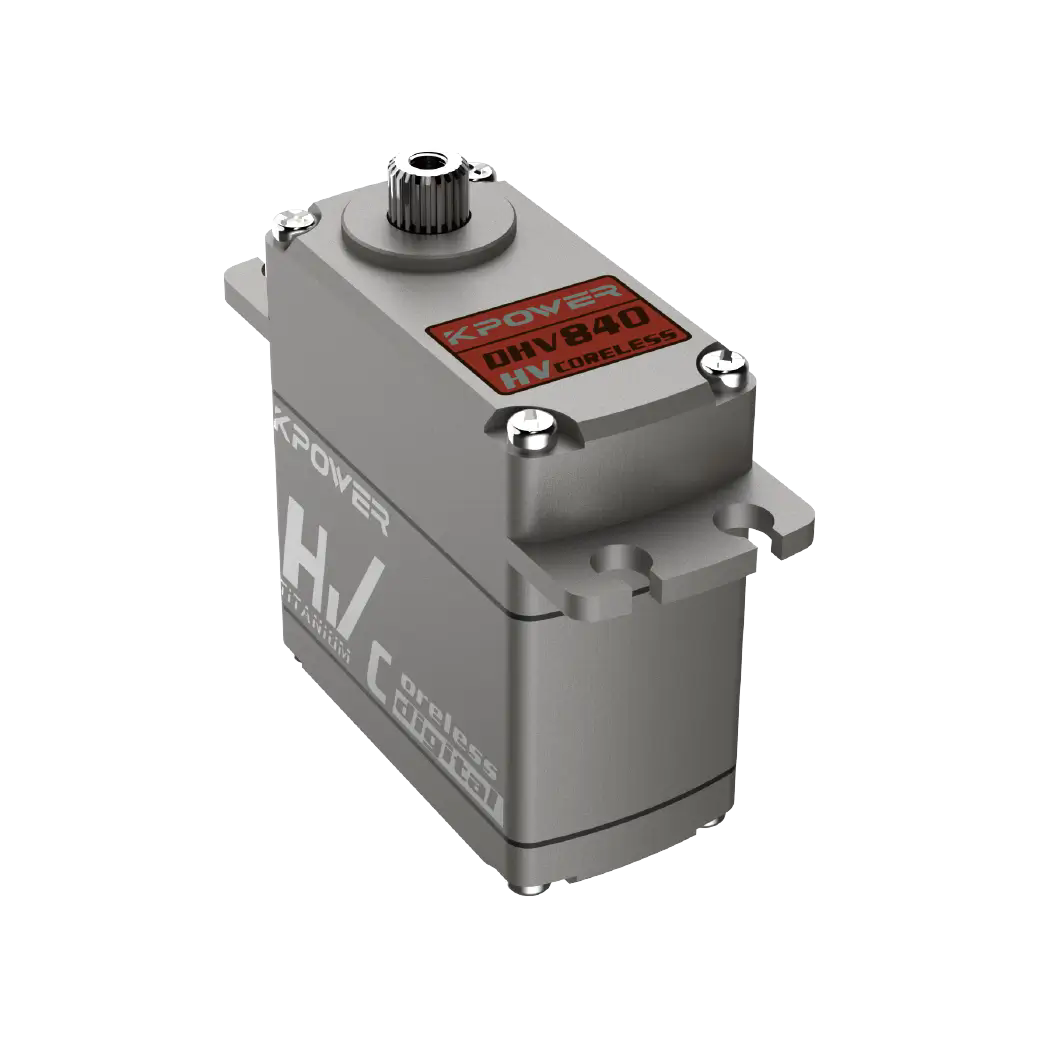
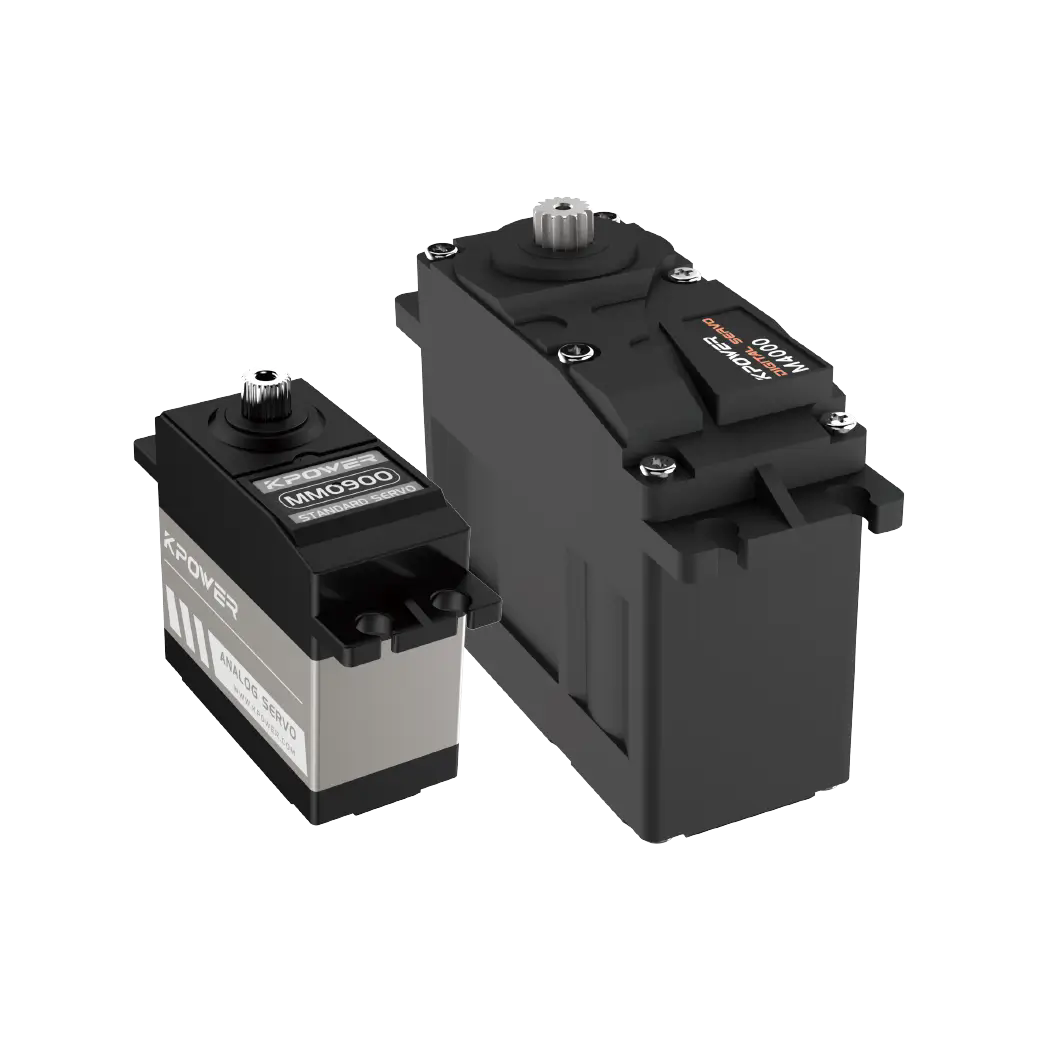
Servos are mainly divided into two types: analog servos and digital servos. Analog servos are cheap, but their response is slow and their accuracy is average. They are suitable for situations with low requirements. The digital servo has fast response, accurate positioning and small dead zone. When used on a gimbal, it can make the rotation smoother and the picture more stable. Although it is a little more expensive, it significantly improves the experience, especially when you need the gimbal to quickly track moving objects, the advantages of digital servos are reflected.
It also depends on the torque and gear material. If the torque is too small, the camera cannot be moved, or it will "slump down" under the slightest external force. You have to estimate the weight of the load and allow some margin. When it comes to gears, plastic gears are cheap but prone to wear and tear, while metal gears are more durable and suitable for long-running projects. Also note that ordinary servos usually have a 180-degree or 270-degree stroke. Don’t buy one that can rotate 360 degrees continuously. It cannot be positioned accurately and cannot be used as a gimbal.
In fact, the threshold is much lower than you think. Nowadays, there are many ready-made two-axis gimbal bracket kits on the Internet. You can buy them for a few dozen yuan. The structural parts are already assembled for you. You can just use screws to fix the servo after you buy it. The circuit is simpler. The three wires of the servo (power, ground, and signal) are connected to the corresponding driver board or main control board. After the power supply is supplied, a set of hardware can be set up in a few minutes.
For the software part, for example, using the built-in Servo library, two servos can be actuated with just a dozen lines of code. First let one axis rotate, then let the other axis rotate, and finally test the combination. If you want to achieve smoother motion, you can slowly adjust the angle increment. The whole process is like building blocks, learning while doing, and soon you will be able to create a manually controlled gimbal, which gives you a full sense of accomplishment.
If you don’t want to solder circuits and write code from scratch, buying a ready-made gimbal is also a good choice. At this time, you need to focus on several parameters: load capacity, that is, how much things it can carry; rotation angle, whether it can meet your monitoring range; and control interface, whether it is a simple PWM input, or it supports serial port commands. The richer the interface, the easier it is to expand later.
In addition, it is recommended that you find manufacturers with complete information and good technical support. Before placing an order, you can go to their official website or store to see if they provide sample code, wiring diagrams, and usage tutorials. Good manufacturers will even provide secondary development SDKs, which can save you a lot of trouble. Remember, you buy it to use it quickly. Don’t choose one that you will be confused about how to control after you get it.
When you are working on a dual-axis gimbal project, the biggest obstacle you encounter is uncertainty in model selection or unstable programming? You are welcome to chat about your experience in the comment area, like it and save it so that you can check it out when needed in the future.
Update Time:2026-03-16

Contact Kpower's product specialist to recommend suitable motor or gearbox for your product.