







TECHNICAL SUPPORT


Published 2026-02-26
You want to use aservoto make a robot, but faced with a bunch of models and wiring methods, do you feel a bit confused about where to start? Don’t worry, this is a hurdle that almost every newbie will encounter. Theservois the joint of the robot. If you choose it correctly and use it properly, your robot can move flexibly. Today I will take you step by step to clarify your thinking and solve this problem.
When making a robot, the first important step is to choose a steering gear. This link is directly related to whether your work can stand stably and whether it can bear heavier tasks. The torque of the steering gear plays a decisive role, which determines the strength of the steering gear. Just like if you plan to let the robot arm lift heavy objects, you must accurately calculate the weight and length of the arm, and then select a servo with larger torque to ensure that the robot arm can lift objects smoothly.
In addition, the accuracy of the steering gear is also crucial, especially when making bionic robots, its importance is even more prominent. Only high-precision servos can make the robot's movements delicate and smooth, without any stiffness, making the movements of the bionic robot more natural, lifelike, and closer to the movement patterns of living things.
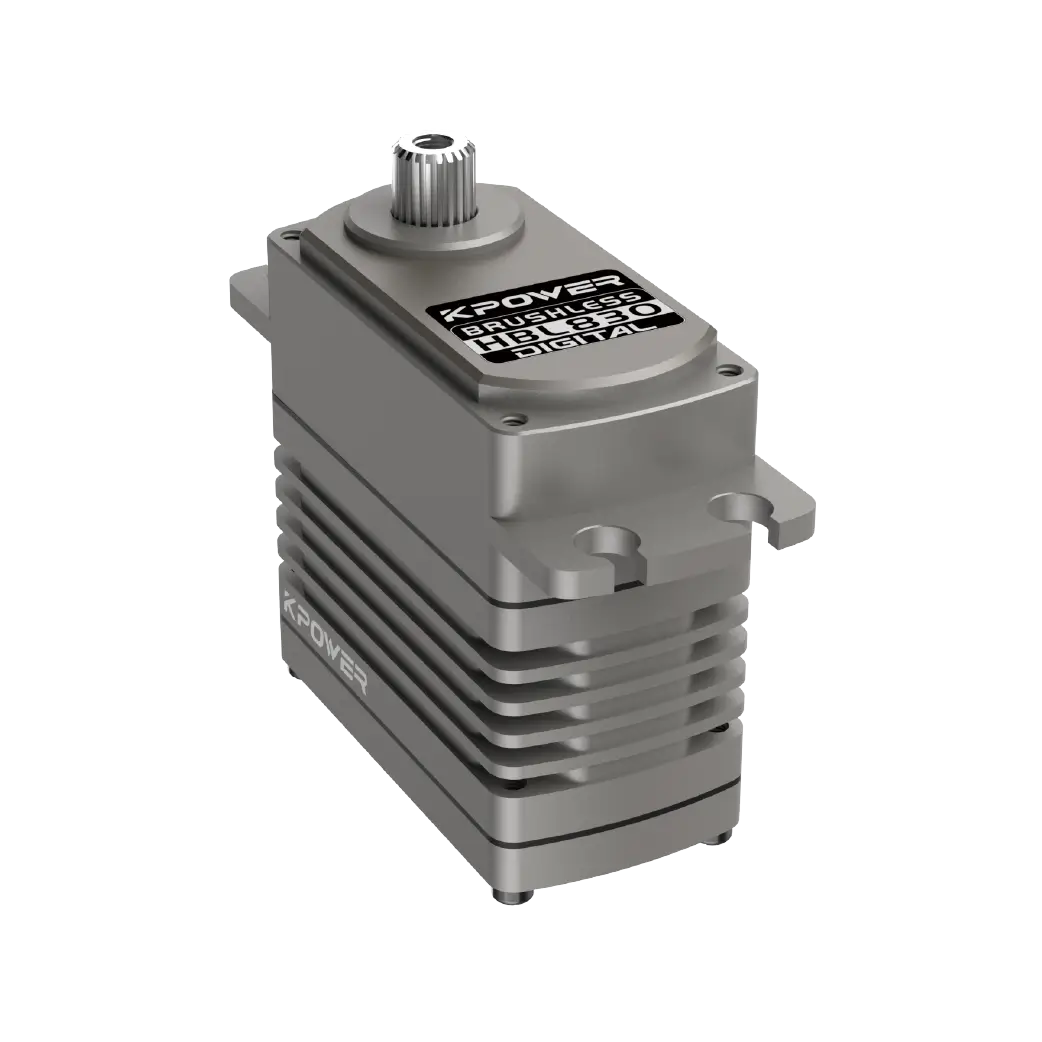
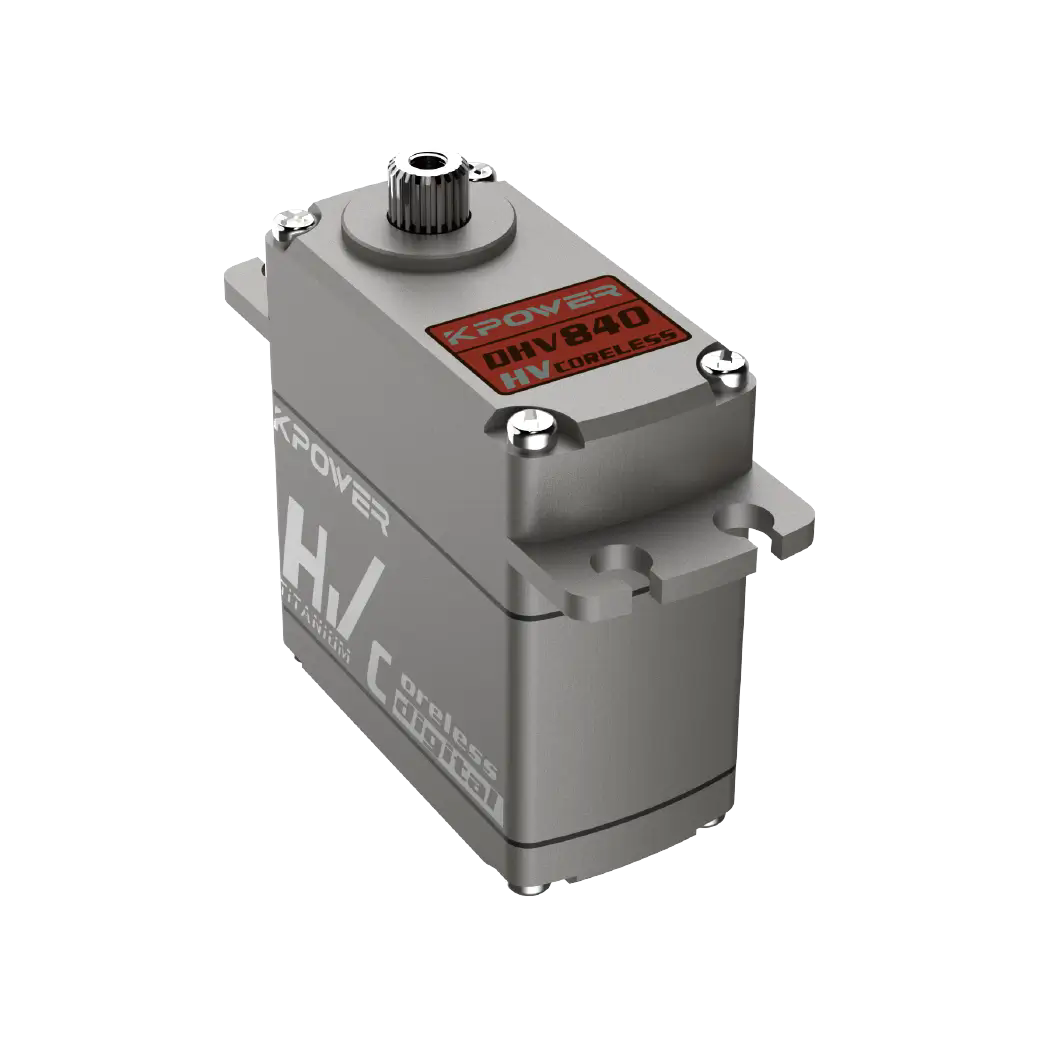
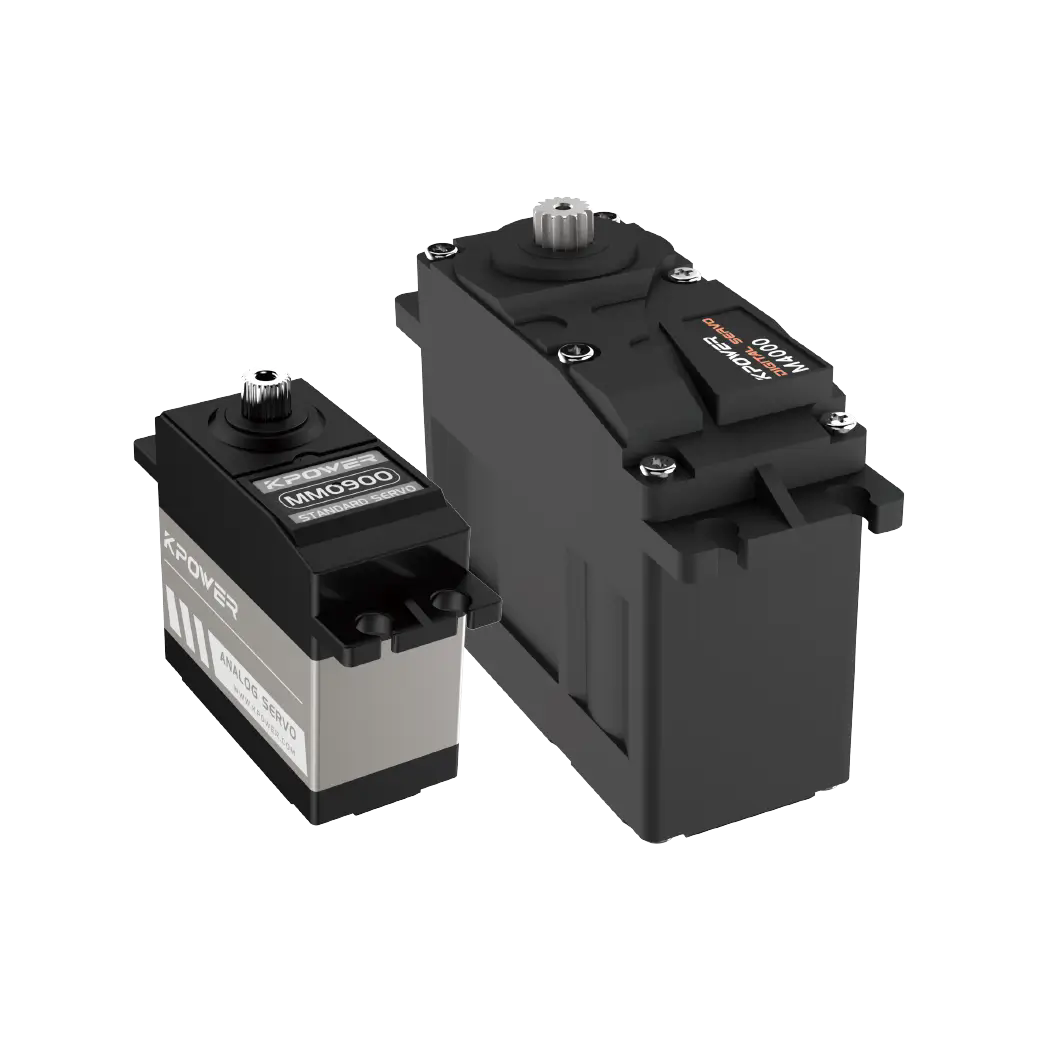
In addition to strength and accuracy, you also need to check whether the servo is digital or analog. The digital servo responds quickly and maintains a more stable position. Although it is more expensive, it is the first choice for projects with high performance requirements, such as robot dogs or robotic arms. If a novice has a limited budget, he or she can first practice with a simulated steering gear and slowly explore the feeling.
If the wires are not connected correctly, the servo will not move at all and may even be burned out. Common servos generally have three wires, namely the positive and negative poles of the power supply and the signal wire. You need to connect these three wires to the corresponding interfaces on the control board (for example). Usually, the signal wires need to be connected to the PWM port, so that the angle of the servo can be accurately controlled. Remember that the power supply needs to be separated, because the servo consumes a lot of power and cannot directly obtain power from the control board.
When connecting the servo circuit, be sure to make sure the wiring is correct, otherwise the servo will not work properly and may be damaged. The three wires common to servos, namely the positive, negative and signal wires of the power supply, must be accurately connected to the corresponding interface on the control board (for example). Generally speaking, the signal line is connected to the PWM port so that the servo angle can be accurately controlled. Special attention should be paid to setting up the power supply separately. In view of the large power consumption of the servo, power must not be taken directly from the control board.
️ Make sure the voltage matches before wiring. Most servos are 5V or 6V. If there are many servos, it is best to use an external power module, such as a regulated power supply or battery pack, otherwise the control board will not be able to move it. After connecting it, gently turn the steering wheel with your hands until it feels smooth and then turn on the power to avoid burning out in the first place.
Controlling the servo does not require you to write the underlying driver yourself. You can just use ready-made library functions, which saves time and effort. For example, the servo library (Servo.h) has encapsulated relevant commands. You only need to write code like.write(90), and the servo will be able to accurately rotate to 90 degrees. This way you can focus more on motion design and less on pulse width.
In actual operation, using library functions to control the servo greatly simplifies the development process. Taking the platform as an example, the servo library (Servo.h) provides developers with a convenient way. When you enter the.write(90)command, the servo will immediately rotate to the specified angle according to the setting. This allows developers to shift their focus from complex low-level driver writing to creative action design, without having to worry about the details of pulse width, and thus can more efficiently implement various servo control-related project requirements.
After writing the code, remember to test a single servo first to see if the rotation range is correct. Sometimes the servo angle will exceed the mechanical limit. You have to set the maximum and minimum values in the code to prevent it from getting stuck or damaged. For example, the joints of robotic arms are generally the safest to limit their rotation to 0 to 180 degrees.
If you want multiple joints of a robot to move together, such as walking or waving, you have to deal with the timing issues of multiple servos. If you issue commands one after another, the movements will be choppy and not smooth. The solution is to store the target angle of each servo, and then use a loop to update their positions at the same time, so that it looks like synchronous movement.
️ Here’s a little trick: do it step by step. Break a big action into multiple small steps, fine-tune all the servos a little in each step, and add a few milliseconds of delay in between. For example, when a robot dog lifts its legs, the angles of the hip joints and knee joints must be well coordinated, so that it can approach the target step by step so that the movements are natural. Try more delay parameters to find the smoothest point.
When the servos are turned on, the current is very large, especially when multiple servos are turned at the same time, which may instantly lower the power supply voltage, causing the control board to restart or the servos to become weak. Don't panic at this time, it's not that the servo is broken, it's that the power supply can't keep up. You can use a large-capacity battery, such as a 18650 lithium battery pack, or add a capacitor to buffer the instantaneous current.
In addition, the power cord should be thicker. Thin wires have high resistance and are prone to heat and voltage reduction. If conditions permit, each servo can be connected in parallel with a small capacitor to effectively suppress voltage fluctuations. Remember, stable power supply is the basis for reliable operation of the robot, so don’t save money and trouble here.
If the servo doesn't move or shakes, don't rush to dismantle it yet. The first step is to listen for a buzzing sound. If there is a sound, it may indicate that the power supply is insufficient or the signal line is not in good contact. The second step is to check whether the signal cable is plugged in correctly. Many novices will confuse the signal cable and the power cable. Check the color again.
️ If the servo rotates incorrectly, it may be that the center position is not calibrated. You can use the code to center it first (write 90 degrees), and then manually install the steering wheel and adjust it to the horizontal state. Only in this way can subsequent control be precise. If there is jitter, it is probably due to the large power supply ripple, which can be solved by adding a filter capacitor. Don’t be afraid if you encounter problems. If you investigate step by step, you can always find the cause.
When you were making a robot, have you ever encountered the most troublesome problem, such as a wrong servo selection or stuck code debugging? Welcome to chat in the comment area. Let’s avoid pitfalls together. Remember to like and save it so you can read it at any time.
Update Time:2026-02-26

Contact Kpower's product specialist to recommend suitable motor or gearbox for your product.