







TECHNICAL SUPPORT


Published 2026-02-25
Many friends who have just started to make models or robots, when they first see the terms "analogservo" and "digitalservo", they can't help but wonder: What is the difference between the two? Which one should I buy that is more suitable? Don’t worry, today we will discuss this topic in depth, break it down and talk about it in detail to help you figure this issue out at once, so that you can feel confident when making a purchase, so that you will not spend money in vain.
In the field of model and robot production, novices will inevitably be confused when encountering professional terminology. Concepts like "analogservo" and "digital servo" can easily make people confused. Our next discussion is to clear up the confusion for everyone, so that everyone can clearly understand their differences, so that they can make wise choices when purchasing and avoid unnecessary expenses caused by unclear information.
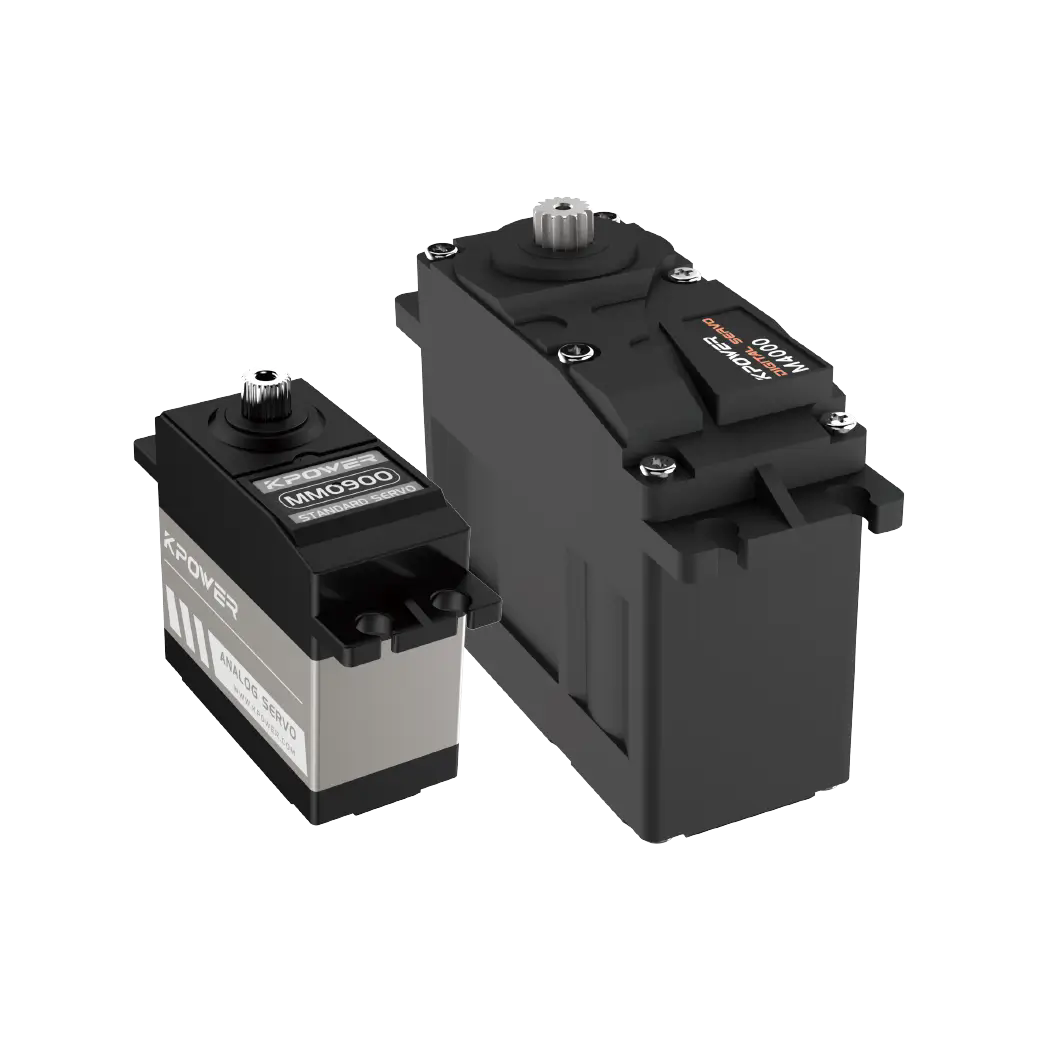
To understand the difference, we have to start with the way they "work". The analog servo is like a diligent but slow-reacting employee. After receiving the instruction, it will check whether it is in place at a relatively low frequency (about 50 times/second), and move if it is not in place. The process is simple and straightforward, but reaction speed and ability to maintain force are relatively average.
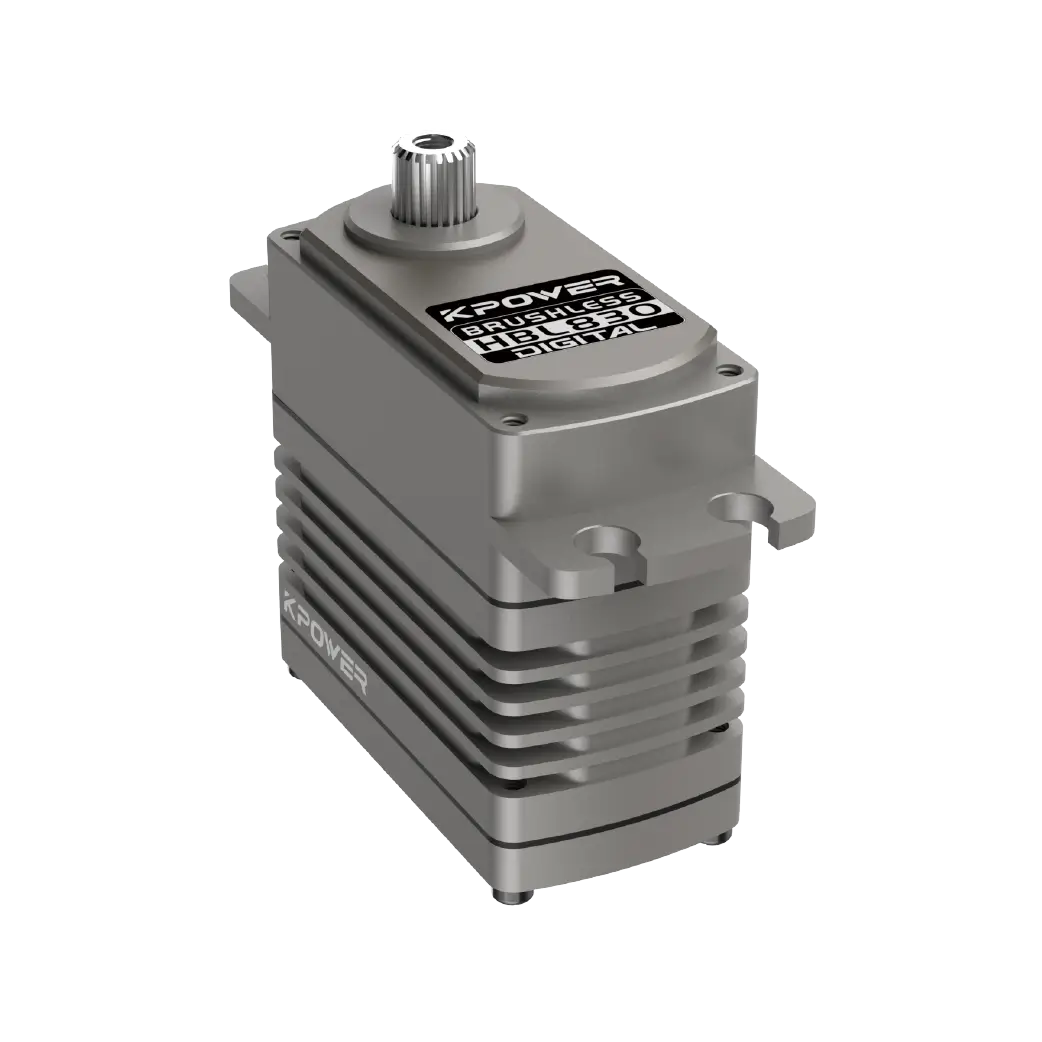
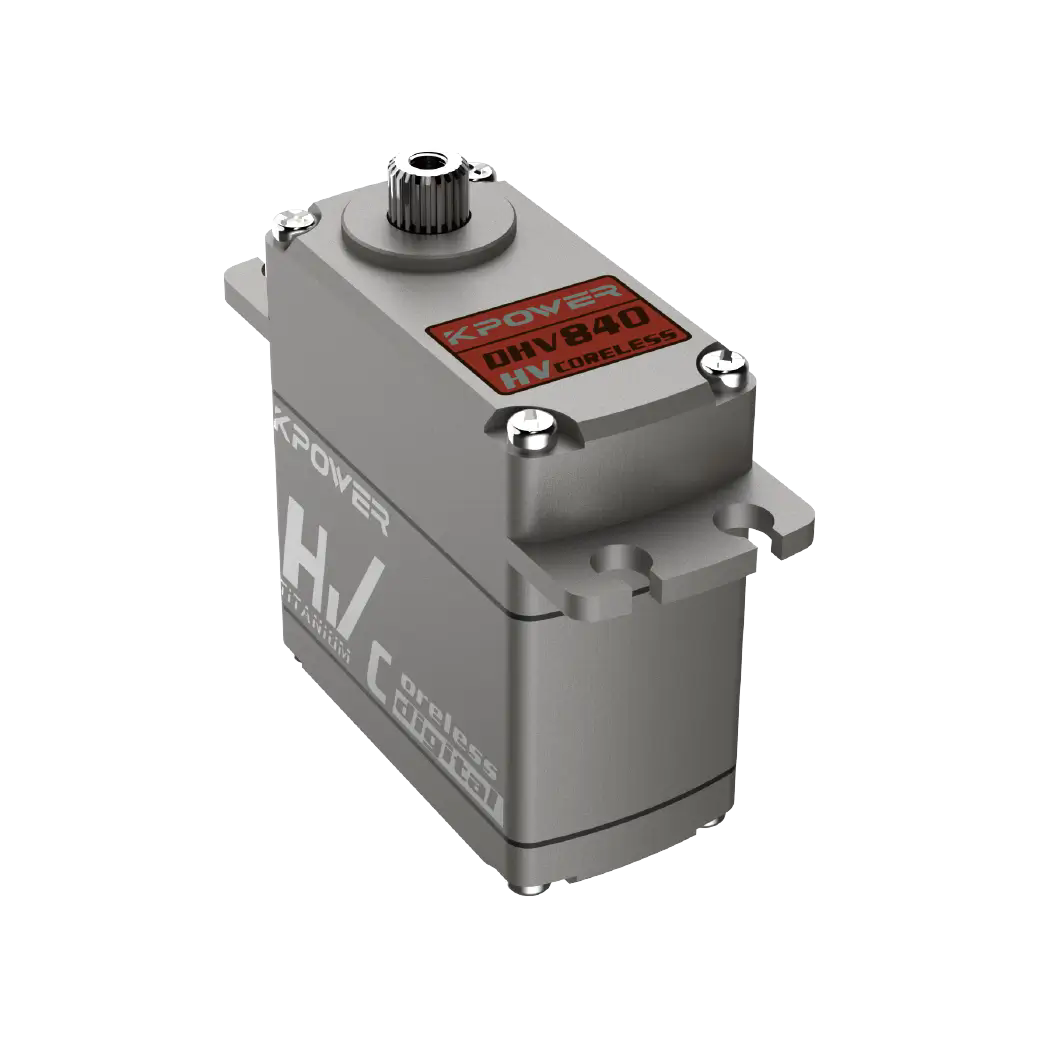
The digital servo is different from the ordinary servo. It has a micro-control chip inside, which is like an elite with extremely quick response. After receiving the command, it will use the ultra-high frequency, which can reach more than 300 times/second, to check and correct its position. This shows that it can respond to various changes more quickly, and when staying in one position, it will also "tremble" at a high frequency to exert force, thereby making the power output more full.
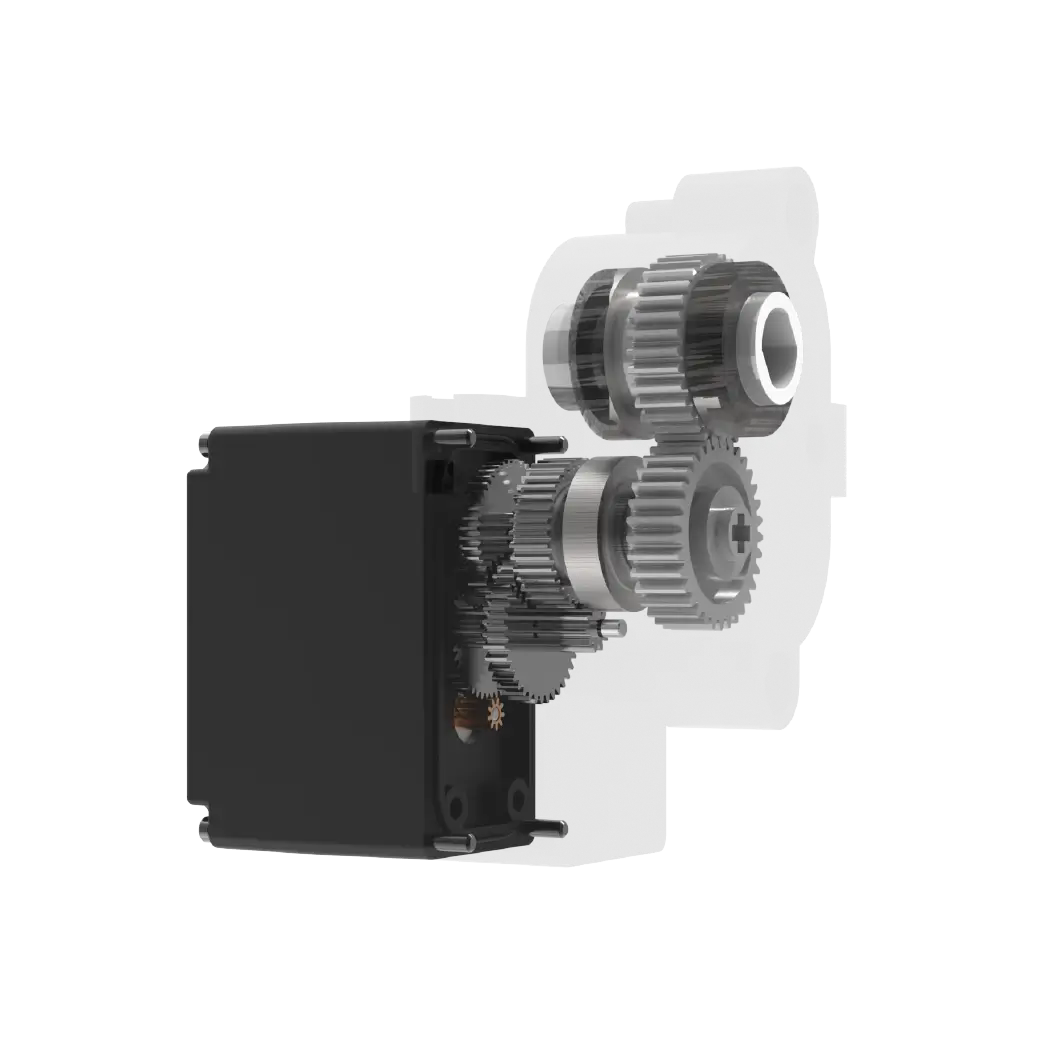
It is precisely because of the special structure inside the digital servo, that is, the addition of a microcontrol chip, that it has the above-mentioned unique performance. It moves very quickly after receiving instructions, and performs position checks and corrections at ultra-high frequency. This ability to quickly respond to changes makes it stand out among many servos. The characteristic of high-frequency "micro-shaking" force generation further enhances the effect of its power output, allowing it to play a better role in various application scenarios.
This is like driving an ordinary family car and a sports car, the feeling is completely different. When using a digital servo, the most intuitive feeling is to "follow the hand". When you turn the direction, it responds immediately, with almost no sense of delay. Especially when playing with climbing cars or robots that require precise positioning, this precision of pointing and hitting will make you feel more confident in control.
The response of the simulated servo will be a little slow. Although it is sufficient for daily use, in scenarios that require quick response or very precise operation, you may feel that the car is a bit "fat", or the robot's movements are always half a beat slower than your instructions. This slight difference in control is the most direct reflection of the performance of the two.
You should pay attention to this, especially those who are battery-powered. Because the digital servo generates force frequently, it is like being in a state of high-intensity exercise, so its "power consumption" will be larger than that of the analog servo. Moreover, it will continue to generate heat when it maintains its position. If you keep it simmering, the heating phenomenon will be more obvious.
Analog servos are relatively "Buddha-type". They work at a low frequency, which naturally saves power and generates much less heat. If the battery capacity of your device is limited, or the working environment of the servo is not good at dissipating heat, the simulated servo will be more stable. But be aware that if the analog servo is overloaded for a long time, it will also heat up or even burn out.
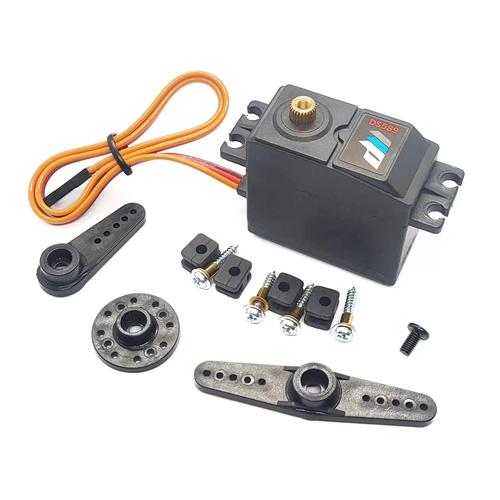
Speaking of money, this may be one of the most concerning issues for everyone. Generally speaking, because the internal structure is more complex, the price of digital servos is more expensive than analog servos of the same level, sometimes even double. The extra money buys faster speed and more precise control.
Is it a no-brainer to choose a digital servo? Neither. If your project is a simple toy or a robotic arm that does not require high response speed, then the analog servo is completely sufficient and very cost-effective. But if you are pursuing high-performance car models or precision robots, spending a little more money on a digital servo is definitely worth the price.
There is no standard answer to this question, it depends on your specific needs. Here are a few questions you can ask yourself: Does my device need to be responsive? For example, if you want to play drift cars or competitive robots, choose digital servos. Do I have high accuracy requirements? For example, camera gimbals and manipulators also need digital servos.
If you are just trying to get started, or making a small thing for display, the analog servo can completely satisfy you, and you can also save your budget to buy other parts. Also, remember to check if your receiver or ESC supports digital servos. Although most are compatible, it never hurts to check in advance.
There are so many brands and models of servos on the market, how do you choose a reliable one? First of all, don’t be greedy for cheap, try to choose brand products with good reputation. You can first search for reviews of this model online to see everyone’s actual feedback. After receiving the goods, gently turn the servo arm by hand to feel the gear gap. The smaller the gap, the better the accuracy is usually.
Turn on the power, let it run without load, and listen to the sound. The working sound of the analog servo is relatively dull and slow, while the digital servo will emit a very fine, high-frequency "sizzling" sound. If the sound is messy or abnormal, there may be something wrong with the quality. By mastering these tips, your chances of getting into trouble will be greatly reduced.
Okay, let’s stop here today, about the difference between analog and digital servos. After talking about so many aspects, the most important thing is to understand your own needs. So, for the project you are currently preparing to start, does it require a digital servo with "accurate and fast" characteristics, or does it prefer an "affordable" analog servo?
Everyone is welcome to leave a message in the comment area and share your thoughts. If you find this article useful to you, don’t forget to like it and share it with more friends in need!
Update Time:2026-02-25

Contact Kpower's product specialist to recommend suitable motor or gearbox for your product.