







TECHNICAL SUPPORT


Published 2026-03-01
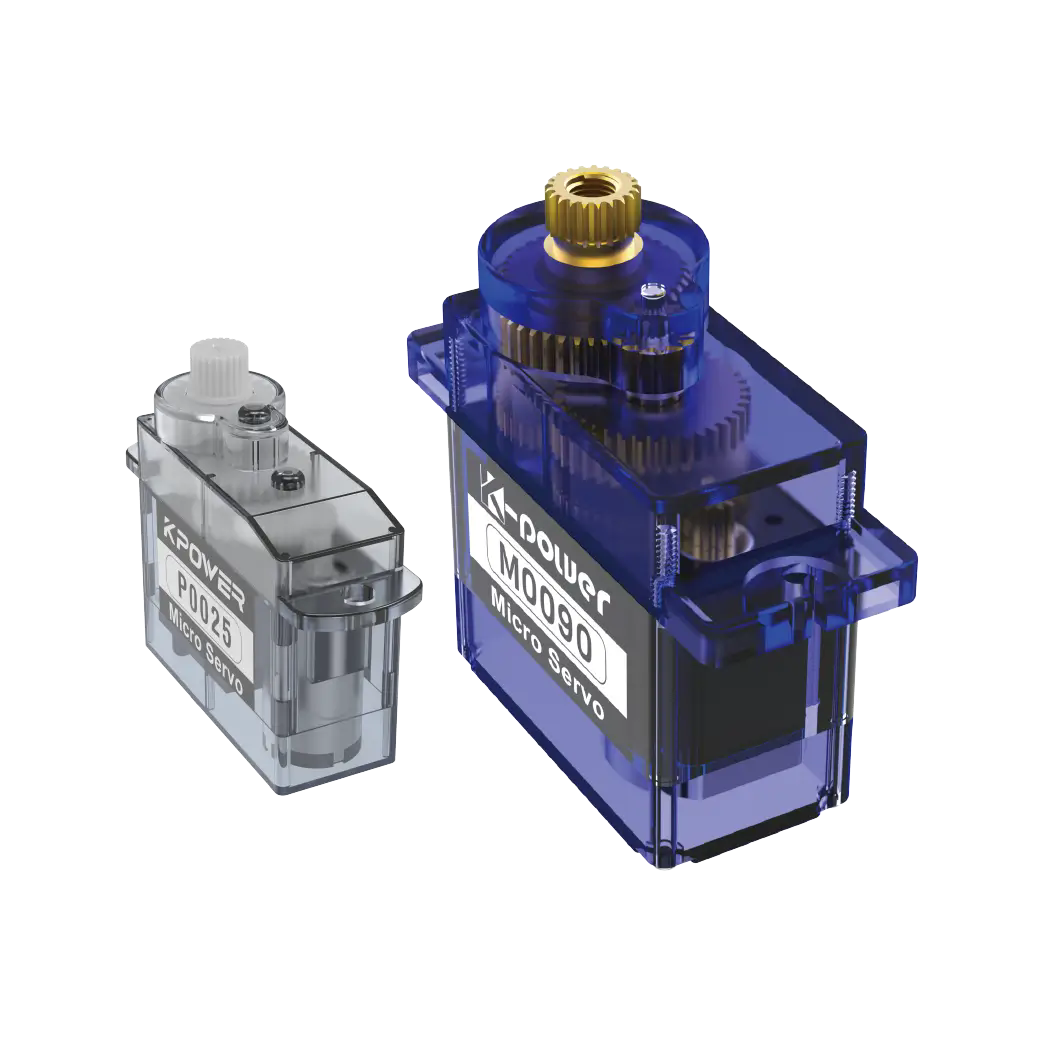
Have you ever encountered a situation where theservodoes not turn, shakes violently, or gets stuck as soon as it turns? Many friends who have just started playingmicroservomgwill stumble on these little things. Despite its small size, if you choose it incorrectly or use it incorrectly, your robot arm may not be able to lift up, and your model car may not be able to turn corners. Today we will talk about how to get this little guy with metal gears.
This is probably the most frequently asked question by newbies. You excitedly connected the servo to the wires and passed the code in, but as a result, it either didn't move at all or moved softly. In this case, 80% of the time it's not that you wrote the program wrong, but that there's a problem with the power supply. Despite the small size ofthe micro servo mg, the current required at startup is quite large, especially when there is a slight load. If you use the 3.3V or 5V pin on the development board to push it directly, the voltage will be pulled down instantly, and the servo will naturally lose power. The solution is very simple️ Prepare a separate power supply for it, such as a few batteries, or a voltage stabilizing module, and connect the ground and signal lines to your main control board to ensure that it has enough food to have the strength to work.
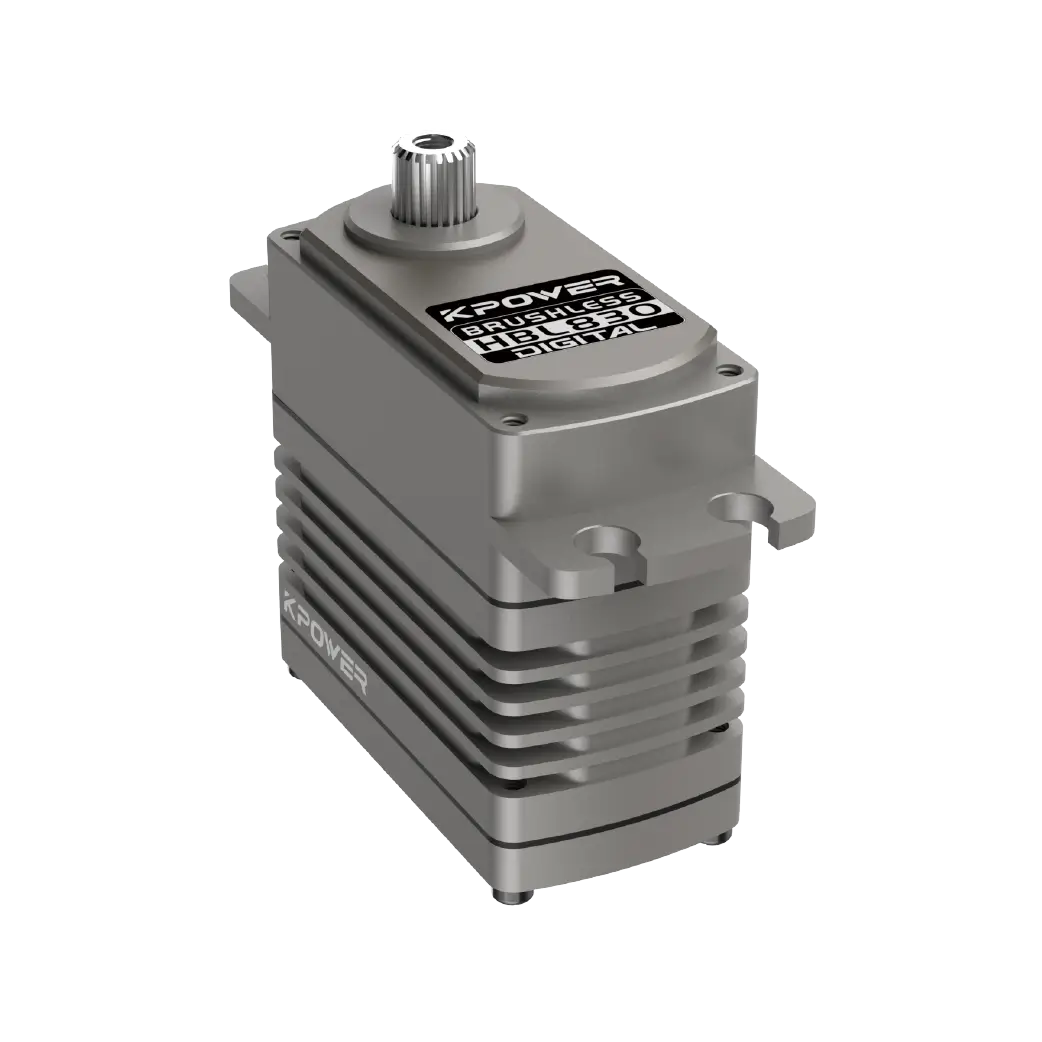
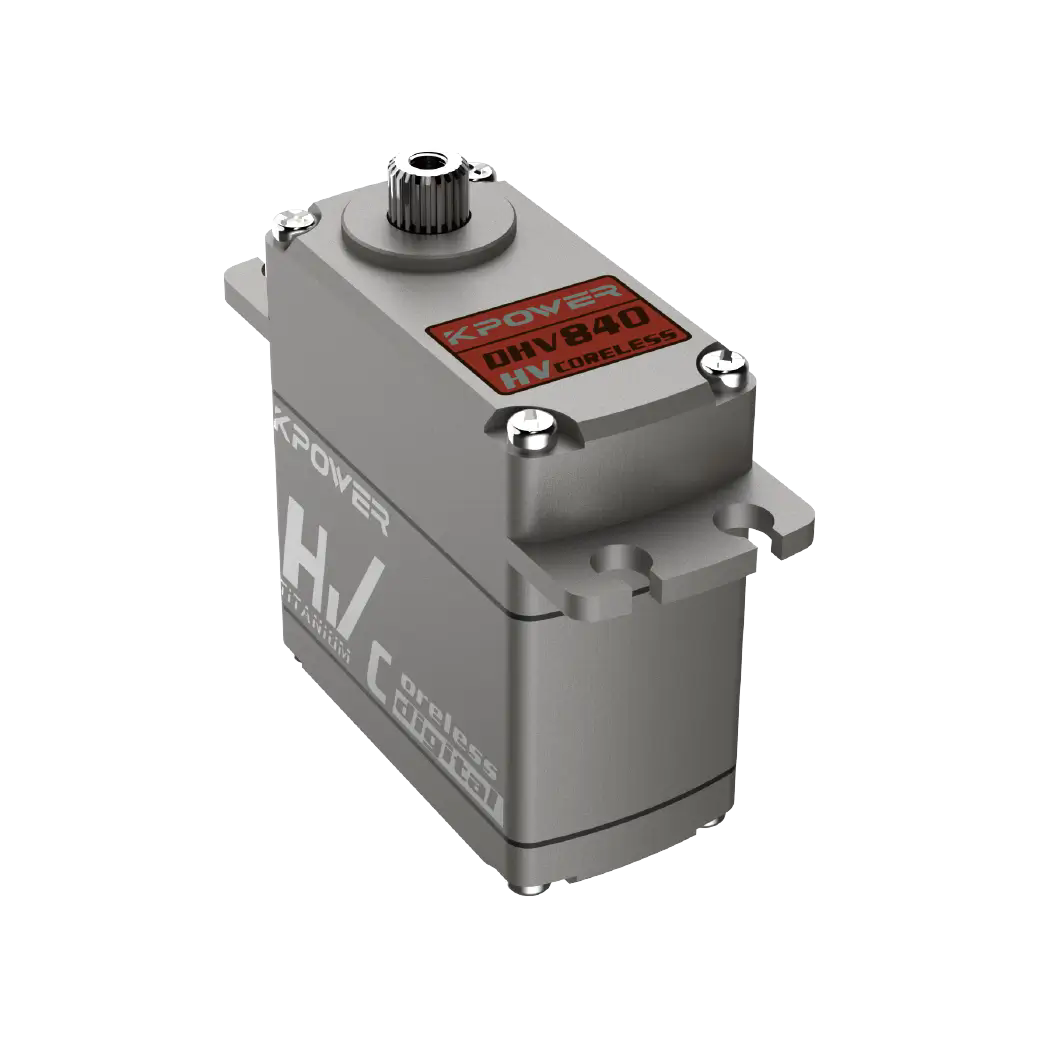
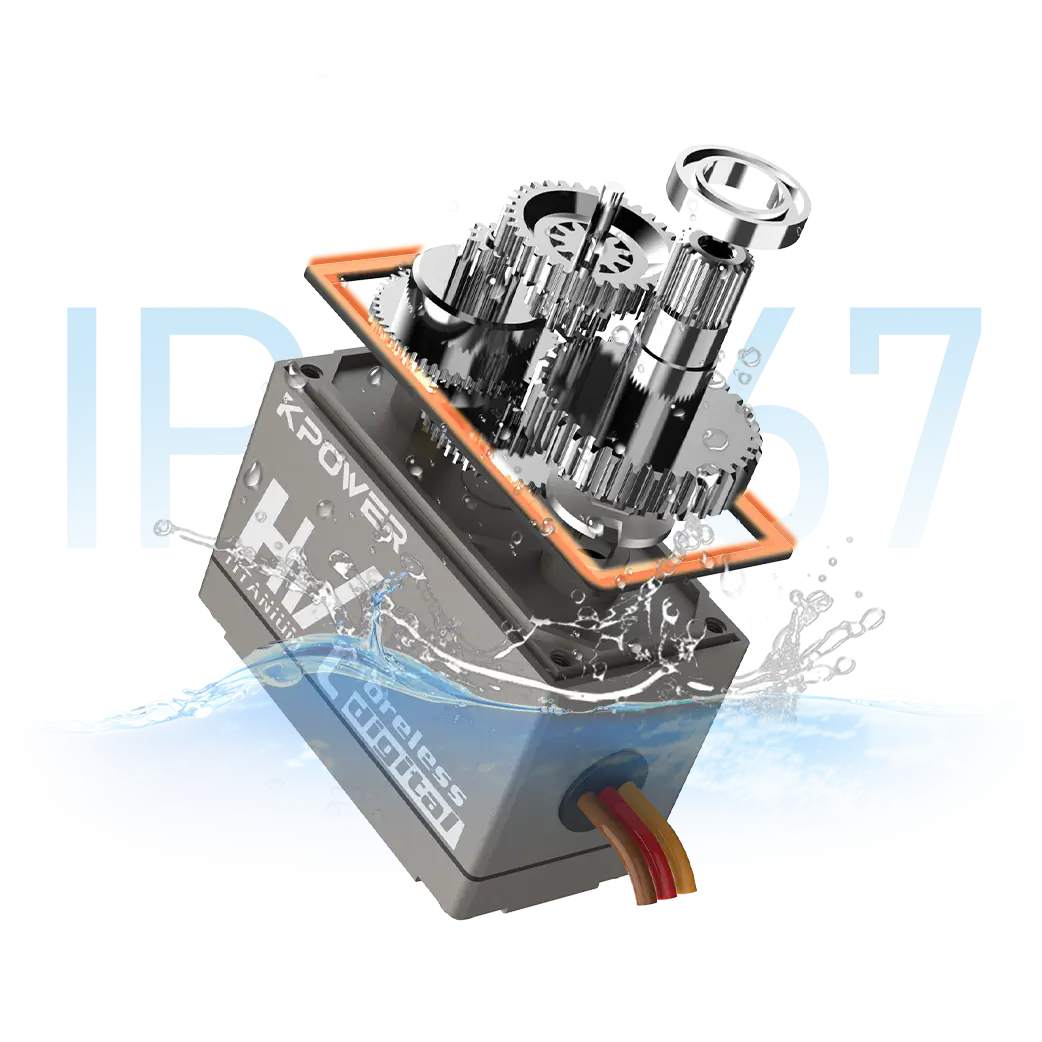
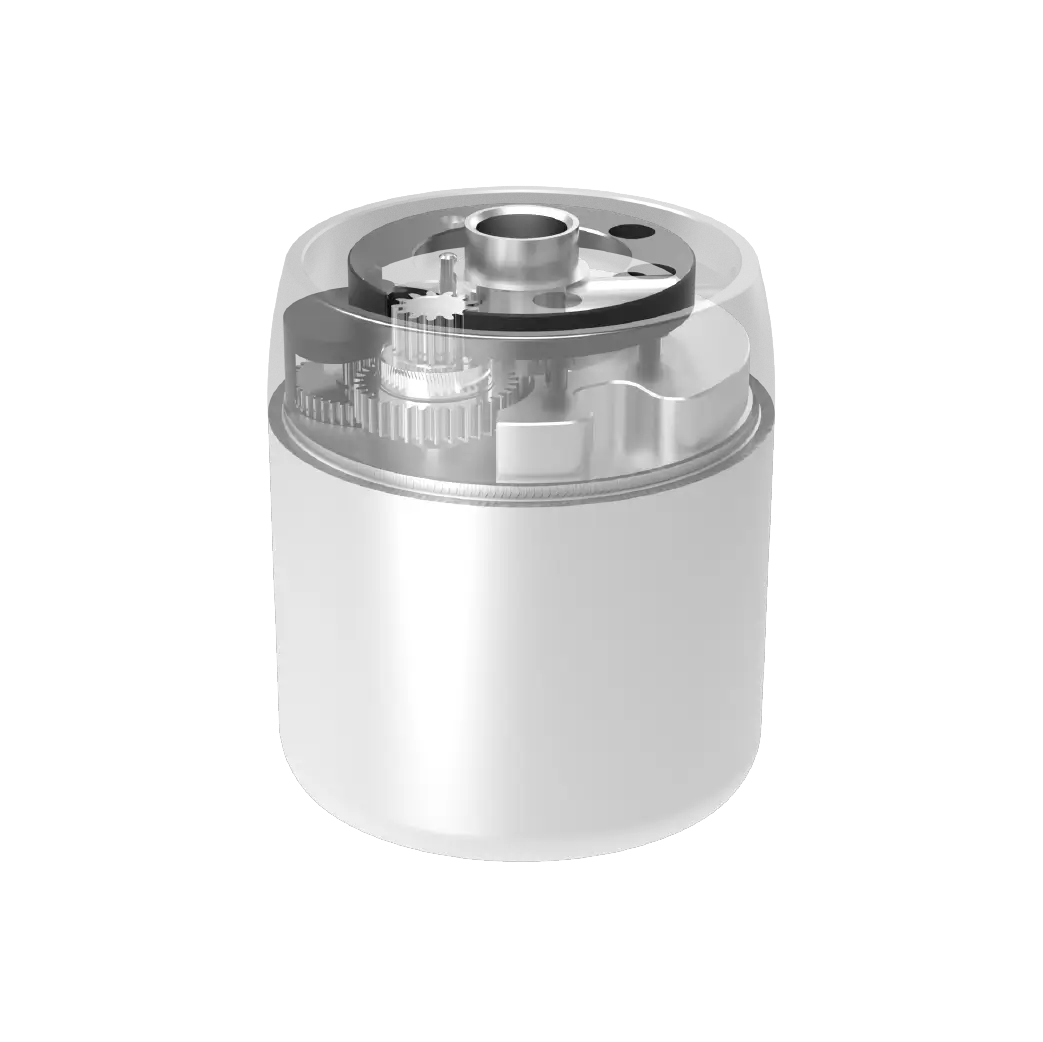
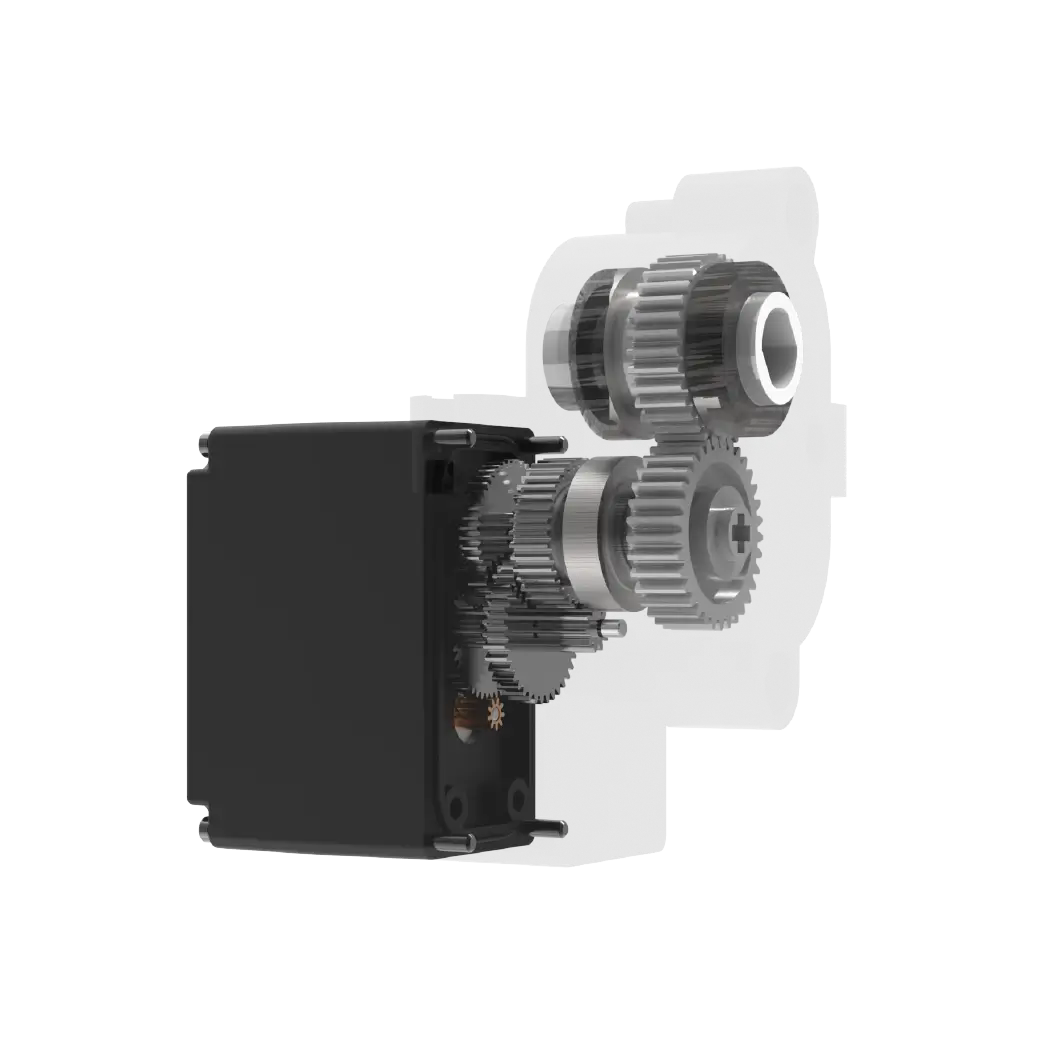
You may have been confused when buying a servo, whether to buy an ordinary nylon gear servo or thismicro servo mg. Let's put it this way, the nylon gear servo is like using a plastic ruler to tighten the screws. It is okay to use it occasionally. However, if you apply a little force, the teeth will slip. In serious cases, the teeth will be scrapped directly. The "mg" ofmicro servo mgis the abbreviation of Metal Gear, which is metal gear. Its biggest advantage is that it is durable, strong and can withstand greater impact. Imagine that each leg of the quadruped robot you make has to support the weight of the body, and there will be impact when it lands. If you use nylon gears, it will be useless after a few times. The metal gear steering gear is prepared for this kind of "rough work" and "tiring work", and its service life is much longer.
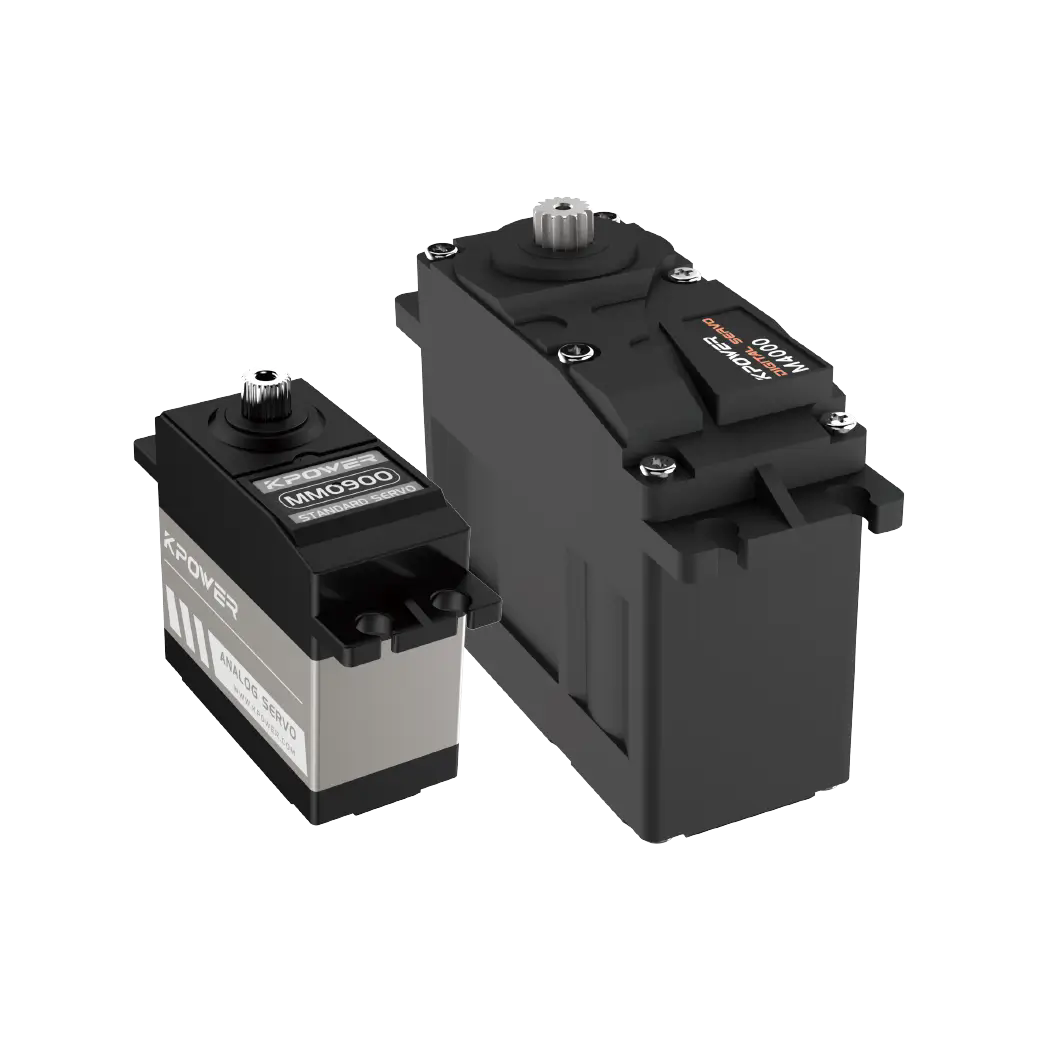
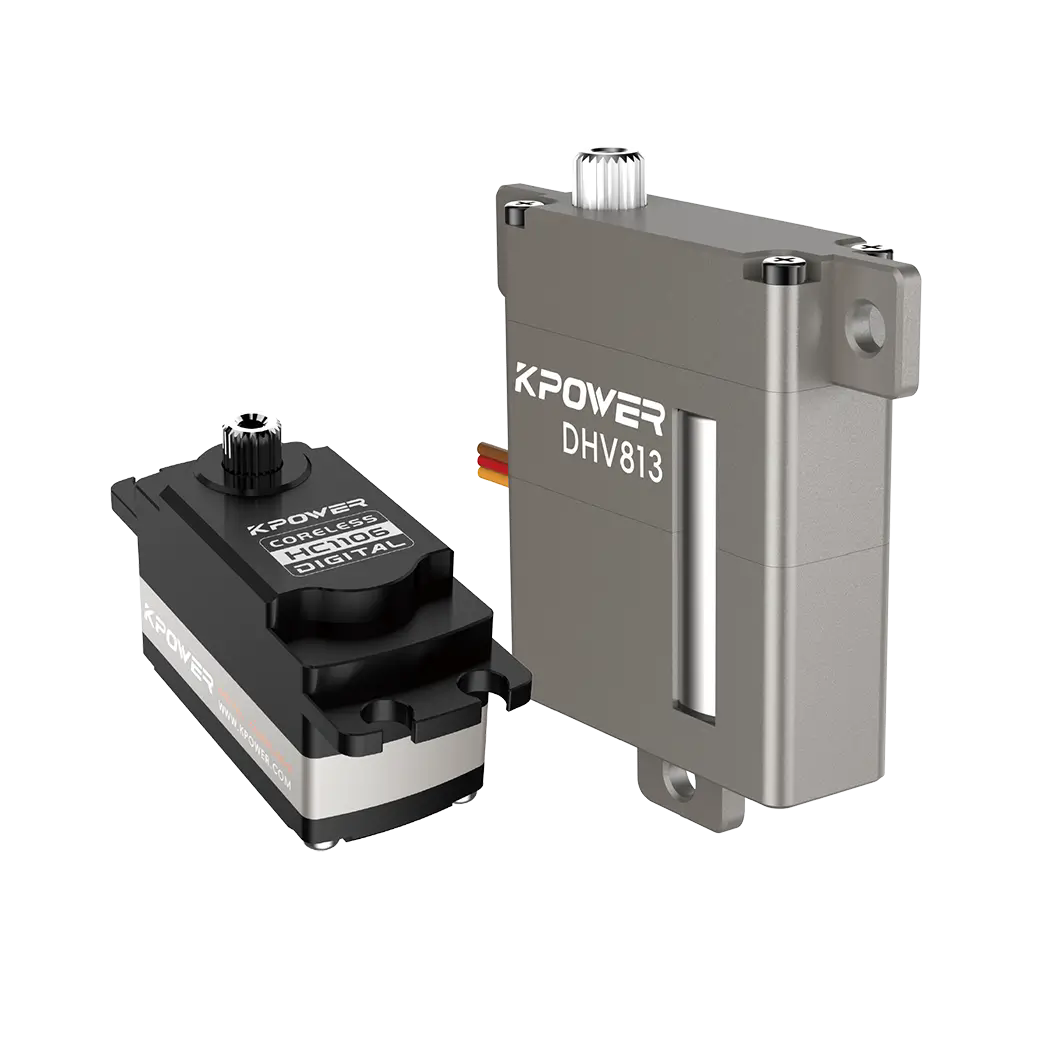
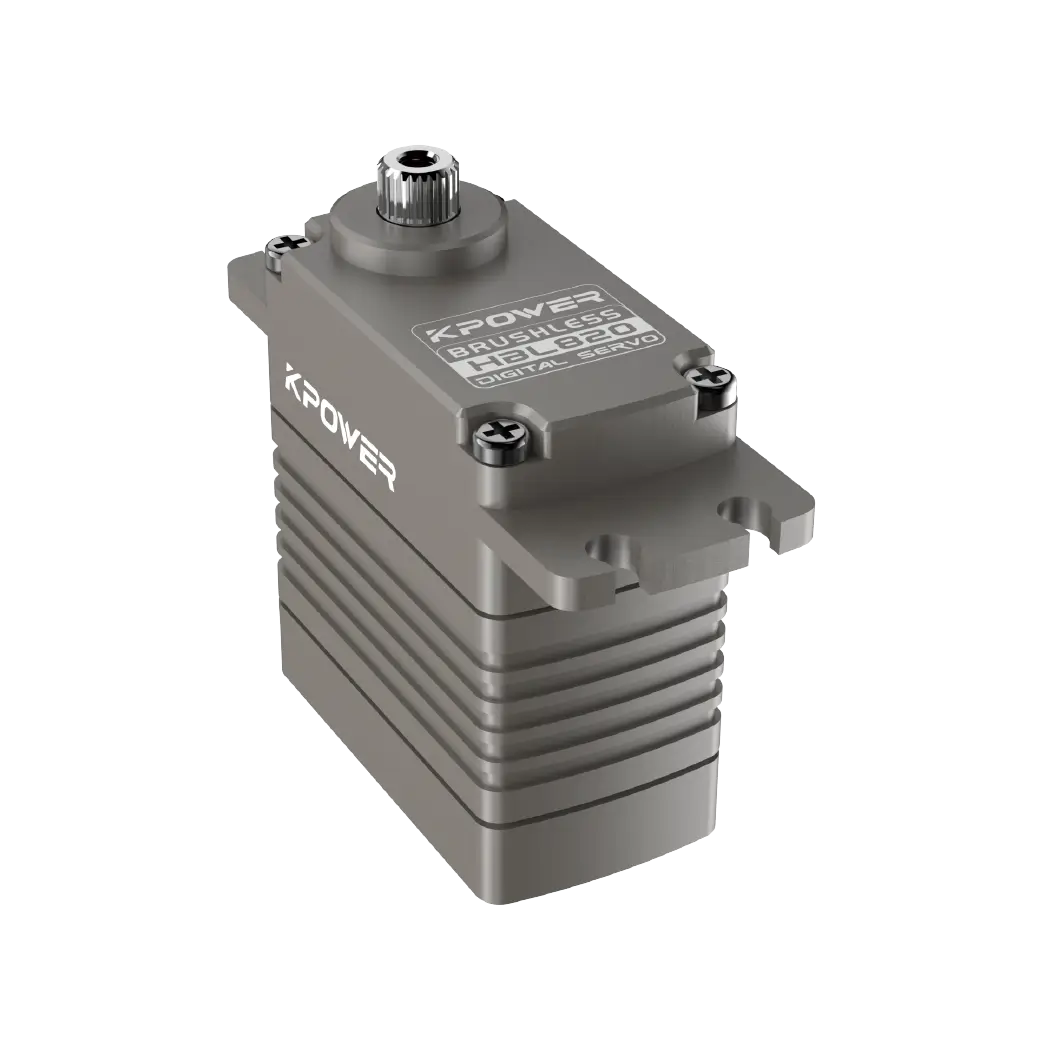
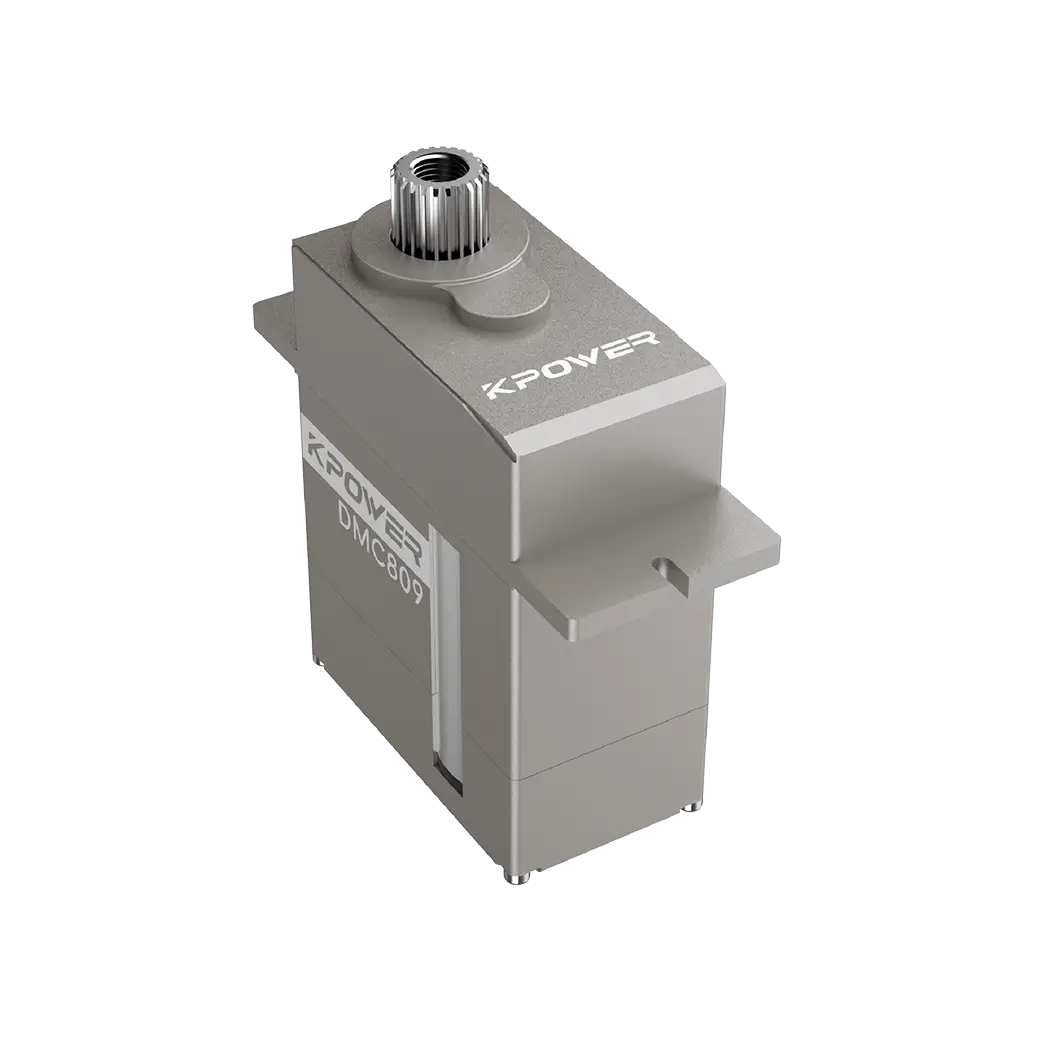
When I searched online, there were so many models that I was dazzled by, such as SG90, MG90S, etc. Although they all have "mg" in them, they are very different. If you choose the wrong one, you either can't install it or the torque is not enough. Let me give you a simple idea️ First look at how much force your project requires. If you just want to make a small gimbal and rotate the camera, then the 9-gram MG90S is enough. But if it is used to make robot joints, especially lower limb joints, you have to consider a larger metal servo like this one, which has much greater torque and can hold your robot up. What do you think of torque? It will be marked on the product details page, and the unit is usually kg·cm, which means how many kilograms of weight can be lifted 1 cm away from the center of the servo axis. You should have a rough idea of the number before placing an order, so as not to buy it back as a decoration.
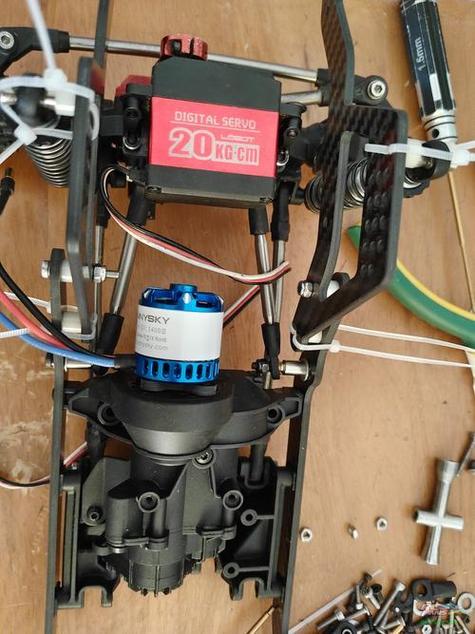
Many people think that after buying a servo, it can only be done once the screws are tightened? It's not that simple. Improper installation can easily damage the servo. The first point is not to use screws that are too long. Although the casing of the metal servo is strong, the screw holes are deep. If the screws are too long, they will hit the gear or motor inside, causing the servo to become stuck and unable to rotate. When installing the steering wheel, the teeth under the steering wheel must be aligned and pressed to the bottom. If the screws are twisted and twisted, the output shaft inside will be easily damaged. Another detail is to leave room for movement of the connecting rod connected to the servo rocker arm. Don't let it squirm at the extreme position. In this case, the servo will continue to hold its strength, causing serious heating and greatly reducing its lifespan.
The code control looks simple, as if you give it an angle value it will move. But if you wantthe micro servo mgto rotate quickly and stably, there are still some tricks. The most basic thing is to use the Servo library, which can make it rotate to a specified angle with just a few lines of code. But you will find that if you let it jump directly from 0 degrees to 180 degrees, it will fly over with a "swish", and the impact will be great, which is not friendly to the mechanical structure. If you want smooth movements, you have to write some code yourself. For example, use a for loop to increase the angle little by little, and add a little delay in the middle. In this way, the servo will move very smoothly, like flowing water, and it will look much more advanced. This is especially important when doing robot walking and robotic arm grabbing, as the movements will be more natural.
It's normal for the servo to feel a little warm when you touch it, but if it's so hot that you can't put your hands on it, then there's something wrong. Severe fevers usually have several causes. The first is overload operation. Let a small servo do a job that it cannot do. For example, use it to push a heavy object directly. The motor will stall, the current will increase sharply, and the heat will rise. The second is the improper installation. The aforementioned stuck connecting rod will also cause the servo to remain in a blocked state. The third is that the PWM signal is unstable or has an incorrect frequency, which can also cause the control circuit inside the steering gear to heat up. The solution is: change to a high-torque servo, or adjust your mechanical structure to make it smoother, and then check whether the frequency and pulse width range of the servo in the code are correct.
After talking so much, I wonder if you have ever encountered a situation where the servo cannot return to the neutral position? Obviously the program writes 90 degrees, but the reset position is a little off every time. Have you encountered this kind of accuracy problem when working on projects? Welcome to share your experience in the comment area, let's discuss and solve it together! If you find this article useful, don’t forget to like and share it so that more friends who play servos can see it!
Update Time:2026-03-01

Contact Kpower's product specialist to recommend suitable motor or gearbox for your product.