








TECHNICAL SUPPORT


Published 2026-03-06
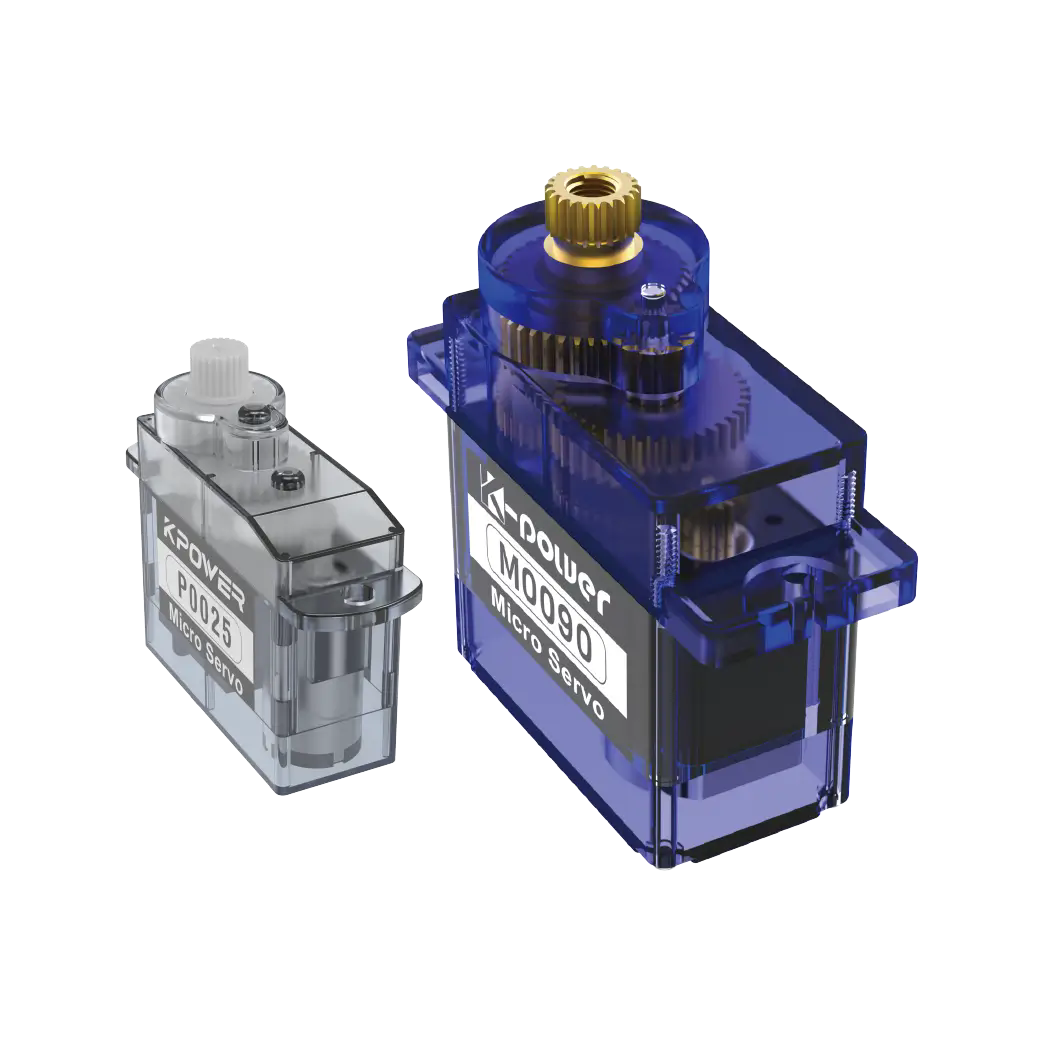
Say you are happily tinkering with your new invention, or repairing a beloved robot, and the most critical smallservo - thetower pro 9g microservo- suddenly stops spinning or shakes. Isn’t that disappointing? Although this little guy is cheap and common, it is really frustrating to use it properly. Don't worry, today we will talk about how to arrange it clearly and make it obedient.
Servo vibration is definitely the most common problem encountered by novices. This is usually not because the servo is broken, but because the power supply is insufficient. The 9g servo requires a lot of current at the moment of startup. If you directly use the 5V pin on the development board to drive it, the servo will start to draw air as soon as the voltage drops.
It’s actually not difficult to solve. The simplest way is to supply power to the servo separately. You can use a breadboard to connect the power and ground wires of the servo to an external power source, such as a few batteries or a voltage regulator module, and only connect the signal wires to the development board. If the current tube is enough, it will be honest immediately. Remember, the common ground is very important. The ground of the external power supply and the ground of the development board must be connected together.
Are you also dazzled? The servos on the market calledtower pro 9g micro servoall look similar, but have different model suffixes, such as SG90 and MG90S. The difference is huge.
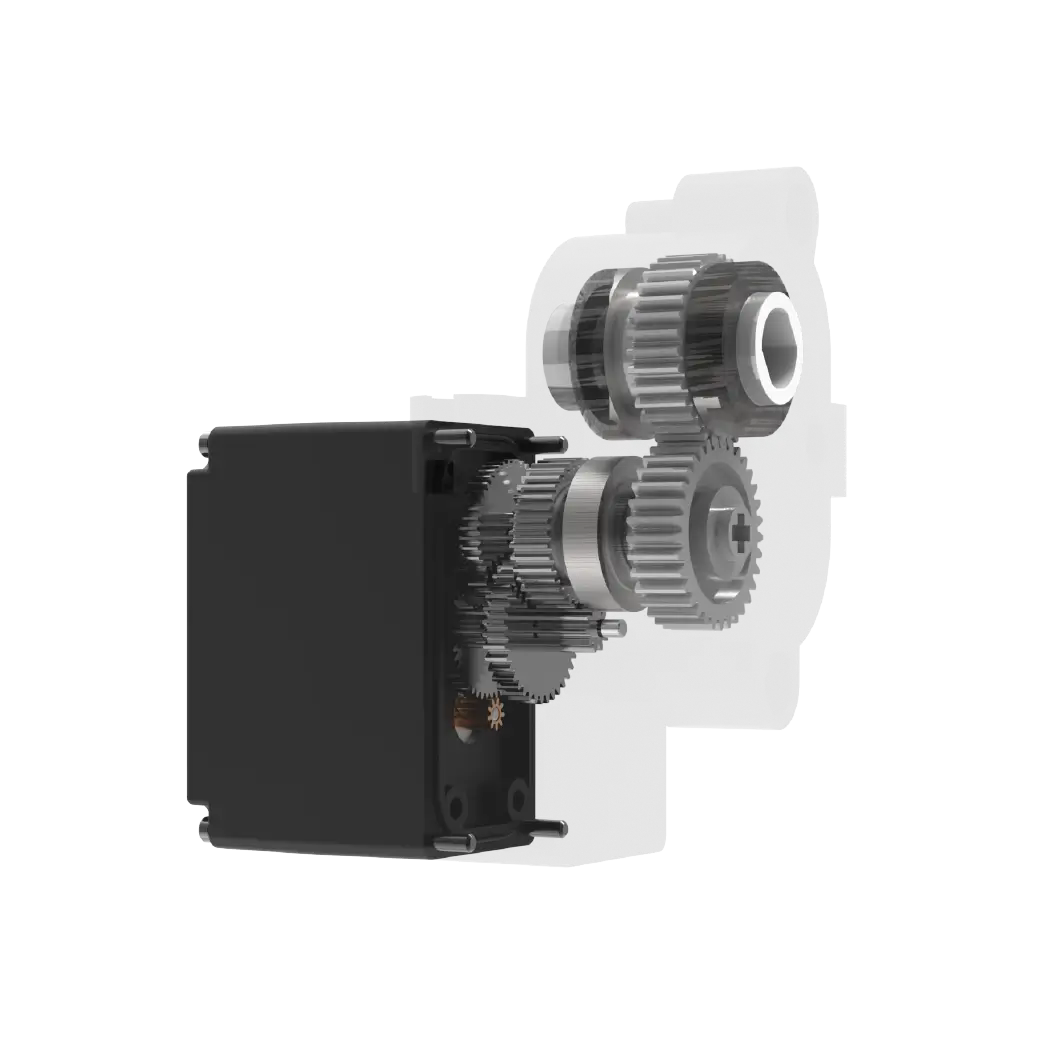
The SG90 uses nylon gears, which are cheap and quiet, but they have plastic teeth inside. The gears may break due to a little force or a drop. If your project is to make a simple gimbal or small claw that does not bear much force, choose the one with the highest cost performance. But if your project is to be mounted on a car or a robotic arm and the force is relatively large, then you must use the MG90S. It has metal gears inside, which is durable and has a larger torque. It is only a few dollars more expensive, but its reliability is much higher.
Installation sounds simple, but the devil is in the details. Many people's servos are either worn out or faked. For example, if you use a screw that is too long to screw it in, it will directly penetrate the servo housing or tear the wire.
Remember these points when installing: First, the screws that fix the servo should not be too long, generally no more than 5mm. It is best to make a gesture first. Second, leave some margin for the wiring. Don't tighten it too tightly. The wire may be easily broken when the machine moves. Third, and most importantly, before energizing the steering gear to return it to the neutral position, do not press the steering wheel (that is, the small arm) up first! You should first turn on the power to let it automatically rotate to the 90-degree position, and then install the steering wheel at the appropriate angle, so that the range of motion of your structure is correct.
To control the servo, everyone generally uses the Servo library, and you can make it turn with just a few lines of code. But how to make it rotate smoothly is a bit tricky.
Directly let the servo jump from 0 degrees to 180 degrees, and it will bounce over with a "pop". The movement is stiff and it is easy to hit the limit. If you want to make your movements elegant, you can use a for loop to increase the angle bit by bit, for example, add 1 degree each time and add a small delay, so that the servo can rotate smoothly and look more professional. In addition, remember to useservo.()to define the pin at the beginning of the program, and finally useservo.()to release the servo. Especially when your servo is not working for a long time, releasing it can prevent it from buzzing all the time, save power and extend life.
If you want to quickly test whether the servo is working or build a prototype, a breadboard is the first choice. 9g servo generally has three wires: brown negative pole, red positive pole, and orange or white signal wire.
The connection method is very simple 1️⃣ Plug the brown wire of the servo to the negative bus of the breadboard and the red wire to the positive bus. 2️⃣ Use two DuPont wires to connect the negative and positive busbars of the breadboard to the negative and positive terminals of your power supply (such as a battery box). 3️⃣ Plug the orange signal wire of the servo into an empty hole separately, and then use another DuPont wire to connect it to the digital pin of your development board (such as pin 9). In this way, the circuit is connected, and then upload a simple test program to see if the rudder moves or not, which is very convenient.
If you want your little servo to stay with you for a longer time, routine maintenance is essential. This thing is a consumable, but if you pay attention to it, it will last a long time.
Try to avoid the servo being blocked for a long time, that is, letting it push hard against something that it cannot turn. At this time, the current is the largest, and the motor and gears are easily damaged by overheating. If this situation exists in the design, it must be improved structurally. Secondly, regularly check whether the wire sheath is worn, especially near the root of the servo, which is prone to breakage due to frequent bending. If you find that there is abnormal noise during rotation or the gap becomes larger, it may be that the gear is worn. For MG90S, you can try to disassemble and add some grease. Forget it for SG90, it is easier to just replace it with a new one.
Having said all that, I wonder if you have encountered any weird problems while playing with the steering gear? For example, it doesn't respond when connected to the power, or it turns around randomly? Welcome to talk about your "trapped" experience in the comment area, and let's communicate and solve it together. If you think this article is helpful to you, don’t forget to like it and share it with more hands-on friends!
Update Time:2026-03-06

Contact Kpower's product specialist to recommend suitable motor or gearbox for your product.