







TECHNICAL SUPPORT


Published 2026-03-06
Recently, a friend complained to me that he was working on a small robotic arm project and was stuck on the choice ofservo. There are all kinds ofservos on the market, and the parameters are dazzling. Especially when I see a professional model like the Align DS655 Tail Microservo, I don’t know what its advantages are and whether it is suitable for my own use. In fact, many friends who are new to steering gear applications will encounter this problem - faced with a bunch of data, they don't know how to choose the "heart" that is truly suitable for their own innovation. Today, let’s talk about this matter thoroughly and help you solve this choice problem.
You may have encountered this situation. You assemble the product with great joy, but when the power is turned on, the servo will either shake non-stop, or it may not be strong enough to move the structure, or even burn out directly. This is probably because some key points were ignored during model selection. For your innovative product, the servo is like a joint, which directly determines the accuracy and stability of the movement. If you choose the right one, your design can run smoothly and your ideas can become reality. If you make the wrong choice, subsequent debugging and modifications will take a lot of time, or even make the entire project have to be restarted. Therefore, taking the time to understand it is definitely the most worthwhile investment.
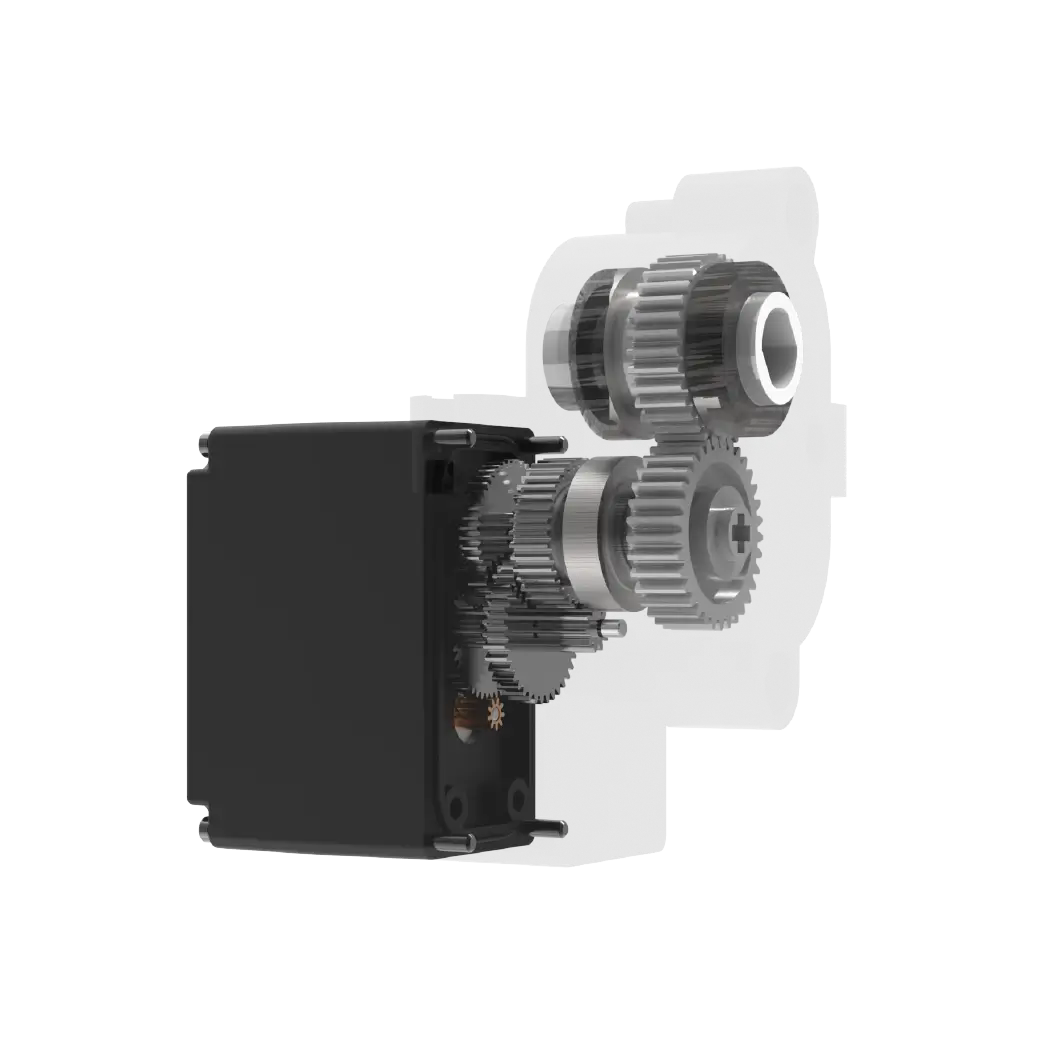
Many friends are confused about the difference between digital servos and traditional analog servos. In fact, they are like old-fashioned picture tube TVs and modern LCD TVs. Analog servos rely on receiving a continuous signal to maintain position. They respond slowly and have a "dead zone", which makes them inaccurate and prone to buzzing. Digital servos (such as DS655) have a small processor inside that can send pulse signals at a higher frequency. This means it can respond to commands faster, position more accurately, and have greater instantaneous torque at start-up. To put it simply, digital servos have fast response, high precision, and a more comfortable feel. They are especially suitable for scenes that require frequent direction changes and precise control, such as the tail-locking servos of helicopters.
When you get a servo manual, you may be frightened by a bunch of numbers. In fact, there are only a few core ones. The first is torque, such as the torque value of DS655, which determines how much load it can drive. The unit is usually kg·cm. You have to calculate how much force your structure will require and leave some margin. The second is speed, the unit is seconds/60 degrees, which refers to how many seconds it takes to turn 60 degrees. The smaller the number, the faster the servo moves. There is also operating voltage, and some servos perform better under high voltage. When looking at parameters, don’t just focus on the largest number. You should consider your power supply capabilities and actual needs to choose the most suitable one.
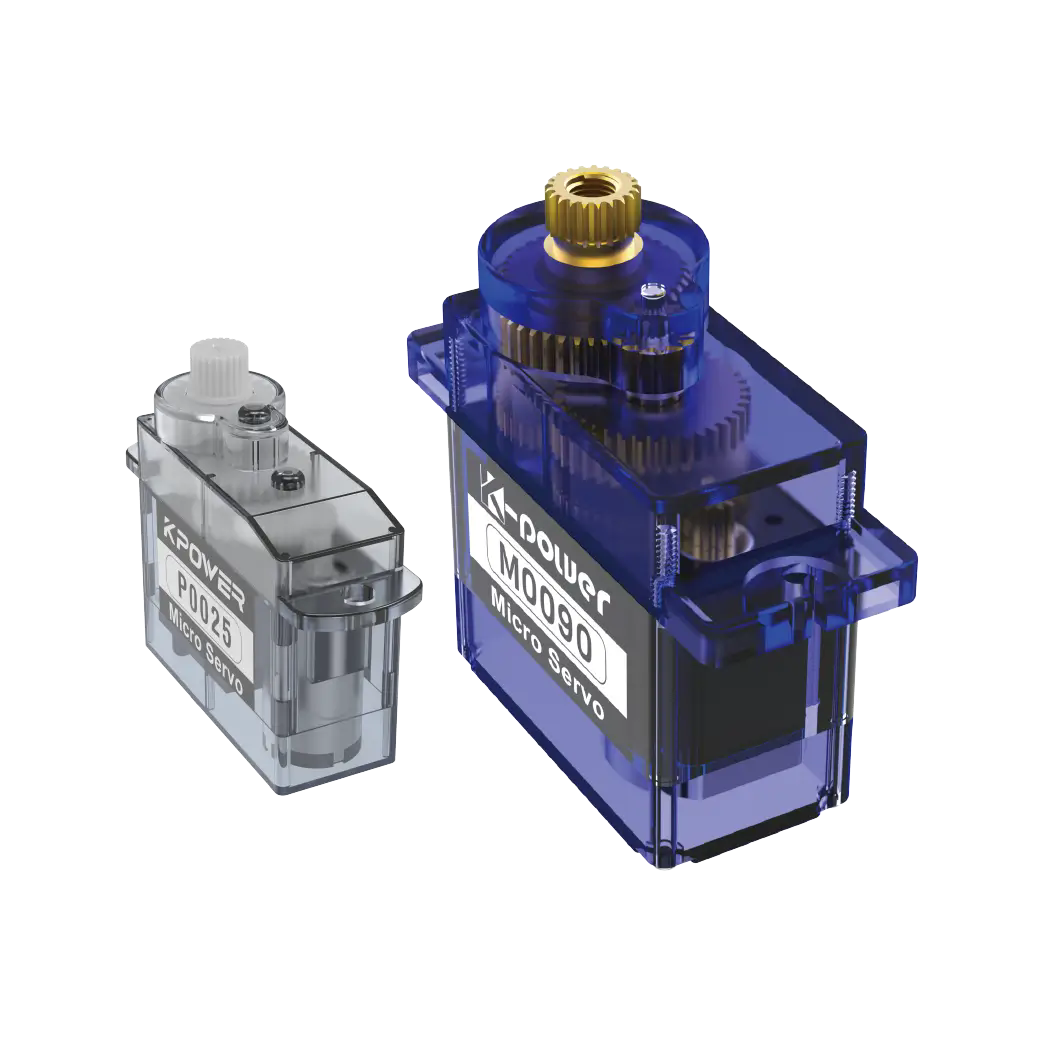
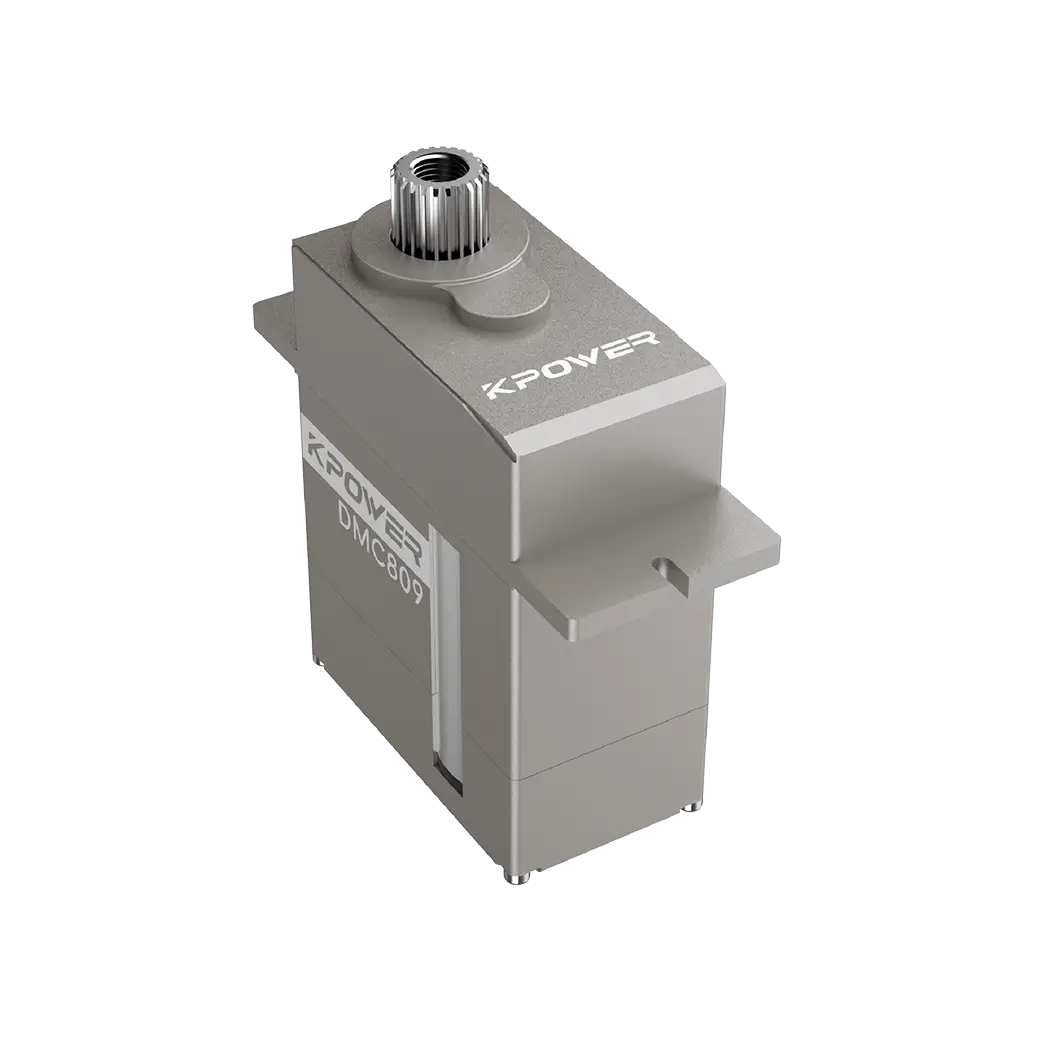
This is a very real problem. Many people buy the servo only to find that it either cannot fit into the reserved space or seems too stingy. Micro servos like the DS655 are small in size and weight, and are mainly used in helicopter tail locks from 450 to 700 levels, or on some small robot joints. If your product has limited space, such as a drone tripod or a small gimbal, then a micro servo is the best choice. The basis for judgment is simple: measure your installation space, and then estimate the weight and resistance of the moving parts. Remember, choosing a model with slightly larger torque will bring more redundancy and reliability to your design as long as it can fit.
Buying the right one is just the first step, how to use it well is equally critical. First of all, when installing the servo arm, make sure it moves near the neutral point of the machine and don't let it hold back as soon as it is powered on. Secondly, the power supply must be stable. Digital servos are sensitive to voltage. Insufficient voltage can easily cause jitter or weakness. You can consider using UBEC as a separate power supply. In addition, when debugging, set the left and right strokes of the servo through the remote control or flight control to prevent it from exceeding the physical limit of the "hard top". During daily use, also pay attention to whether the servo makes any abnormal noise or becomes hot. These are signs that it is "tired". Timely inspection can avoid major problems in the air.
This high-performance micro servo has more application scenarios than you think. In addition to the helicopter tail lock mentioned just now, it is now increasingly used in various maker projects. For example, you can use it to make each knuckle of a manipulator to achieve fine grasping; or install it on a remote control car as a steering servo, with fast and direct response. Some high-precision 3D printing equipment will also use it to adjust the platform level. Some people even use it on automatic curtains or smart cat litter boxes. Its high precision and small size make it the perfect solution wherever precise control is required but space is limited.
As someone who has been through this, I would like to remind you that there are a few pitfalls that you must not step into. The first one is to be greedy for cheap and buy those unbranded servos. It is common for the parameters to be falsely marked. In actual use, they are either ineffective or wander around the neutral point. The second is to ignore the gear material. Although metal gears are expensive, they are durable and not easy to sweep teeth; plastic gears are easy to break when used in places with high stress. The third one is to only look at the price and not the after-sales service. For regular brand products, such as Align, at least the quality is guaranteed, and if there is a problem, someone can be contacted. ️It is recommended that you first clarify your needs, and then search the company's official website to see the product series and application cases. This is much more reliable than blindly browsing shopping websites.
After talking so much, I wonder if you now have a better idea of how to choose a servo for your project? What is the most troublesome steering gear problem you have encountered when making products? Is it shaking the rudder, sweeping the gears, or still don’t know how to choose the model? Welcome to share your experience in the comment area, and we can discuss and solve it together. If you think this article is useful to you, don’t forget to give it a like and share it with friends who are also toying with innovative products!
Update Time:2026-03-06

Contact Kpower's product specialist to recommend suitable motor or gearbox for your product.