







TECHNICAL SUPPORT


Published 2026-02-10
Do you want to make a robot, a remote control model, or make some smart home innovations, but are a little confused when it comes to "servos"? Just reading the text description always seems abstract, and I can't imagine how it works inside. Don’t worry, learning the composition and working principle of theservoby watching professional videos is definitely the most efficient and intuitive way to get started. This not only helps you quickly establish clear concepts, but also lays a solid foundation for your project selection and application.
Explanations with words and pictures often have limitations. When you just read "there are motors and gears inside the servo", it's hard to build a dynamic picture of them working together in your mind. This will cause you to not know where to start when encountering problems during subsequent design and debugging.
Watching videos solves exactly this pain point. Dynamic images allow you to see with your own eyes how signals drive the motor to rotate, and how the gear set converts high-speed rotation into precise angle output. This intuitive feeling is better than a thousand words of static description, allowing you to quickly grasp the core and understand its essence as an "execution joint".
It greatly lowers the learning threshold. A well-produced video will dismantle the internal structure through 3D animation, coupled with popular explanations, so you can easily understand it even if you don't have an electronic engineering background. This saves you a lot of time figuring out abstract concepts.
It helps you set the right expectations. Through the video, you can intuitively feel the speed, strength and response characteristics of different servos. This is crucial when choosing a steering gear for your own project. For example, making a robot arm requires high torque, while making an aircraft model rudder requires fast speed. The video comparison can help you understand at a glance.
Faced with massive online videos, you need some filtering criteria. Give priority to videos with clear structural annotations, such as those that are clearly divided into modules such as "Structural Disassembly," "Circuit Principles," and "Control Signals." This type of video is highly logical and makes it easier for you to study in sections.
Also pay attention to the production quality of the video. Videos with detailed 3D animations and actual cross-section views are often easier to understand than simple explanations of circuit boards. At the same time, pay attention to the professionalism of the up owner or institution. The content of videos released by some well-known open source hardware communities or educational institutions is often more accurate and reliable.
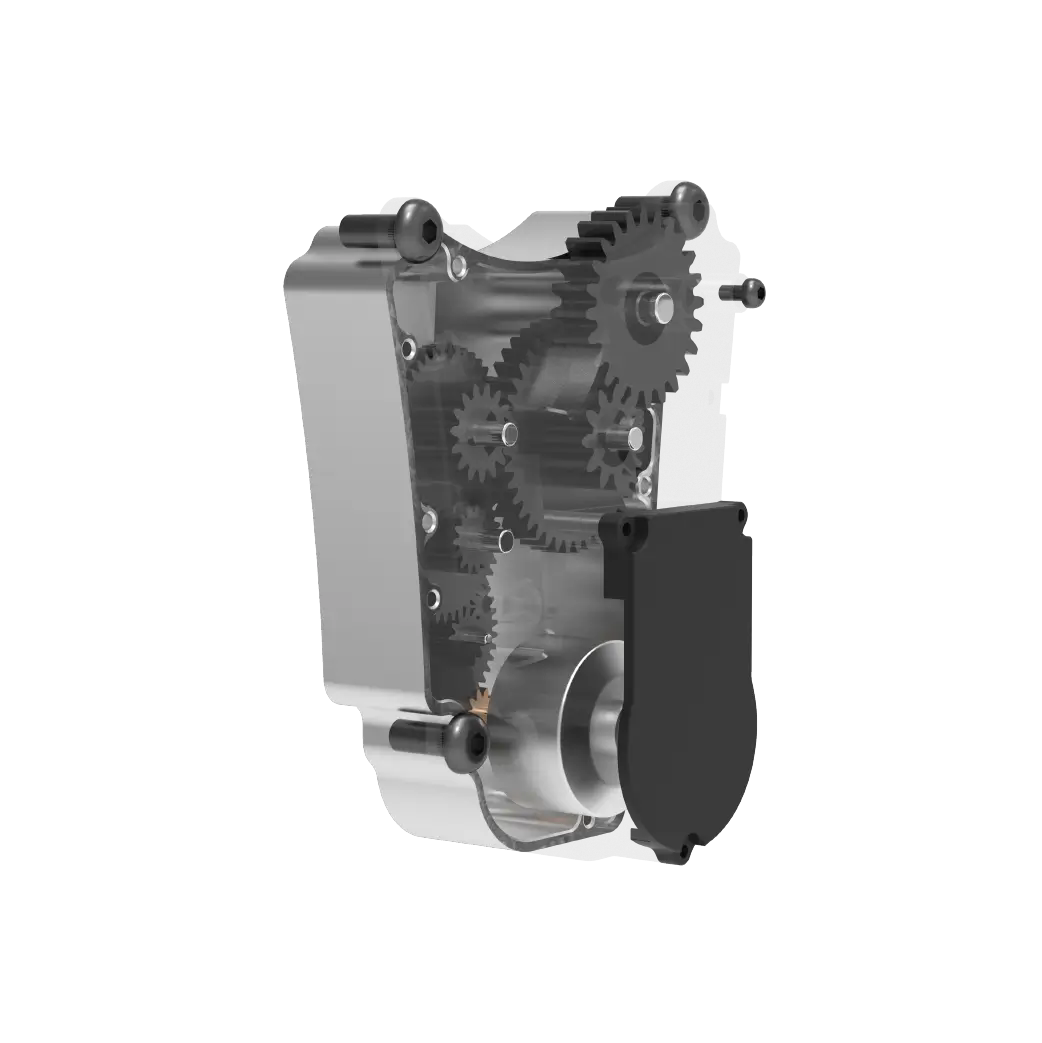
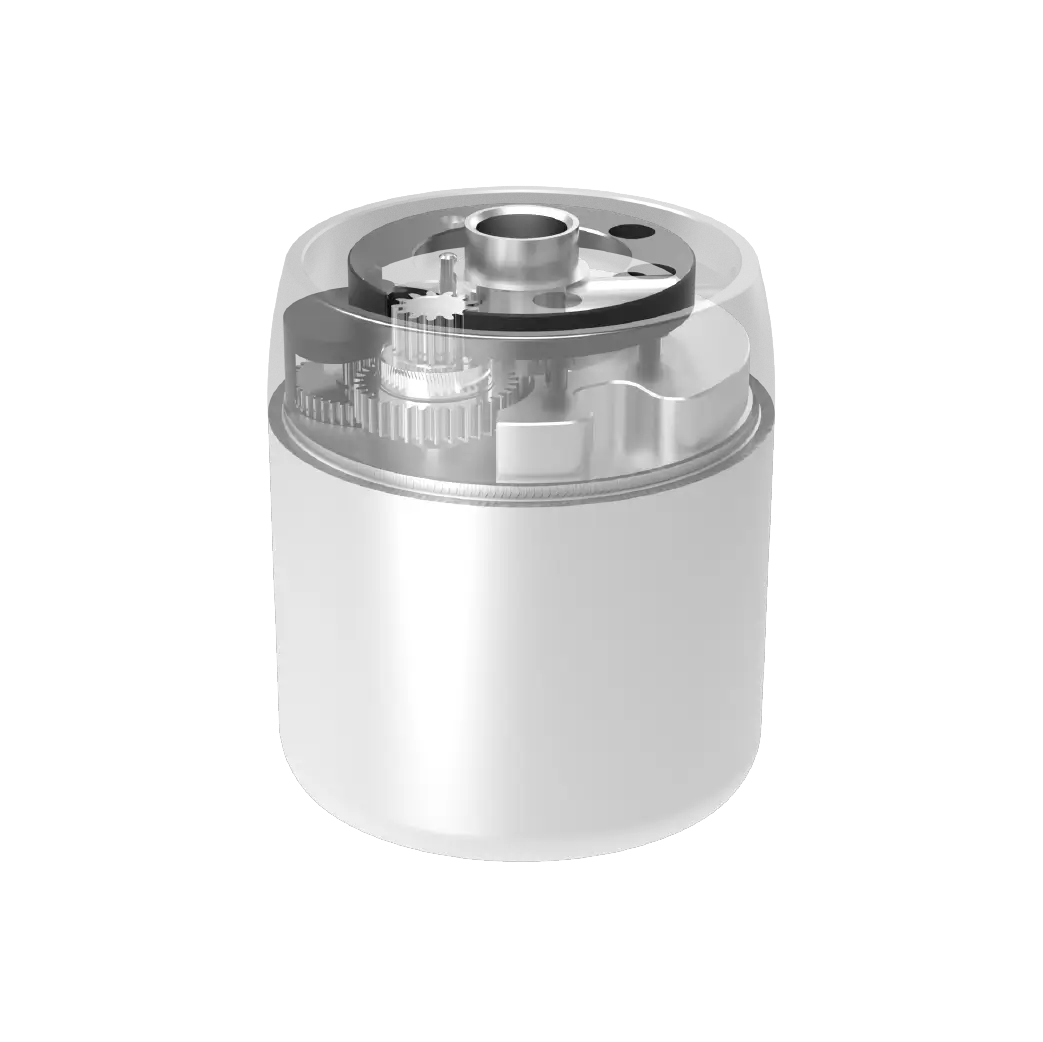
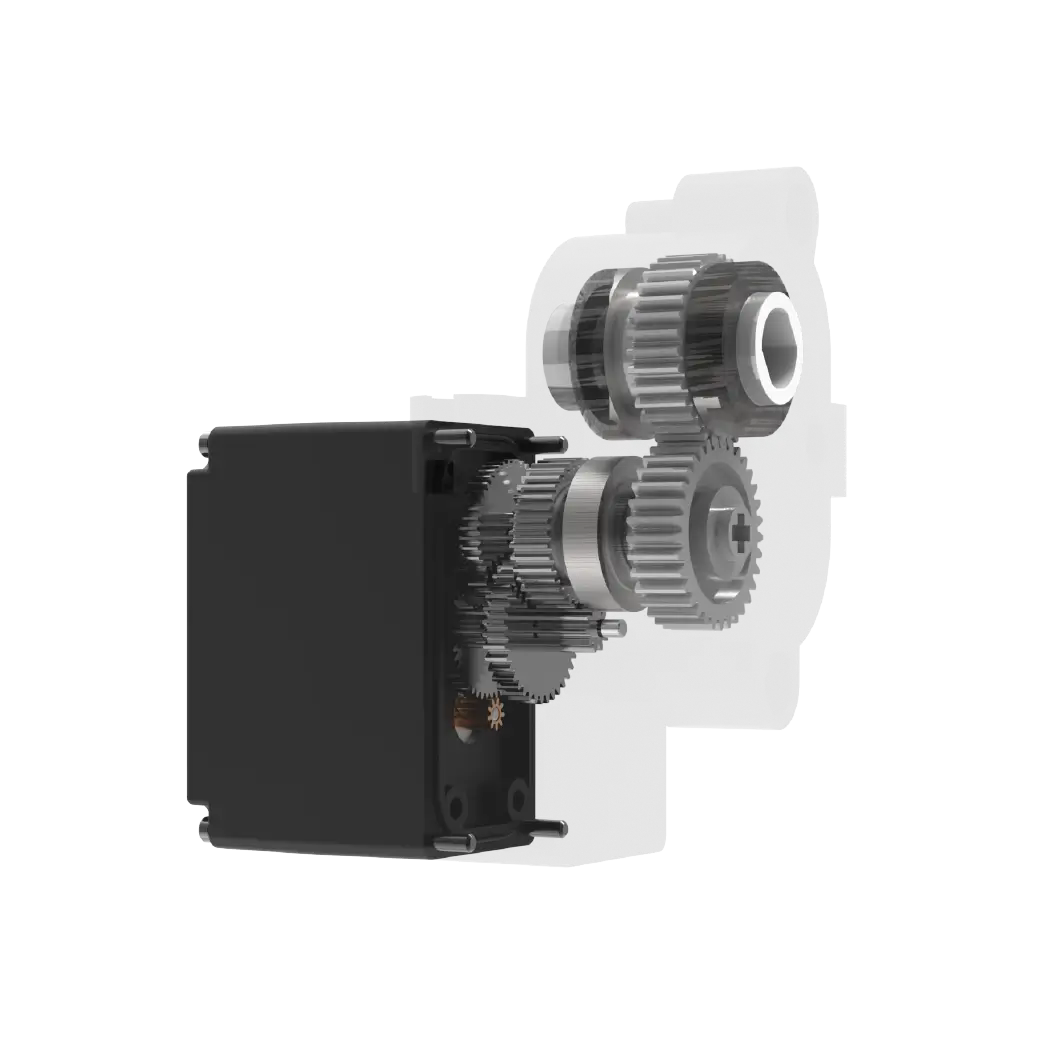
Through the video, you will clearly see that a servo usually contains three core parts. The innermost part is a small DC motor, which is responsible for providing the power for rotation. In the middle is a set of precision reduction gears. Its function is to convert the high speed and low torque of the motor into the low speed and high torque we need.
Finally there is the control circuit and feedback potentiometer. The circuit board is responsible for interpreting the control signal you send from the microcontroller (such as a microcontroller); while the potentiometer monitors the angle of the output shaft in real time and feeds it back to the control circuit to form a closed loop to achieve precise positioning. The video's perspective effect lets you see how compactly all three fit into a small box.
Its core lies in closed-loop control, and video animation can perfectly demonstrate this process. When you send a target angle signal (for example, 90 degrees), the control circuit drives the motor to start rotating. The motor drives the output shaft through the gear, and also changes the resistance value of the potentiometer.
The potentiometer feeds back the resistance signal of the current angle to the control circuit, and the circuit continuously compares the "current angle" and the "target angle". Until the two are consistent and the error is zero, the motor stops rotating. This dynamic "compare-adjust-re-compare" process will become extremely clear through video viewing, and you will immediately understand why it can accurately stop at the designated position.
After watching the principle video, are you itching to practice it? The best starting point is to buy a common 9g servo and an entry-level development board (such as UNO). Follow the steps of the video tutorial and try to control it to rotate to 0 degrees, 90 degrees, and 180 degrees with a few lines of code.
Feel its movement, listen to its sound, and test its strength for yourself. Then, you might as well boldly disassemble an old servo (lower cost), compare the structure you have seen in the video, and touch the motor, gears and potentiometers with your own hands. This leap from video to real objects will bring about a qualitative change in your understanding and truly transform knowledge into abilities.
After reading this, are you already eager to search for videos like "3D Animation Detailed Explanation of the Working Principle of the Servo"? What was the first project you wanted to make or improve using a servo? Welcome to share your creativity in the comment area. If you find this article helpful, please like it and share it with friends who have innovative ideas like you!
Update Time:2026-02-10

Contact Kpower's product specialist to recommend suitable motor or gearbox for your product.