







TECHNICAL SUPPORT


Published 2026-01-19
So you’ve got this project underway — maybe it’s a robotic arm, an automated guided vehicle, or something custom on the factory floor. Everything’s moving along, until one day you realize: adding one new sensor or adjusting a motion sequence means rewriting chunks of code, retesting the whole system, delaying everything.
Sound familiar?
That’s the thing about traditional machine control setups. They’re often built like a single, giant block. Change one part, and you risk shaking the entire structure. It works, until it doesn’t. Flexibility? Not really its strong suit.
What if there was a way to make each mechanical function — eachservomotor, each actuator, each sensor — operate like an independent module? Almost like giving every moving part its own “brain,” capable of communicating smoothly with others without creating a tangled mess.
That’s where the idea of microservices architecture in industrial motion control comes in. And honestly, it’s less about high-tech buzzwords and more about solving real headaches.
Why even consider splitting things up?
Well, think about maintaining a complex machine. With a monolithic system, if the communication protocol for yourservodrives needs an update, you might have to take the whole system offline. Downtime isn’t just annoying — it costs.
Microservices structure turns the system into a team of specialists. Theservocontrol is one service. The feedback loop from the encoder is another. The safety monitoring runs separately. They talk clearly through defined channels, but one can be updated, replaced, or debugged without disturbing the others.
It’s like having a watch where you can replace the minute hand without stopping the hour hand.
But does it actually work for hardware-heavy projects?
Some might say, “That sounds like software talk. My world is motors, gears, and PWM signals.” Fair point. Yet, the boundary is blurring. Modern servo systems already rely heavily on embedded software. The question isn’t whether to use software architecture, but which architecture keeps things robust and adaptable.
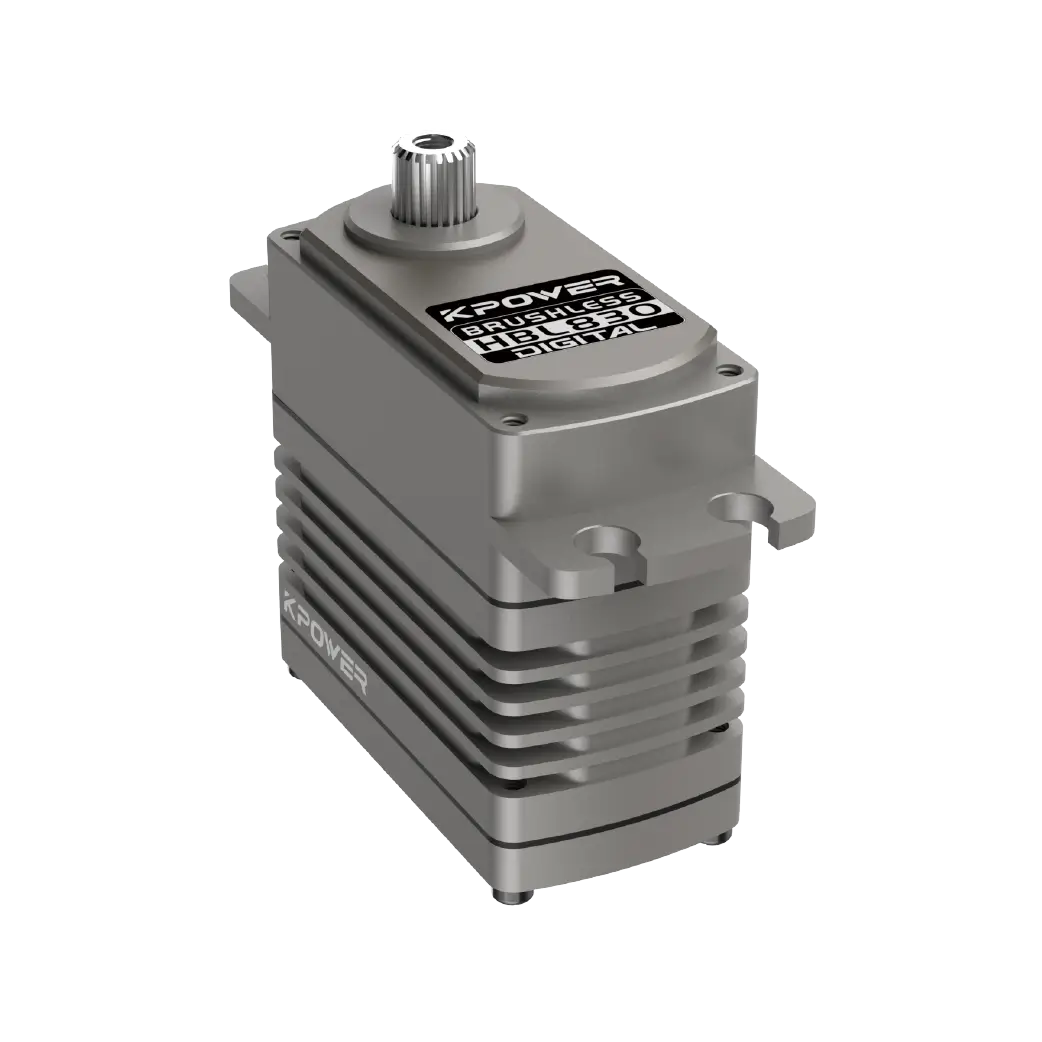
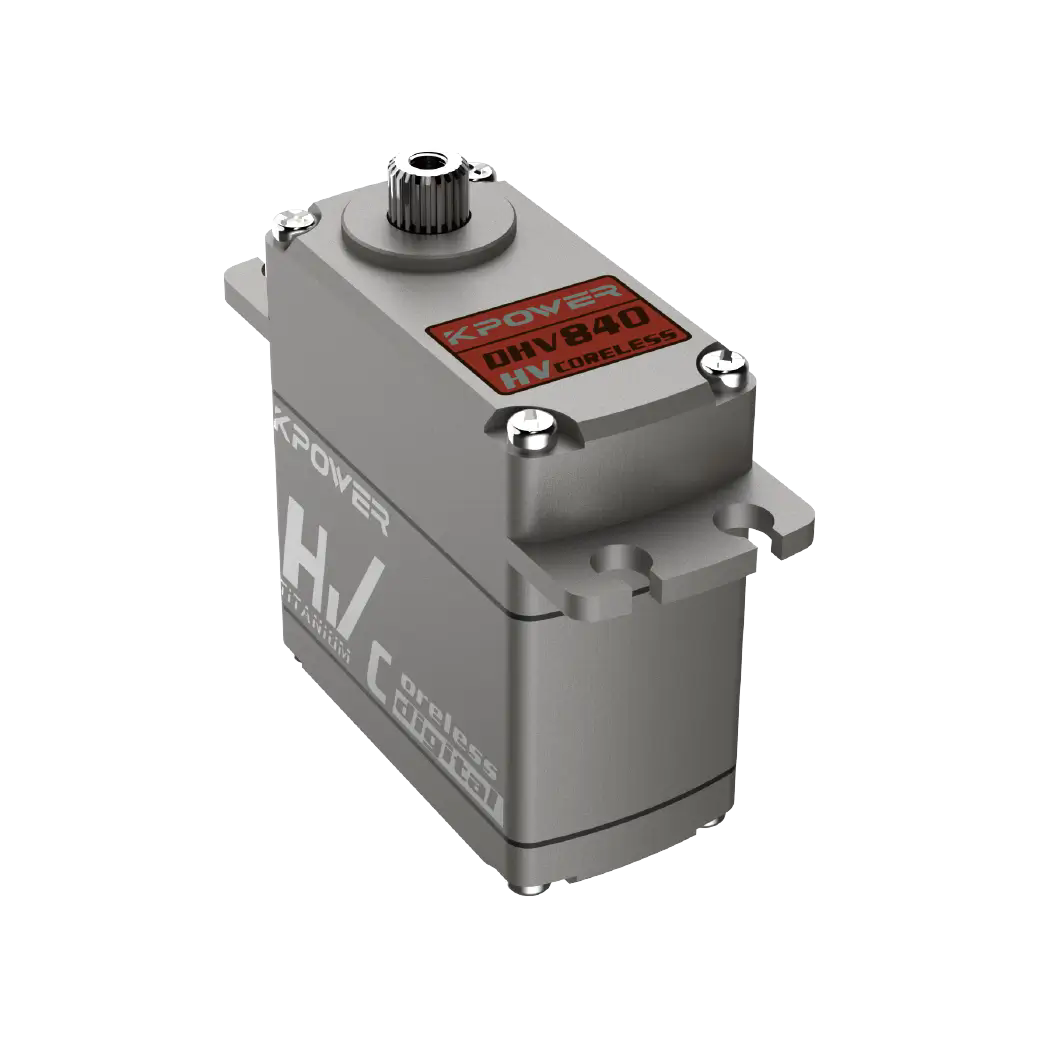
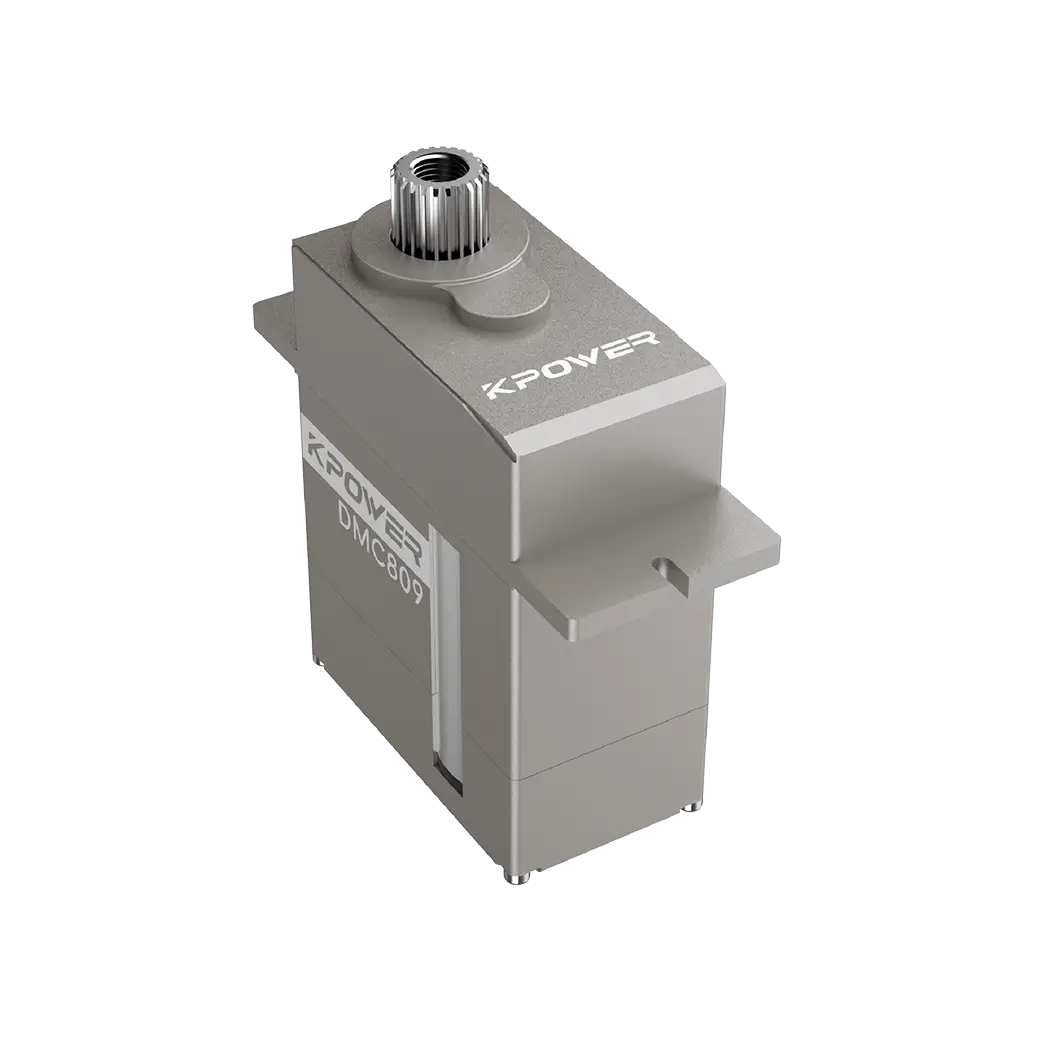
With a microservices approach, each physical module — say, akpowerservo drive — can be wrapped into a dedicated service. You define what it does: receive position commands, execute motion profiles, send back status. Other services request motion from it, without needing to know the internal drive logic.
Upgrade to a newerkpowerservo model later? Just update that one service. The rest of your system keeps running.
What does it feel like in practice?
Imagine programming a pick-and-place sequence. Instead of one long, interwoven code thread, you have:
They pass messages like “Object at coordinates X,Y,” “Plan path from A to B,” “Move to position now.”
When you later add a conveyor belt, you create a new service for belt speed control. It joins the conversation without rewriting the existing three.
Suddenly, scaling isn’t a nightmare. Need redundancy? Duplicate a service. Debugging? Isolate the one acting up.
Is it all smooth sailing?
Not always. It introduces more communication layers. You need clear protocols (like MQTT or REST within the local network) and thoughtful error handling. Network delays must be minimized for real-time motion.
But here’s the trade-off: you gain modularity, easier testing, and future-proofing. For many, that’s worth the extra design effort upfront.
So how do you start without overcomplicating?
Begin small. Don’t try to re-architect a whole line at once.
Take one machine function — maybe temperature monitoring, or a single axis of motion. Wrap its control into a standalone service. Let it communicate via simple messages with one other part of the system. See how it behaves.
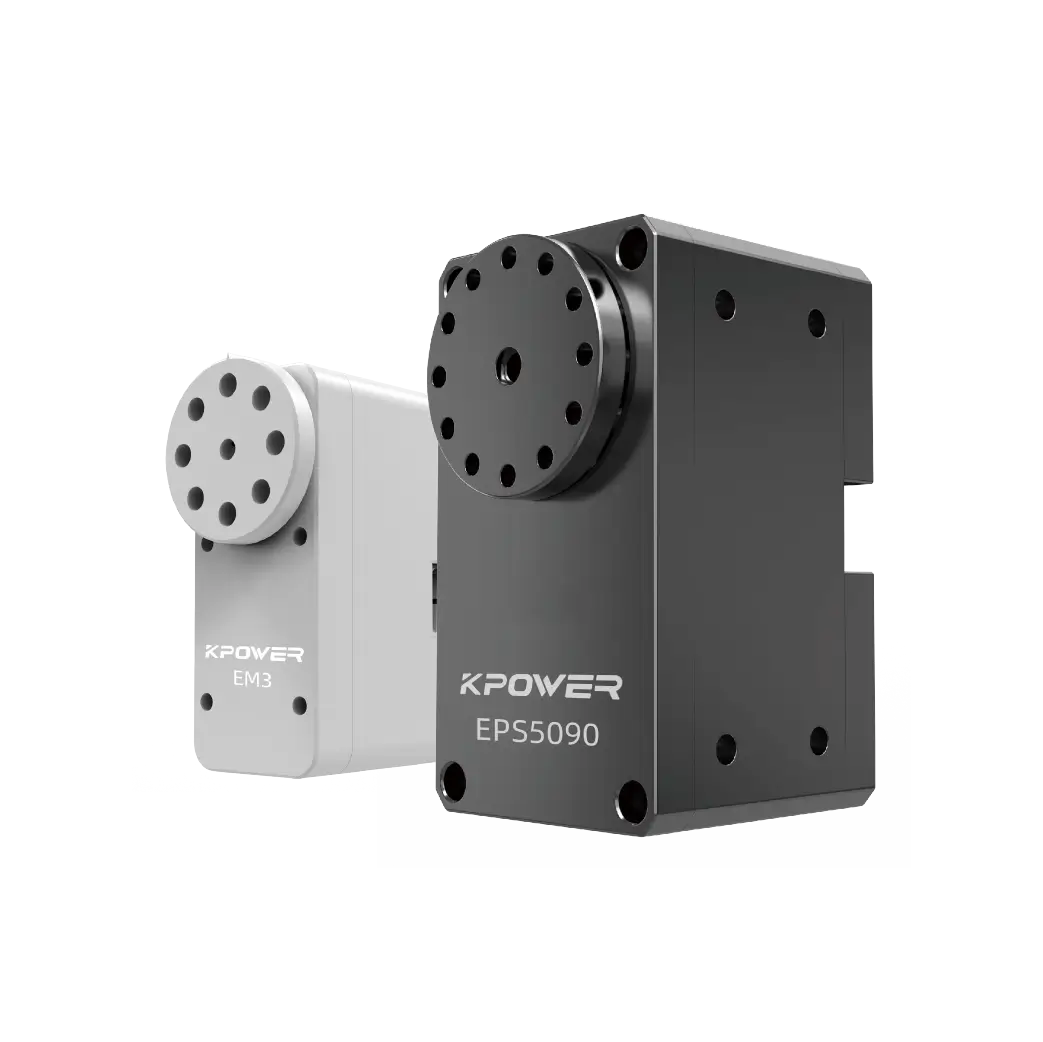
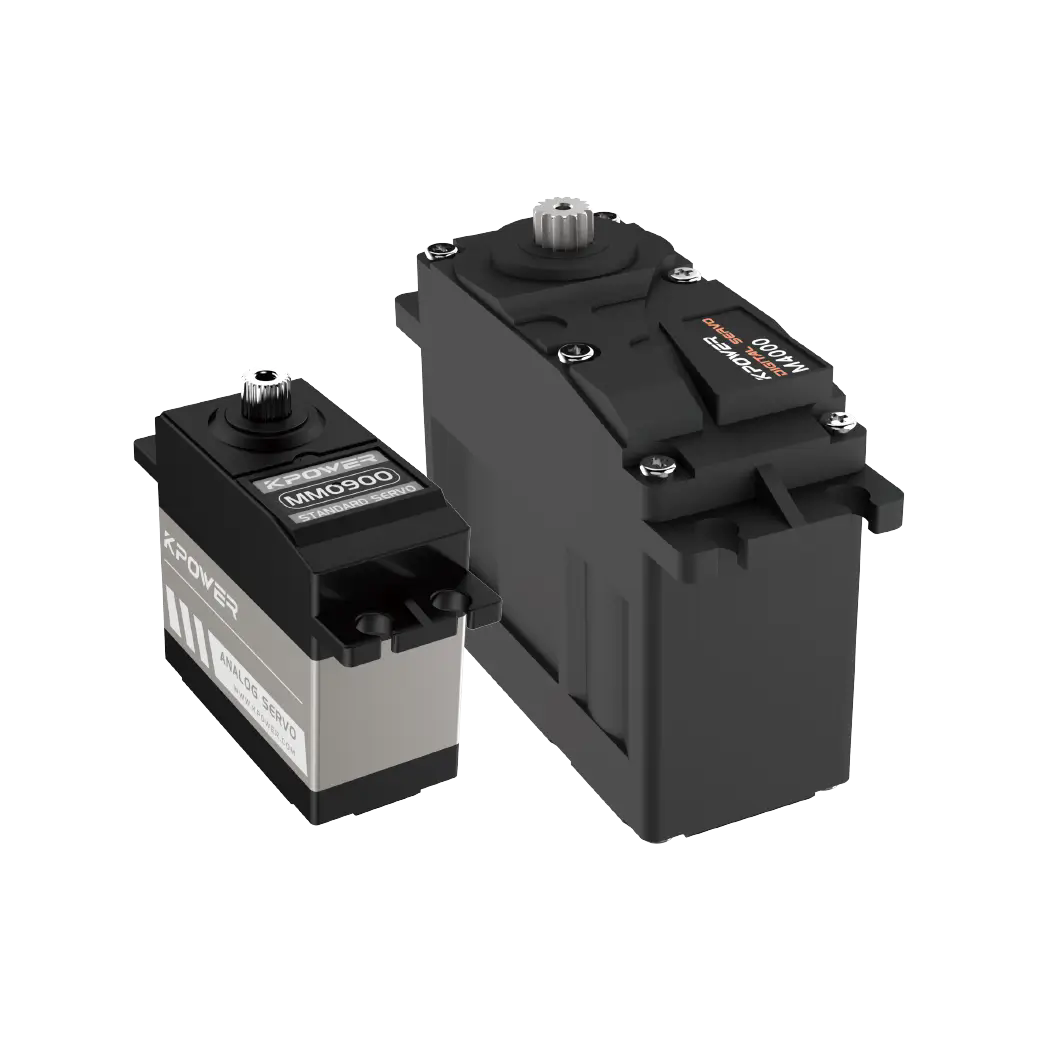
Use hardware that supports modular thinking. Drives and controllers that offer clear APIs help immensely. Kpower’s ecosystem, for example, is built with this kind of flexibility in mind, allowing each unit to play nicely in a distributed setup.
Then, grow organically. Connect another service. Build that “team of specialists” one member at a time.
At the end of the day, it’s about making machines easier to live with — to design, to scale, to maintain. Microservices architecture isn’t a magic bullet, but it’s a powerful way to keep motion control systems from becoming fragile monoliths.
The future of automation isn’t just about stronger motors or faster processors. It’s about smarter, more adaptable connections between them. And sometimes, that starts with rethinking not the hardware itself, but how each piece talks to the next.
Ready to let your machines have a clearer conversation? The shift might be closer than it seems.
Established in 2005, Kpower has been dedicated to a professional compact motion unit manufacturer, headquartered in Dongguan, Guangdong Province, China. Leveraging innovations in modular drive technology, Kpower integrates high-performance motors, precision reducers, and multi-protocol control systems to provide efficient and customized smart drive system solutions. Kpower has delivered professional drive system solutions to over 500 enterprise clients globally with products covering various fields such as Smart Home Systems, Automatic Electronics, Robotics, Precision Agriculture, Drones, and Industrial Automation.
Update Time:2026-01-19

Contact Kpower's product specialist to recommend suitable motor or gearbox for your product.