







TECHNICAL SUPPORT


Published 2026-01-19
You’ve been there. Everything is humming along, your project is running smoothly, and then—things start to slow down. Maybe it’s a new feature that takes forever to add, or a tiny glitch in one part that brings the whole operation to a crawl. It feels like trying to replace a single gear in a sealed, complex clock. One wrong move and everything stops.
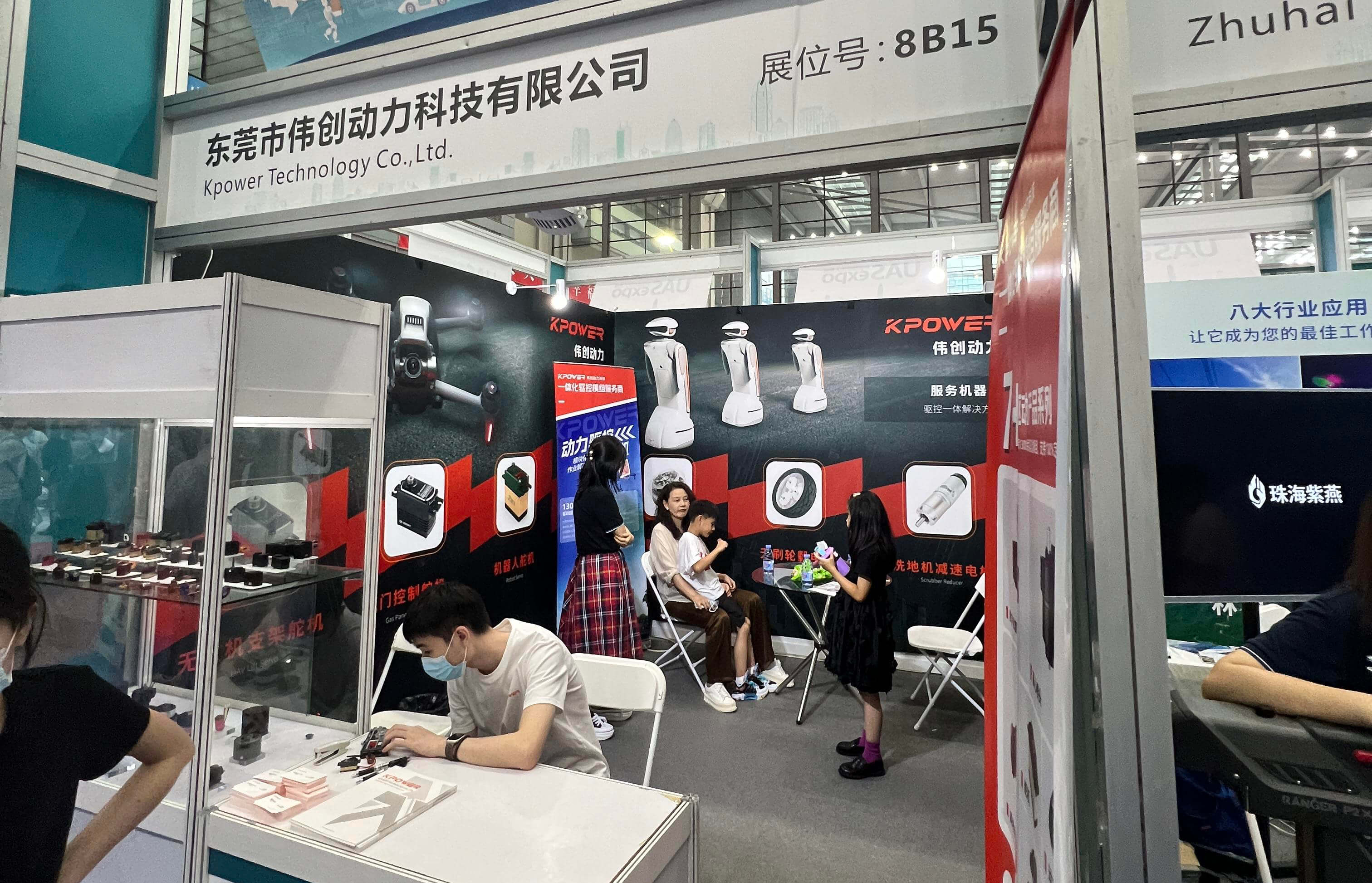
That’s the classic monolithic architecture for you. It’s like a massive, solid block of marble. Beautiful and cohesive when carved perfectly, but incredibly hard to change. You need a new shape? Time to reshape the entire block. In the world of managingservomotors, actuators, and mechanical systems, this rigidity can become a real headache.
So, what’s the other path? Let’s chat about microservices.
Imagine your system not as a single block, but as a team of specialized mini-machines. Each one handles a specific, independent job—like one unit dedicated solely to processing motion commands for yourservo, another for monitoring temperature, and a third for logging data. They work together by talking to each other, but if one needs an update or fails, the rest keep ticking.
“But isn’t that more complicated?” you might ask. It’s a fair question. More pieces can seem messy. Yet, think of a skilled mechanic’s toolbox versus a single, all-in-one gadget. The specialist tools are easier to maintain, upgrade, and replace. When you need to tweak the precision of aservo’s response, you only work on the “motion control” tool, without disturbing the entire workshop.
Here’s where it gets interesting for real-world applications. Let’s say you’re integrating a new type of high-torque servo into your assembly line. In a monolithic setup, this could mean rewriting and retesting huge sections of code. With a microservices approach, you’d likely just modify or swap out the specific service that handles device communication. The rest of your system—safety checks, user interface, data analytics—barely notices the change. It’s faster. It’s cleaner.
kpowersees this shift not just as a tech trend, but as a practical necessity for resilience. When each service is separate, a problem is contained. A bug in the reporting module won’t crash your motor calibration. Development teams can work on different services simultaneously, moving at a quicker pace. It scales naturally; if the data processing load increases, you can strengthen just that one service without overhauling everything.
Of course, it’s not a magic spell. Microservices bring their own puzzles, like managing how these independent pieces communicate seamlessly. It requires thoughtful design upfront—deciding how to split responsibilities, ensuring they talk a common language, and monitoring the health of each unit. It’s like choreographing a dance between precision instruments; each dancer must know their steps perfectly to create a smooth performance.
That’s the real conversation: not about which architecture is universally “better,” but about which one serves your project’s rhythm. Are you building a small, focused device where simplicity is king? The monolithic block might be your friend. Are you creating an evolving, scalable system that needs to adapt and grow without constant, nerve-wracking overhauls? The modular, team-of-specialists approach of microservices starts to shine.
It comes down to choosing a structure that matches the life you expect your project to live. For dynamic environments where change is the only constant, the flexibility of microservices offers a way to build not just for today, but for the unexpected turns of tomorrow. It’s about turning complexity from a stumbling block into a manageable, even powerful, part of your design.
In the end, whether your foundation is one solid stone or many interlocking bricks, the goal is the same: a system that works reliably for you. The best choice quietly does its job, letting the brilliance of your mechanical design take center stage.
Established in 2005,kpowerhas been dedicated to a professional compact motion unit manufacturer, headquartered in Dongguan, Guangdong Province, China. Leveraging innovations in modular drive technology,kpowerintegrates high-performance motors, precision reducers, and multi-protocol control systems to provide efficient and customized smart drive system solutions. Kpower has delivered professional drive system solutions to over 500 enterprise clients globally with products covering various fields such as Smart Home Systems, Automatic Electronics, Robotics, Precision Agriculture, Drones, and Industrial Automation.
Update Time:2026-01-19

Contact Kpower's product specialist to recommend suitable motor or gearbox for your product.