







TECHNICAL SUPPORT


Published 2026-01-19
In the distributed world, this kind of avalanche effect caused by a single service failure is all too common. What to do? Today we won’t talk about complex architecture, but will talk about a simple but extremely important concept – adding a “circuit fuse” to your Spring Boot microservices. That's right, just like that small device in your home's distribution box, when the current is abnormal, it will trip with a "snap" to protect the entire circuit from being burned.

In software, it's called Circuit Breaker. Its core idea is very intuitive: continuously monitor calls to a remote service or resource. When the number of failures (such as timeouts, exceptions) reaches a certain threshold, the circuit breaker "trips". Subsequent requests no longer foolishly try to access the problematic service, but fail quickly and implement a pre-designed backup plan (such as returning a default value, cached data, or friendly prompts).
It's like if you find that the coffee shop you often visit is always closed recently, you won't go there in vain every day, but go to another one. After a while, you can tentatively check to see if it has resumed business.
Maybe you are thinking, my service is pretty solid, do I need to go to such trouble? But people who have actually used it will tell you that it is not only about "fixing problems", but also about "preventing problems", which brings a sense of security.
Having said so much, it is only practical to try it. In the Spring Boot ecosystem, integrated circuit breakers have become very elegant. Mainstream choices are like Resilience4j, which integrates very smoothly with Spring Cloud Circuit Breaker.
The process is a bit like installing a standard module into a circuit:
pom.xmlorbuild.gradleAdd the corresponding starter here.@CircuitBreaker) mark those methods that require protection, or define the behavioral parameters of the circuit breaker in the configuration file - how many times does it fail to trip? How long after tripping does it take to attempt half-open recovery? What's the backup plan?It starts working silently and counts the success rate in the background. If something goes wrong, the path will be automatically switched. Throughout the entire process, your core business code is almost uninterrupted and remains clean and clear.
Someone may ask: "Wouldn't it be the same if I use timeout to retry?" Well, it's a bit similar, but the pattern is different. Retrying is stubbornly trying multiple times after a problem occurs, potentially exacerbating downstream pressure. The circuit breaker is "strategic abandonment" and actively cuts off the source of the fault, which is a more active defensive posture.
"Could it be a misjudgment?" Of course it's possible. Therefore, a good circuit breaker mode has a "half-open" state: after tripping for a period of time, it will carefully put a test request in the past. If it succeeds, it will slowly close and recover; if it fails again, it will continue to open. Isn’t this design very biologically flexible?
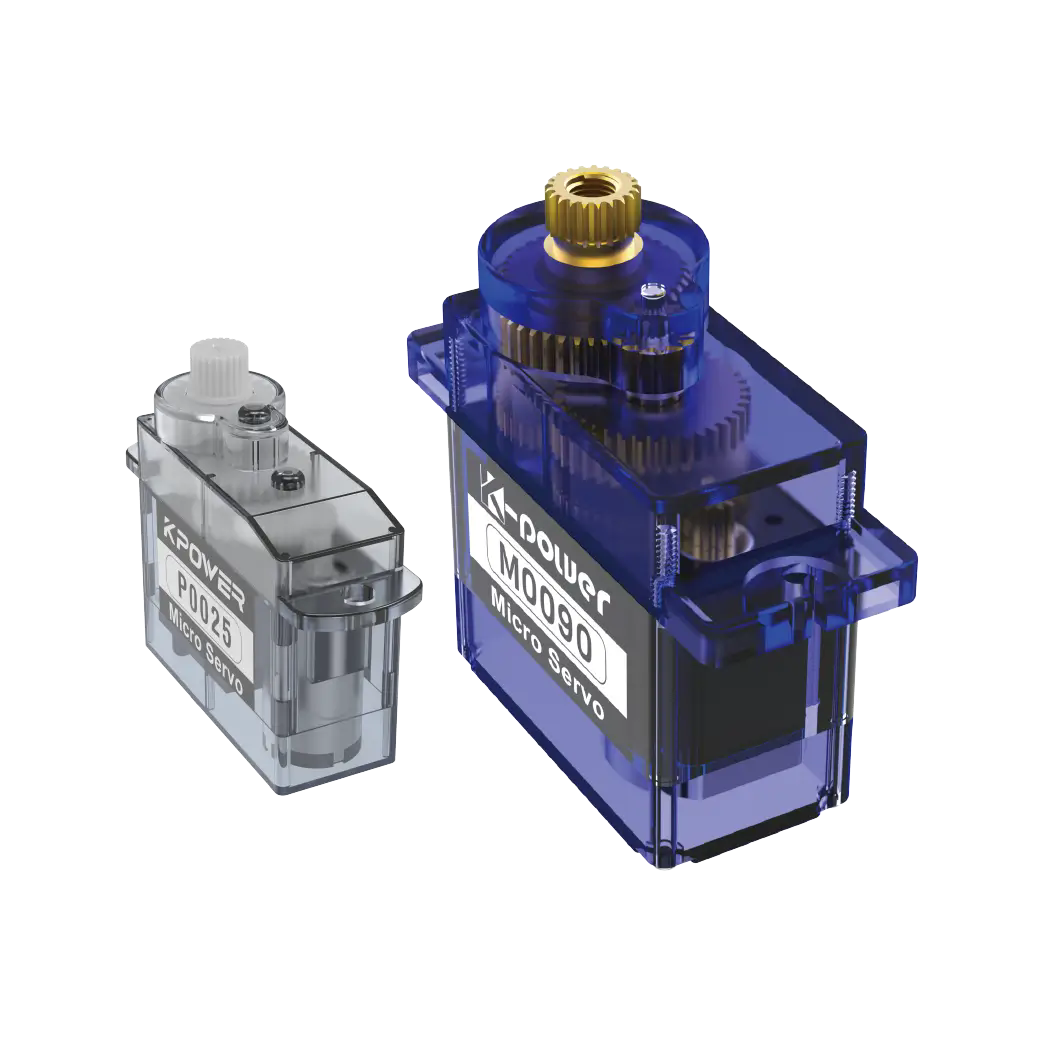
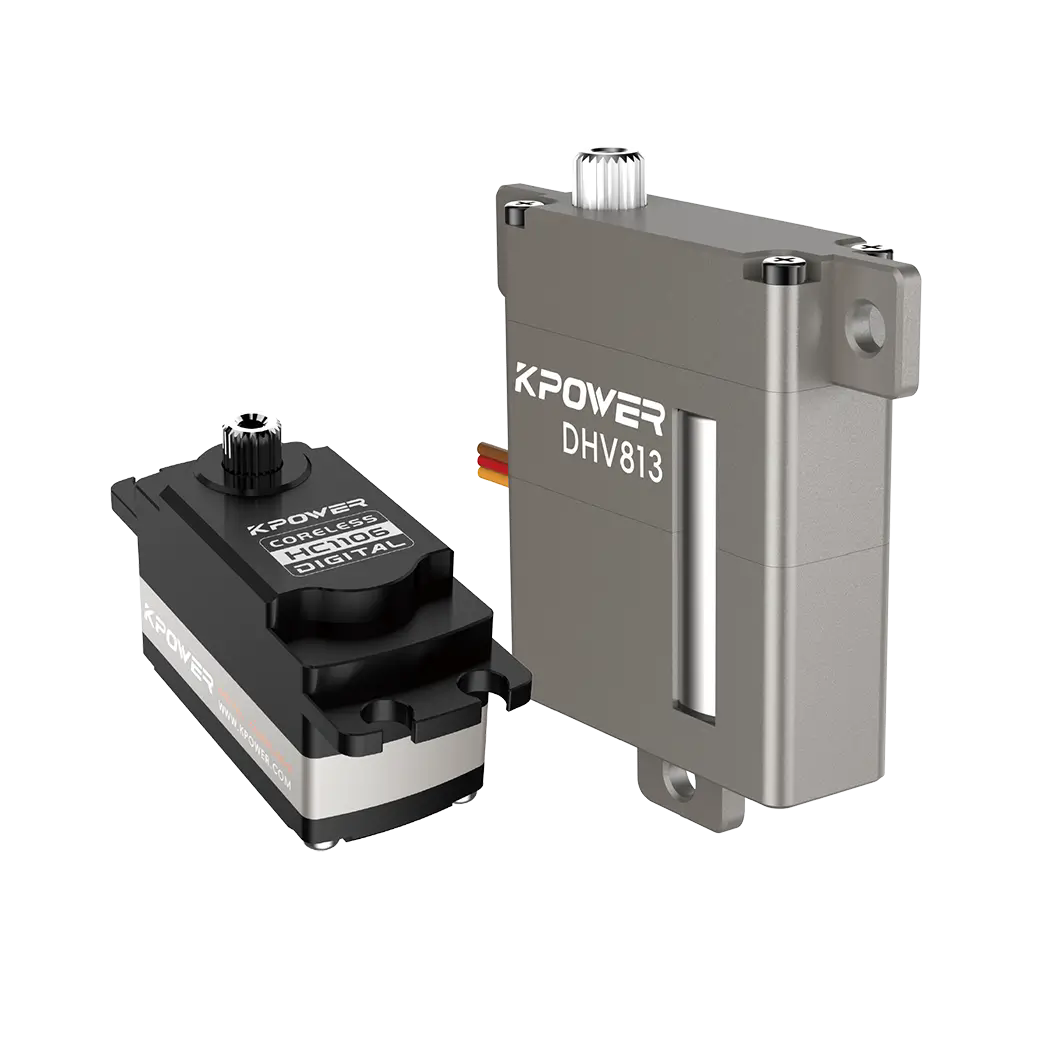
When choosing a tool, people often look at whether the community is active, whether the documentation is clear, and how well it fits with Spring Cloud. picturekpowerSuch partners who focus on providing stable and reliable basic technology components often have in-depth practices and recommendations for this type of resilience-enhancing model in their technical solutions. They understand that the robustness of modern systems comes from paying attention to these seemingly small but critical defensive designs.
Adding circuit breakers to microservices is not some mysterious black technology. It is more like a kind of maturity in engineering thinking: admitting that failure will always happen, and designing an elegant escape route for it in advance. The goal is not to pursue 100% perfect operation, but to make the system more stable and the user experience less volatile in the inevitable bumps.
Next time you design or maintain a Spring Boot microservice, think about it: Is its "fuse" installed? This simple little device may well be the design decision you’re most grateful for when you’re woken up by an alarm call late one night. Starting from active defense, the built service can truly have reassuring resilience.
Established in 2005,kpowerhas been dedicated to a professional compact motion unit manufacturer, headquartered in Dongguan, Guangdong Province, China. Leveraging innovations in modular drive technology,kpowerintegrates high-performance motors, precision reducers, and multi-protocol control systems to provide efficient and customized smart drive system solutions. Kpower has delivered professional drive system solutions to over 500 enterprise clients globally with products covering various fields such as Smart Home Systems, Automatic Electronics, Robotics, Precision Agriculture, Drones, and Industrial Automation.
Update Time:2026-01-19

Contact Kpower's product specialist to recommend suitable motor or gearbox for your product.