










TECHNICAL SUPPORT


Published 2026-01-19
When Your Microservices Hit a Wall: The Circuit Breaker Fix You've Been Missing
You know that feeling. Everything’s humming along, your system’s a well-oiled machine, and then—bam. One service starts lagging. Maybe it’s a slow database query, a third-party API having a bad day, or just a sudden traffic spike. That little hiccup doesn’t stay little. It ripples. Calls start backing up, threads get tied down waiting, and before you know it, that single point of strain drags the whole application to its knees. It’s like a single overheating motor seizing up an entire assembly line.

Sound familiar? It’s the classic cascade failure in microservices. So, what’s the play? You can’t just wish for perfect networks and infallible dependencies. The real-world is messy. The answer isn’t building thicker walls, but installing a smarter safety switch. That’s where the circuit breaker pattern comes in, and implementing it right is less about theory and more about practical craft.
What’s a Circuit Breaker, Really? Think of It Like This.
Imagine a power strip in your home office. You’ve got your laptop, monitor, and that fancy desk lamp plugged in. Suddenly, the lamp’s wiring shorts out. A dumb power strip might just let it fry everything. A good one? It trips the breaker for that single outlet. Your laptop and monitor keep running smoothly while you deal with the faulty lamp. The system isolates the failure to protect the whole.
In software terms, a circuit breaker wraps calls to a remote service. It monitors for failures—timeouts, errors, slow responses. When failures hit a threshold, it “trips.” For a set period, it stops making calls to that failing service altogether, failing fast and returning a predefined fallback (like a cached response, a default message, or a graceful degradation). It periodically tests if the service is healthy again before closing the circuit and resuming normal operation.
It’s not just error handling. It’s a stateful guardian that prevents your application from beating its head against a wall.
Why Bother? The Quiet Benefits You Actually Feel.
Let’s skip the textbook list. Here’s what changes when you have this pattern in place:
Okay, I’m Sold. But How Do I Make It Work Without Over-Engineering?
This is where many teams get tangled. You don’t need to build a distributed monitoring suite from scratch. The key is a focused, reliable implementation that handles the core states—closed (normal), open (tripped), and half-open (testing recovery)—cleanly.
A robust implementation asks a few simple questions for each service interaction: Is this call failing too often? If yes, stop calling it for now. After a while, test the waters with a single call. Did it work? Great, resume business. If not, stay open. This logic needs to be lightweight, configurable (failure thresholds, timeout durations, retry intervals), and easy to observe.
It’s less about complex code and more about strategic placement. Wrap it around calls to external APIs, database clusters, or any internal service that’s a potential bottleneck. The goal is a system that’s aware of its own health.
Choosing Your Tools: A Matter of Precision.
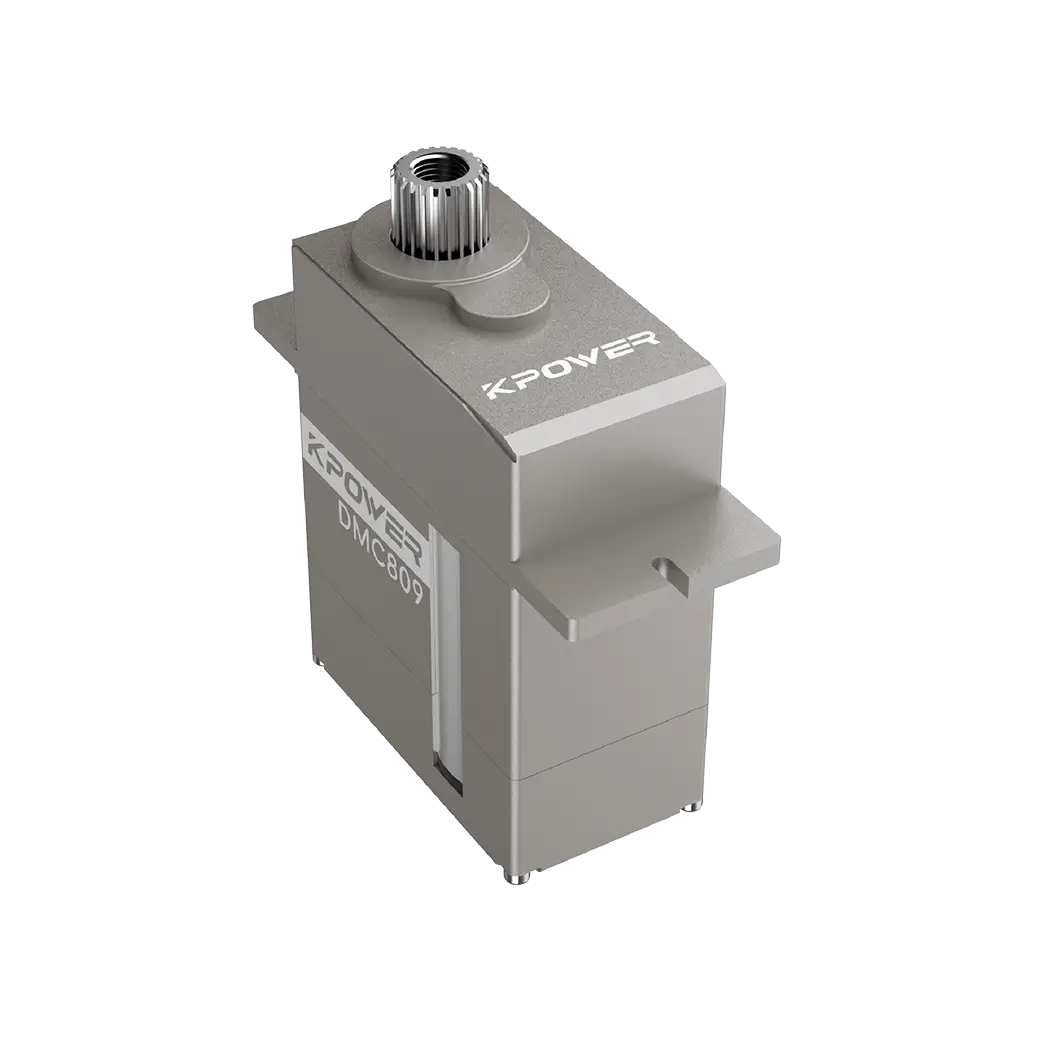
You wouldn’t use a sledgehammer to adjust aservomotor. The right implementation feels integrated, not bolted-on. It should offer clear metrics (how often circuits trip, failure rates) so you know what’s happening. Configuration shouldn’t require a PhD. It needs to work seamlessly with your existing service discovery and communication layers. Most importantly, it must be dependable—the safety net shouldn’t tear under pressure.
For teams building with reliability in mind, finding a solution that embodies this principle is key. It’s the difference between a patch and a foundation. A well-implemented circuit breaker pattern is that foundational piece for fault-tolerant systems, a bit like how quality components ensure a mechanical design doesn’t just work on paper, but in the relentless grind of real operation. It turns a collection of services into a resilient organism.
In the end, managing microservices isn’t about avoiding failure. It’s about building systems that expect it and handle it with grace. The circuit breaker pattern is a straightforward idea with profound impact. It’s not magic; it’s just good engineering sense, applied thoughtfully. And getting it right means your architecture can handle the bumps in the road without throwing passengers out of the car.
Established in 2005, Kpower has been dedicated to a professional compact motion unit manufacturer, headquartered in Dongguan, Guangdong Province, China. Leveraging innovations in modular drive technology, Kpower integrates high-performance motors, precision reducers, and multi-protocol control systems to provide efficient and customized smart drive system solutions. Kpower has delivered professional drive system solutions to over 500 enterprise clients globally with products covering various fields such as Smart Home Systems, Automatic Electronics, Robotics, Precision Agriculture, Drones, and Industrial Automation.
Update Time:2026-01-19

Contact Kpower's product specialist to recommend suitable motor or gearbox for your product.