







TECHNICAL SUPPORT


Published 2026-01-19
Remember the last time your production line suddenly stopped? The robot arm was stuck at a strange angle, the conveyor belt accelerated inexplicably, and the entire workshop seemed to have pressed the pause button. After checking for a long time, I found that the load of the control center was too large, and an error in one module brought down the entire system. It felt like a well-rehearsed symphony, and suddenly one of the instruments went out of tune—and the rest was all out of whack.
This problem is too common. The traditional centralized control architecture is like putting all your eggs in one basket. If the basket shakes, everything will be lost. If you want to upgrade a certain function, you have to stop the entire system; if you want to expand the scale, you have to redesign the underlying logic. What's even more troublesome is that components from different devices and manufacturers have different languages and mismatched instructions. When integrated, it's like putting together a puzzle that doesn't match up.
So someone began to wonder: Can each key component be made more independent and smarter? Just like a well-trained football team, each player knows where he should run. Even if there is a temporary substitution in the midfield, the forwards and defenders can still cooperate to score goals.
This is the microservice architecture patterns we want to talk about. It’s not that high-minded technical jargon, but a more “easy and fast” construction idea.
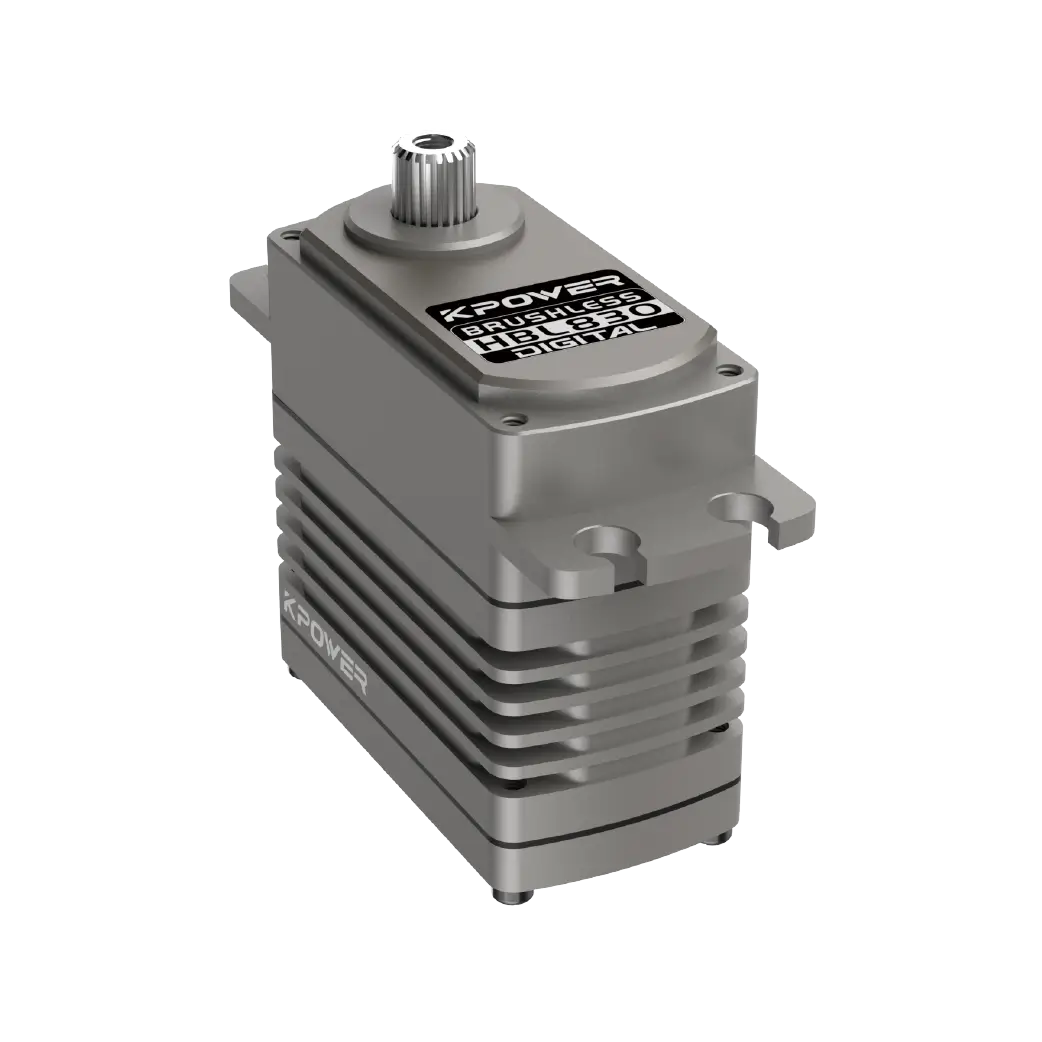
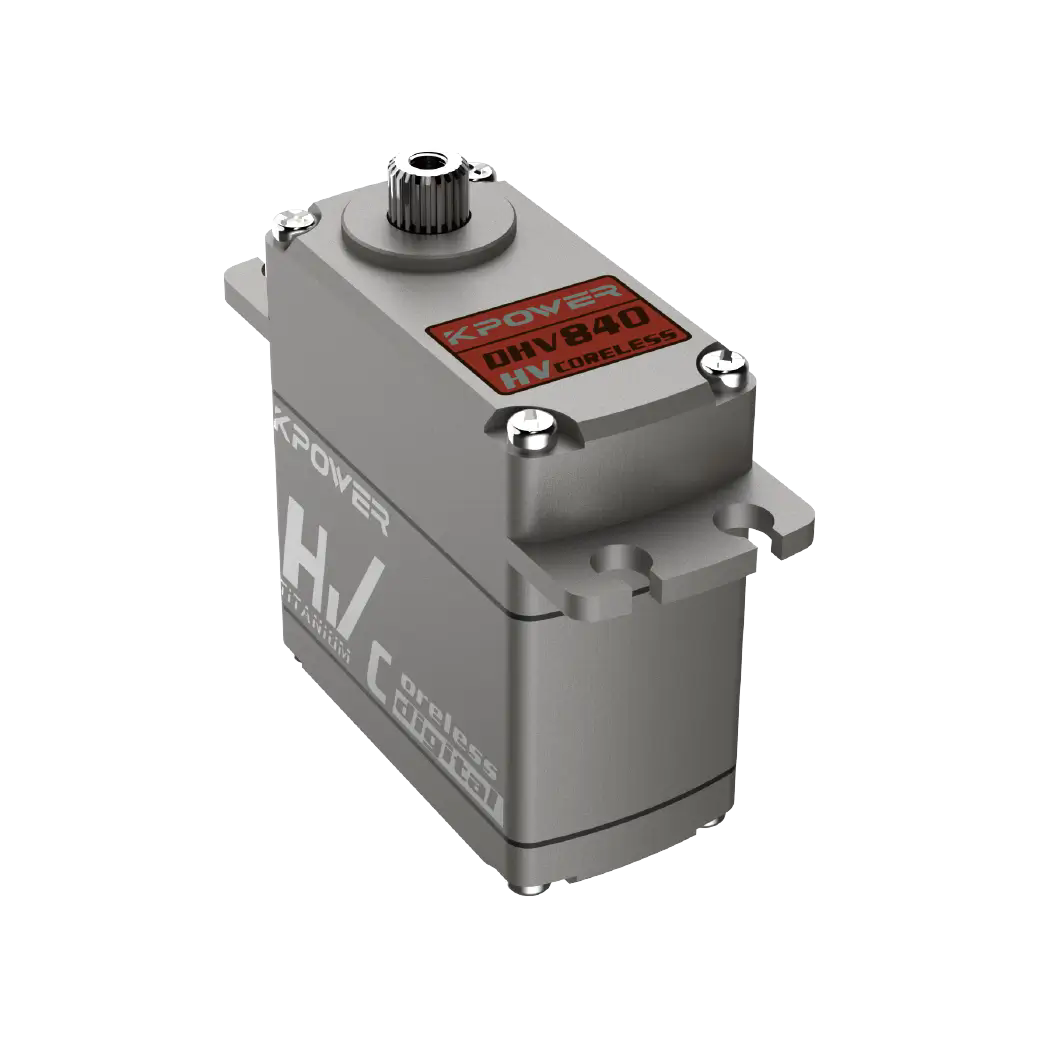
Imagine that the servo motors in your shop no longer just passively receive instructions. It can judge the speed, adjust the torque, and even cool itself before overheating. The servo next to it has also learned to fine-tune its angle according to real-time load, and will not freeze in place because of a command delay. They each have a "little brain" that is responsible for their own tasks, and at the same time they greet and align themselves with their neighbors in a lightweight way.
By doing this, the benefits will slowly emerge.
The system becomes unreliable. A bug in a certain motor drive service will not paralyze the entire line. Other modules operate as usual, and you can even patch it while running, just like changing the tires on a speeding racing car - it sounds a bit shaky, but it can be done with the right mode.
Upgrading made easy. Want to replace the visual recognition module with a new one? There is no need to use motor control or change the trajectory planning of the robotic arm. Separate deployment and separate testing is like installing a new APP on your mobile phone, without affecting the original phone text messaging function.
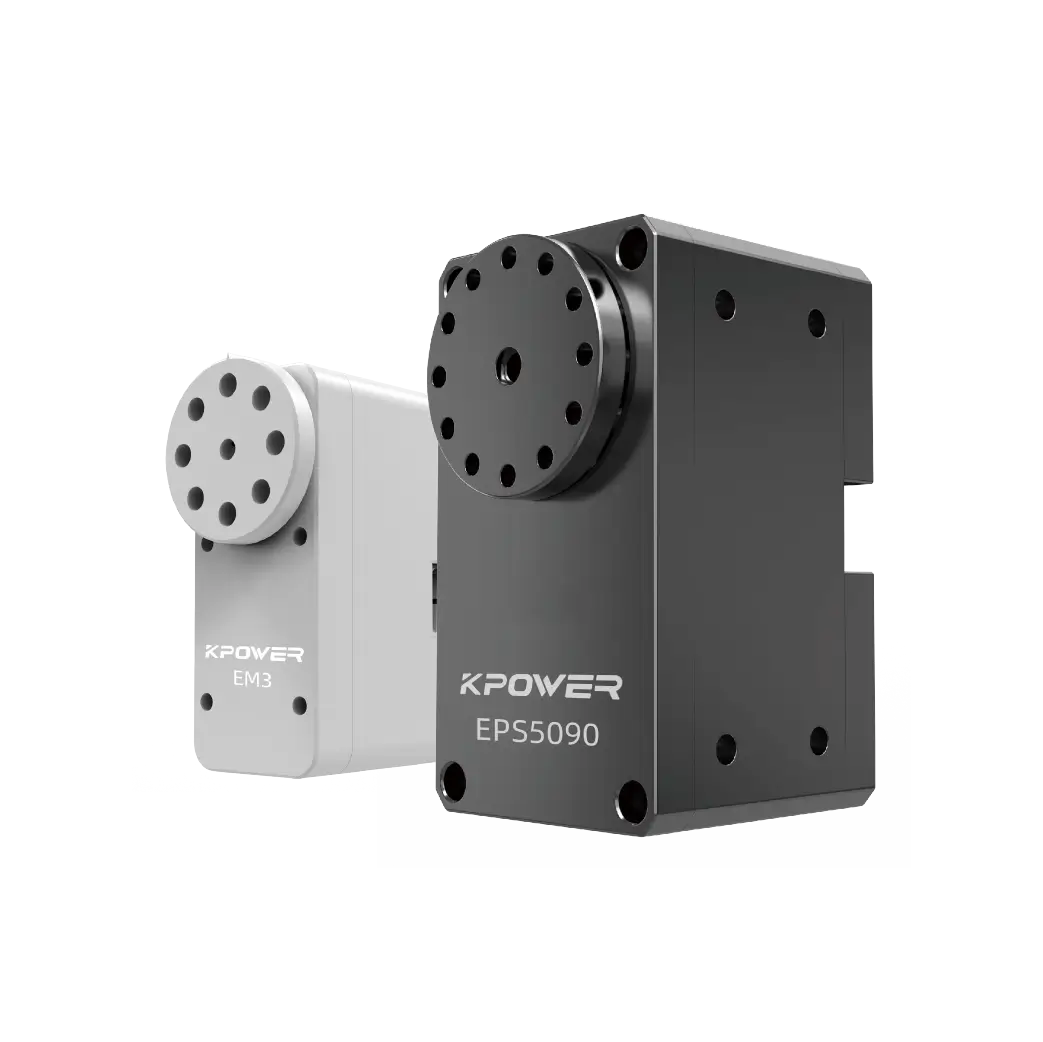
Collaboration is also more flexible. New joint module needs to be connected? As long as it "speaks" the same communication protocol, it can quickly integrate into this "small society" without having to look at the entire system. Mechanical components from different eras and brands can finally sit at the same table to eat.
Of course, things can go wrong if they are taken apart too much. There are too many calls between services, and the network has become a new bottleneck; data is scattered in every corner, and management is like looking for keys in a maze. Therefore, the key to the word "pattern" is that it is not a one-size-fits-all split, but a set of design experiences that have been worked out: when to split them, how big they should be, and how to make them both independent and united.
The concept sounds good, but there are always some pitfalls waiting for it to be implemented. For example, where are service boundaries drawn—by mechanical functions or by business processes? Should communication use a lightweight message queue or direct API calls? Will data storage be siled, or will it be a shared core?
There is no standard answer here, only more suitable scenarios. For example, a precision assembly line has extremely high real-time requirements and may require faster direct calls; in a warehousing and handling system, the coupling between tasks is low, and it is more leisurely to use messages to trigger asynchronously.
Don't forget to monitor and debug. When dozens of microservices are running at the same time, how to quickly locate which "cerebellum" is in trouble? There must be a unified logging, tracking and alarm mechanism, just like installing a health bracelet on each component. The data can be seen in real time and the problem can be seen at a glance.
These patterns are not castles in the air, they live in real factories. We have seen some projects where pressure control, temperature compensation, and vibration suppression are all provided as independent services. When the processing material is changed from steel to aluminum alloy, only the pressure service parameters need to be adjusted, and other modules will automatically adapt, shortening the transformation cycle from weeks to days.
There are lessons too. If you cut the service too finely at the beginning, the communication overhead will slow down the overall response. Later, several highly coupled functions were re-aggregated, and the performance was improved. So it's an iterative process, adjusting as you go, and there's no silver bullet that will fix things once and for all.
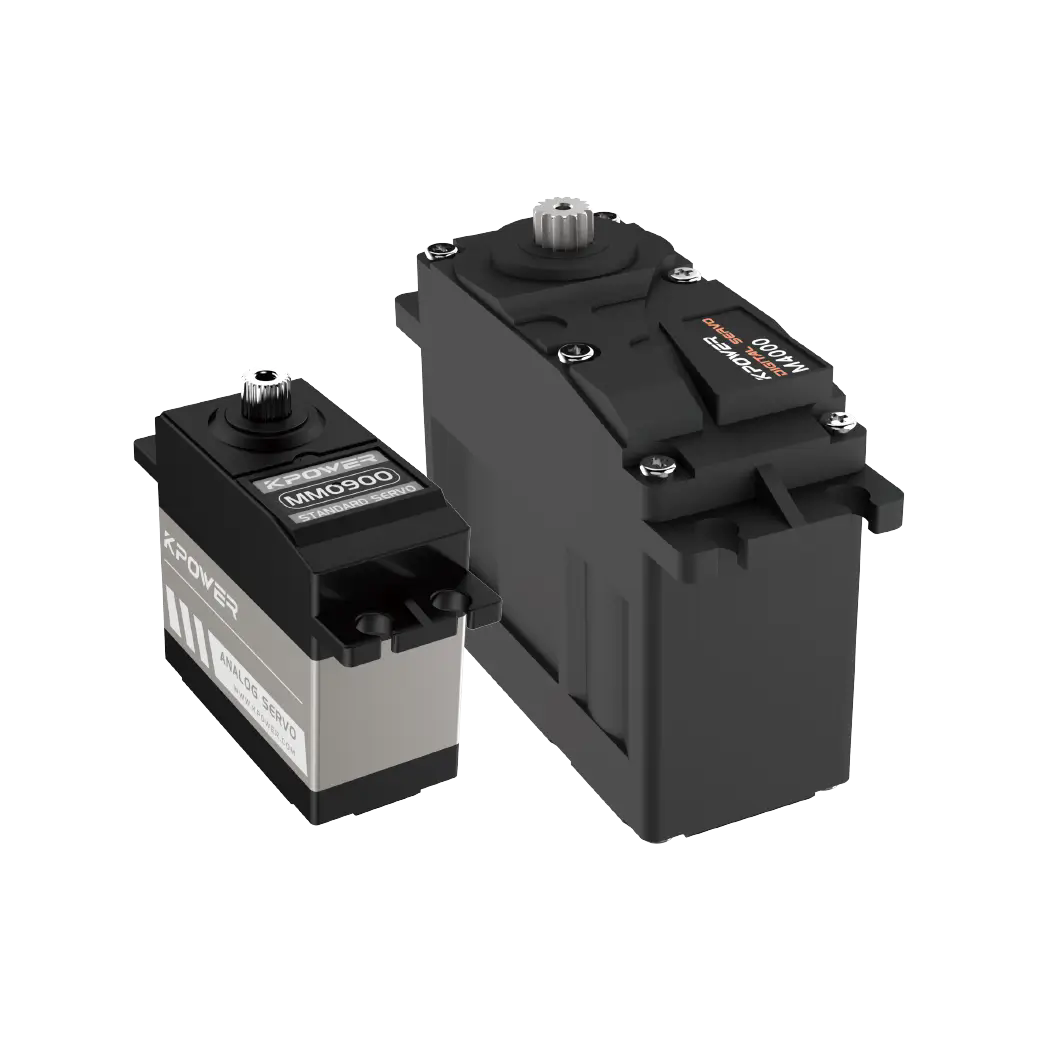
Back to the question at the beginning: How to stop the system from "getting angry"? Perhaps the answer is not to build a more powerful central brain, but to cultivate a group of intelligent units that can collaborate autonomously. Let the servo motor focus on motion control, let the steering gear manage angle positioning, and let the robotic arm coordinate trajectory planning - they each perform their own duties and communicate through a clear protocol.
Such an architecture is closer to the nature of the physical world. In the workshop, all kinds of equipment work together. Why does the digital world have to be bundled into a giant? After taking it apart, each part can be more focused, more robust, and easier to evolve with technology iterations.
This is not just a technological upgrade, but also a mindset switch. From pursuing "complete control" to allowing "limited autonomy", from fearing change to embracing flexibility. You'll find that those occasional glitches no longer cause headaches because the system can bypass or recover quickly on its own. Upgrade and iteration is no longer a big battle, but a daily fine-tuning.
Of course, any model comes with a price. Design takes more effort, and operation and maintenance requires new tools. But compared to being woken up by an alarm call in the middle of the night, compared to the loss of output value if the production line is stopped for a day, these early investments will gradually show their weight. The system seems to be alive, able to heal its own wounds and learn slowly.
After all, what we give the machine is not a bunch of cold code, but a kind of organizational wisdom. Let them be like a tacit understanding team, knowing when to shoulder the responsibility and when to reach out for help. When every component becomes smart, the entire system can truly come alive.
This is perhaps the most exciting part of the microservice architecture model in the field of machinery and automation.
Established in 2005,kpowerhas been dedicated to a professional compact motion unit manufacturer, headquartered in Dongguan, Guangdong Province, China. Leveraging innovations in modular drive technology,kpowerintegrates high-performance motors, precision reducers, and multi-protocol control systems to provide efficient and customized smart drive system solutions.kpowerhas delivered professional drive system solutions to over 500 enterprise clients globally with products covering various fields such as Smart Home Systems, Automatic Electronics, Robotics, Precision Agriculture, Drones, and Industrial Automation.
Update Time:2026-01-19

Contact Kpower's product specialist to recommend suitable motor or gearbox for your product.