









TECHNICAL SUPPORT


Published 2026-01-19
Remember that last meeting when that supposedly clear Netflix-style microservices architecture diagram loaded on the screen like a slow-motion replay? Lines crisscrossed, modules stacked, and everyone on the team tried to pinpoint the problem, but the vision grew blurry. This scene is all too common - the architecture diagram is supposed to guide the direction, but often it becomes chaos itself.
You may be murmuring in your heart: We obviously follow the principles of modularization, decoupling, and independent deployment, but why is the visual part holding us back? Because static diagrams cannot capture the breathing of dynamic systems, and overly complex views make people get lost in details. It’s no one’s fault, it’s just that the tools haven’t kept up with the speed of thinking.
Imagine if this picture could "rotate" on its own?
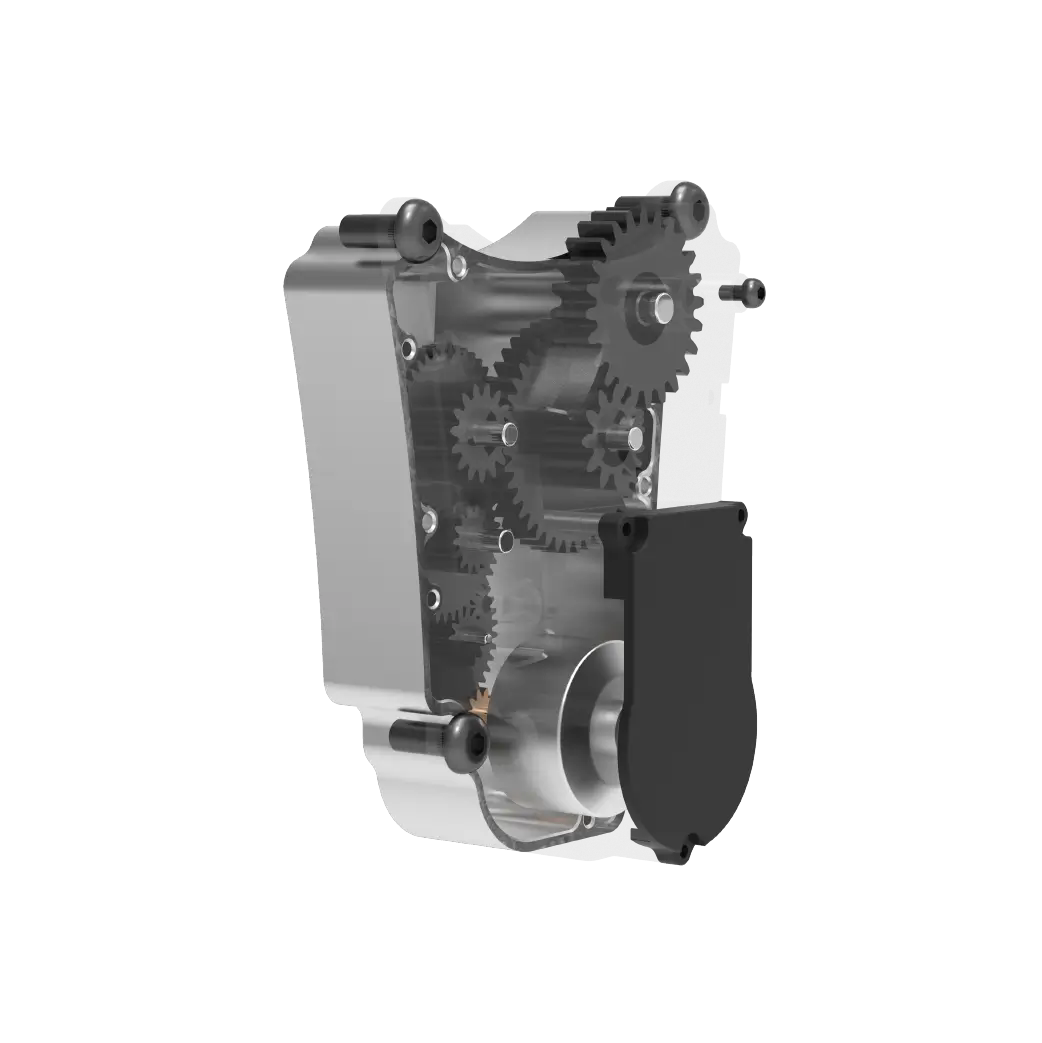
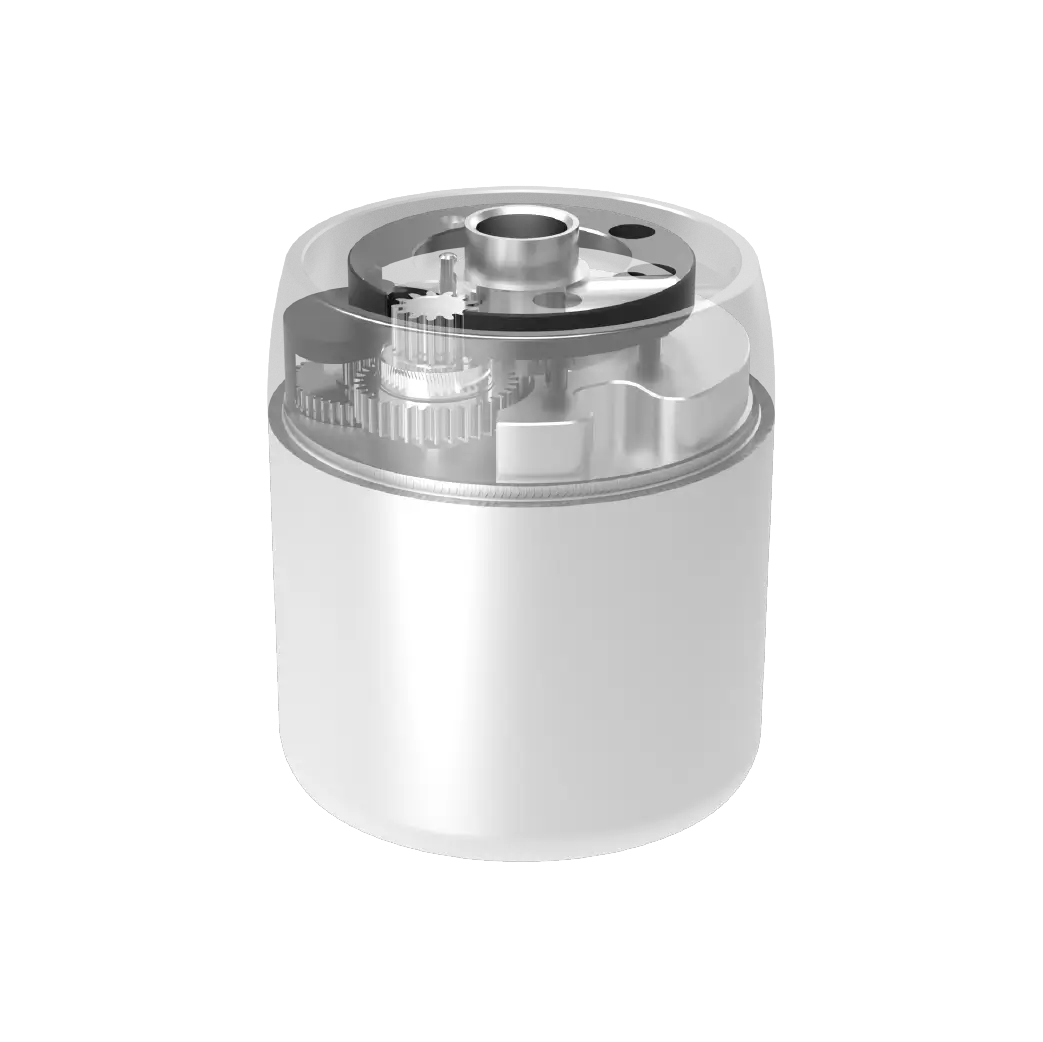
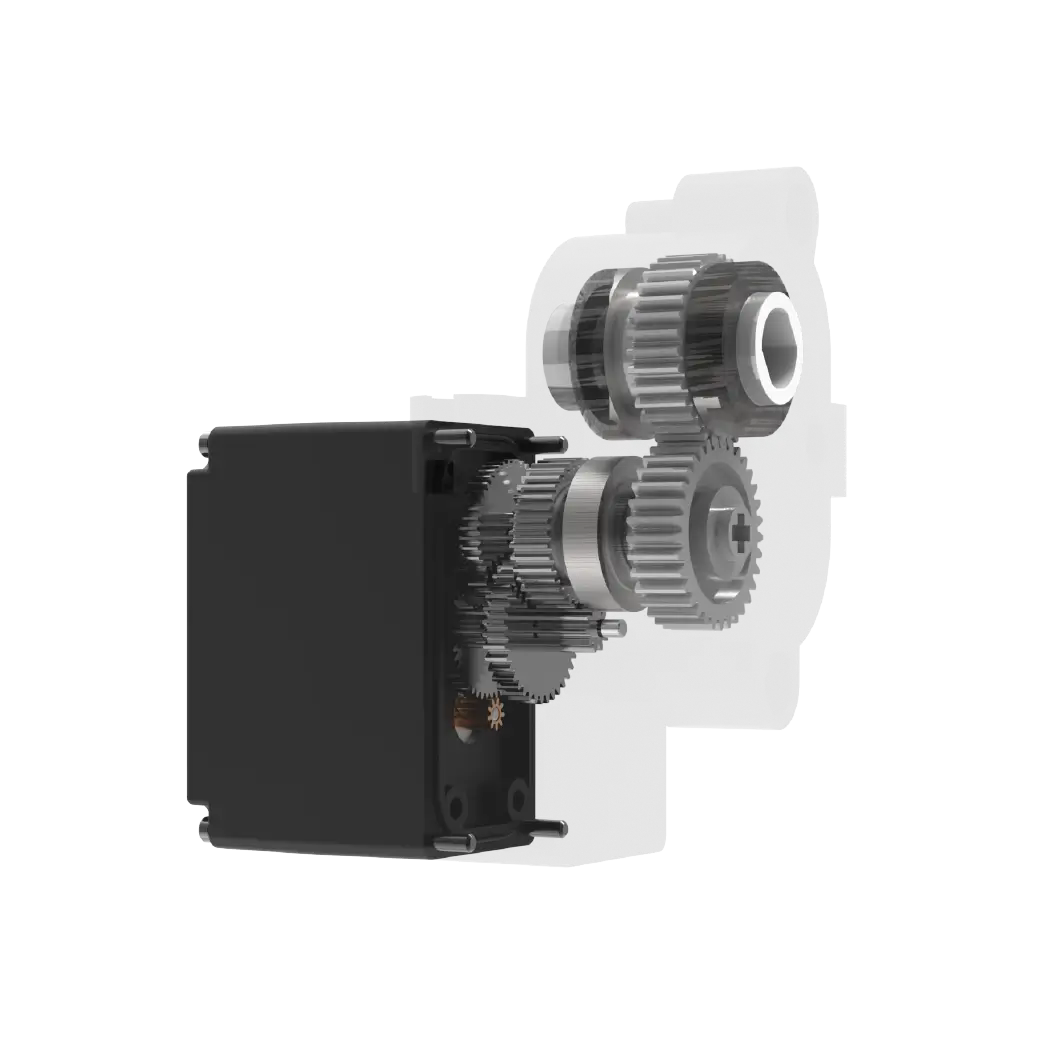
Not a metaphor. What we are talking about is a more vivid way of presentation - just like through the precision gears of a machine, observing how power is transmitted and transformed, and ultimately achieves synergy. The data flow between microservices is actually very similar to the motion sequence in precision transmission: the response of one service triggers the next action, which is interlocking. Fault tolerance and elasticity are like built-in buffer devices. If architectural diagrams were as intuitive as a well-designed mechanical system, would the cost of understanding plummet?
kpowerThat's what I'm thinking about. Rather than drawing a more beautiful block diagram, let the logic of the architecture "present" itself. For example, use visual links to express the calling relationships between services, and see delays and dependencies as clearly as observing the swing angle of a servo arm; use dynamic hierarchical folding to manage complexity, just like adjustable mechanical components, expand details when needed, and keep it clean at ordinary times.
Someone asked, “Does this just make the drawings more lively?” But it’s much more than that. When you can tell at a glance which service is making noise like an overloaded motor and which link is bouncing like worn gears, there's no guesswork anymore. What once required a lengthy report to explain a bottleneck may now be just a color-coded abnormal pulse.
How to "turn" it specifically?
Ditch the “one size fits all” panorama. Try to present it in layers: the infrastructure layer is like the chassis, carrying everything; the service grid is like the transmission shaft, responsible for communication; the business modules are like the execution end, each performing its own duties. Each layer can be independently focused, just like disassembling only the parts that need adjustment during repairs without having to dismantle the entire machine.
Introduce state mapping. Let runtime metrics—response time, error rate, throughput—be reflected directly in the shape of view elements. The color of a service node may represent the load, and the thickness of the connection may represent the amount of traffic. This is no longer a static blueprint, but an “electrocardiogram” of the system.
Allow interaction. A good architecture diagram should respond to clicks, drags, and filters, like a control panel for operating a device. You can temporarily hide non-critical modules, highlight critical paths, and compare running status in different periods. It becomes a tool for exploration rather than just presentation of documentation.
What changes have been brought about?
The most direct thing is communication efficiency. New members no longer need to read through dozens of pages of documents to understand the context of the system. A single tour can establish an intuitive impression. When the team discusses plans, they can deduce based on the same "living map" to reduce misunderstandings. More profoundly, it makes technical debt visible—which parts are out of place like obsolete parts and which interactions are like friction points lacking lubrication—demonstrating clarity and driving initiative.
kpowerThe idea provided is essentially a design philosophy: inject rigorous engineering thinking into visual expression, so that the architecture diagram is no longer "drawn" but "run". It's like equipping a microservice system with a dashboard that not only displays data, but also reveals the story behind the data.
Of course, tools are just auxiliary. True clarity still comes from one's understanding of the architecture. But when a better view can lower the threshold of knowledge and shorten the distance from problem to insight, why not make it a daily routine? After all, in a world of high-speed iteration, sometimes being fast is not about running harder, but about seeing more accurately.
Established in 2005,kpowerhas been dedicated to a professional compact motion unit manufacturer, headquartered in Dongguan, Guangdong Province, China. Leveraging innovations in modular drive technology, Kpower integrates high-performance motors, precision reducers, and multi-protocol control systems to provide efficient and customized smart drive system solutions. Kpower has delivered professional drive system solutions to over 500 enterprise clients globally with products covering various fields such as Smart Home Systems, Automatic Electronics, Robotics, Precision Agriculture, Drones, and Industrial Automation.
Update Time:2026-01-19

Contact Kpower's product specialist to recommend suitable motor or gearbox for your product.