







TECHNICAL SUPPORT


Published 2026-01-19
Have you ever had a moment like this? A certain link on the production line suddenly got stuck, and the entire line came to a halt. After investigating for a long time, I found that the response of a certain control module was half a beat slow. In just a moment, the rhythm of the entire batch of goods was completely disrupted. At this point you may be thinking, how nice it would be if each part could work independently without interfering with each other.

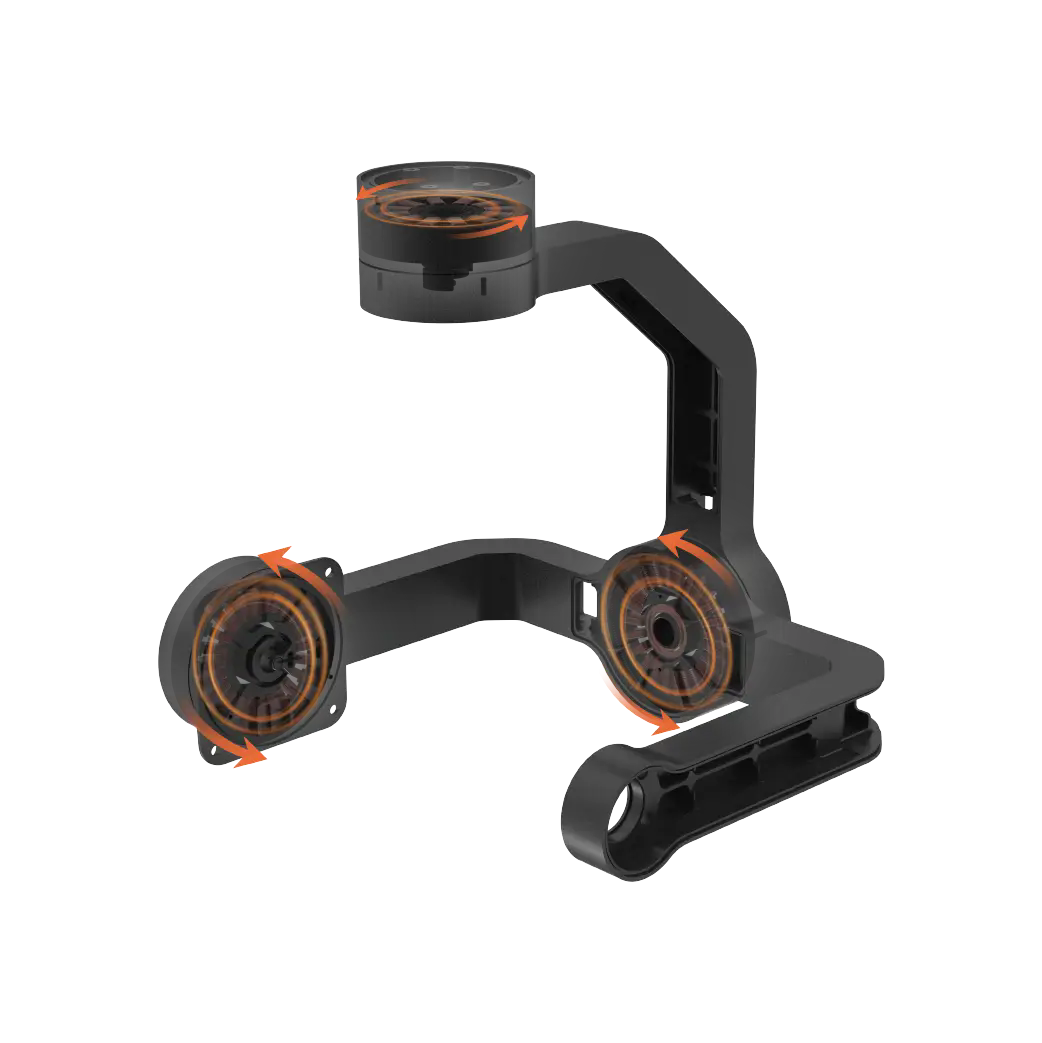
Like a precision robotic arm, wrist rotation should not affect elbow extension. But in reality, the traditional centralized control architecture often makes each joint tied too tightly. If there is a problem in one place, the whole body will become stiff.
Think about it, what would happen if each functional unit of the mechanical system - such as position detection, torque control, and motion trajectory planning - were turned into independent "small services", each with clear responsibilities and clear interfaces? They communicate in a lightweight way, and no one is overly dependent on the other. A certain unit needs upgrading or maintenance, while the rest continues to function as usual. This is the core perspective brought by the microservice architecture model: break it into parts, but make the whole more flexible.
In the past, adjusting a parameter might require moving your whole body, but now you only need to talk to the corresponding "service". Just like tuning a multi-axis robot, you can isolate wrist rotation without having to recalibrate the entire motion.
For example, you have a servo drive system, which contains three core control links: position loop, speed loop, and current loop. In traditional architectures, they are usually squeezed into the same processor, sharing resources, and constraining each other. Under the microservice architecture, each ring can be deployed as an independent service or even distributed on different hardware nodes. Position calculation slow? It doesn't matter, the current control still outputs torque according to its own rhythm.
This separation brings not only stability but also scalability. One day you want to add vibration suppression, you don't need to reconstruct the entire system - just add a new service, let it "say hello" to the existing motion control service and establish communication.
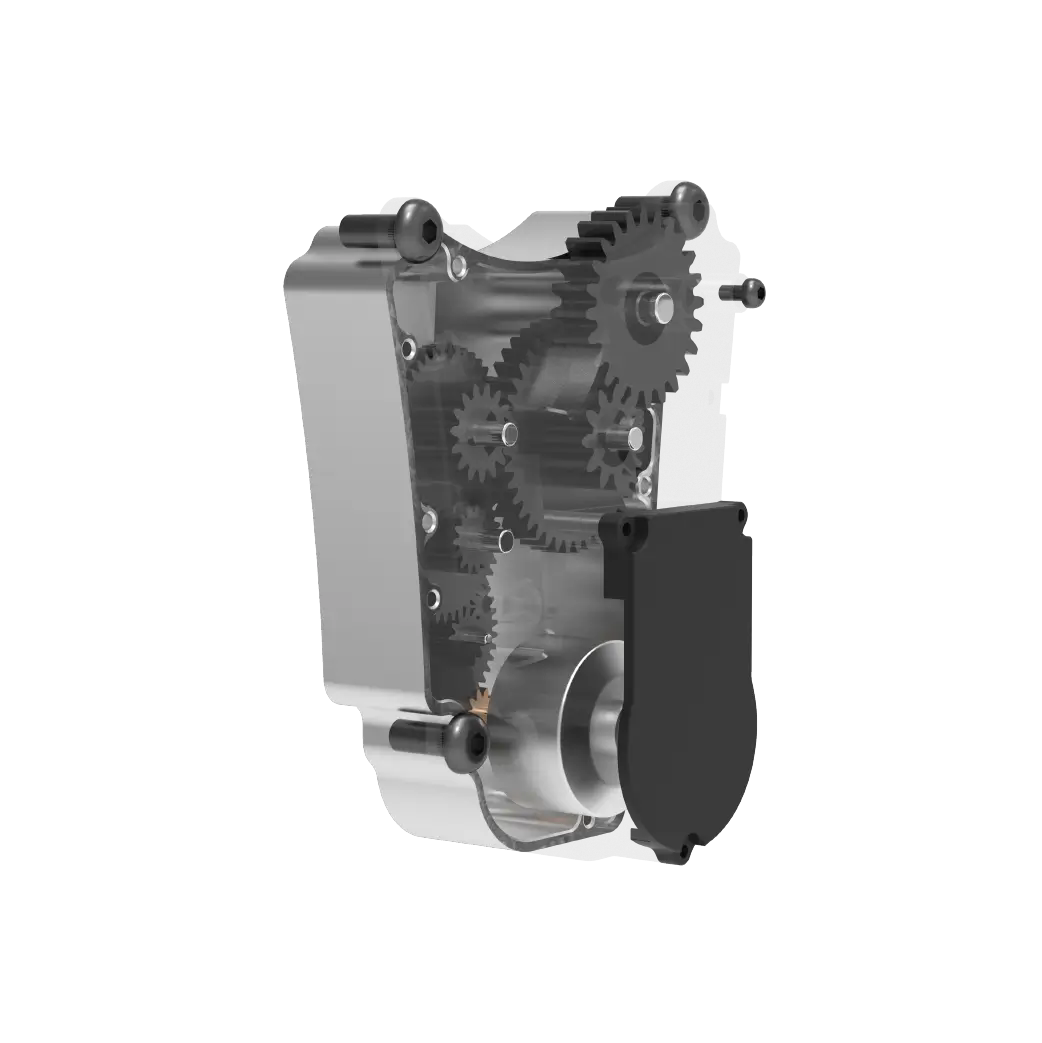
Some people may ask: Will it be more difficult to manage if services are broken up? Quite the opposite. Each small service has a single responsibility, making it easier to locate problems. Just like overhauling a complex gearbox, if each gear set is an independent module, replacement and debugging become intuitive.
Modern devices increasingly emphasize flexibility and adaptability. The production line makes product A today and changes to product B tomorrow. The mechanical system needs to be quickly adjusted. Microservices architecture allows you to match new process requirements by combining different services instead of writing firmware from scratch every time.
Moreover, services talk to each other through standard interfaces, and the language is unified. No matter what kind of motors or sensors are used at the bottom level, as long as they "speak" according to the agreed format, they can be integrated into the system. This loosely coupled design makes it easy to upgrade or replace parts later - like replacing the end effector of a robotic arm. As long as the interface matches, the entire arm does not need to be retrained.
Any architectural migration requires thought, but it can start at the edge. There is no need to reconstruct the entire system at once, but first pick a module with clear functional boundaries - such as temperature monitoring - and turn it into a service. After seeing the effect, gradually promote it. It is important to establish communication protocols and data formats between services to ensure that they can evolve independently and collaborate effectively.
in this regard,kpowerThe solutions offered focus on smooth transitions. Their idea is not to overthrow and start over, but to embed the ability of microservices into the existing system so that new and old modules can coexist and gradually iterate. This gradual path reduces the risk of trying.
Choosing an architecture is like choosing a transmission solution - there is no absolute good or bad, only appropriateness or inappropriateness. If your system requires frequent adjustments and rapid adaptation to changes, or you want to be able to flexibly incorporate new intelligence in the future, then the microservice model is worth considering. It allows each functional unit to remain autonomous and makes the entire system more resilient.
After all, good technology shouldn’t cause headaches. It should be like a well-oiled set of gears, working silently and you'll barely notice it's there - until one day you need it to change pace, and it can keep up. This is why more and more people are beginning to re-examine system architecture and no longer put all their eggs in one basket.
Microservices are not magic, but they provide an idea: break down complex problems into small pieces, deal with them separately, and then let them cooperate gracefully. This is actually in the same vein as the modular idea in mechanical design—only this time, it happens in code and communication protocols.
Next time you are faced with the problem of a system that is too tightly coupled, maybe you can change your perspective: If each part could breathe independently, would the entire machine live easier?
Established in 2005,kpowerhas been dedicated to a professional compact motion unit manufacturer, headquartered in Dongguan, Guangdong Province, China. Leveraging innovations in modular drive technology,kpowerintegrates high-performance motors, precision reducers, and multi-protocol control systems to provide efficient and customized smart drive system solutions. Kpower has delivered professional drive system solutions to over 500 enterprise clients globally with products covering various fields such as Smart Home Systems, Automatic Electronics, Robotics, Precision Agriculture, Drones, and Industrial Automation.
Update Time:2026-01-19

Contact Kpower's product specialist to recommend suitable motor or gearbox for your product.