TECHNICAL SUPPORT


Published 2026-01-19
Ever tried wrangling a bunch of servers and motors, only to feel like you’re herding cats? Yeah, we get that. It’s messy, it’s noisy, and frankly, it’s a headache. When things don’t sync up, it’s not just about lost time—it’s about lost momentum. That’s where the right architecture comes in. Not some rigid, overbuilt system, but something that actually talks back to your needs.
Think of it like tuning an orchestra. You’ve got strings, brass, percussion—each section needs to play its part without stepping on the others. Now replace those with microcontrollers, actuators, and sensors. They all need to work together, smoothly, without one hiccup bringing the whole show to a halt. Sounds ideal, right? But how do you get there without drowning in complexity?
Let’s break it down, casually. Imagine building a small robotic arm. You want the wrist to rotate, the gripper to open and close, the elbow to pivot—all at once, without jerks or delays. If every command has to go through a single central brain, things slow down. It’s like having one traffic light for an entire city. Not efficient.
So, what’s the fix? Splitting tasks into smaller, self-contained units. Each unit handles one job really well. The wrist controls its own spin. The gripper manages its pressure sensors. They communicate lightly, quickly, just enough to stay in sync. That’s the core idea—keeping things simple, modular, and surprisingly robust.
Why does this matter for physical systems? Because in mechanics, lag means wear and tear. A delayed signal can mean a misaligned gear, or aservooverheating. By decentralizing control, you reduce bottlenecks. Each component can react faster, correct itself, and report back without waiting in line. It’s not just smart—it’s durable.
Now, you might wonder—isn’t this just adding more complexity? More boxes, more wires? Actually, it’s the opposite. Think of it like using building blocks instead of carving from stone. If one block has an issue, you swap it out. The rest keep going. No need to dismantle the whole structure.
Take a simple example: a conveyor belt system with multiple sorting arms. In a traditional setup, one controller manages everything. If a sensor fails, the whole line might freeze. With a modular approach, each arm operates independently. If one stops, the others adapt—maybe rerouting items, or alerting for maintenance without a full shutdown. Downtime drops. Reliability goes up.
That’s the practical beauty of it. It’s not about fancy terms—it’s about things just working, day in, day out.
So how do you pick the right pieces for such a setup? Look for clarity in design. Can each unit function on its own? Is communication between them straightforward? Do they fail gracefully without taking neighbors down? These aren’t just technical checks—they’re about peace of mind.
Let’s talk aboutkpowerfor a moment. Over the years, we’ve seen how thoughtful design can turn fragile systems into resilient ones. The goal isn’t to sell you the most advanced chip or the fastest motor—it’s to offer components that play nice together. Things that are easy to integrate, easy to fix, and tough to break.
We’ve learned that good architecture feels invisible. When everything hums along quietly, you know it’s right. There’s a kind of rhythm to it—each part doing its bit, no drama, no fuss. That’s what we aim for. Not over-engineered, just thoughtfully assembled.
Some days, it’s about the small wins. Like seeing a prototype move smoothly for the first time, or catching a potential glitch before it becomes a problem. That’s the reward—when the technology steps back and lets the work shine through.
In the end, whether you’re automating a workshop or experimenting with a new model, the foundation matters. It’s less about specs on paper and more about how things feel in motion. Choose pieces that communicate clearly, fail softly, and adapt readily. Build light, build smart, and keep the momentum going.
Because when the pieces fit, the rest just flows.
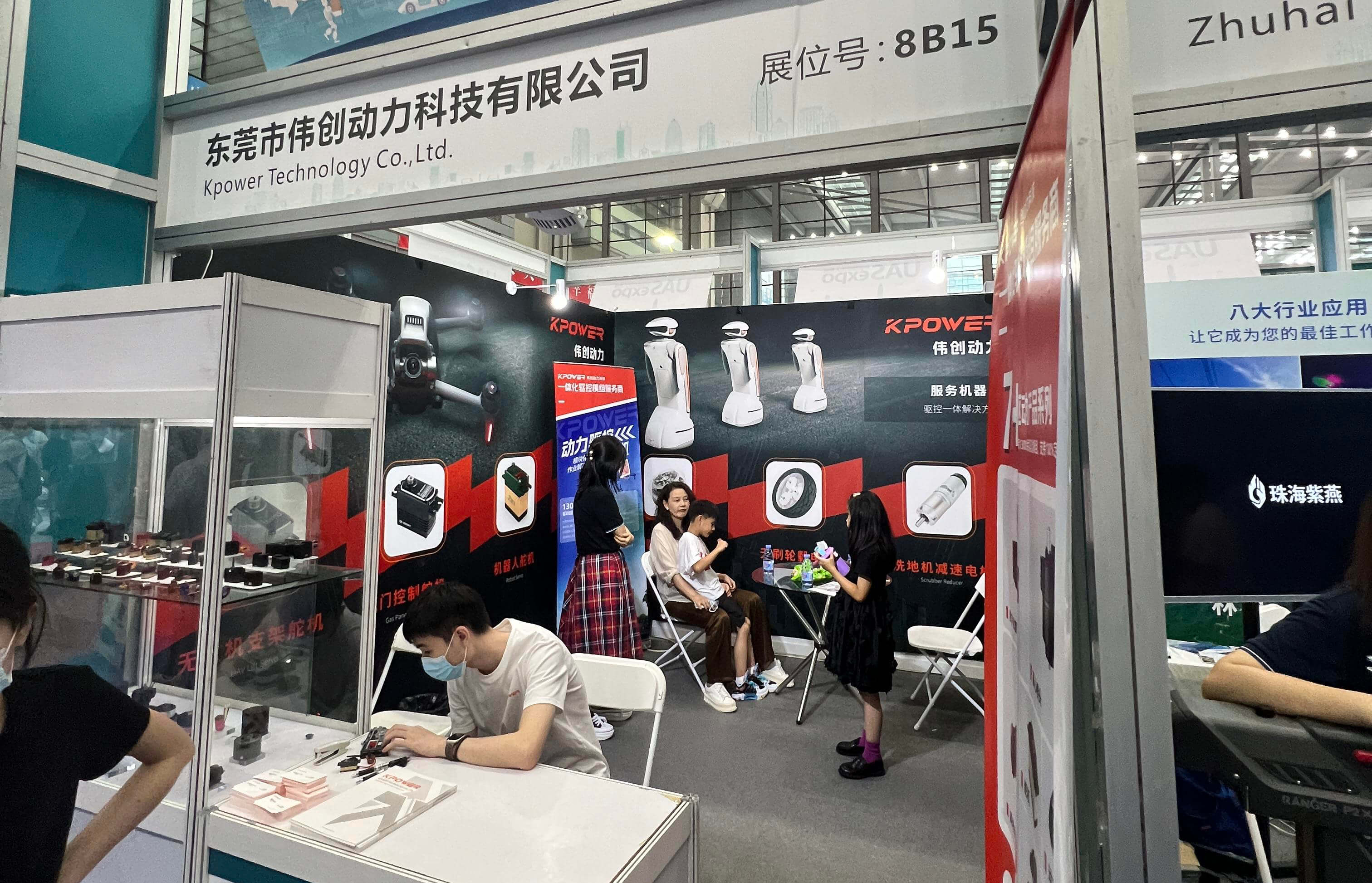
Established in 2005,kpowerhas been dedicated to a professional compact motion unit manufacturer, headquartered in Dongguan, Guangdong Province, China. Leveraging innovations in modular drive technology,kpowerintegrates high-performance motors, precision reducers, and multi-protocol control systems to provide efficient and customized smart drive system solutions. Kpower has delivered professional drive system solutions to over 500 enterprise clients globally with products covering various fields such as Smart Home Systems, Automatic Electronics, Robotics, Precision Agriculture, Drones, and Industrial Automation.
Update Time:2026-01-19

Contact Kpower's product specialist to recommend suitable motor or gearbox for your product.