











TECHNICAL SUPPORT


Published 2026-01-19
Remember the last time you tried to untangle a box ofservomotor cables? You pull one, and three others knot up tighter. That’s what managing a monolithic Java application can feel like sometimes. Everything’s connected. A small change in one module sends ripples through the whole system, causing unexpected shutdowns—like a single misaligned gear jamming an entire assembly line.

It’s frustrating. Deployments become slow, risky events. Scaling means duplicating the entire heavy application, not just the part that’s under load. New features get locked in endless integration queues. Teams step on each other’s toes. Progress crawls.
So, what’s the way out? How do you bring order and agility back?
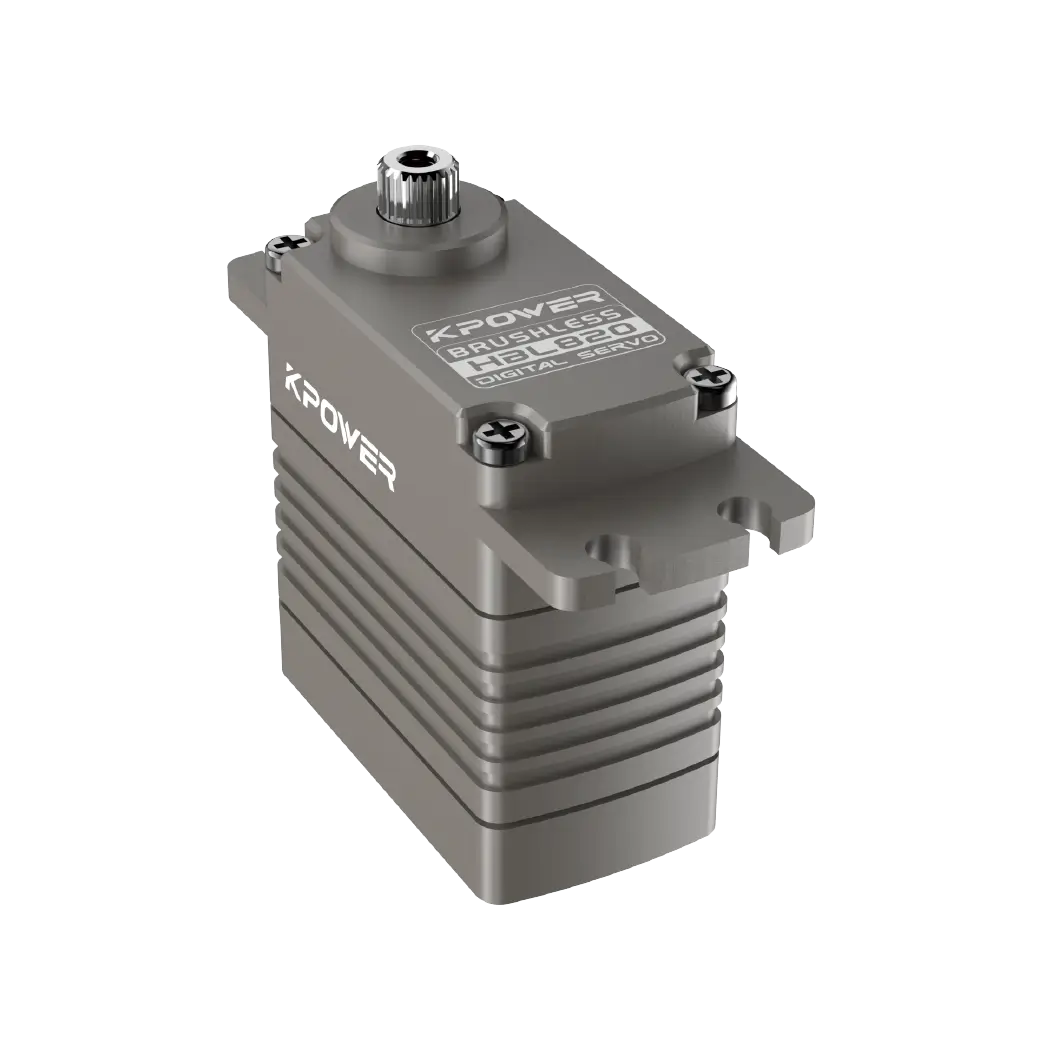
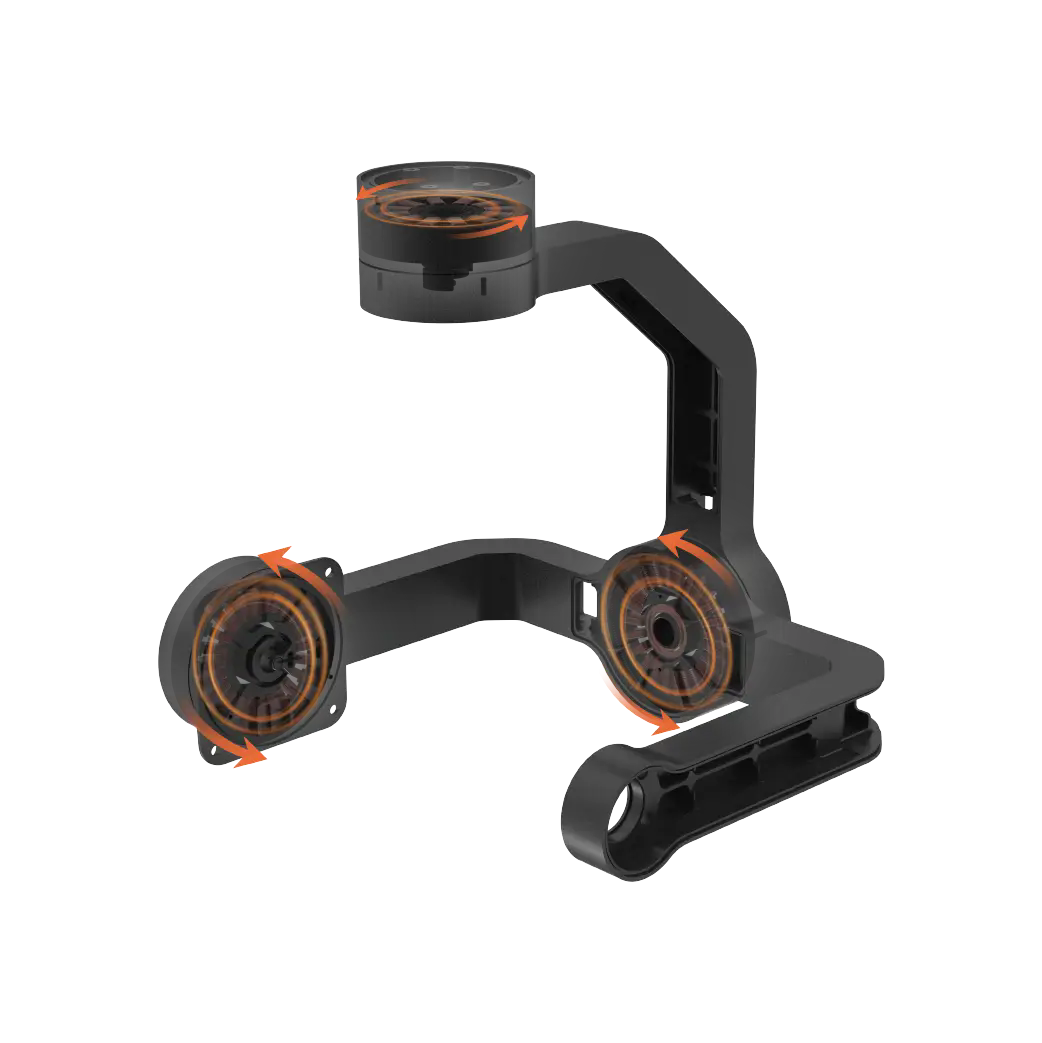
Think about how a sophisticated robotic arm works. It’s not one giant motor. It’s a network of specialized units—aservofor precise wrist movement, another for the elbow’s strength, a separate controller for grip sensitivity. Each operates independently, yet they collaborate seamlessly through clean, defined interfaces.
Microservices architecture in Java applies this very principle to software. Instead of one massive, intertwined application, you build a system of small, self-contained services. Each service runs its own process and manages its own database, focused on a single business capability—like user management, order processing, or payment handling. They talk to each other through lightweight APIs, usually over HTTP.
It’s like replacing that single, overburdened central motor with a coordinated array of precise, dedicatedservos.
Let’s be honest, no architectural pattern is a magic bullet. But when microservices fit your problem, the relief is tangible. Imagine being able to update the billing logic without touching the shipping module or restarting the whole app. That’s independence.
Scaling becomes surgical. Is the notification service overwhelmed during a promo? Just add instances for that service alone, without replicating the entire monolithic codebase. Your cloud bill and infrastructure breathe easier.
Development accelerates. Teams can own their services from database to API, choosing the best tool for their specific job. They can deploy on their own schedule. Innovation stops waiting in line.
Resilience improves. If the product catalog service has a hiccup, it doesn’t have to crash the checkout process. The system can be designed to handle partial failures gracefully—a concept as crucial in software as having a fail-safe in a mechanical system.
Jumping in headfirst can lead to a new kind of chaos—a distributed monolith. So, how do you start? You don’t boil the ocean. You begin by identifying a bounded context that’s relatively autonomous and has clear interfaces. The “strangler fig” pattern is a favorite: gradually build new functionality as a microservice outside the monolith, and slowly route traffic to it, until the old module can be retired.
The tooling in the Java ecosystem is rich. Frameworks like Spring Boot have become the go-to for crafting these standalone, production-ready services effortlessly. They handle the boilerplate, so you focus on business logic. For service discovery, configuration, and resilience, companions like Spring Cloud offer patterns that prevent you from reinventing the wheel.
Communication is key. RESTful APIs are the straightforward, universal choice for synchronous calls. But for decoupling, consider asynchronous messaging with something like Kafka—it’s like having a robust message bus between your services, ensuring no crucial event is lost.
Data management demands a shift in mindset. Each service gets its own private database. Share data only through published APIs, not direct database access. This avoids the deadly coupling that defeats the whole purpose.
Yes, you trade complexity in deployment and monitoring for complexity in development. That’s the bargain. You’ll need robust CI/CD pipelines, containerization with Docker, orchestration with Kubernetes, and centralized logging and tracing. It’s more overhead, but it’s the infrastructure that sets your services free.
This path isn’t for every project. So, pause and ask:
If you’re a small team with a simple app, the monolith might still be your friend. But if you feel the growing pains of scale and complexity, the microservices approach offers a proven path forward.
It’s about building a system that’s as adaptable and reliable as the best mechanical designs—where each part has a clear purpose, a defined interface, and the freedom to evolve. That’s how you build not just for today, but for all the iterations tomorrow will demand. The goal isn’t just a working system, but one that is resilient, scalable, and a joy to work on. That’s the true engineering triumph.
Established in 2005,kpowerhas been dedicated to a professional compact motion unit manufacturer, headquartered in Dongguan, Guangdong Province, China. Leveraging innovations in modular drive technology,kpowerintegrates high-performance motors, precision reducers, and multi-protocol control systems to provide efficient and customized smart drive system solutions.kpowerhas delivered professional drive system solutions to over 500 enterprise clients globally with products covering various fields such as Smart Home Systems, Automatic Electronics, Robotics, Precision Agriculture, Drones, and Industrial Automation.
Update Time:2026-01-19

Contact Kpower's product specialist to recommend suitable motor or gearbox for your product.