







TECHNICAL SUPPORT


Published 2026-01-19
Imagine this: you've got a project with multiple moving parts. Each part works fine on its own, but when you try to make them work together, things get messy. Signals get crossed, responses lag, and the whole setup becomes clumsy. It’s like trying to coordinate a group of skilled dancers who are all listening to different songs. They might be great individually, but together? It’s chaos.
That’s the kind of headache many face when building modern, interconnected systems. You want reliability, precision, and smooth communication between components. But often, what you get is complexity, bottlenecks, and a maintenance nightmare. Why does this happen? How do you get those "dancers" to move in perfect sync?
The challenge isn’t just about making parts talk to each other; it’s about designing a conversation that’s efficient, resilient, and clear. This is where design thinking becomes crucial. Not just any design, but a pattern that understands the nature of independent yet connected units.
So, what’s the solution? Think of a well-conducted orchestra. Each musician plays their part independently, yet they follow a shared score and the conductor’s cues. The result is harmonious music, not noise. Translating this to technical systems means adopting a design philosophy that breaks down a large, monolithic application into smaller, self-contained services. Each service runs a unique process and communicates through lightweight mechanisms.
This approach tackles the core problem head-on. Instead of one bulky machine doing everything, you have a team of specialized units. If one unit needs an upgrade or fixes, you don’t have to stop the whole show. The rest keep performing. It’s about agility and precision.
But how do you implement this without creating a new web of confusion? The key lies in the patterns—the proven blueprints for organizing these services effectively.
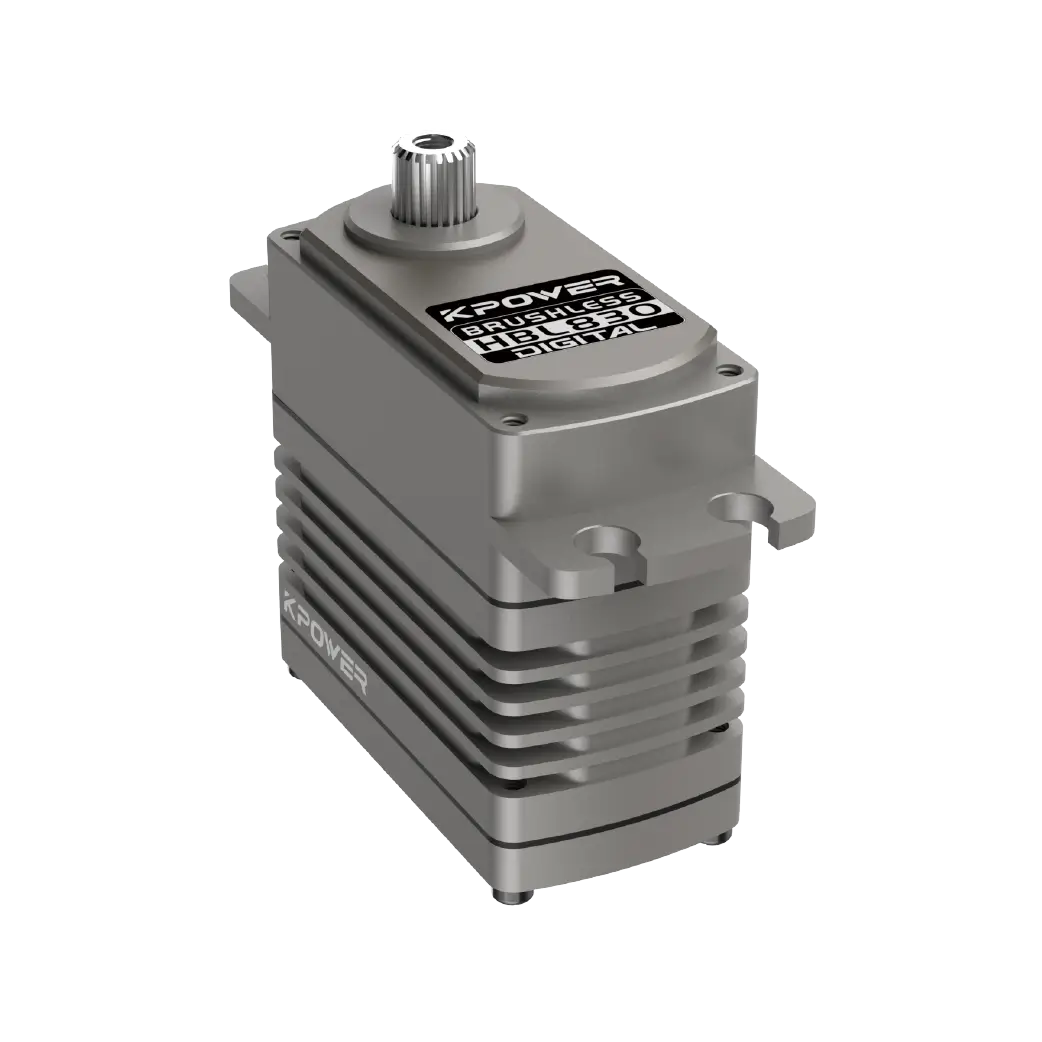
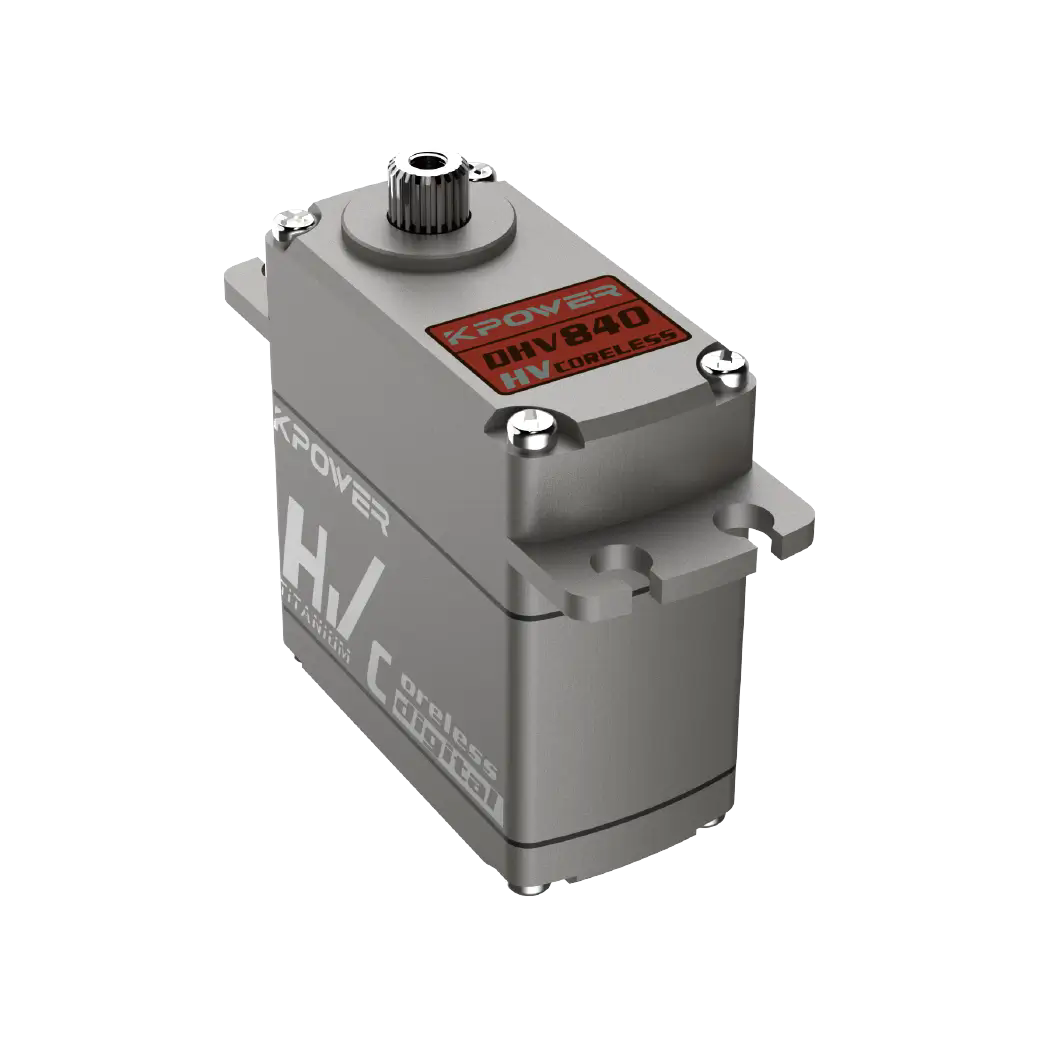
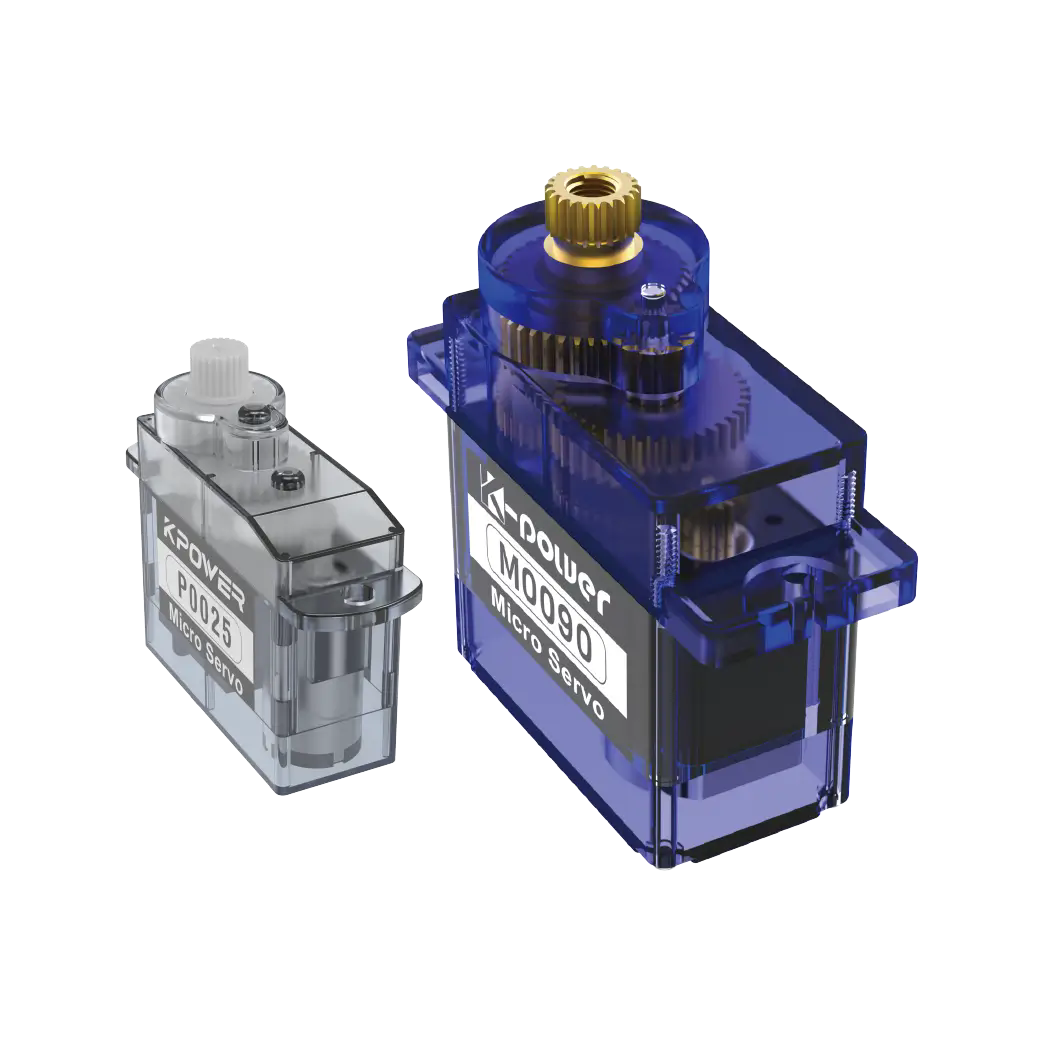
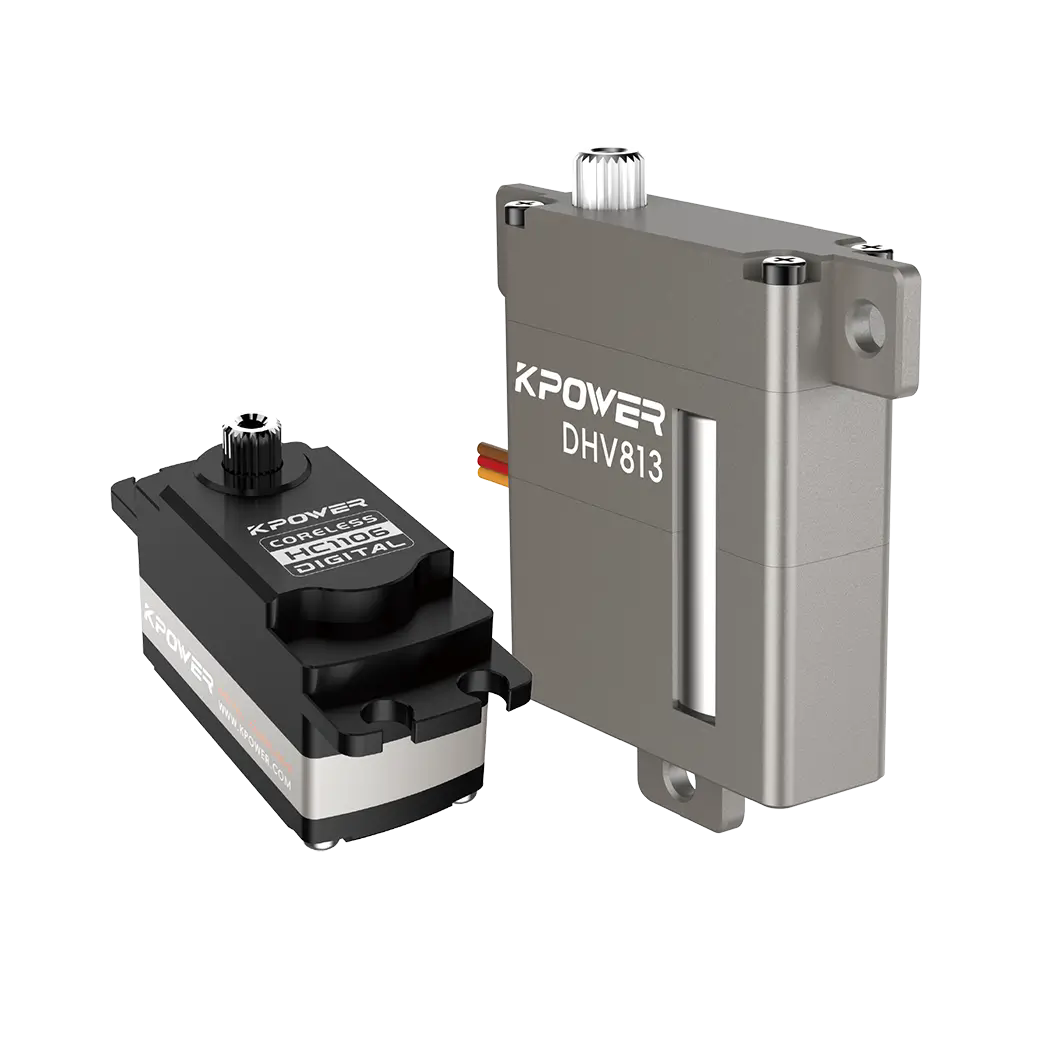
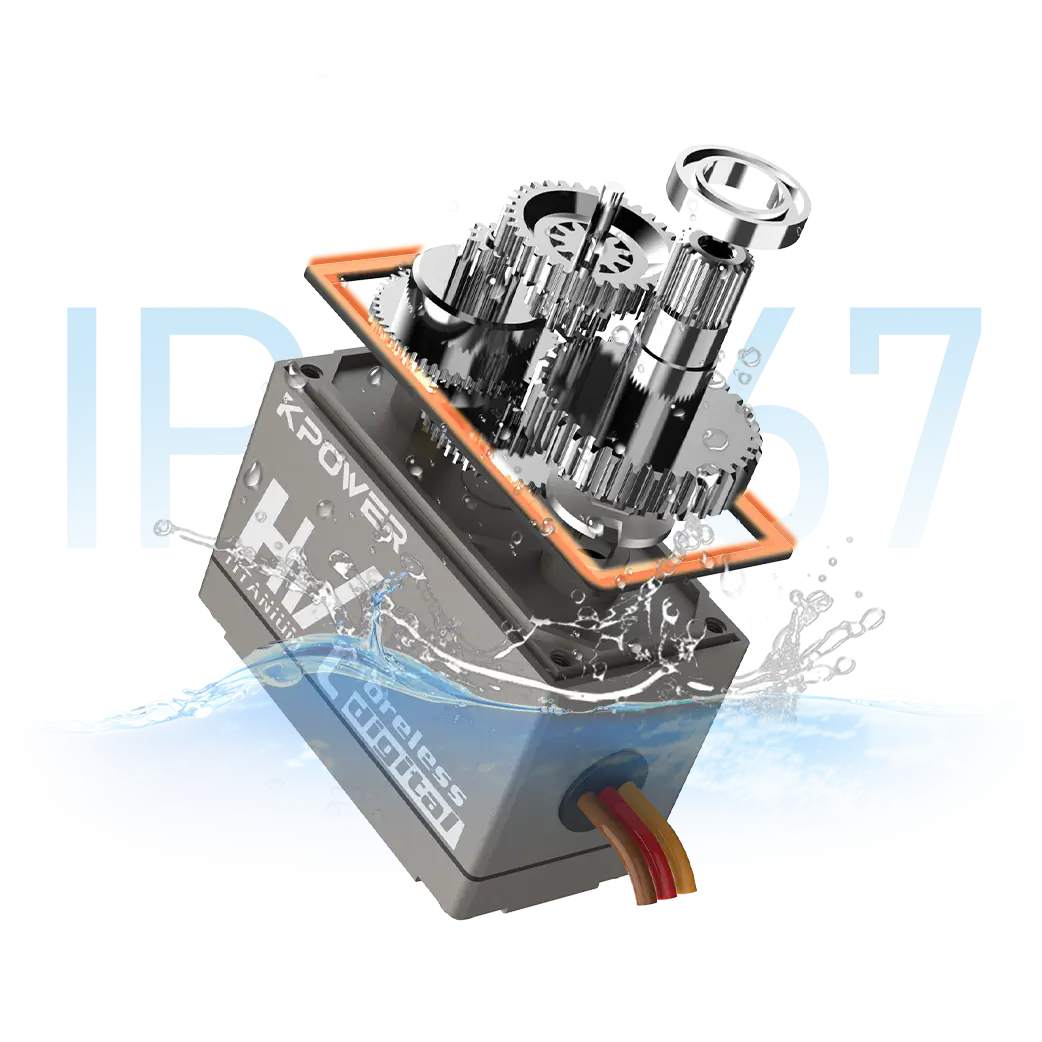
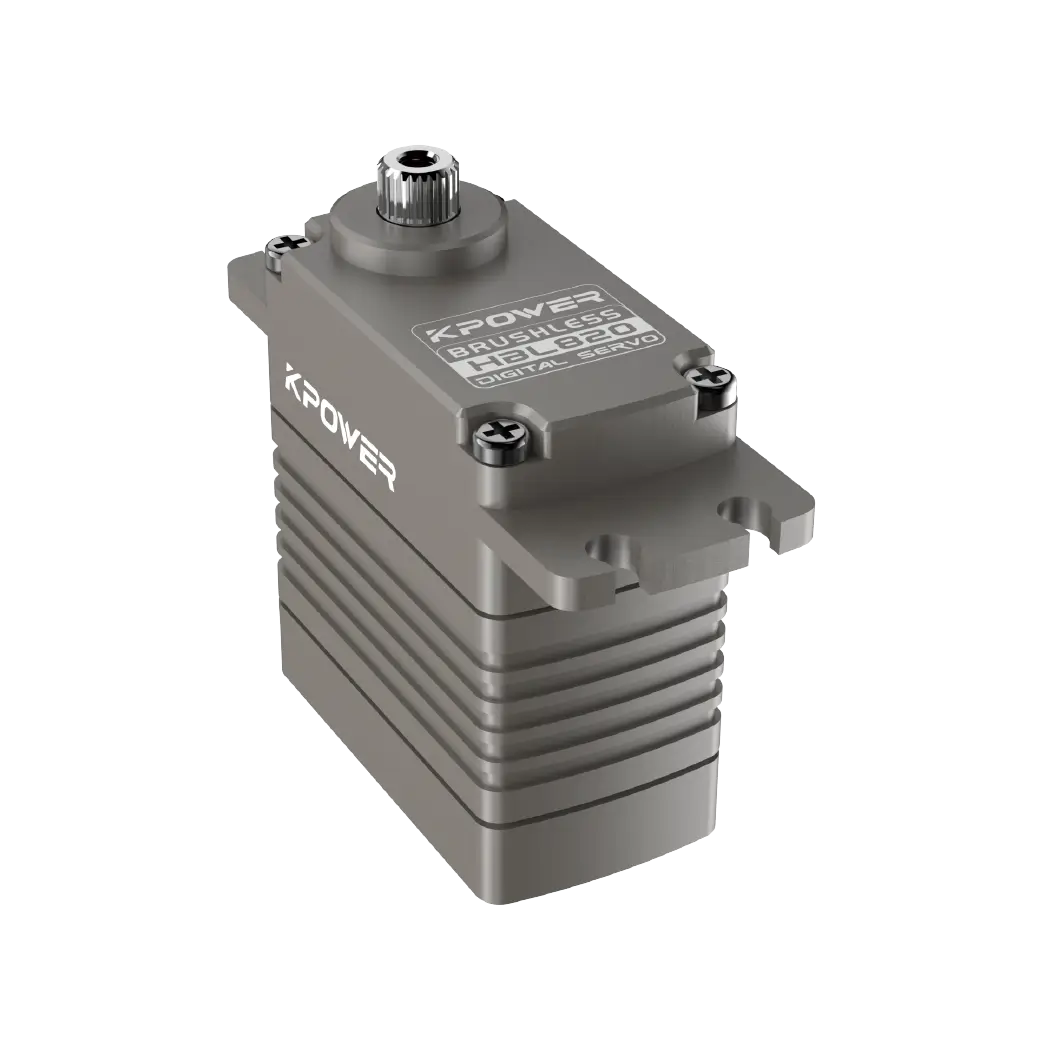
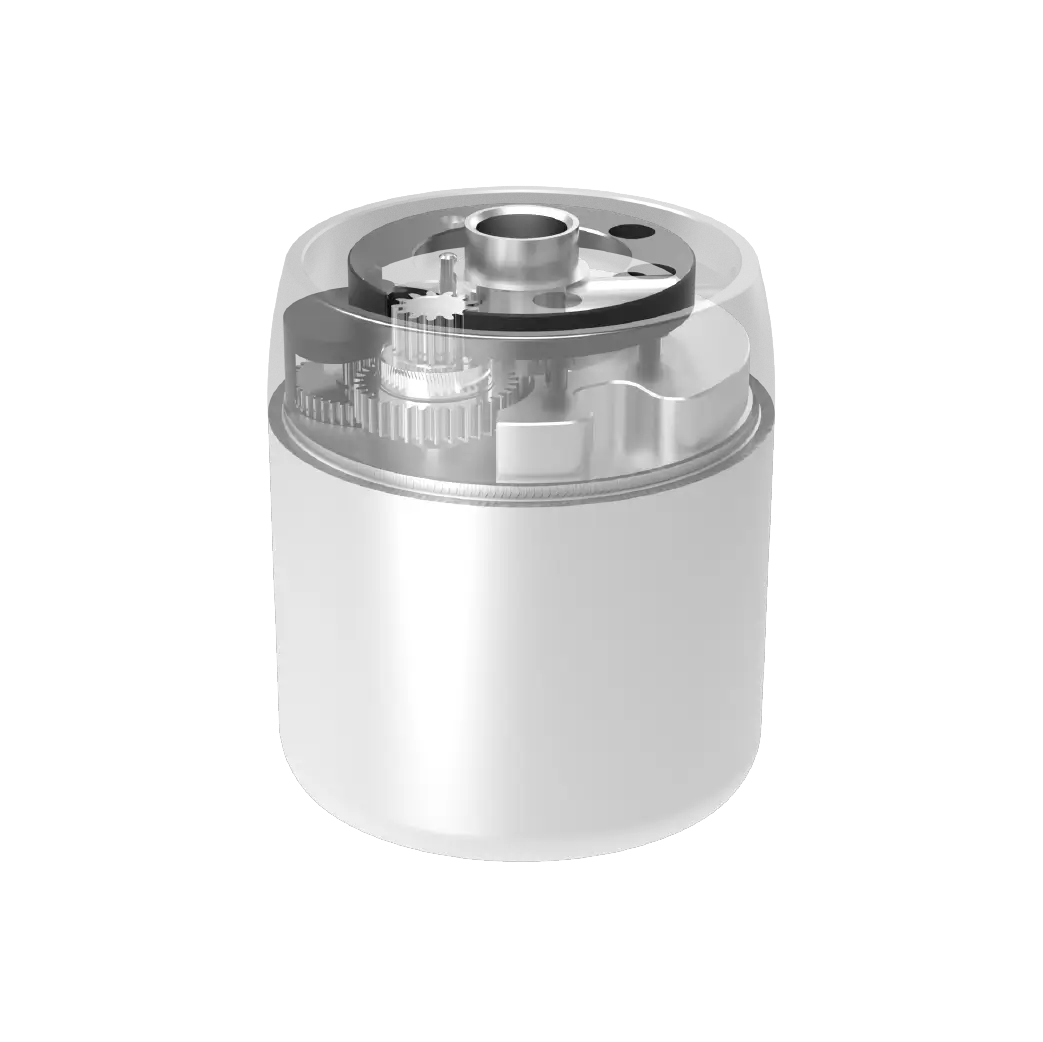
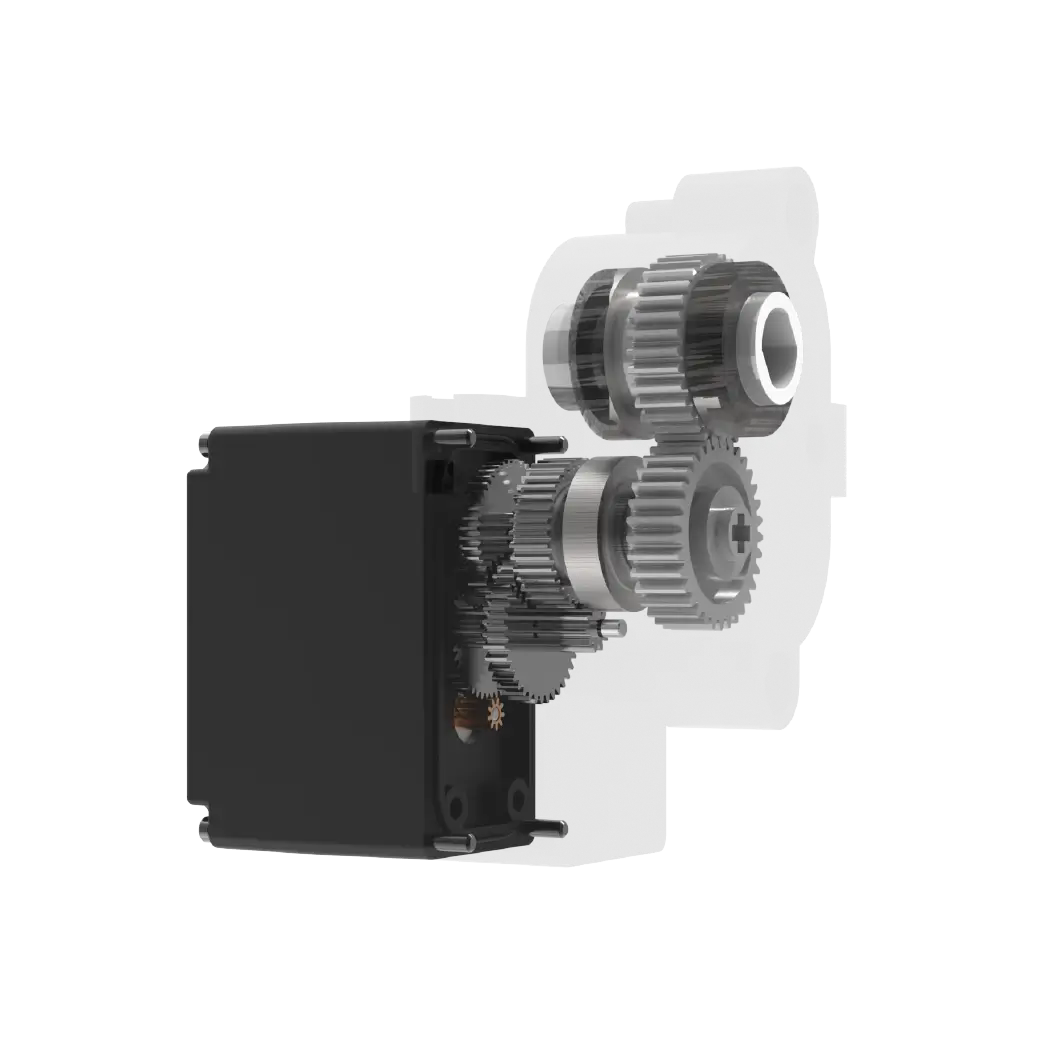
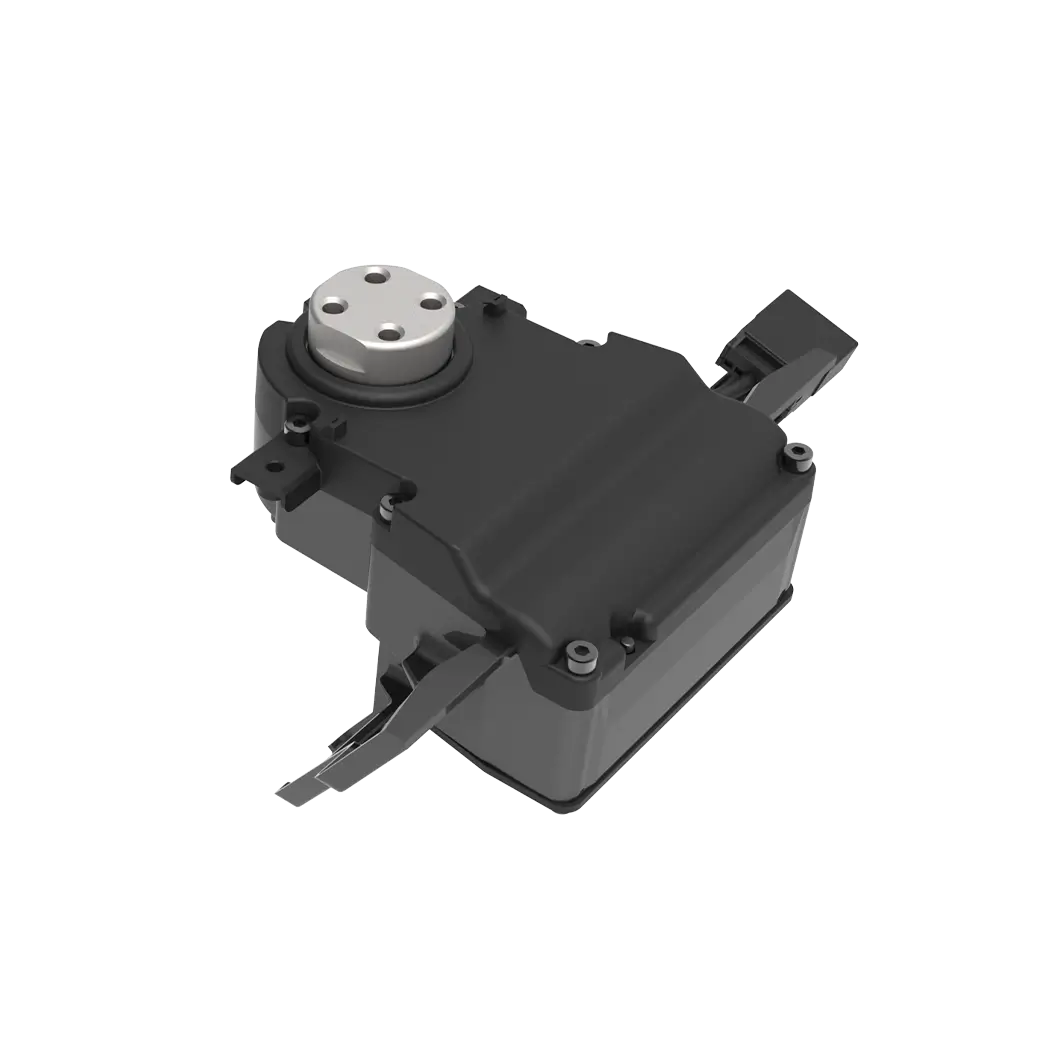
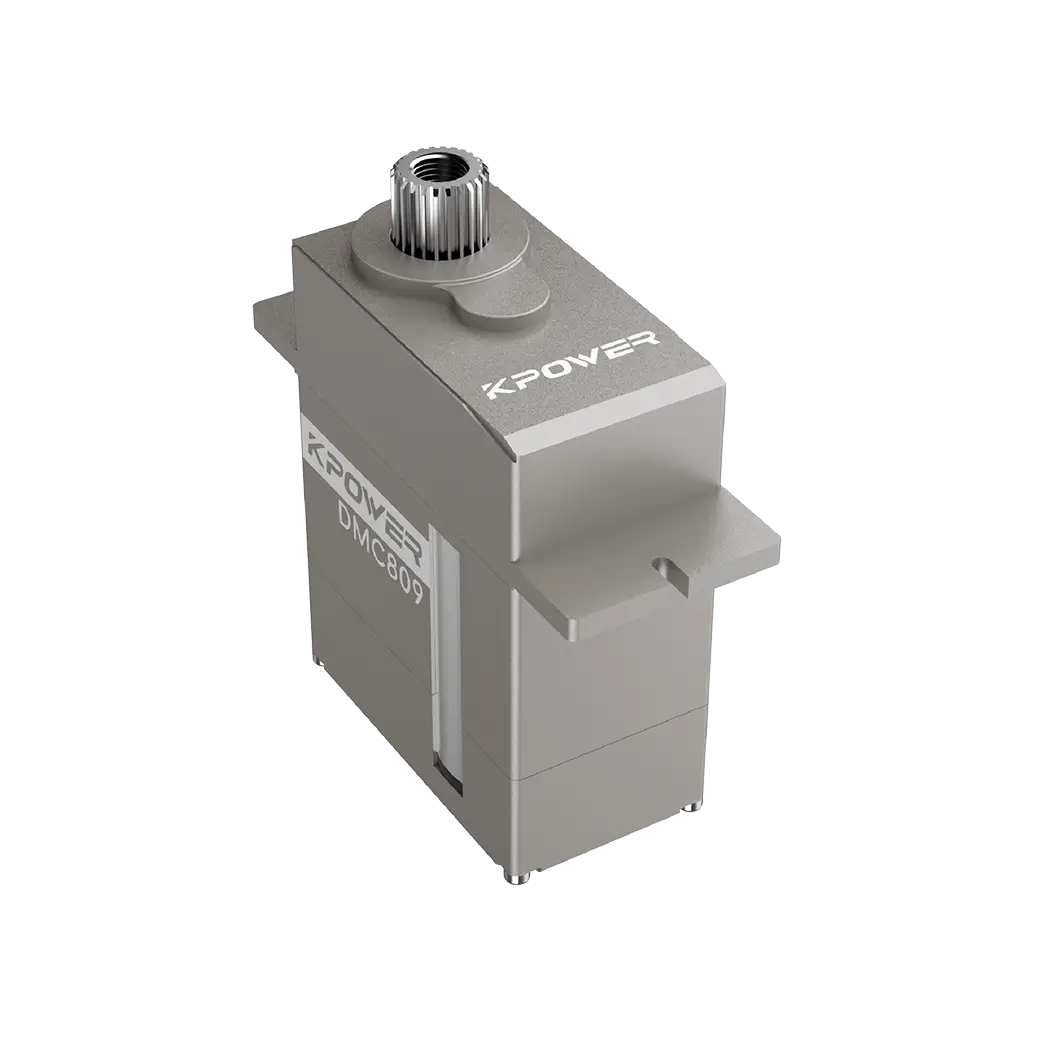
Atkpower, we see this not just as a software challenge, but as an engineering one. It mirrors the principles of precision mechanics. Consider a high-performanceservosystem. Its value isn't just in the motor itself, but in the control logic, the feedback loops, and the communication protocol that allows it to integrate seamlessly into a larger machine. Eachservois a independent service: it has a specific function (like precise positioning), operates autonomously, and reports its status clearly.
We applied this mechanical mindset to digital architecture. Our work with design patterns focuses on creating that same clarity and reliability. We ask questions like: How do services discover each other? How do they handle failure without bringing everything down? How is data shared without creating tight dependencies?
The answers form a toolkit. For instance, one pattern acts like a circuit breaker in electronics—preventing a failure in one service from cascading and overloading the entire system. Another pattern works like a well-organized parts catalog, helping services find exactly what they need, when they need it. It’s practical, grounded thinking.
You might wonder, "That sounds good in theory, but what's the real-world benefit?" Let's get concrete.
First, there's resilience. If a single component fails, the isolation prevents a total system crash. It’s like having a gearbox where a single gear issue doesn’t seize the entire engine. The system degrades gracefully, not catastrophically.
Second, it enables scaling. Need more power for a specific task? You can scale just that service, not the whole application. It’s efficient, like adding a more powerfulservoto an arm joint without redesigning the whole robot.
Third, it speeds up development. Teams can work on different services independently, using the best tools for their specific job. Development becomes parallel, not sequential. Updates and releases are faster and less risky.
A common question we get is: "Doesn't this add more complexity to manage?" It's a fair point. Any distributed system has moving parts. The difference is in the management pattern. With the right design, the complexity is organized and transparent. It’s the difference between a tangled box of wires and a neatly labeled control panel. The latter is actually easier to understand and fix.
Adopting this isn’t about following a fleeting trend. It’s about applying timeless engineering principles—modularity, clear interfaces, fault tolerance—to modern software challenges. It moves you from a fragile, "all-or-nothing" structure to a robust, adaptable one.
kpower’s insights in this area stem from a deep-rooted belief in clean, purposeful design. Whether it’s the physical precision of a component or the logical precision of a service pattern, the goal is the same: to build systems that are dependable, maintainable, and ready for what’s next. It’s less about rigid rules and more about providing a reliable framework for innovation.
The journey from a tangled, monolithic system to a streamlined, cooperative service network is a significant shift. But it’s a shift that pays off in clarity, control, and the quiet confidence that your system won’t just work—it will work well, even when the unexpected happens. And isn’t that what good engineering is all about?
Established in 2005, Kpower has been dedicated to a professional compact motion unit manufacturer, headquartered in Dongguan, Guangdong Province, China. Leveraging innovations in modular drive technology, Kpower integrates high-performance motors, precision reducers, and multi-protocol control systems to provide efficient and customized smart drive system solutions. Kpower has delivered professional drive system solutions to over 500 enterprise clients globally with products covering various fields such as Smart Home Systems, Automatic Electronics, Robotics, Precision Agriculture, Drones, and Industrial Automation.
Update Time:2026-01-19

Contact Kpower's product specialist to recommend suitable motor or gearbox for your product.