








TECHNICAL SUPPORT


Published 2026-01-19
Imagine this: you build a microservice system, each service is responsible for its own small world, and it runs smoothly at first. But as more and more functions are added, the dialogue between services becomes like a symphony without a conductor - data inconsistency, communication timeout, and the downtime of a certain service trigger a chain reaction. At this time you may need some "mediators" and "rule books", which is what we often call the microservice design pattern.
Have you ever encountered this situation? The order service deducted inventory, but the payment service did not receive notification due to network fluctuations, resulting in inventory data mismatch. Or, the user service has updated the information, but the email service is still using the old address to send notifications. These are not code logic errors, but the natural friction of collaboration between services.
The bigger challenge is scaling. Today, the number of users has increased. You are eager to deploy more instances of your product and service, but you find that the shopping cart service cannot keep up and has become a bottleneck. Or, a database query suddenly slows down, bringing down the entire link. These problems will not occur in a single application, but are commonplace in microservice architecture.
API gateway is like a receptionist
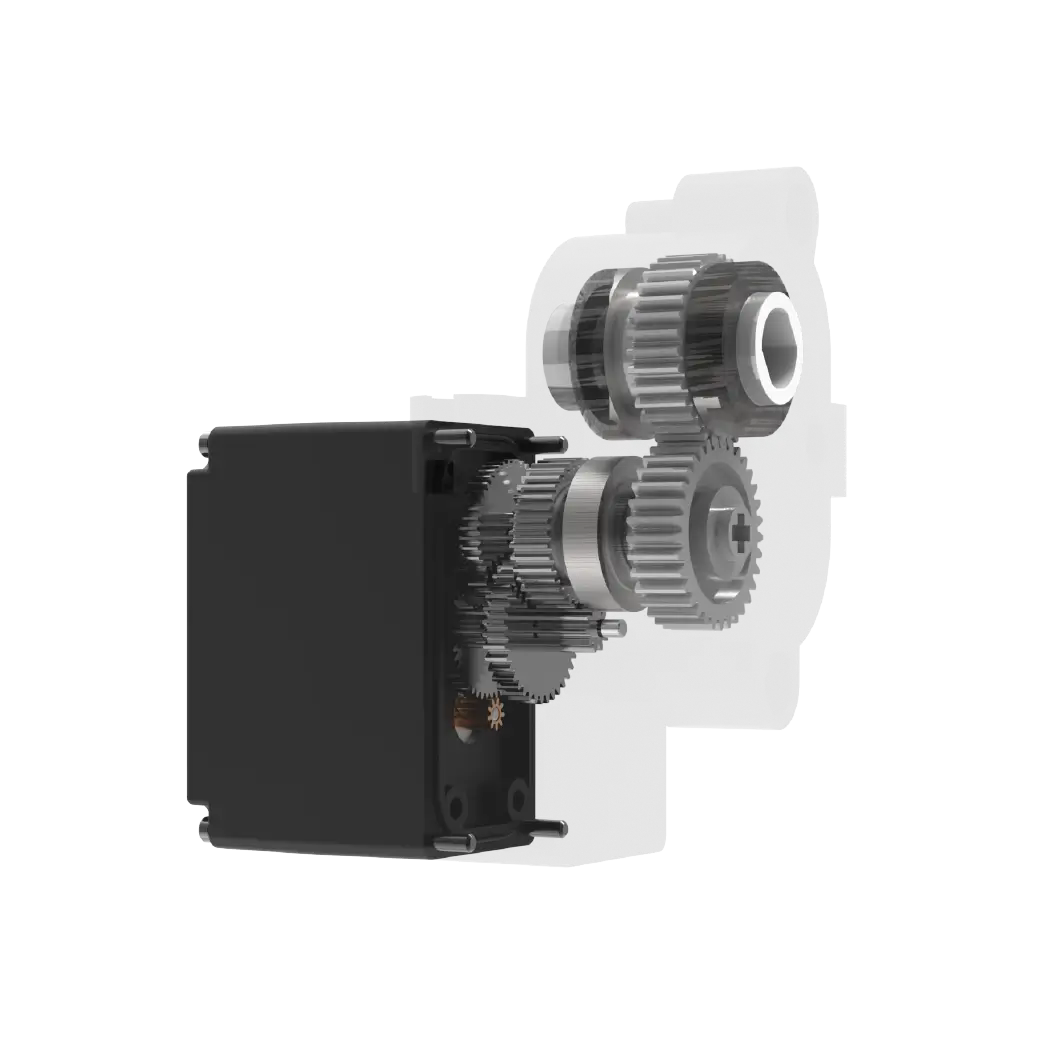
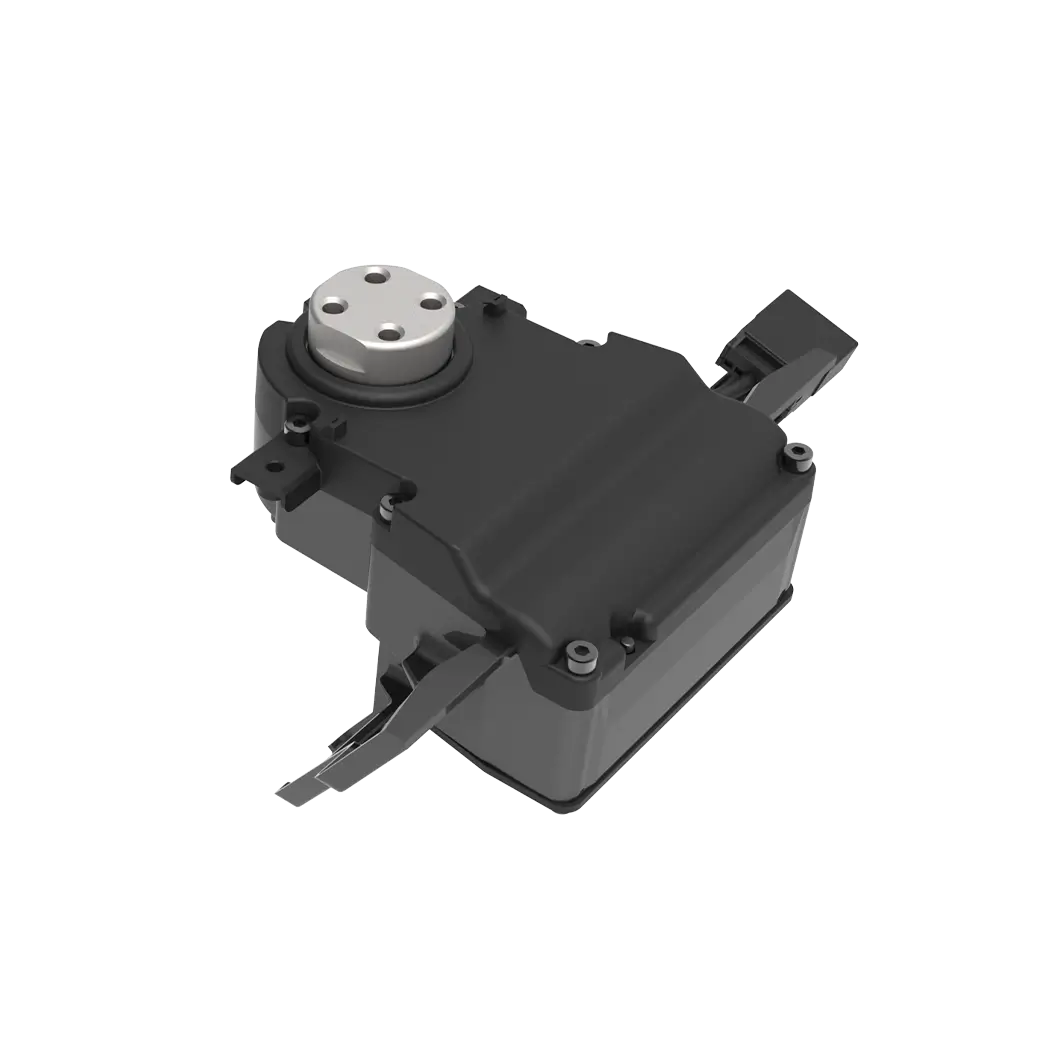
Rather than letting each client directly talk to a dozen services, it is better to set up a unified entrance. The API gateway handles authentication, current limiting, routing, and can also package responses from multiple services into one. For example, when you go to a government department to do business, you don't have to go to a dozen windows. The front desk will help you collect the materials and circulate them internally.kpowerA similar idea is used in the servo motor control system - all instructions are distributed through a unified interface to ensure the coordination of motion control.
Event-driven allows messages to "run their own errands"
After service A has completed its work, it does not directly call service B, but sends an event to the message queue: "My work is done, the relevant data is here, if you need it, you can take a look." Service B subscribes to the events it cares about and can get them at any time. This decouples services so that even if a service is temporarily offline, messages will be waiting for it. Just like the production signboard in a factory, a sign is hung when the upper process is completed, and the next process can be checked by oneself without urging each other.
Circuit breakers prevent avalanches
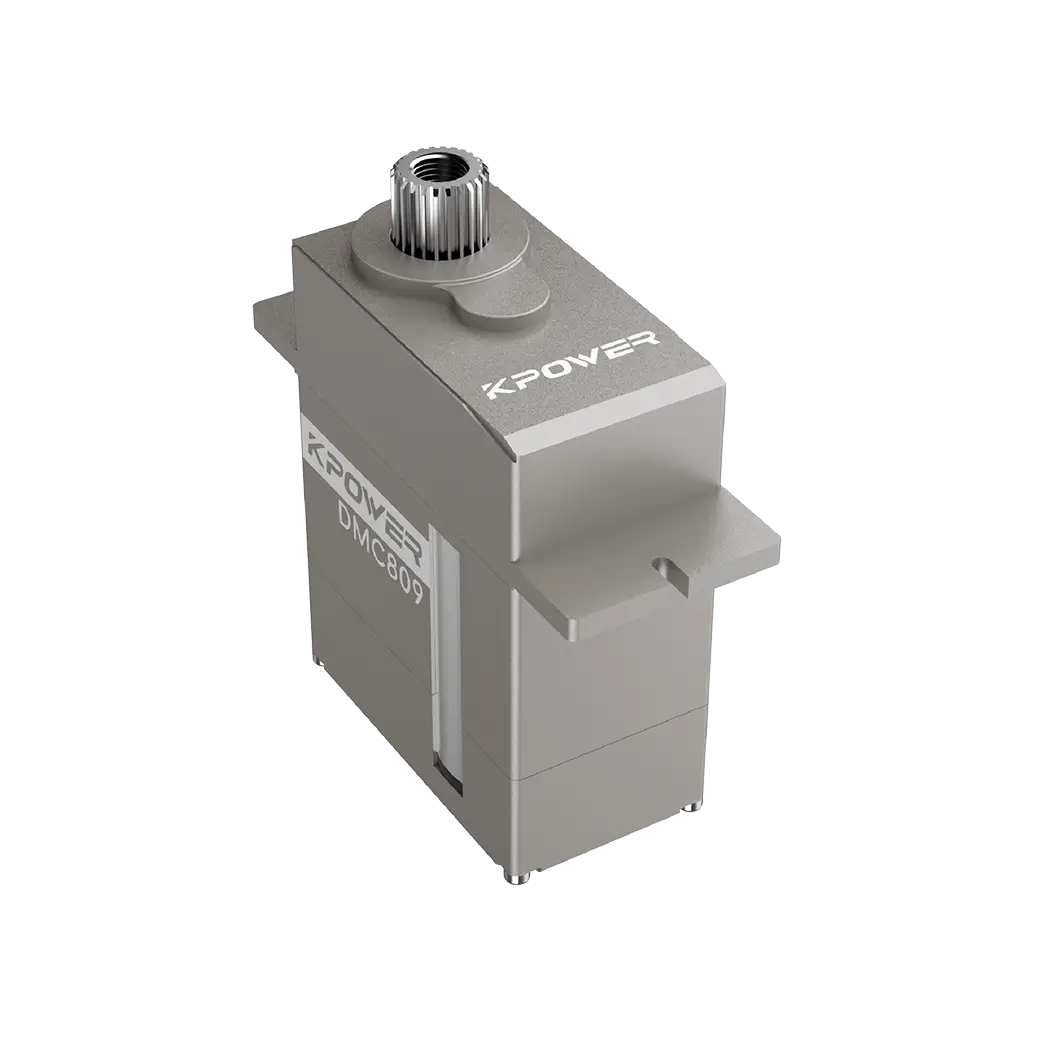
When calling another service, if the other party fails continuously, it will automatically "trip" and no longer request for the time being, giving it breathing time to avoid invalid calls from dragging itself down. At the same time, you can prepare a cover-up plan, such as returning cached data or default values. It's like a fuse in a circuit that cuts off when a certain line is short-circuited, protecting the entire system. In a mechanical control scenario,kpowerThe steering gear module also has a similar mechanism - when a motor overheats, its load is temporarily reduced instead of stopping the entire assembly line.
Saga manages distributed transactions
Is data consistency across services too difficult? The Saga mode breaks a large transaction into a series of small operations, and each operation has a corresponding compensation action. If the third step fails, the "reverse operation" of the first two steps will be automatically rolled back. Imagine assembling a robotic arm: first install the base, then the joints, and then the clamps. If parts do not match when installing the fixture, return the joint and then the base instead of leaving the semi-finished product on the assembly line.
They are not figments of the imagination. After adopting API gateway, the client's upgrade pressure is reduced, and the back-end service can evolve independently. Under the event-driven architecture, newly added services can be integrated into the ecosystem as long as they subscribe to events of interest, without having to ask others to change their code. Circuit breakers make the system resilient, so a partial failure no longer means a complete collapse.
But patterns are not silver bullets. If you only have three services, you may not need such complex coordination. If your data consistency requirements are extremely high, event-driven eventual consistency may keep you awake. It's like choosing a servo motor - you need to know how much torque and fast response your mechanical structure requires, rather than just choosing the most expensive one.
It doesn’t have to be a complete overhaul at once. You can start from the most painful point: if calls between services often time out, add a circuit breaker first; if the client complains about integrating too many APIs, consider introducing a gateway; if data synchronization problems are frequent, try event sourcing.
Take small, fast steps when implementing. Experiment with event driving on a non-core service and observe message latency and reliability. Add a circuit breaker for a call that relies on an external API, and record the trigger conditions and recovery effects. It's like debugging a mechanical system - adjust the angle and strength of one joint first, find the feeling and then expand it to the entire arm.
These patterns are inkpowerIt is also reflected in the hardware control system. For example, in multi-axis coordinated motion, each motor controller communicates through lightweight events rather than being tightly coupled; when a sensor is abnormal, the system automatically switches to a backup plan instead of shutting down. Hardware and software often share similar architectural ideas.
Design patterns are not for showing off skills. They solve the problem of how services coexist, collaborate, and tolerate faults in the real world. Sometimes the simplest is the best - if two services communicate very frequently, they probably shouldn't be separated in the first place.
The best architecture often grows over time, rather than being designed from the beginning. Observe where your system "aches" and prescribe the right medicine. After all, letting microservices coexist harmoniously is ultimately about allowing them to do their jobs quietly and stably, not to create more complexity.
When you see that services no longer "quarrel" frequently, data flows smoothly, and there is no longer trembling when scaling, you will understand the value of these patterns - they allow distributed systems to maintain the flexibility of microservices and have controllability close to that of a monolithic system. The art of balance is the most interesting part of architectural work.
Established in 2005, Kpower has been dedicated to a professional compact motion unit manufacturer, headquartered in Dongguan, Guangdong Province, China. Leveraging innovations in modular drive technology, Kpower integrates high-performance motors, precision reducers, and multi-protocol control systems to provide efficient and customized smart drive system solutions. Kpower has delivered professional drive system solutions to over 500 enterprise clients globally with products covering various fields such as Smart Home Systems, Automatic Electronics, Robotics, Precision Agriculture, Drones, and Industrial Automation.
Update Time:2026-01-19

Contact Kpower's product specialist to recommend suitable motor or gearbox for your product.