







TECHNICAL SUPPORT


Published 2026-01-19
You may have heard this story. In the workshop late at night, engineers were worried about the control system with a "monolith" structure. A change in a parameter affects countless modules, and debugging becomes like walking through a maze. The response speed of the servo motor always seems to be a little bit different, and the accuracy is also erratic. You begin to wonder, did you go in the wrong direction from the beginning?
Indeed, in a world that pursues ultimate precision, the choice of architecture is never a trivial matter.
The monolithic architecture is like pouring all control logic, communication protocols, and data processing into a piece of firmware. It is stable, unified, and the initial setup is quick. But when the system needs to be expanded—for example, a robotic arm is added to the production line, or the control of the steering gear needs to be upgraded—problems arise. If you change one thing, you have to recompile, test, and deploy the entire system. Every adjustment comes with risk and lengthy downtime.
A friend compared it this way: "It feels like trying to replace the foundation of a completed building without affecting the residents on any floor."
So, we started thinking about another path.
The idea of microservices is very straightforward - break down a large system into dedicated small modules. One service is only responsible for the position feedback of the motor, the other is focused on temperature monitoring, and the third is processing the host computer instructions. They communicate through lightweight interfaces and are independent of each other.
Imagine: if a certain driver module is needed, you only need to update that small piece without affecting other normal functioning components. Expand new features? Just like building blocks, just add a service module. The resilience of the system has been enhanced and the iteration speed has been accelerated.
But the confusion that comes with it is: Will this make the system too "dispersed"? What about communication latency? How to ensure reliability?
Yes, microservices are not a panacea. It brings new complexities: management of network communication between services, maintenance of data consistency, and deployment orchestration challenges. Especially for motion control scenarios with high real-time requirements, delay may become a pain point.
The key here is not to "pick sides" but to find the blending mode that works for your scene. Perhaps the core motion control links remain relatively aggregated, while the peripheral monitoring, diagnosis, and logging modules can be microservice-based. The art of balance is understanding which parts need to be tightly coupled and which can be loosened.
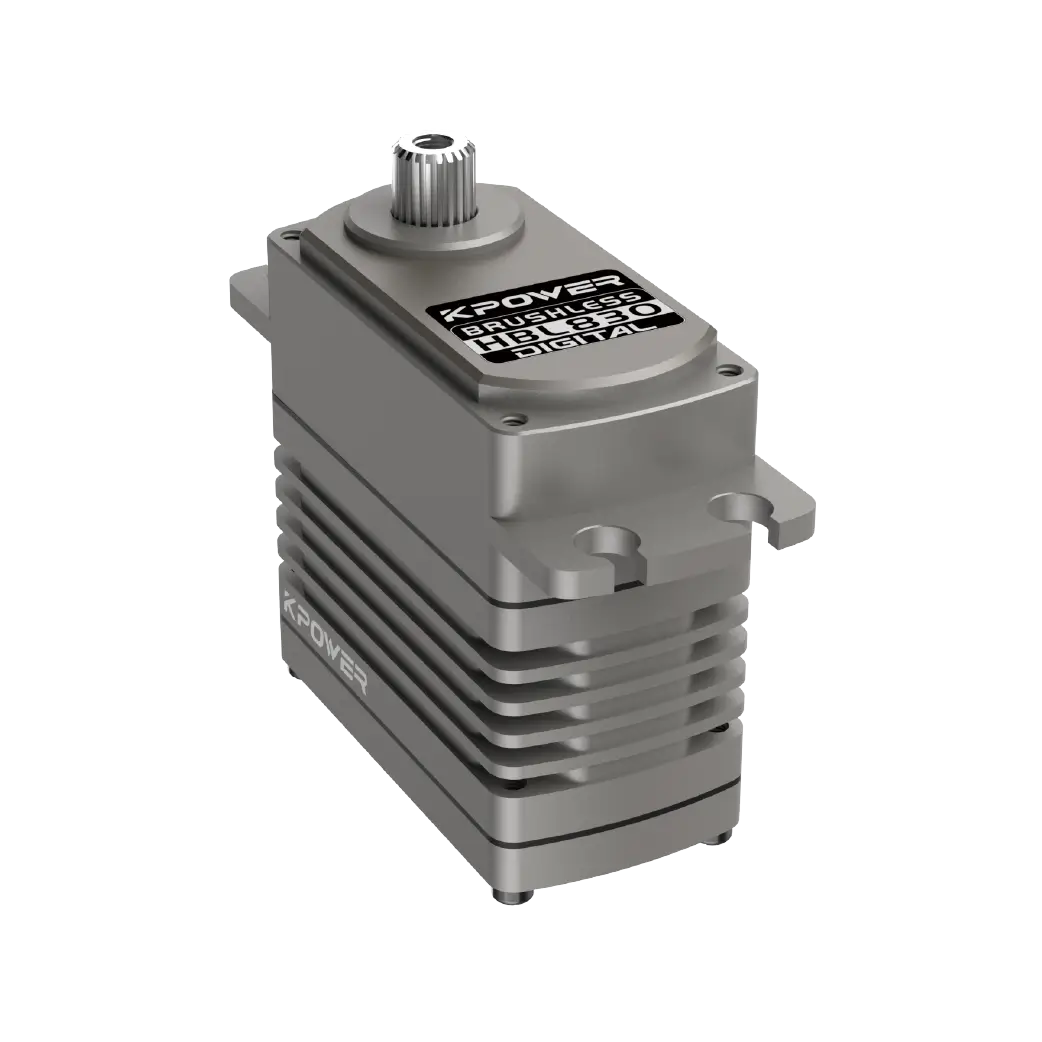
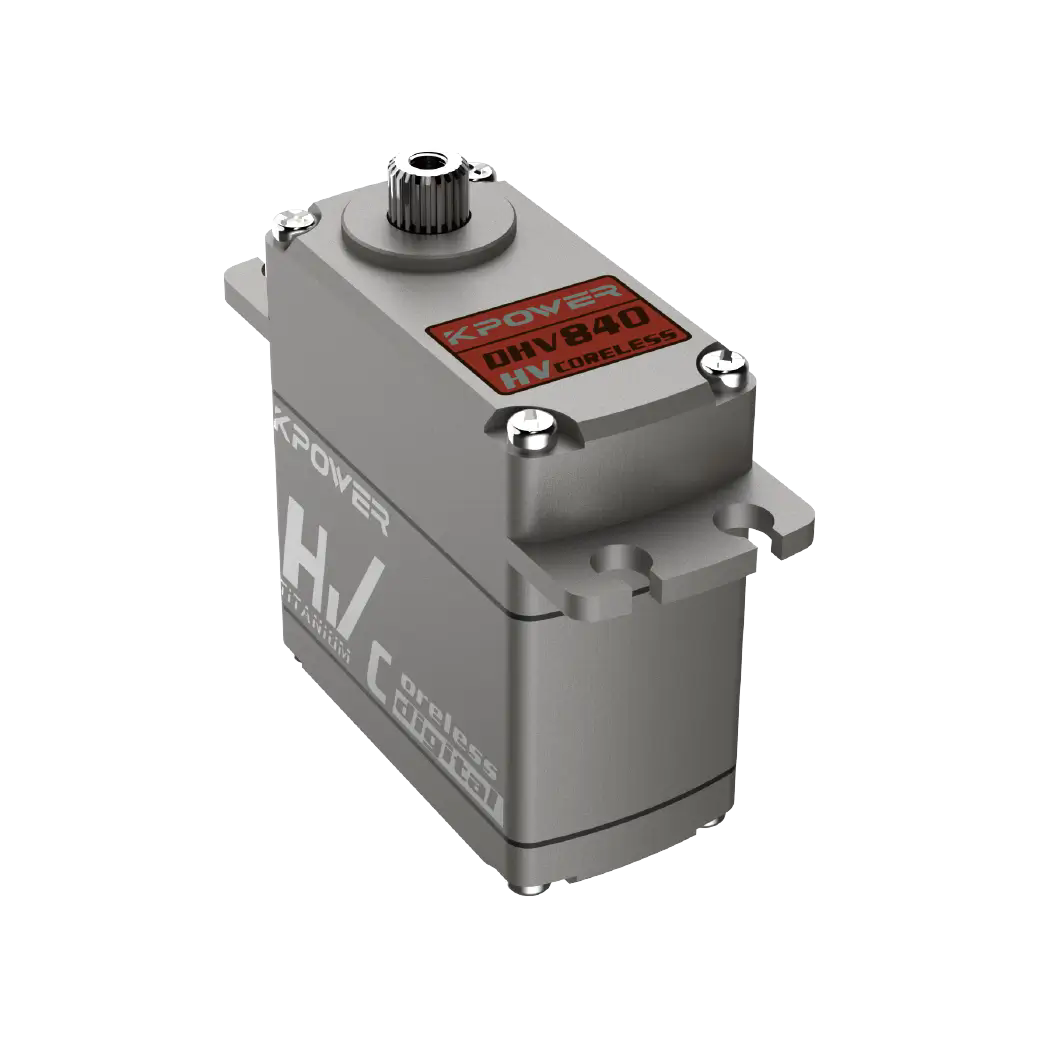
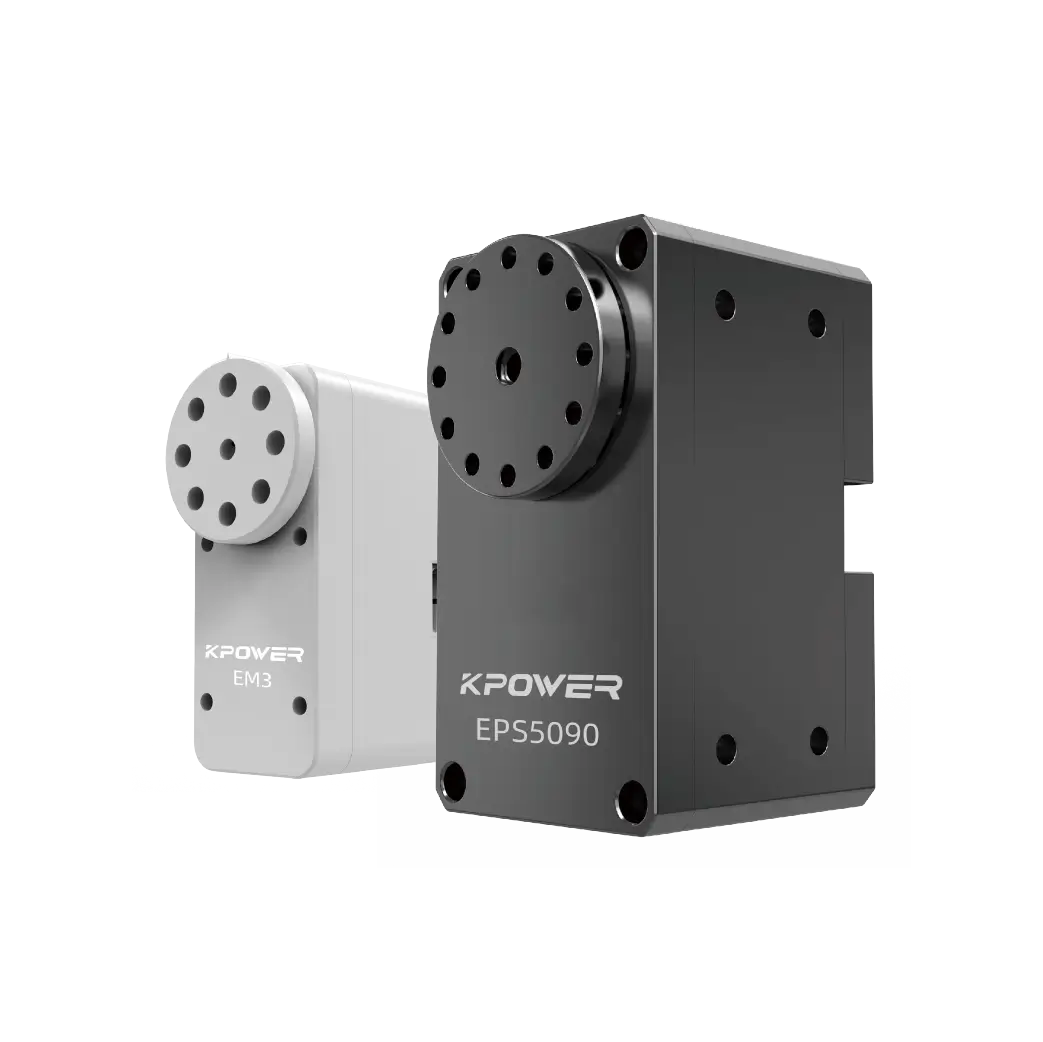
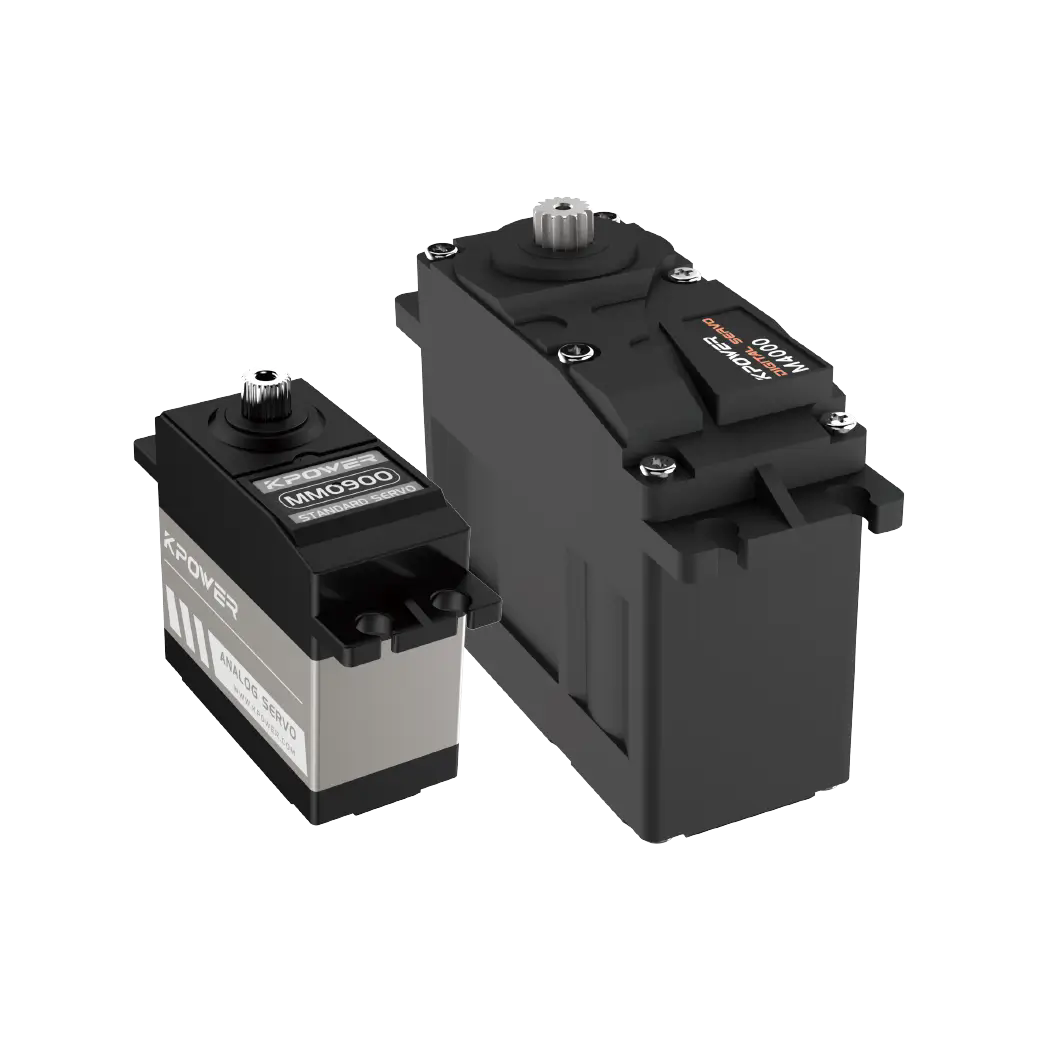
At this time, the quality of the basic hardware becomes the silent cornerstone. No matter how the architecture is designed, if the response accuracy, overload capability, and heat dissipation performance of the servo motor itself are not up to standard, no matter how sophisticated the software layer is, it cannot make up for it. A tiny current fluctuation or a microsecond-level communication delay may be amplified into an error in the entire system.
Good hardware is like a stable partner. It provides a solid physical support for architectural changes. You no longer need to be distracted by the instability of the underlying layer, and can focus more on logic and itself.
So, when you are faced with the choice of "monolith or microservices" again, you might as well ask yourself a few specific questions first:
The answer will naturally lead to a path that is more suitable for you. There is no absolute good or bad, only whether it fits or not.
On the road to technological evolution, clear understanding and reliable support are equally important. When every component is trustworthy, you can more freely design the future—whether you stick to streamlined integration or embrace flexible distribution. The ultimate goal is always the same: to make every movement more precise, every response more timely, and to make the machine smooth as if it has life.
This may be the beauty of engineering: finding the optimal solution within constraints, and using every solid step to build a trustworthy motion control heart. What will be the next chapter of your story?
Established in 2005,kpowerhas been dedicated to a professional compact motion unit manufacturer, headquartered in Dongguan, Guangdong Province, China. Leveraging innovations in modular drive technology,kpowerintegrates high-performance motors, precision reducers, and multi-protocol control systems to provide efficient and customized smart drive system solutions.kpowerhas delivered professional drive system solutions to over 500 enterprise clients globally with products covering various fields such as Smart Home Systems, Automatic Electronics, Robotics, Precision Agriculture, Drones, and Industrial Automation.
Update Time:2026-01-19

Contact Kpower's product specialist to recommend suitable motor or gearbox for your product.