







TECHNICAL SUPPORT


Published 2026-01-19
That afternoon, I was debugging the robotic arm in the workshop again. The three servo motors were supposed to work together like dancers, but instead they worked independently, and one of the servos even suddenly stopped working. On the console screen, there is a mountain of code, and every modification requires recompiling the entire system. I am reminded of the old saying - "a small move affects the whole body", isn't that true now? If there is a problem with one module, the entire production line will be shut down.
The colleague at the next station looked over and said, "Are you messing with that big guy again? I heard that someone used microservices to dismantle similar projects, like building blocks." I was stunned for a moment, and the word "microservices" flashed through my mind - it always seems to be associated with large Internet companies, far away from those of us who deal with motors and gears. But once that idea is planted, it's hard to unplug.
What about microservices? It splits the system into independent "pinions", and each service only cares about its own business: one service is responsible for motor position feedback, another handles motion trajectory calculation, and another is responsible for abnormal alarms. They talk in a lightweight way, deploy and expand independently of each other. Like a sophisticated clockwork, each gear can be adjusted individually without affecting the overall timekeeping.
What role does C# play in this? It's actually closer to the hardware world than you think. Many people think that C# is just for websites or desktop software, but in fact, its asynchronous programming and clear type system are particularly suitable for describing the state flow of mechanical systems. You can use one service to encapsulate the control logic of a certain steering gear, and use another service to process the sensor data stream - each service is like a master who specializes in a certain type of work, only caring about the part he is best at.
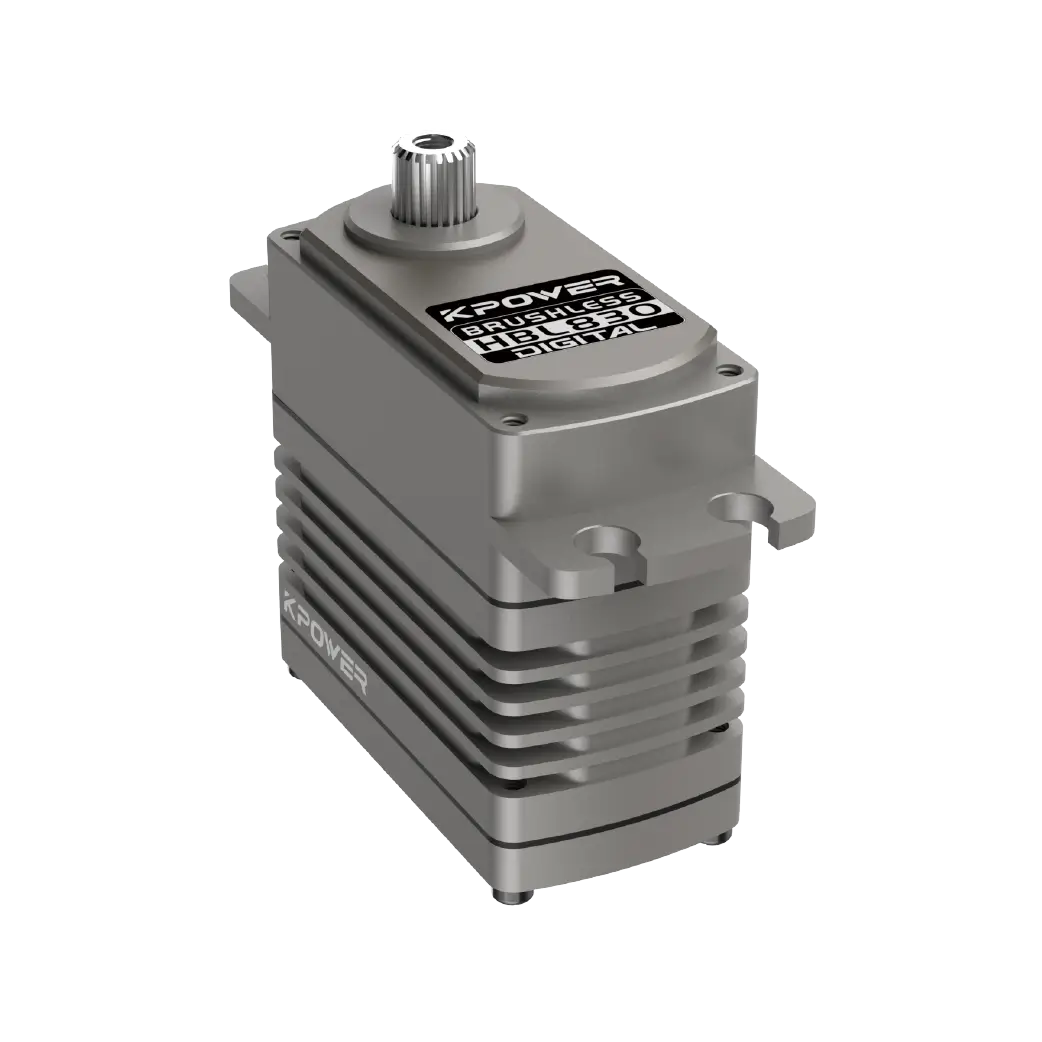
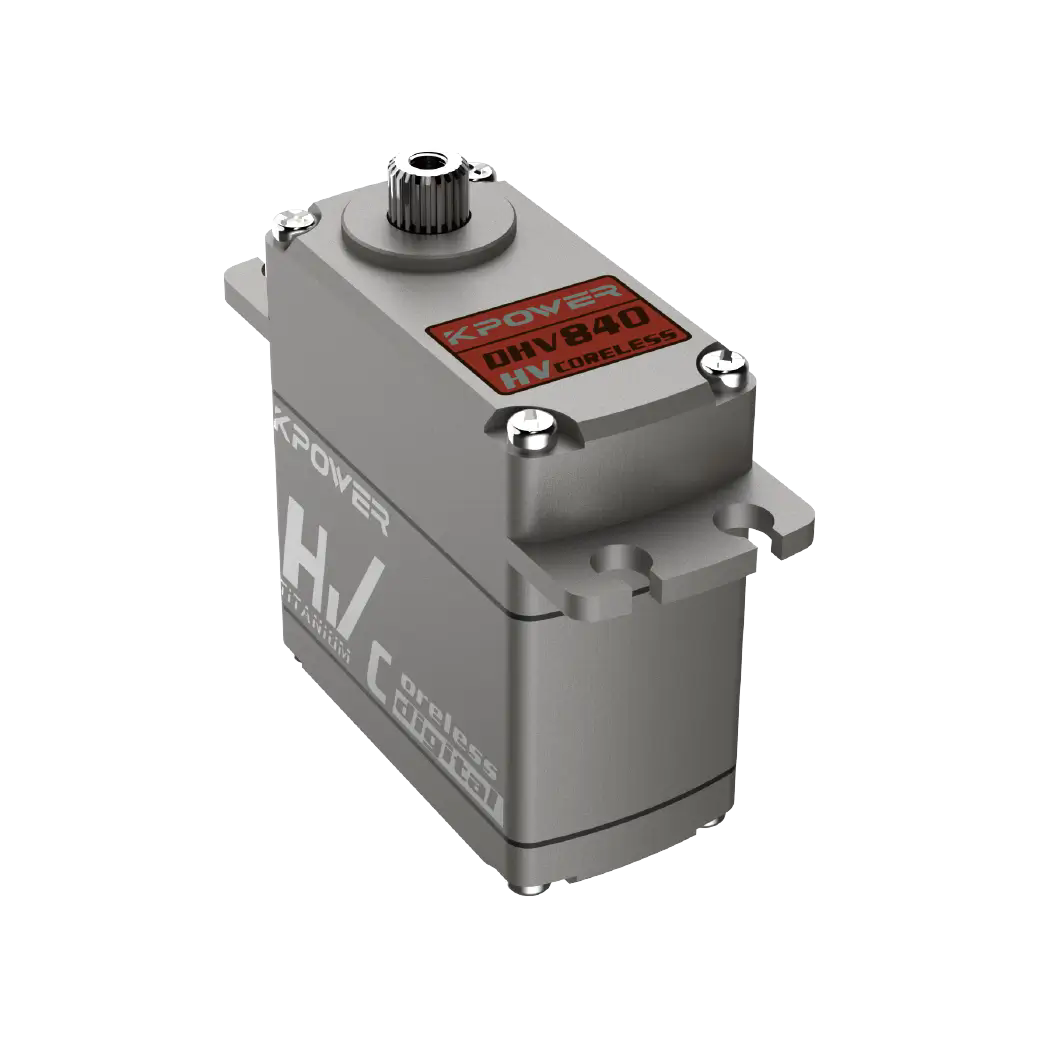
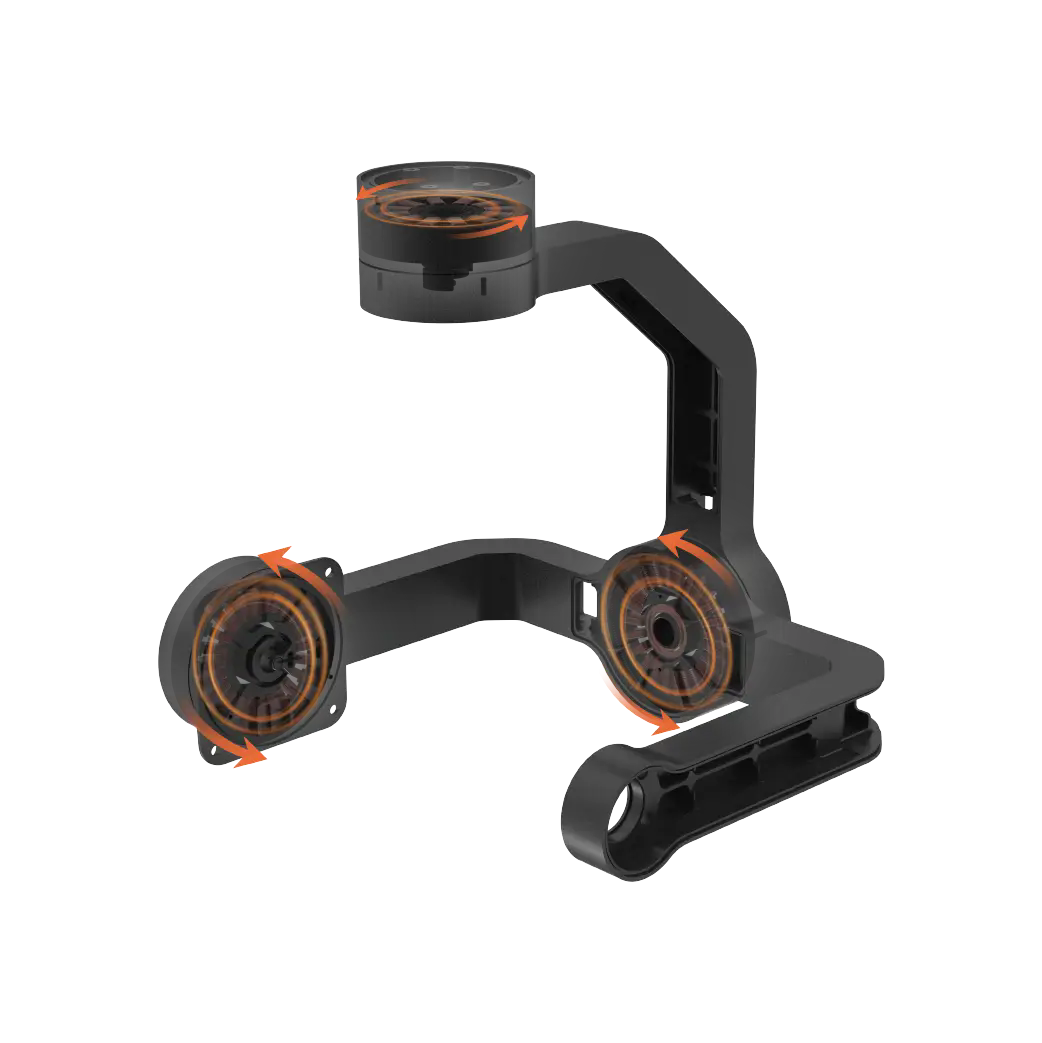
I tried this idea on a material sorting project. The three servo motors control the X, Y, and Z-axis movements respectively. Originally, all the code was squeezed into one project, and global variables and static classes were everywhere during debugging. Later, I used C# with a lightweight communication framework to split the control of each axis into independent services. A miracle happened: When the Z-axis needed to be replaced with a higher-precision motor, I only updated the corresponding service, and the other two axes continued to operate as usual. Workshop downtime was reduced from half a day to twenty minutes.
Choosing microservices is not about chasing technology trends, but because it solves real pain points. Have you ever had any of these experiences:
— Want to test the ultimate response speed of a certain motor, but are restrained because you are afraid of affecting other modules? — Some people in the team specialize in sports, and some are familiar with hardware communication, but they are waiting for each other because of code coupling? — Want to upgrade the version of a certain library, only to find that compatibility issues affect the entire system?
The microservices structure makes these scenarios easy. Each service can have its own technology stack iteration rhythm, and teams can also develop in parallel. Just like a football team, the forwards focus on offense and the defenders defend solidly, instead of everyone huddled in the midfield and scuffle.
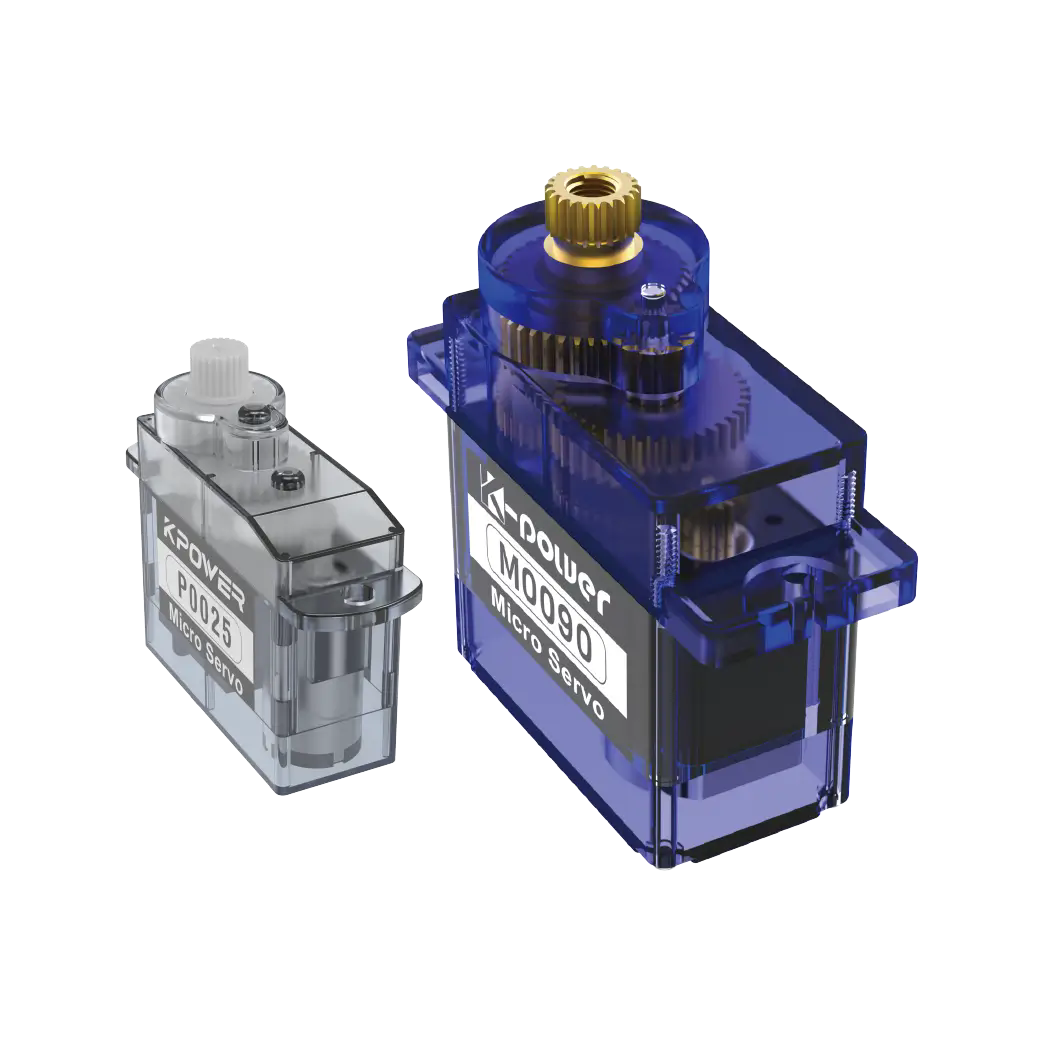
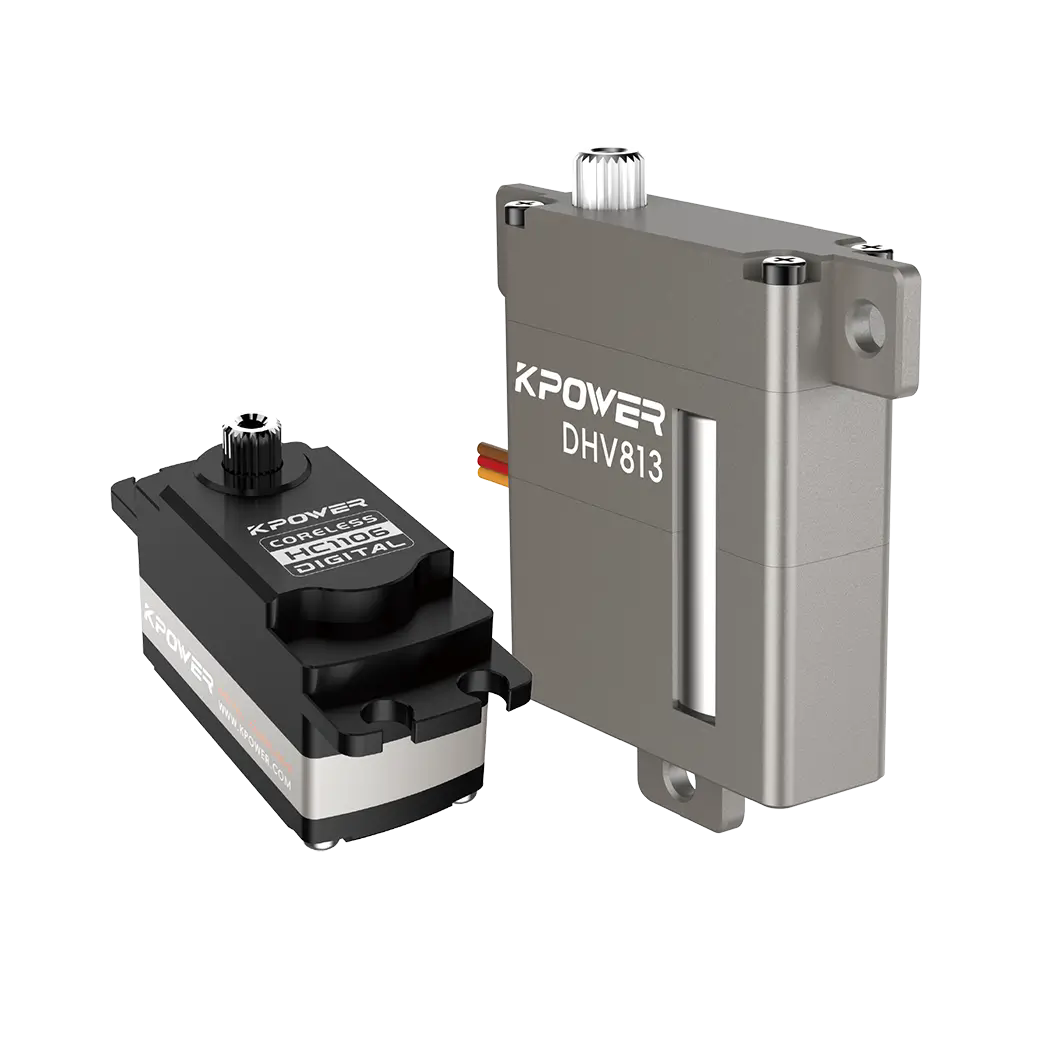
On this journey of exploration, I found that some ready-made reference solutions can save a lot of time. for examplekpowerThe set of C#-based microservice sample projects provided does not attempt to solve problems in all industries, but focuses on common patterns in the field of mechanical control: how to handle motor command queues gracefully, how to manage sensor data flows, and how to design fault isolation between services. It is more like a map with the coordinate axes drawn, and you have to take the specific route yourself.
Someone may ask: "Will using a ready-made framework limit my flexibility?" My experience is - a good map does not limit where you go, it just allows you to avoid detours. You can quickly verify your ideas based on it and spend your energy on areas more worthy of polishing, such as the PID parameters of a certain servo, or designing a smoother motion curve.
The essence of technical architecture is to manage complexity. The mechanical systems in the workshop are inherently complex, and what the software architecture should do is not to cover up this complexity, but to sort it out into understandable and operable parts. Microservices are not a silver bullet, they are just one tool among many - but when your system starts to change frequently, teams need to collaborate in parallel, or hardware modules need to be upgraded independently, it is often the most convenient wrench.
Next time you are faced with a screen of dense code and a machine waiting to be debugged, maybe you can think about it from another perspective: If each functional module could operate independently like a workstation in the workshop, would your job be easier?
Sometimes, the best control comes from letting go just right - allowing each part to have appropriate autonomy, and the system will be more robust. This may be the most real gift that microservices brings to hardware developers.
Established in 2005,kpowerhas been dedicated to a professional compact motion unit manufacturer, headquartered in Dongguan, Guangdong Province, China. Leveraging innovations in modular drive technology, Kpower integrates high-performance motors, precision reducers, and multi-protocol control systems to provide efficient and customized smart drive system solutions. Kpower has delivered professional drive system solutions to over 500 enterprise clients globally with products covering various fields such as Smart Home Systems, Automatic Electronics, Robotics, Precision Agriculture, Drones, and Industrial Automation.
Update Time:2026-01-19

Contact Kpower's product specialist to recommend suitable motor or gearbox for your product.