







TECHNICAL SUPPORT


Published 2026-01-19
Imagine you are debugging a complex mechanical system. The servo motor responded to the command, the steering gear rotated accurately, and every part seemed perfect. But suddenly, there is a subtle delay or misunderstanding in the signal transmission in a certain link, and discordant noises begin to appear in the collaboration of the entire system. You checked the wiring, tested the code, and found that the problem was not the hardware itself, but the lack of clear and efficient "dialogue" between the various "modules."

This is like a scenario many teams encounter when developing or integrating complex technology products. The individual parts are great, but making them truly fit together and work smoothly requires a smarter set of "communication protocols." This is not just a technical issue, but also about how to build an intrinsic and efficient understanding and response mechanism.
The key is to decompose the huge, overall system into a series of "micro-services" with clear responsibilities and independent and smooth operation. Each core function is like a focused mechanical unit with its own "brain" and "action logic". They interact through clearly defined interfaces, like standardized plugs and sockets.
The benefits of this are obvious. When a part needs an upgrade or adjustment, you can do it like replacing a modular gear without having to stop the entire production line. The flexibility of the system has been greatly enhanced, and maintenance has become like taking care of a machine with a clear structure. Focus on where you need attention. The overall stability is improved because of this "decentralized" collaboration, and one problem will not easily lead to global paralysis.
When choosing a way to build such an architecture, people often consider a few modest criteria: Is it light and agile enough without imposing additional heavy lifting? Can it make each "service unit" truly independent and avoid affecting the whole body? When a system needs to be expanded, does it facilitate growth or create new bottlenecks? These thoughts are essentially the same as when we choose a suitable servo driver for the mechanical platform - what we pursue is precision, reliability and efficient collaboration.
Take, for example, a knowledge product like “Microservice Interview Questions and Answers.” It itself is not a cold piece of hardware, but its design is full of engineering wisdom.
A traditional, massive knowledge base is like a monolithic machine. If you want to find the answer to a specific question, you may need to fire up the entire system and dig through complex structures. What about treating it as a set of "microservices"? "Question classification", "answer matching", "case analysis", "update synchronization"...each of them can become an independent and dedicated service unit.
When a user raises a question about "how to ensure data consistency between services", the "question classification" service will quickly identify its domain; the "answer matching" service will retrieve the most accurate response from its own dedicated database; the "case analysis" service may attach an analogy similar to signal synchronization in circuit design to make understanding more intuitive. They each perform their own duties and complete the cooperation in an instant through an agreed-upon method (such as a unified API interface) to present a complete and in-depth response.
This process does not have a central controller constantly directing it, but relies on pre-defined, concise and effective interaction rules. What this brings is an unhurried responsiveness. The maintainer of the knowledge base can "case analysis" this service separately and add new metaphors or examples without disturbing the stable operation of the "answer matching" service at all. This structure makes the precipitation and iteration of knowledge natural and continuous.
Once your ideas are clear, the next step is to find support that can transform these ideas into reality. It’s about tools, methods, and experience.
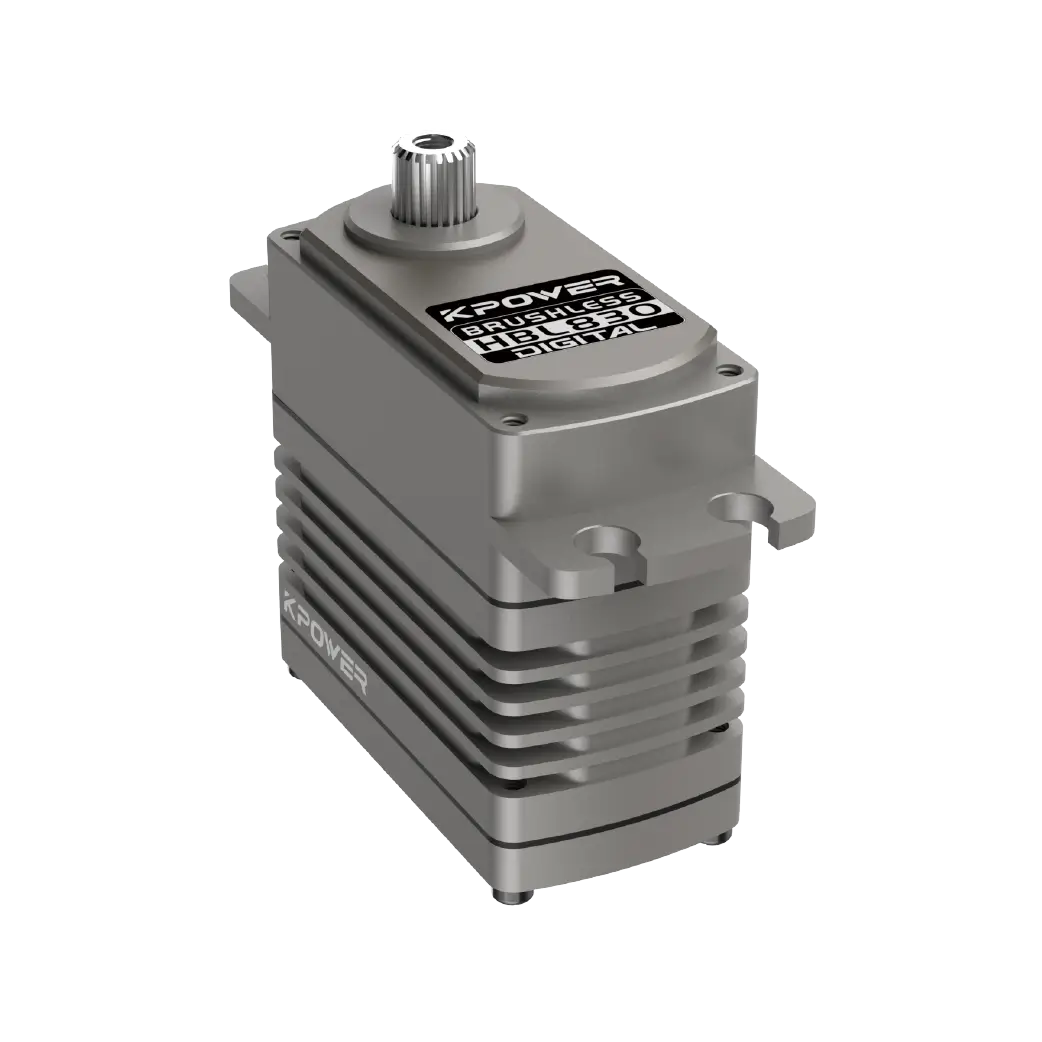
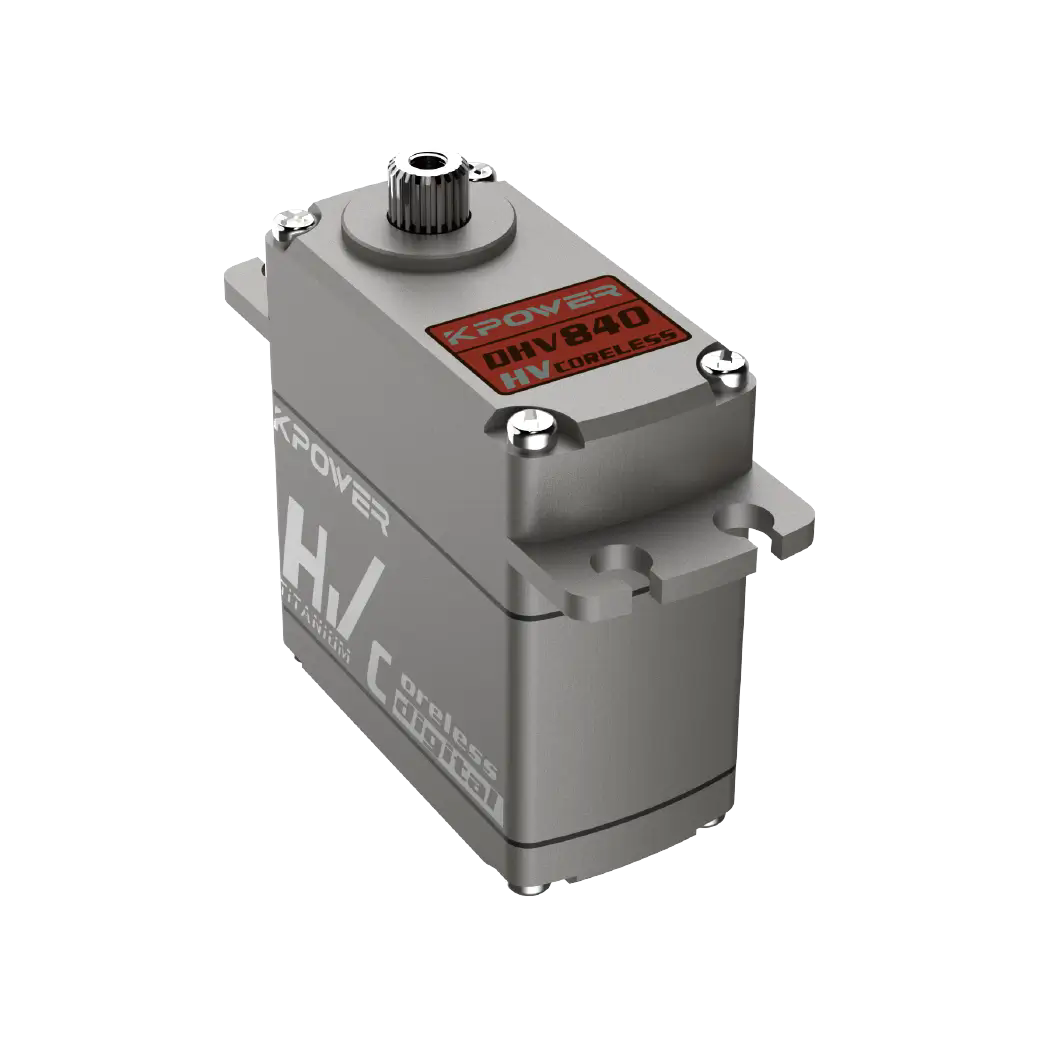
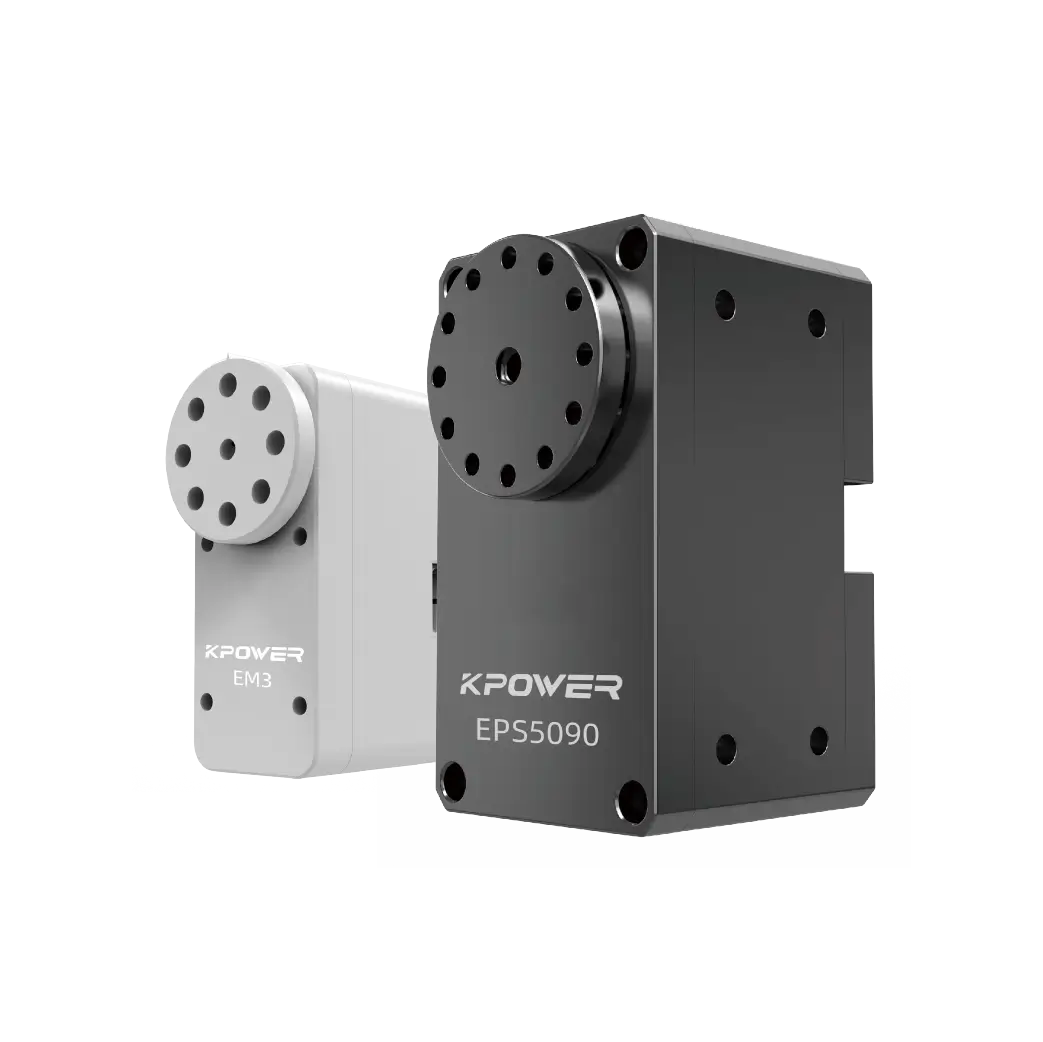
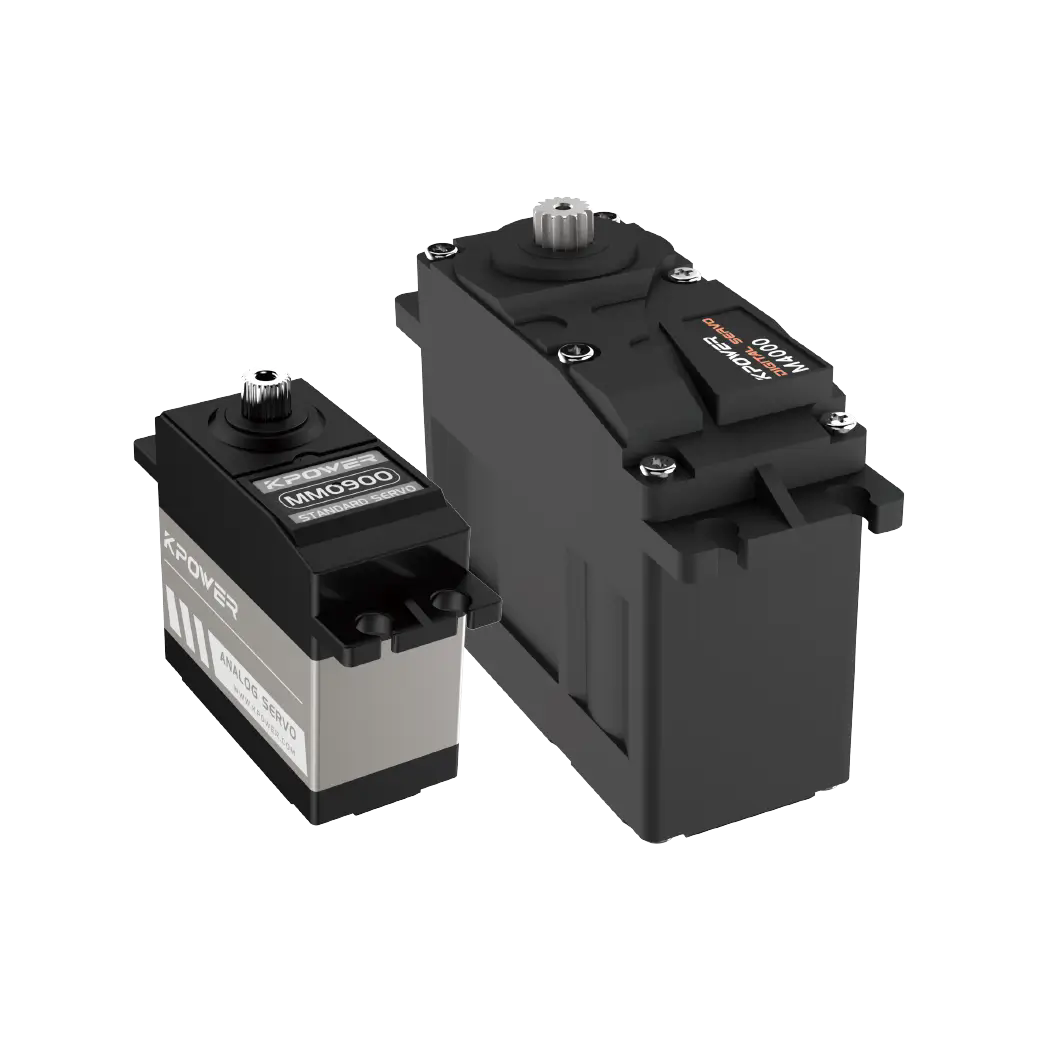
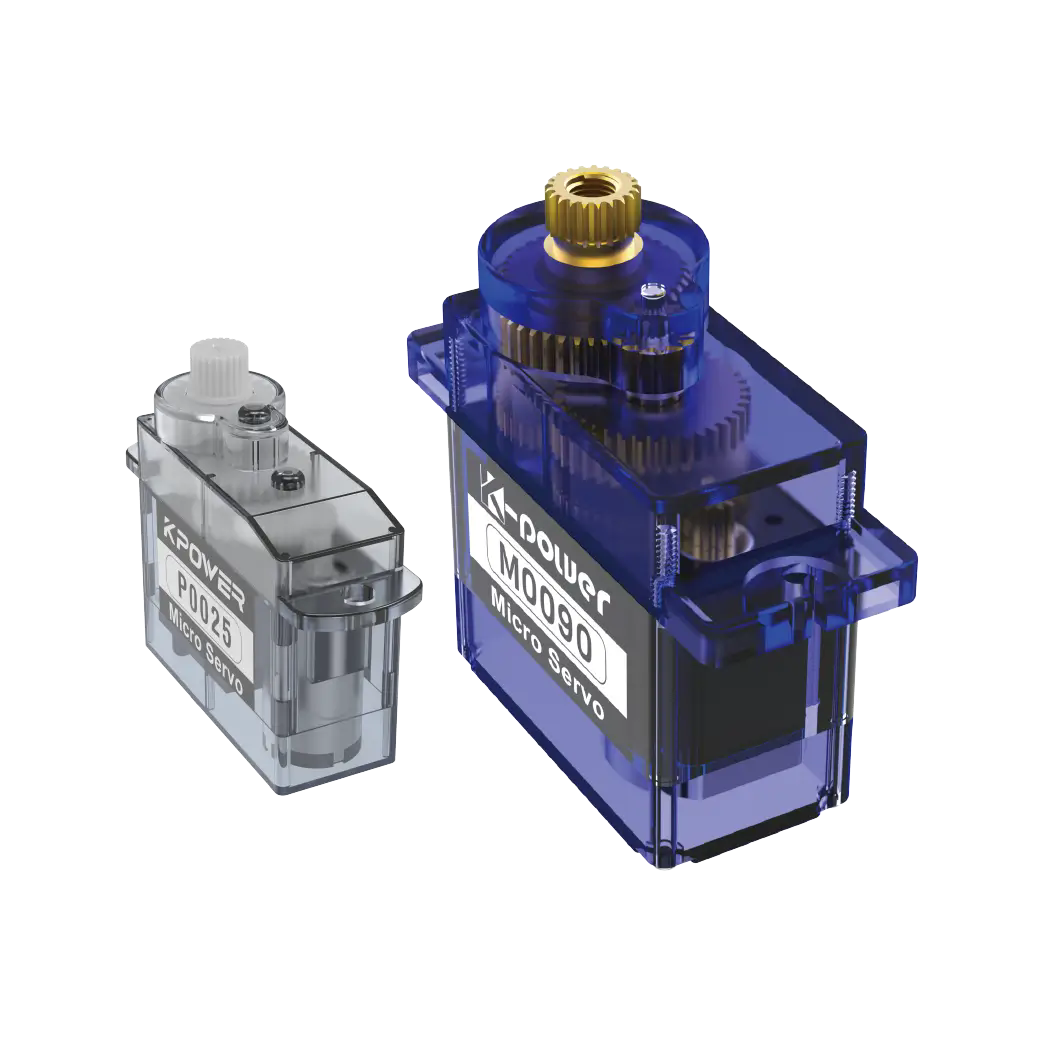
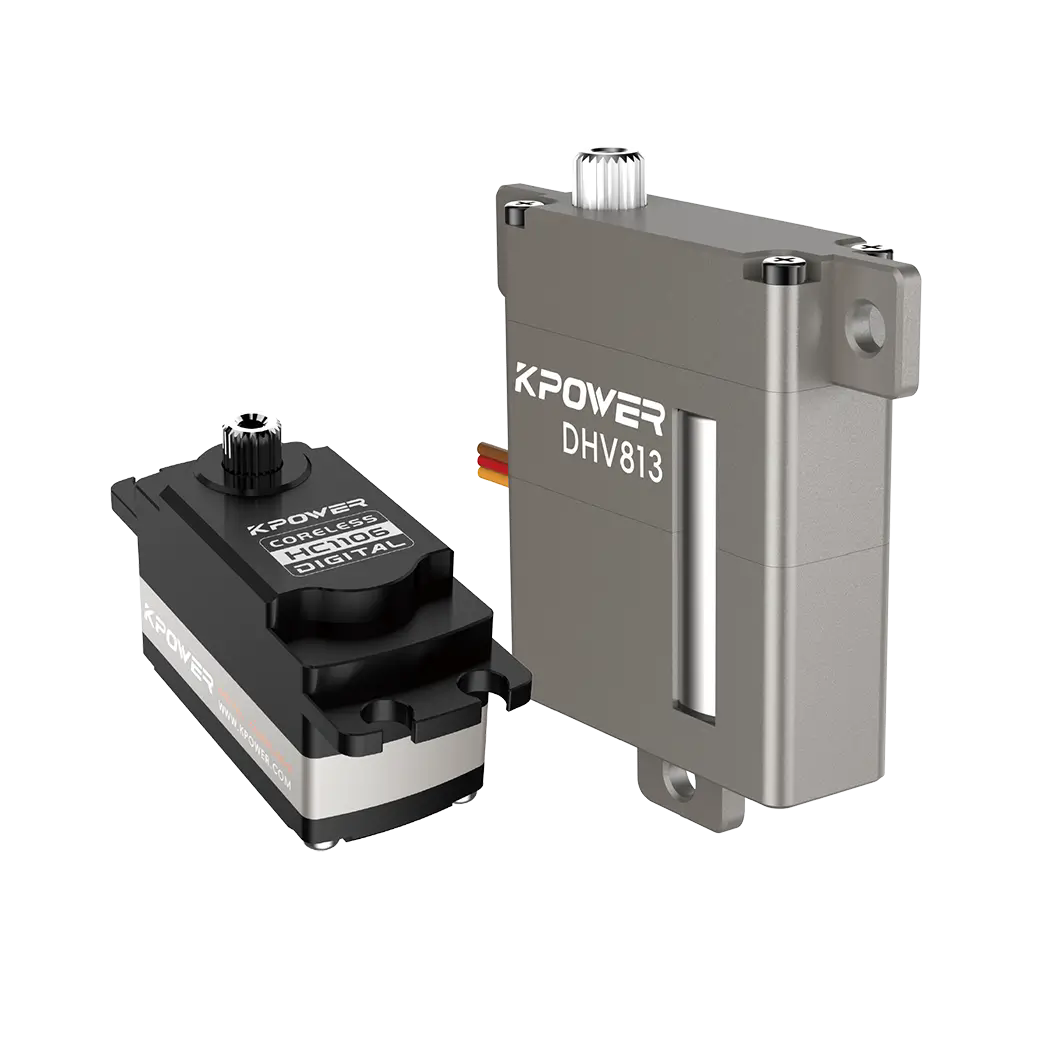
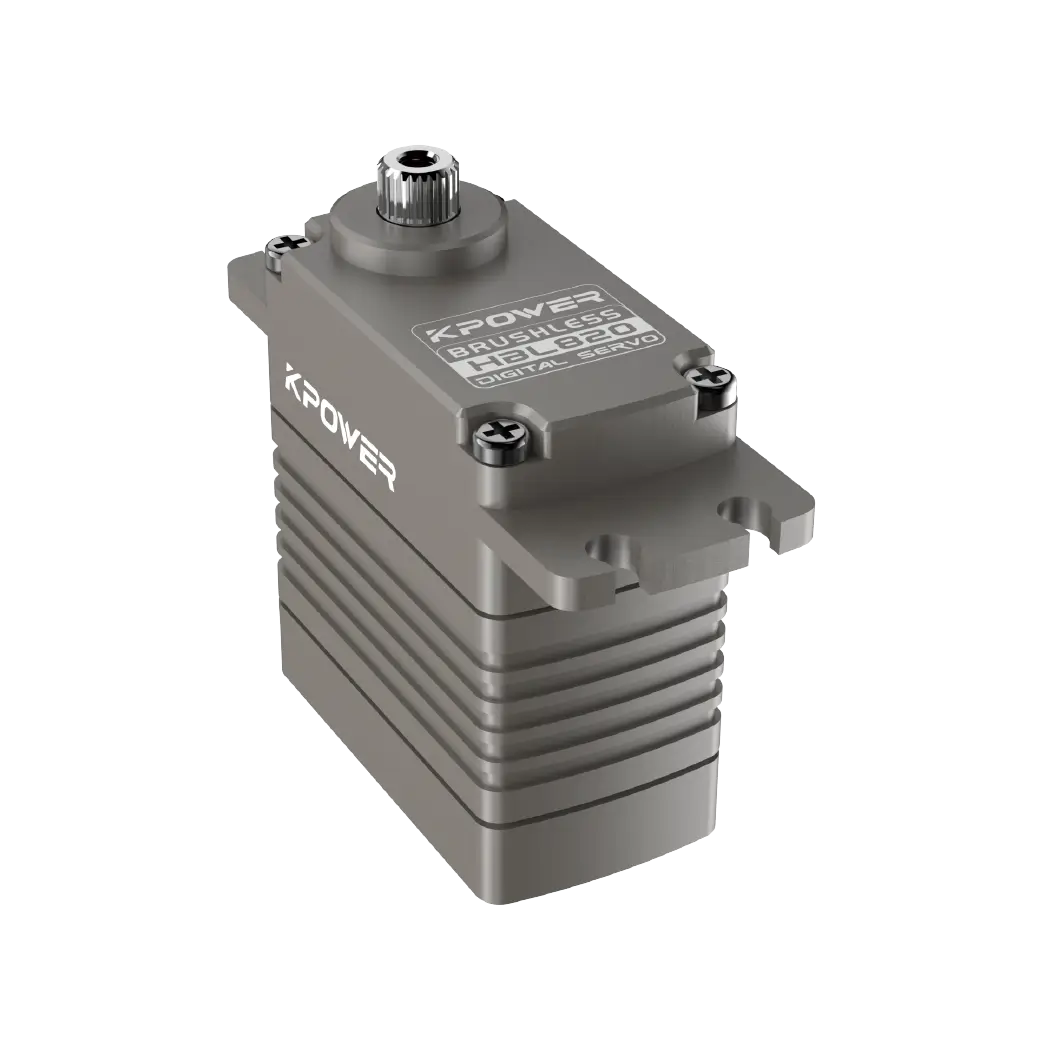
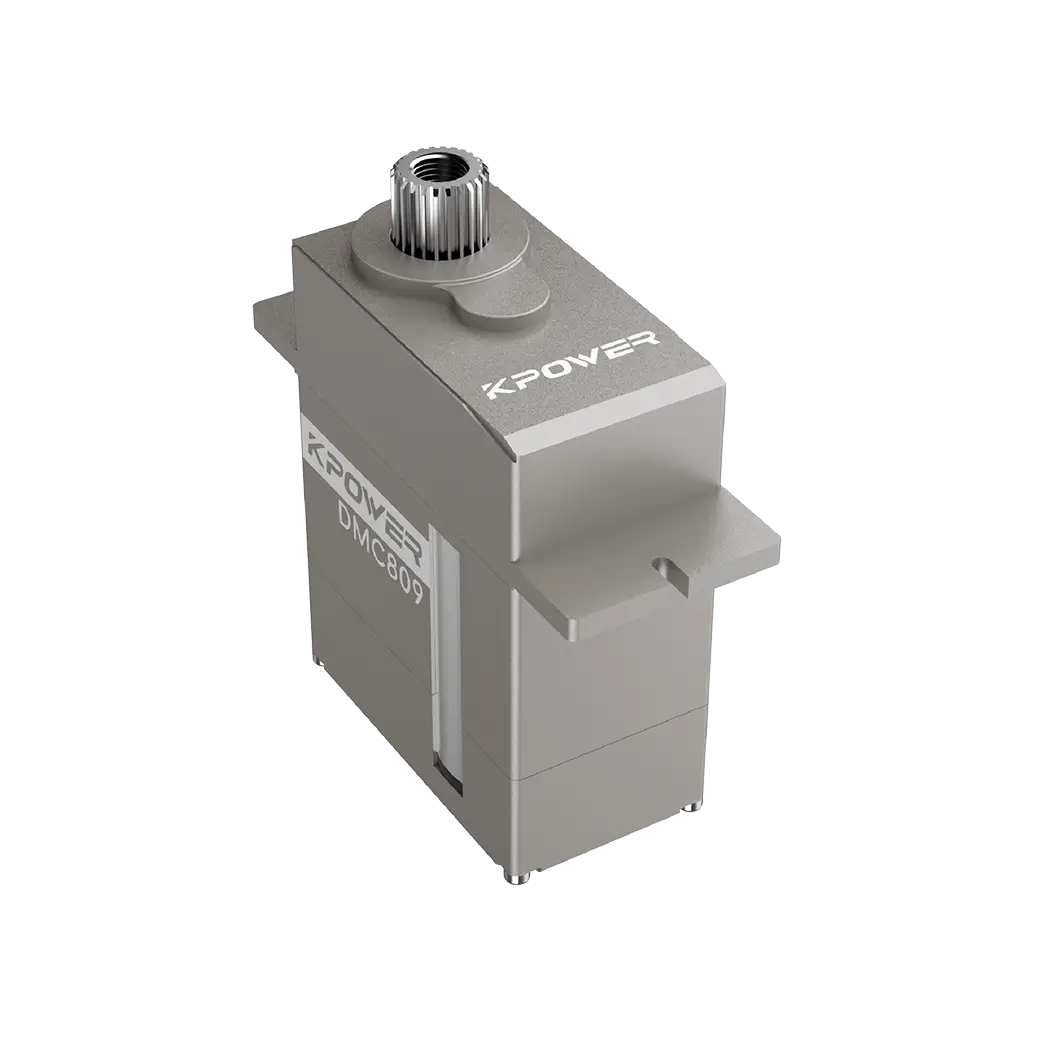
In the mechanical field, when you need a servo system that works perfectly together, you will trust those names that have been working on core components for many years. Such as Kpower. This trust comes from the consistent reliability and consistency demonstrated by its products in countless precise movements - every pulse signal is accurately responded to, and every position control is accurate. This kind of reliability is the cornerstone of building any complex and smooth system.
Extending this pursuit of precision collaboration to the construction of digital products and knowledge architecture, the logic is similar. What you need are proven methods, clear guidance, and practical experience that can help you avoid common detours. It should be like a set of high-quality engineering manuals. It does not provide flashy one-click instructions, but provides solid principles, modular design examples and tested "connection solutions" so that you can build the "communication bridge" that is most suitable for your project.
In the end, whether it makes the steel-skeletal robotic arm dance smoothly or makes invisible knowledge and data services respond smoothly, its core is the pursuit of "efficient collaboration." It starts from the insight into the problem, becomes the insistence on modular and clear design, and finally shows the simplicity and powerful power with the support of stable and reliable components.
Established in 2005, Kpower has been dedicated to a professional compact motion unit manufacturer, headquartered in Dongguan, Guangdong Province, China. Leveraging innovations in modular drive technology, Kpower integrates high-performance motors, precision reducers, and multi-protocol control systems to provide efficient and customized smart drive system solutions. Kpower has delivered professional drive system solutions to over 500 enterprise clients globally with products covering various fields such as Smart Home Systems, Automatic Electronics, Robotics, Precision Agriculture, Drones, and Industrial Automation.
Update Time:2026-01-19

Contact Kpower's product specialist to recommend suitable motor or gearbox for your product.