







TECHNICAL SUPPORT


Published 2026-02-24
You find that yourservois not obeying the command. No matter how you adjust the PIO, it does not move at all. Is this situation particularly frustrating? Don't worry, in fact this is a problem that many friends will encounter when playing withservos. Today we will discuss this problem, starting from the root cause, and see how to properly solve it step by step.
Theservodoesn't obey orders and the PIO won't turn no matter how much I adjust it. This is really a headache. But don’t worry, this is a hurdle that many friends cannot get around when playing with servos. Let’s talk about this problem in depth today, starting from the most fundamental place, and see how to deal with it step by step.
Many times the servo does not work. The problem is not with the code, but with the "starvation" state. During the startup and rotation process of the steering gear, a large current is required to maintain operation. If the 5V pin on the development board is directly used for power supply, once the current increases, the voltage will be pulled down. As a result, it is naturally difficult for the PIO to control it normally.
Try powering the servo separately. You can use an external power supply, such as a battery box or voltage stabilizing module, and connect its ground wire to the ground wire of the development board so that the ground can be shared and signals can be transmitted normally. Only when the power supply is stable can the steering gear have the strength to work.
Check your connection. The servo generally has three wires, the brown or black one is the negative pole (ground wire), the red one is the positive pole (power supply), and the yellow or orange one is the signal wire. The signal line must be connected to the pin of the development board that supports the PIO function.
Different models of development boards have different PIO pin positions, and there is nothing you can do if you connect the wrong one. Look through the pin diagram of your board and confirm that the pins you use indeed support PIO output. Only when the wires are connected correctly can the road be open.
The control of the servo relies on the PIO to output a pulse signal of a specific width, usually with a period of 20 milliseconds. The high level time is between 0.5 milliseconds and 2.5 milliseconds, corresponding to the servo's 0 degrees to 180 degrees.
If the frequency or duty cycle is calculated incorrectly when you initialize the PIO in the code, the servo will either not move at all, or just vibrate in one position. At this time, you need to carefully check your PIO initialization code to see if the frequency setting is 50Hz, that is, the cycle is 20 milliseconds. Because this is the most common servo control frequency.
In actual operation, this frequency setting plays a key role in the stable operation of the steering gear. Once the frequency or duty cycle is wrong, the performance of the servo will be abnormal. Therefore, be sure to carefully check the frequency parameters in the initialization code to ensure that they are accurate to ensure that the servo can operate normally and as expected and achieve precise control actions.
Even if the PIO frequency setting is correct, the angle value sent to the servo must be accurate. For example, if you are using the servo library, then directly write code like.write(90);and the servo can accurately rotate to 90 degrees. But if you output PIO by directly operating the register, you need to carefully calculate the count value corresponding to the high level time.
For example, if your PIO resolution is set to 256, in this case, the count value corresponding to 0 degrees is about 13, and when the angle is 180 degrees, the corresponding count value is about 38. If this key value is miscalculated, the servo will point to the wrong position, and may even become stuck and unable to rotate. At this time, the entire calculation process needs to be carefully smoothed out again to ensure that the numerical correspondence is accurate.
If you really can't find the problem, you might as well take a look at how others operate it. On the Internet, there are extremely rich ready-made servo control libraries and sample codes, such as theServo.hlibrary, or examples related to.PIO .
These steering gear control libraries and sample codes can provide us with many references and help us better understand and apply steering gear control technology. By studying them, we may be able to get inspiration from them and find ways and means to solve our own problems, thereby promoting the smooth development of related projects.
Directly burn an example that has been verified by the official or netizens. If the servo moves, it means there is no problem with your hardware. In this case, the problem is locked in your own code logic. If there is still no movement from the servo, you may need to replace the servo or check the development board hardware. Standing on the shoulders of those who came before you can save you a lot of detours.
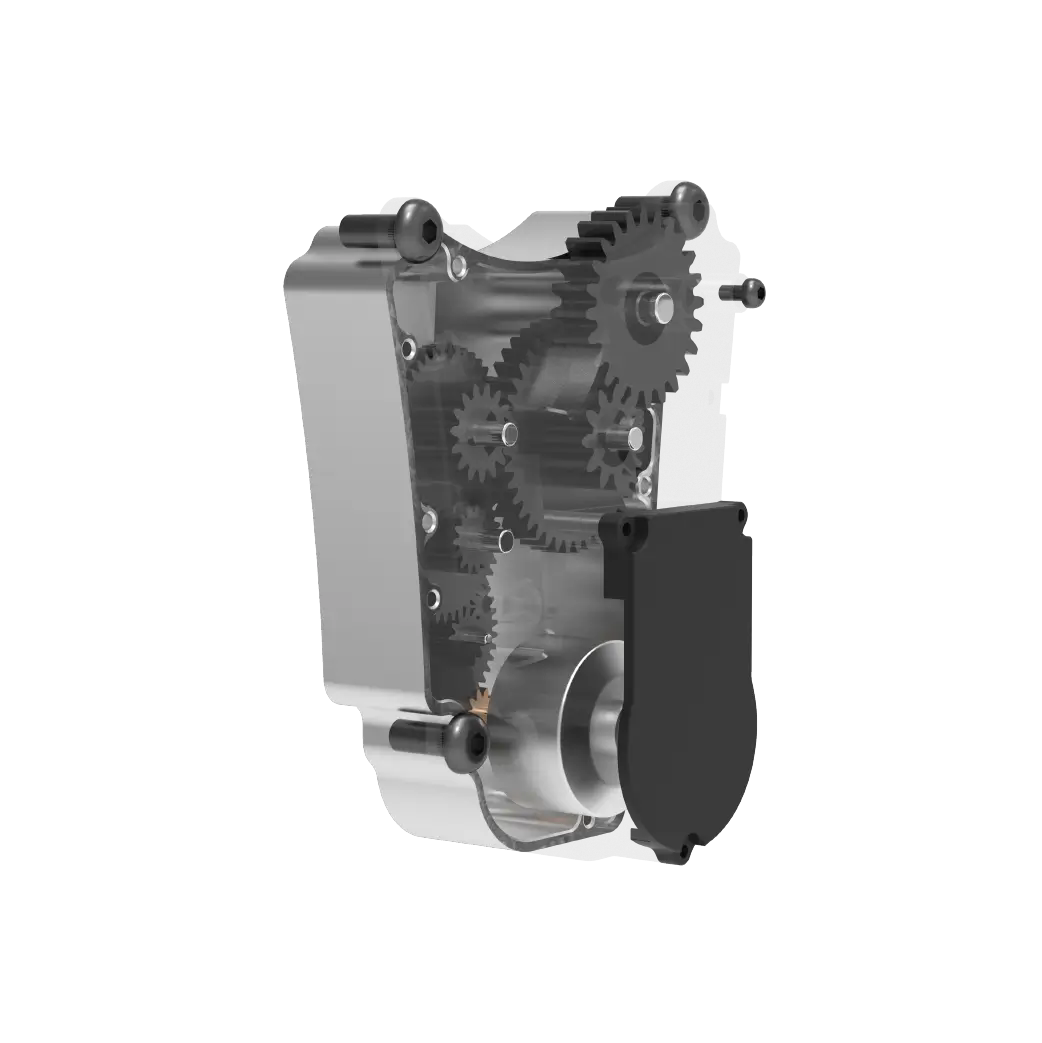
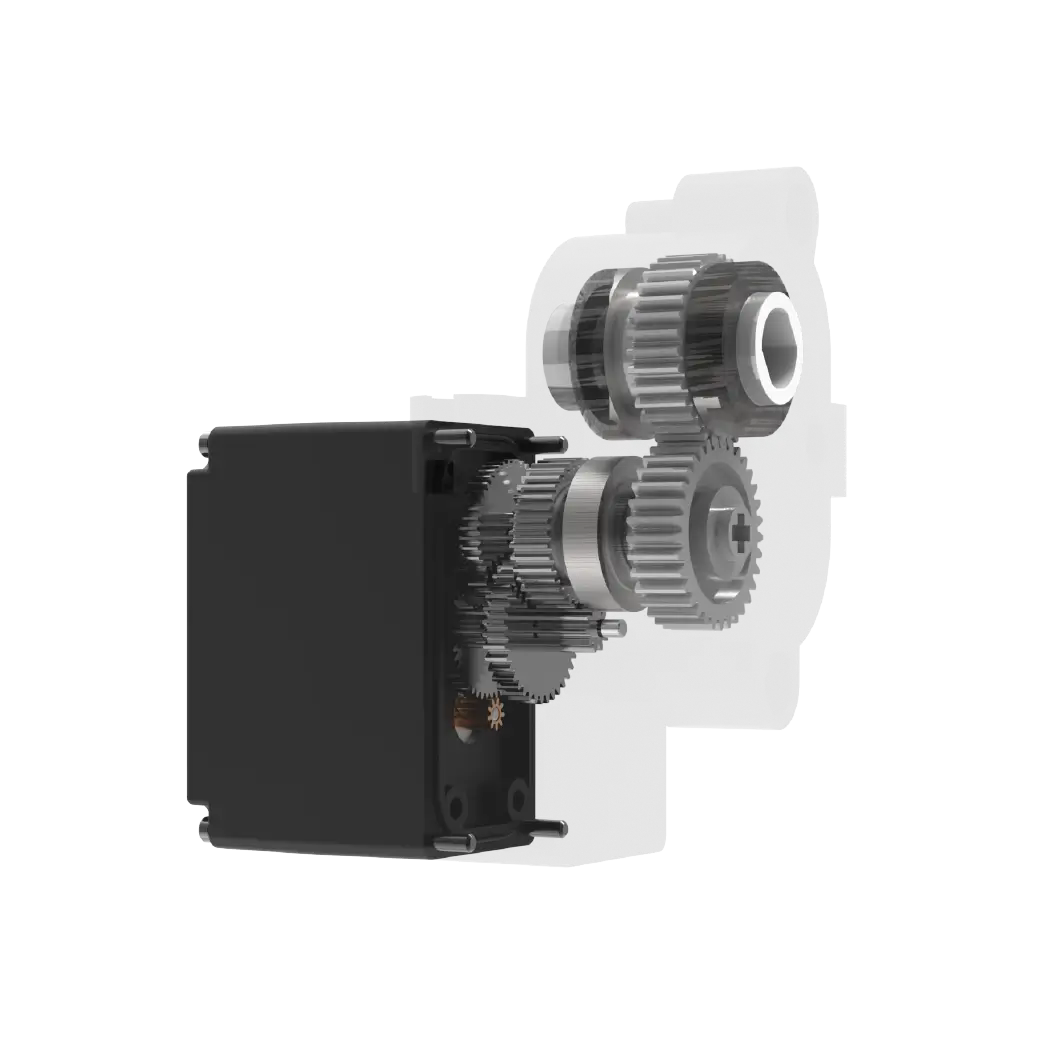
After a lot of fussing and checking the software and hardware, the servo still didn't respond. At this time, we had to wonder whether the servo itself had "end of life". There are motors, reduction gears and control circuits inside the steering gear. Damage to any one component may result in failure to rotate.
When we gently turn the output arm of the servo with our hands, if there is obviously no resistance at all, or there are abnormal noises and jamming during the rotation, then we can basically judge that the servo has been damaged. At this time, you might as well try a new servo and try again. Generally, this can solve the problem you are facing. Don't waste your energy on trying to fix a broken part.
After talking so much about servo control, now think back to the servo control problems you encounter most often in daily operations. If you think about it carefully, does it coincide with one of the points described above? Everyone is welcome to share your "mine clearance" experience in the comment area, so that more friends can see your valuable experience. If you think this content is helpful to you, don’t forget to like and share it! If you find it useful, don’t forget to like and share it! Let more people benefit from your experience sharing, accumulate more knowledge and skills in the field of steering gear control, and promote everyone to become more comfortable in related operations.
Update Time:2026-02-24

Contact Kpower's product specialist to recommend suitable motor or gearbox for your product.