







TECHNICAL SUPPORT


Published 2026-02-26
When engaging in product innovation, should you choose aservoor a stepper motor? I am very familiar with this problem, and many of my friends have stumbled upon it. If you make the wrong choice, the project will be reworked at best, or the product will be wasted at worst. Don't worry, today we will explain this matter clearly, so that you can make your own decision after reading it.
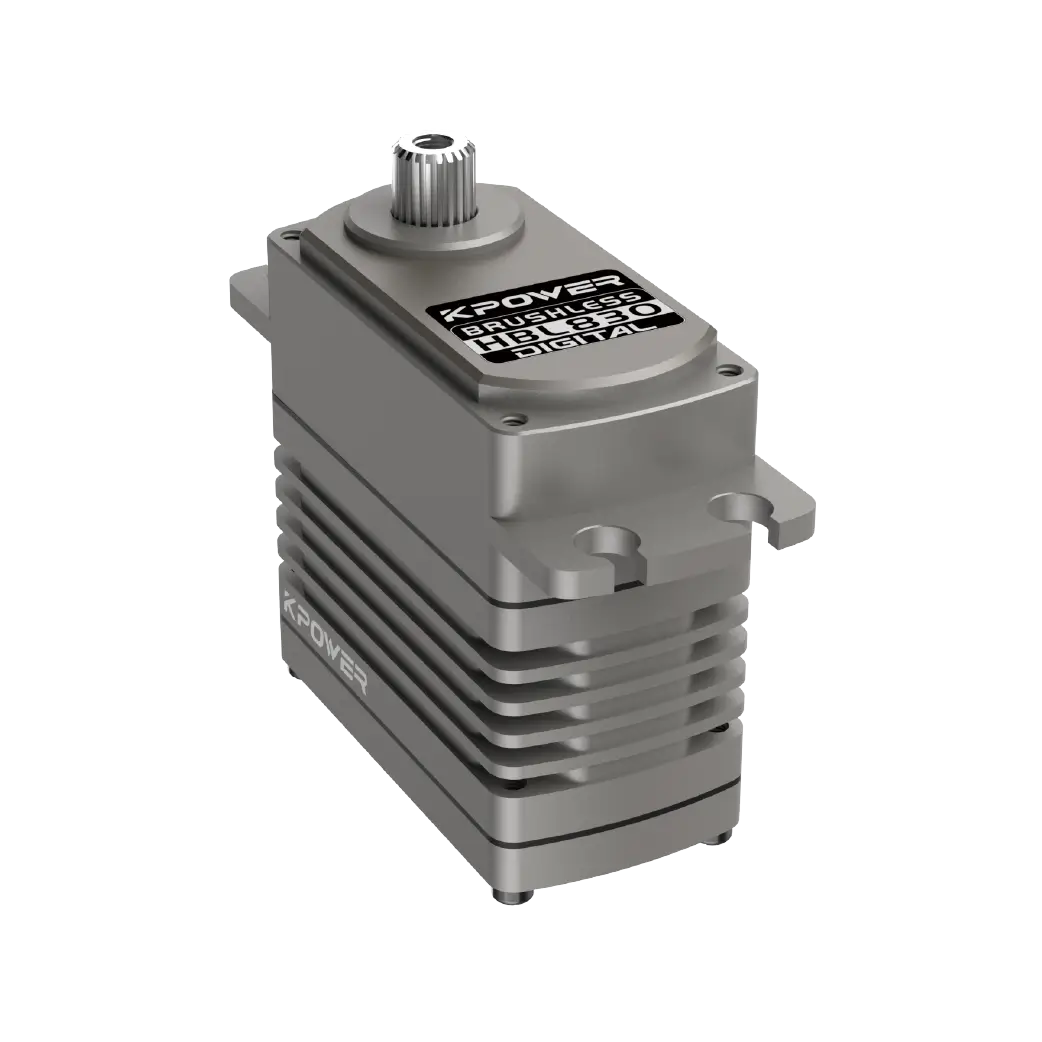
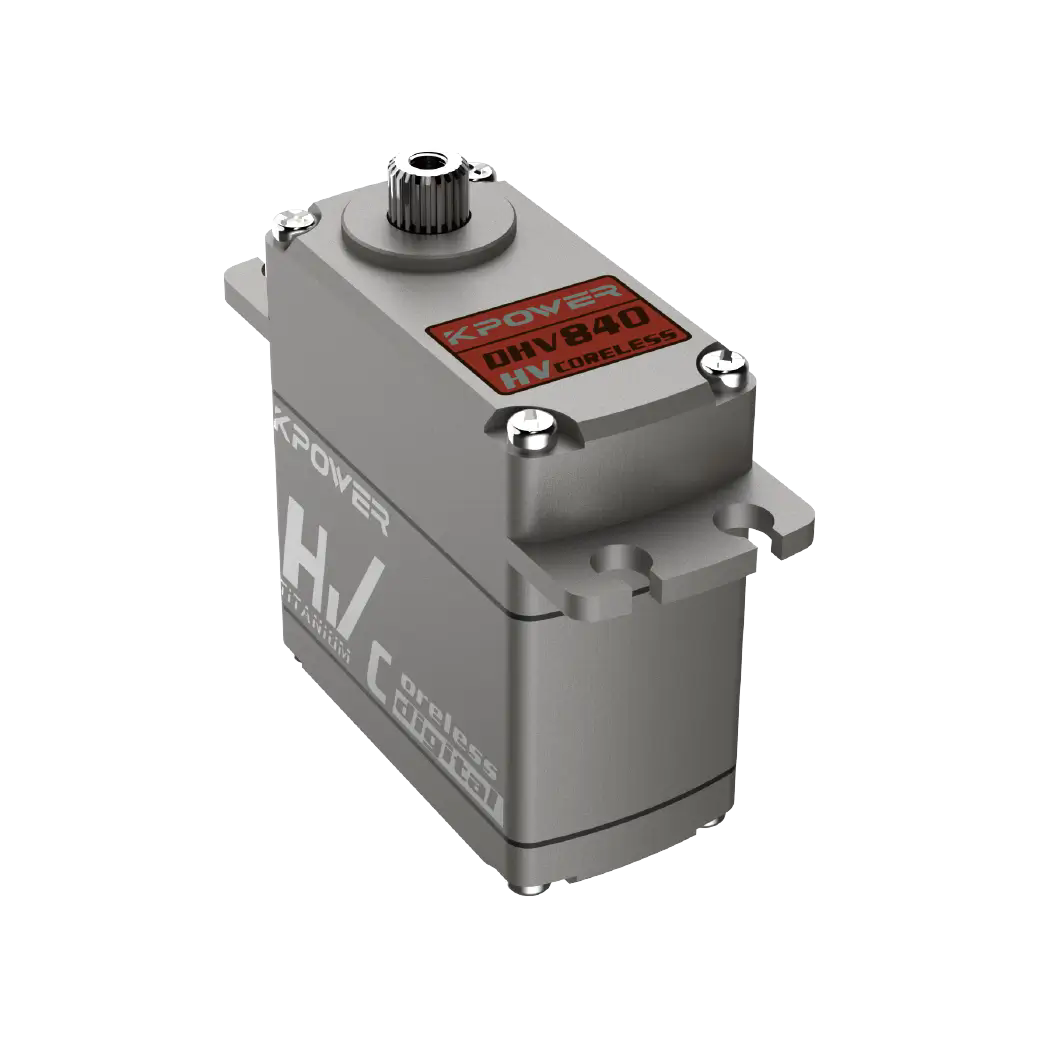
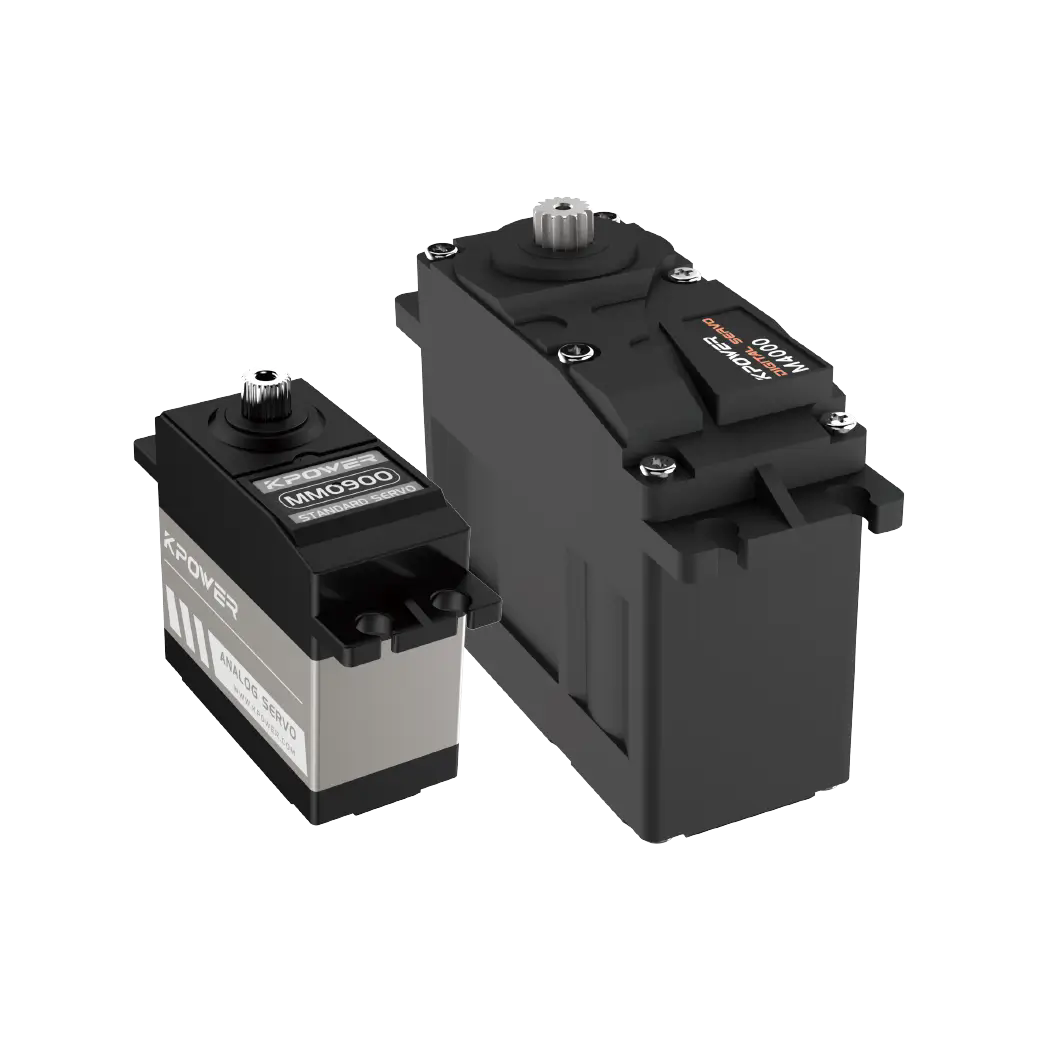
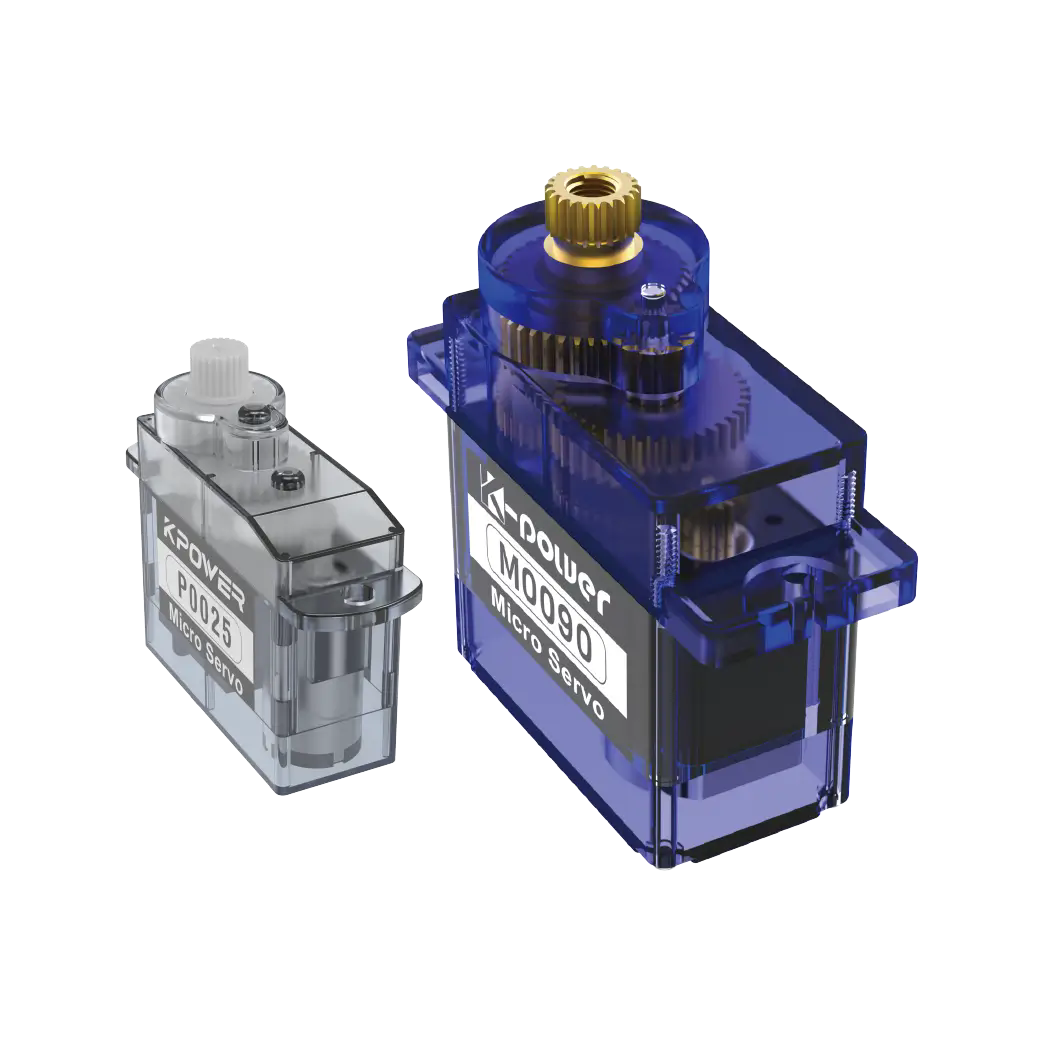
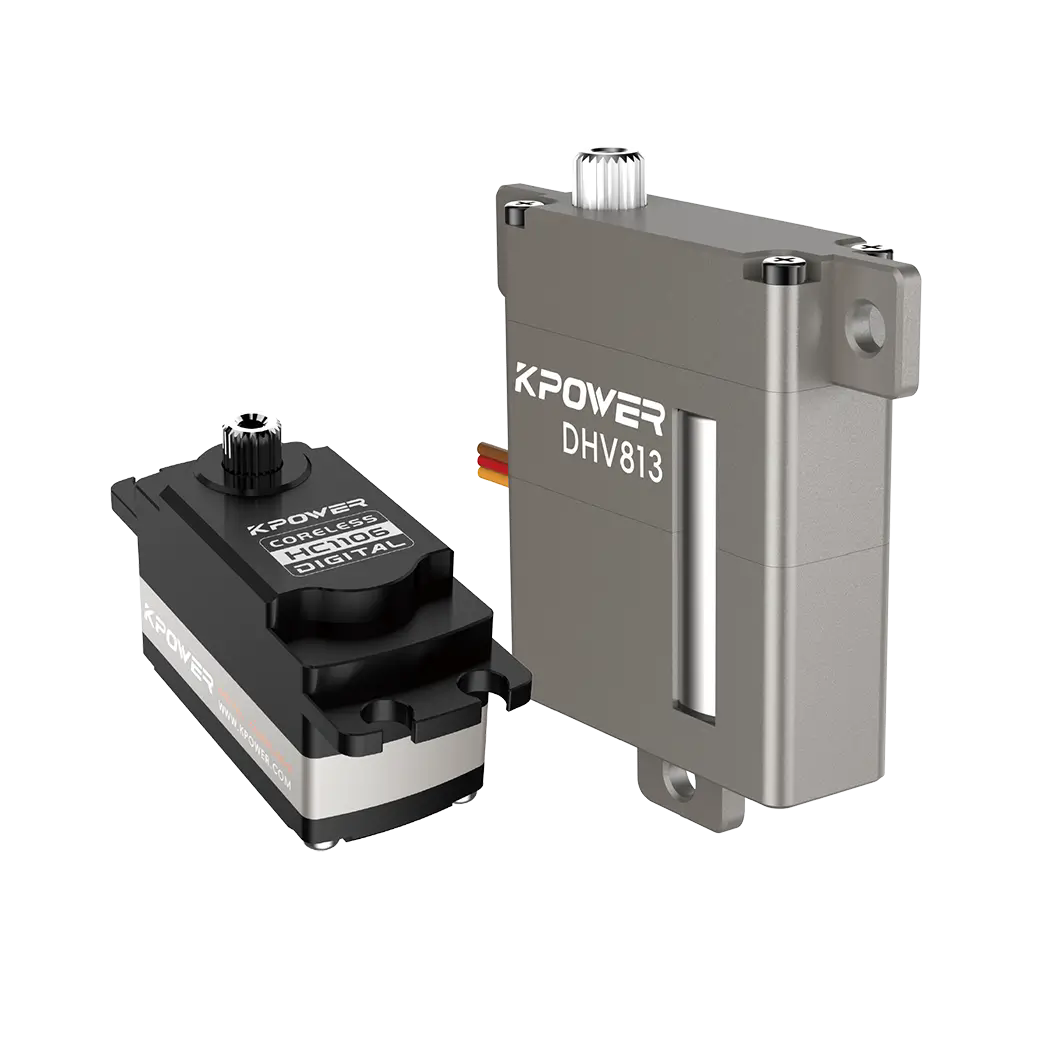
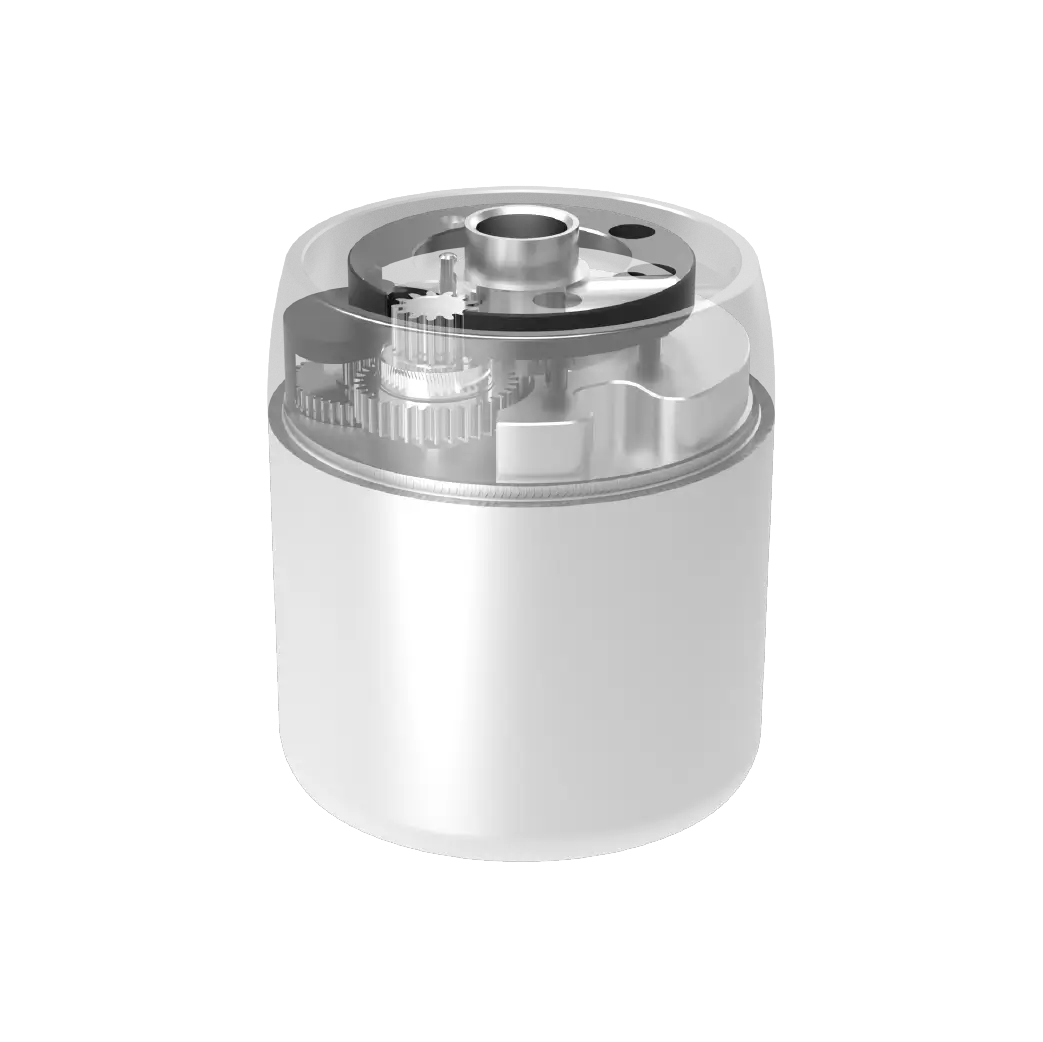
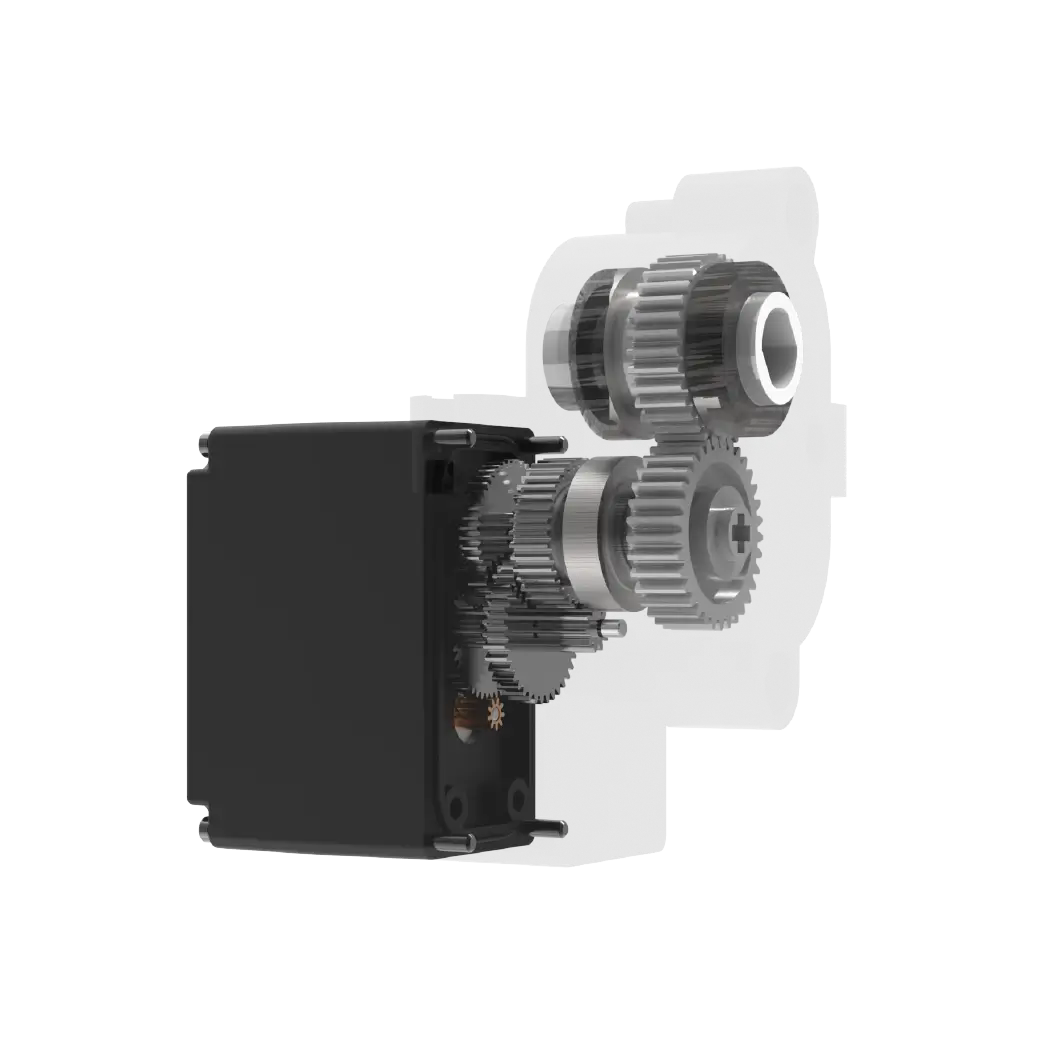
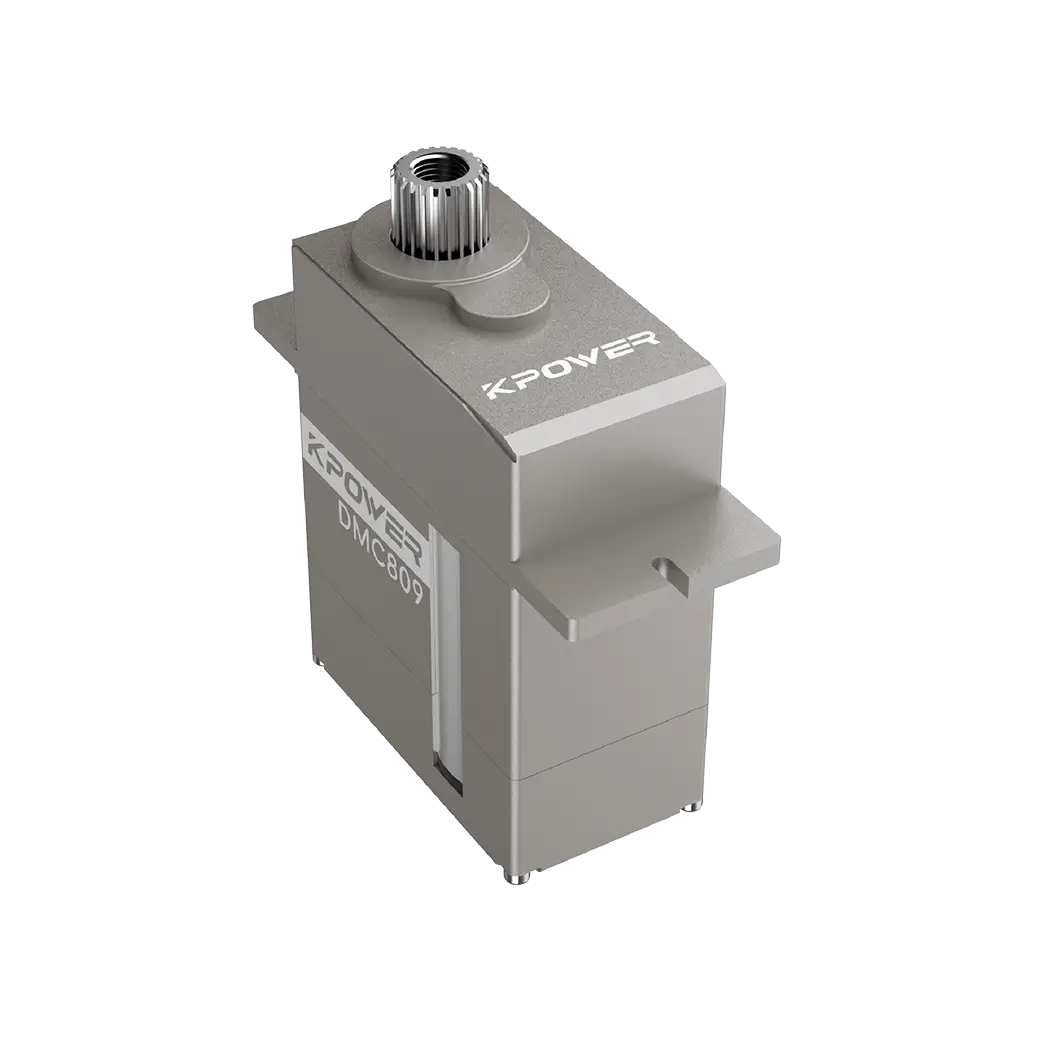
The core difference between the two brothers is mainly reflected in their working methods. The steering gear is a closed-loop system, which integrates components such as motors, control circuits, and reduction gears. When you give it a position signal, it can accurately rotate to the specified angle by its own system, and then stop steadily.
Stepper motors are completely different. They operate in an open-loop mode. When you send it a pulse, it moves forward one step. To put it simply, it is a digital motor that relies on step-by-step accumulation to achieve the effect of rotation.
It's like asking someone to do work. Theservois like a smart person who says, "If you tell him to go east, he will walk to the east and stand still." The stepper motor is like an honest person, "If you push him, he will take a step forward." This essential difference determines that the tasks they are good at are completely different.
The biggest advantage of using a steering gear is peace of mind. Its controls are extremely simple and especially friendly to beginners. You don't need to understand complex PID algorithms, and you don't need to equip it with an additional driver. Just power it on and use the PWM port of an ordinary microcontroller to control it. This is extremely fast for quickly verifying product prototypes.
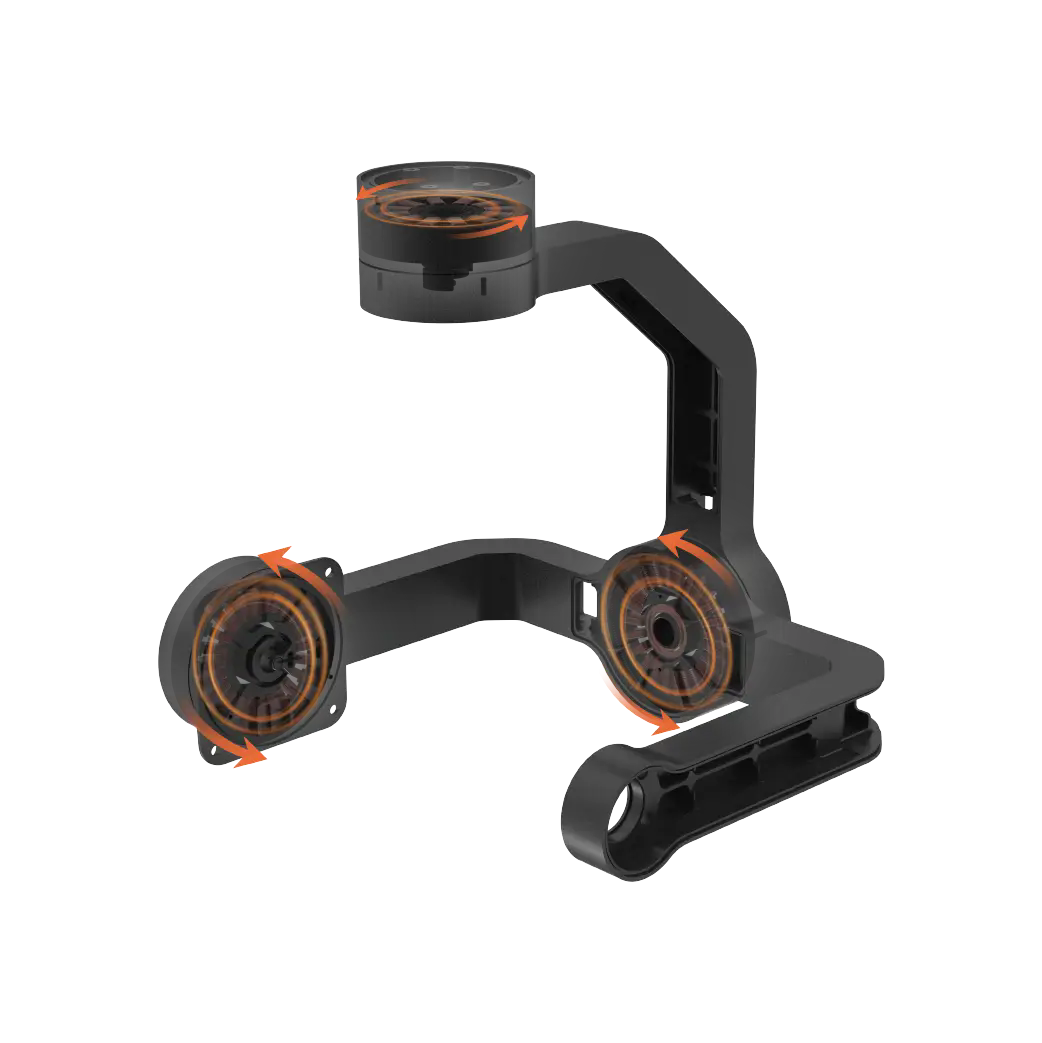
In addition, the steering gear performs extremely well in terms of torque and volume ratio. For motors of the same size, the servo can often output more powerful torque because it is equipped with a reducer. This characteristic makes the servo particularly suitable for use in scenes such as robot joints and camera pan/tilts. These scenes have limited space but have high demand for strength. Just imagine, if you want a small robotic arm to flexibly grab items, then a servo is usually the first choice.
Furthermore, this advantage of the steering gear provides great convenience for the design of related equipment. In the application of robot joints, the steering gear can exert powerful power in a small space by virtue of its excellent torque and volume ratio, ensuring the flexibility and stability of joint activities. As for the camera gimbal, the servo can easily cope with the constraints of limited space while providing sufficient torque to achieve precise rotation and positioning of the gimbal, thereby ensuring that the camera can capture the best picture. Therefore, whether in terms of function or applicability, servos have an irreplaceable position in these scenarios.
The advantage of stepper motors is that they are precise and cheap, especially when precise position control is required. Because it moves step by step, its position is absolutely accurate as long as it doesn't lose a step. Many 3D printers and CNC machine tools use it because it can repeat positioning with extremely small errors.
Stepper motors have a unique advantage that is their trump card: they can produce a lot of torque when running at low speeds. In many equipment operation scenarios, there is a need for direct low-speed drive, just like a turntable that needs to rotate slowly. At this time, the stepper motor can directly function without the need for a complex reduction mechanism. As a result, the equipment structure is simpler and the cost is reduced accordingly. It is especially suitable for equipment that needs to perform fixed strokes and repetitive actions, and can efficiently meet the operating requirements of such equipment.
To determine whether a servo is suitable, it mainly depends on whether your motion control needs are angle-based. If your product's main movement is to turn to a specific angle and then maintain it, such as making a shaking motion for a toy, or controlling a valve switch, then a servo is a perfect match. You only need to control the angle and nothing else.
️Look at your development time. If you are a start-up team and want to bring products to market as soon as possible, servo can help you save a lot of development time. It is plug-and-play, no parameter adjustment is required, and it can be started by simply writing a few lines of code. Let the product move first, and then optimize the details. This is the iron law of product innovation.
If your product requires continuous rotation and has requirements on speed, a stepper motor is more suitable. Although the servo can also be modified to rotate continuously, that is not its job, and the control accuracy and speed are limited. Stepper motors are designed to rotate in circles. You just need to give them pulses as fast as you want.
Another point is cost consideration. For mass-produced products, the stepper motor itself is not expensive. Although it requires a driver, in general, it is very cost-effective on medium and large equipment that requires precise position control. For example, if you want to design a car that automatically waters flowers, it would be practical to use a stepper motor to drive the wheels.
After deciding which motor to use, the next step is to find a reliable supplier. Don't just go for cheap and purchase from channels you have never heard of, because the quality of the motor is directly related to the stability of the product. I usually suggest to my friends that they go to the official website of a professional motor company to browse. Just like some well-known brands, their official websites will present detailed technical parameters and application cases.
After determining the type of motor to use, the next critical step is to find a trustworthy supplier. Never choose to buy from unknown channels just because the price is low. After all, motor quality plays a decisive role in product stability. I often suggest to my friends that they go to the official websites of professional motor companies, such as some famous brands, whose official websites will have detailed technical parameters and application examples for reference.
️When searching, you can try searching directly for "server manufacturer" or "stepper motor supplier" to find official websites of companies that look legitimate and have been in business for many years. Talk to their technical staff about your application scenarios. They can often give more professional selection suggestions, which are sometimes much better than just guessing on your own.
After reading this article, will you feel more confident next time you make product selections? I wonder what kind of motion control problems you have encountered in the project you are currently working on? Welcome to leave a message in the comment area, let's discuss and solve it together. If you find the article useful, don’t forget to like and share it so that more friends who make products can see it.
Update Time:2026-02-26

Contact Kpower's product specialist to recommend suitable motor or gearbox for your product.