







TECHNICAL SUPPORT


Published 2026-03-08
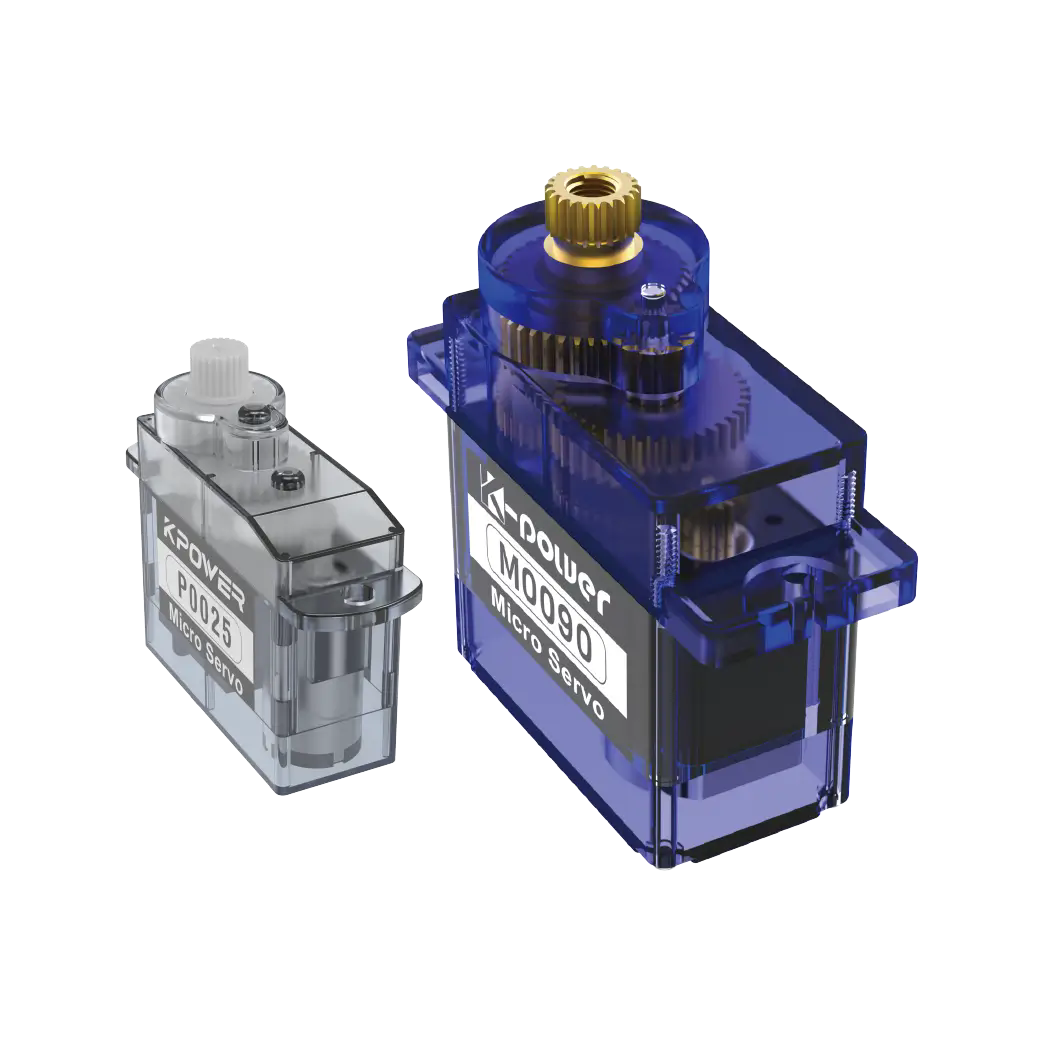
When engaging in product innovation, the most feared thing is "overturning" in steering gear selection. Especially when you see a model like "servomicro w/micro pig", do you think it is very professional but also a bit confusing? Don’t worry, this kind of microservowith the word “micro” is the core of many of our miniaturized and intelligent product projects. If you choose the right one, the project will be half successful; if you choose the wrong one, there will be bugs that cannot be corrected. Today we will put aside those obscure instructions and talk in plain English about how to make good use of this little thing and make it a "magic assist" for your product.
Many friends who just started making products always think "the more power, the better". As a result, they choose a servo that is large and heavy. In fact, for many innovative products, such as mini robots, smart car models or small automation equipment, space and weight are more valuable than torque. Think about it, a robot with a big palm and a "Big Mac" servo on its head is not only uncoordinated, but also has an unstable center of gravity. The purpose of using micro-servos is to achieve precise motion control in a limited space. It is like the chopsticks we use to eat, small and flexible, specialized in doing delicate work. Moreover, micro servos usually consume less power and put less pressure on batteries and circuits, allowing your product to last longer and improve your experience.
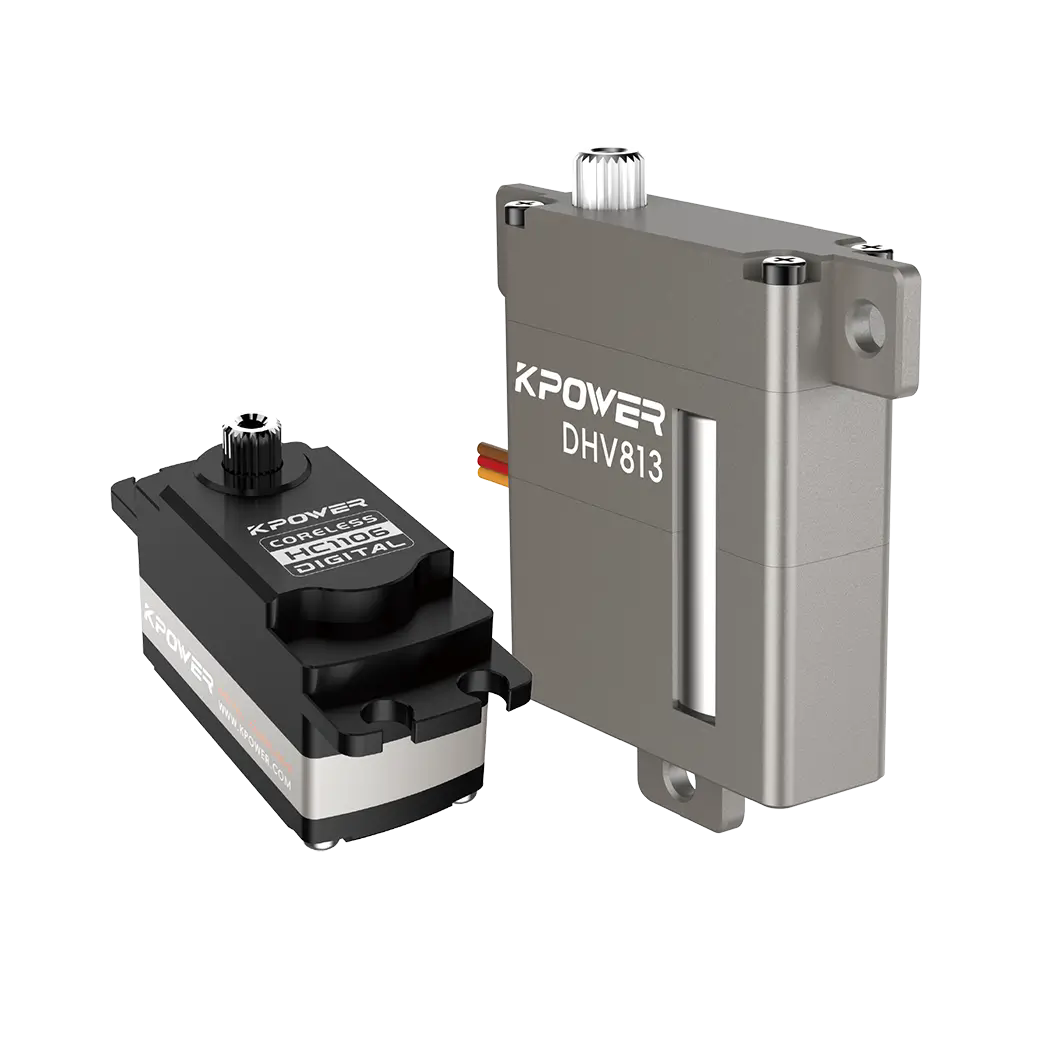
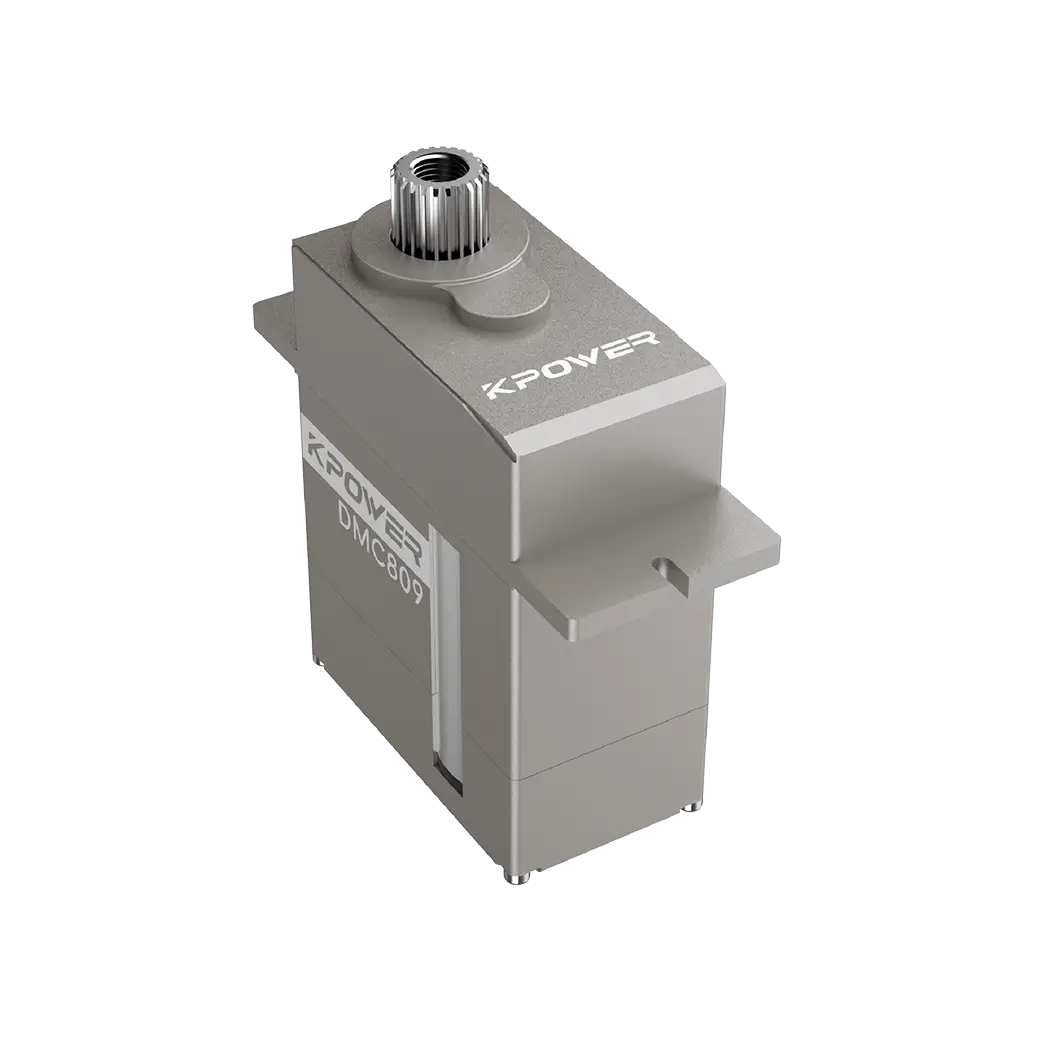
Seeing the string of numbers and letters " ", many people's heads got big. In fact, if you take it apart and look at it, it is the "ID card" of the steering gear. As product developers, we focus on several core indicators. The first is "torque", which is how strong it is, which determines how many components it can pull. The second is "speed", which is related to whether your product responds quickly or not. Then there is the "angle", such as whether it can only rotate 180 degrees or can rotate continuously. Finally, don’t forget to look at the “micro pig” wire it comes with, which determines how you solder it to the circuit board. Don’t be intimidated by the model number. If you grasp these key parameters, you will know whether it is suitable for your project.
With a good micro servo, your product will seem to have a "soul". To take a simple example, if you make a bionic robotic fish, an ordinary motor can only make it swim straight and stupidly, but with a micro-servo, you can precisely control the swing amplitude and frequency of the fish's tail, and the swimming posture will immediately become natural and smooth, just like a real fish. That's the beauty of precise control. Another example is a small window opener for a smart home. It must open the window quietly and smoothly, and it must not be caught in the hand. Due to its sophisticated internal structure and electronic control, the micro steering gear can achieve this kind of gentle and reliable interaction, giving users a "high-end feel" that far exceeds expectations.
Once you get this small servo, don’t rush to stuff it into the product. The first step is to "center", which is to turn the servo output shaft to the middle position. This is important because it determines your baseline for subsequent installation of connecting rods and moving parts. The second step is to design the fixed base according to your product structure. Micro servos usually have their own mounting holes. You can fix them with screws or glue them with structural glue, but you must make sure they don't move. Otherwise, they shake when you work, and there's no point in accuracy. Step three, solder the "micro pig" wire to your control board. Remember that red is positive and black is negative, and don’t connect the signal wires incorrectly. After connecting, don't pretend to be dead. Gently turn the output shaft with your hand, feel the resistance, and confirm that the mechanical part is smooth and correct, then power on and test.
The servo is installed, but it still doesn’t understand your thoughts and needs to be “tamed” through code. You have to tell it in the program: when to turn to what degree and how fast to turn. This involves the setting of the PWM (Pulse Width Modulation) signal. A simple understanding is to give the steering gear an "electrical pulse" of a specific length, and it will go to a specific position. You can calibrate the rotation angle of the servo by fine-tuning the pulse width so that it hits where it points. To be more advanced, you can also use algorithms to implement "slow start" and "slow stop" to make the servo's movements look softer and more humane, rather than "clanging" into place. This is crucial to improving the quality of the product.
Sometimes you will encounter this situation: the servo is fine when it is not moving, but it shakes non-stop when it moves, or it simply makes a "sizzling" sound. Don’t panic yet, there are usually several common reasons. One is that the power supply is insufficient, the current of the steering gear is large at the moment of operation, and the voltage is pulled down. The solution is to check your power supply or add a large capacitor to the circuit. The second is signal interference, especially when the line you use is relatively long. You can try to separate the signal wires and power wires, or use shielded wires. The third is that the mechanical structure is stuck. Check the connecting rod and rotating shaft carefully to see if there is too much friction somewhere. Finally, there may be a problem with the potentiometer of the servo itself, which needs to be replaced. Troubleshooting these common faults is also a necessary growth process in product development.
Having said so much, I actually hope that everyone will understand that a seemingly inconspicuous micro servo can exert amazing power in your creativity as long as we select, install and adjust it correctly based on product needs. Next time you see a model like " ", you might as well search the corresponding company's official website directly to see the detailed specifications and cases. There are often more good things hidden there that can inspire you. So the question is, in your next product, what interesting functions do you want this small servo to help you achieve? Welcome to share your thoughts in the comment area, let’s communicate and discuss together! If you find the content useful, don’t forget to like and share it so that more friends who make products can see it.
Update Time:2026-03-08

Contact Kpower's product specialist to recommend suitable motor or gearbox for your product.