







TECHNICAL SUPPORT


Published 2026-02-27
When you are playing with theservo, do you always feel that it is a bit mysterious? Watching it turn at precise angles, you can't help but wonder: What is in this little guy's belly that makes him so obedient?
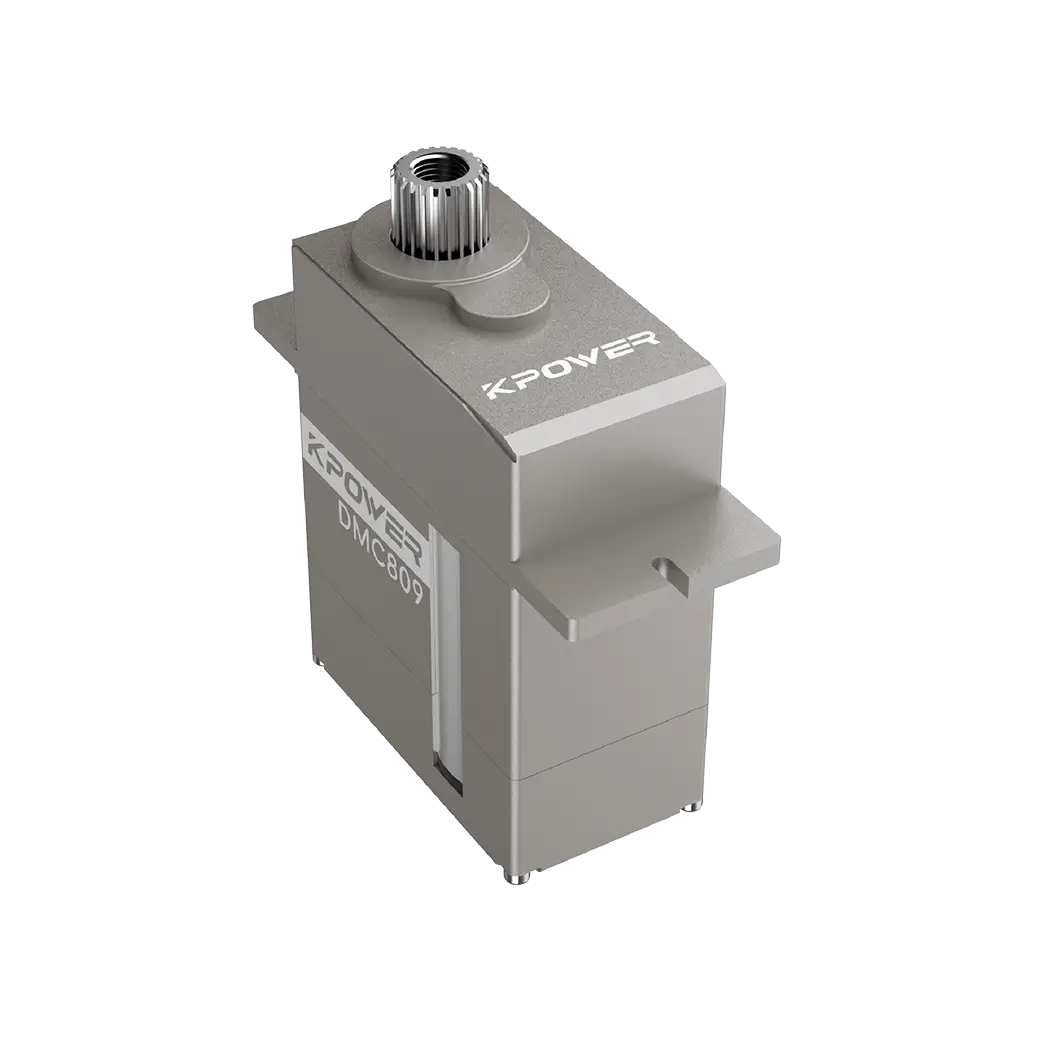
In fact, the steering gear is not as complicated as imagined. Taking it apart, it is a very classic closed-loop control system. Understanding its basic components will not only help you feel confident when choosing a model, but also help you know where to start if problems arise in the future.
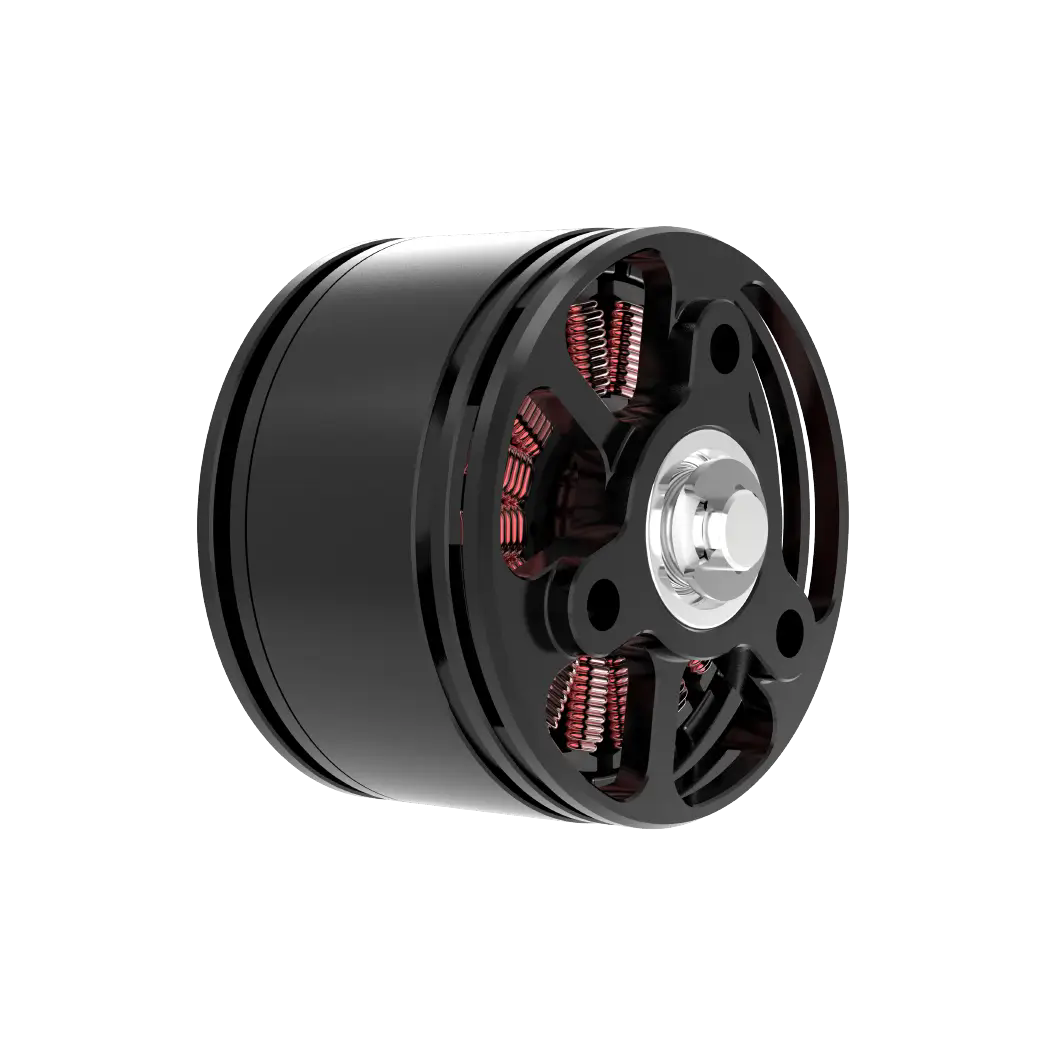
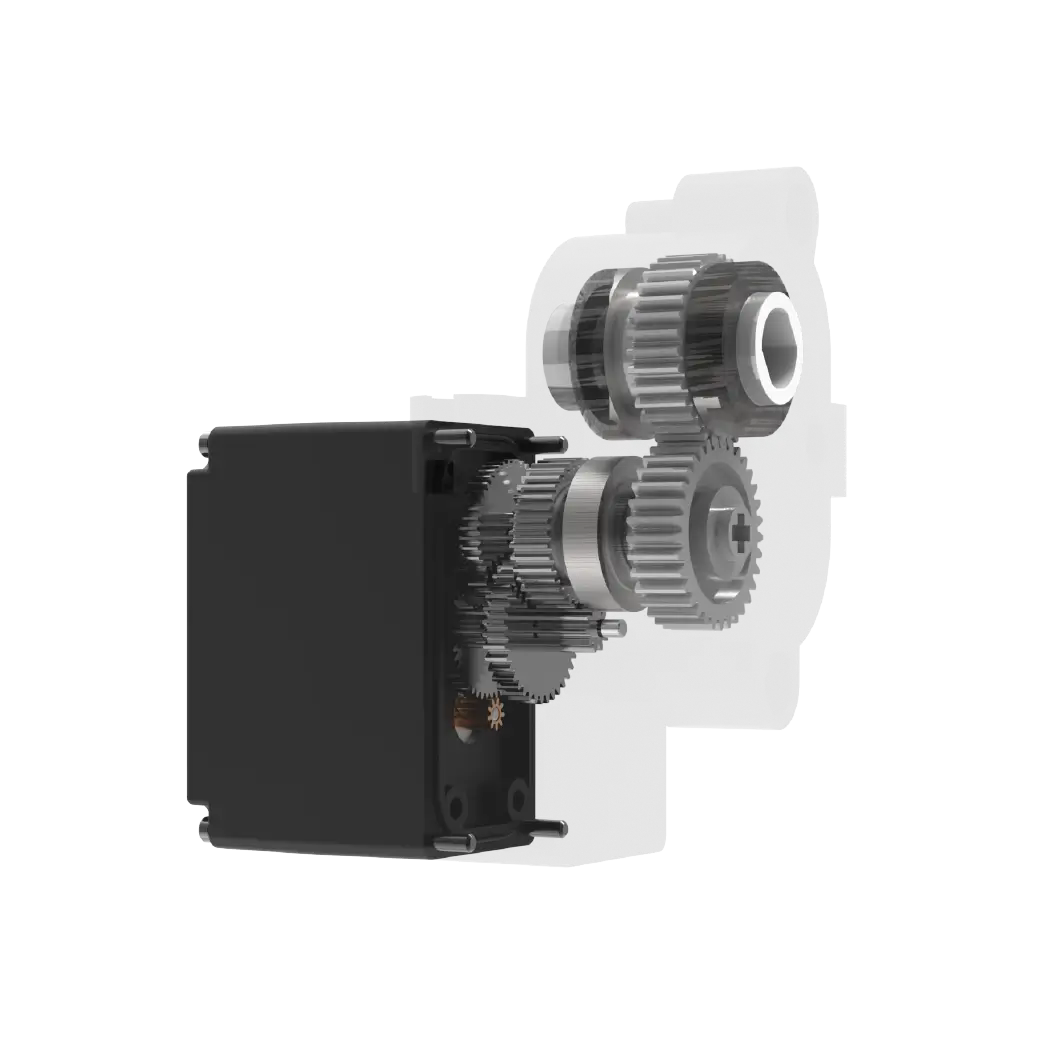
The fundamental source of power for turning the rudder is this small DC motor. You might as well compare it to the engine in a car. When you energize it, it will immediately start running at high speed. However, this kind of motor has unique characteristics. Its rotation speed is extremely fast, but its power, that is, torque is relatively small, and it cannot directly drive those bulky mechanical arms or wheels by itself. Therefore, it must be followed by an auxiliary helper. In fact, it is the various specifications and parameters of this motor that determine to a large extent how much power the steering gear can output, which is what we usually call the torque.
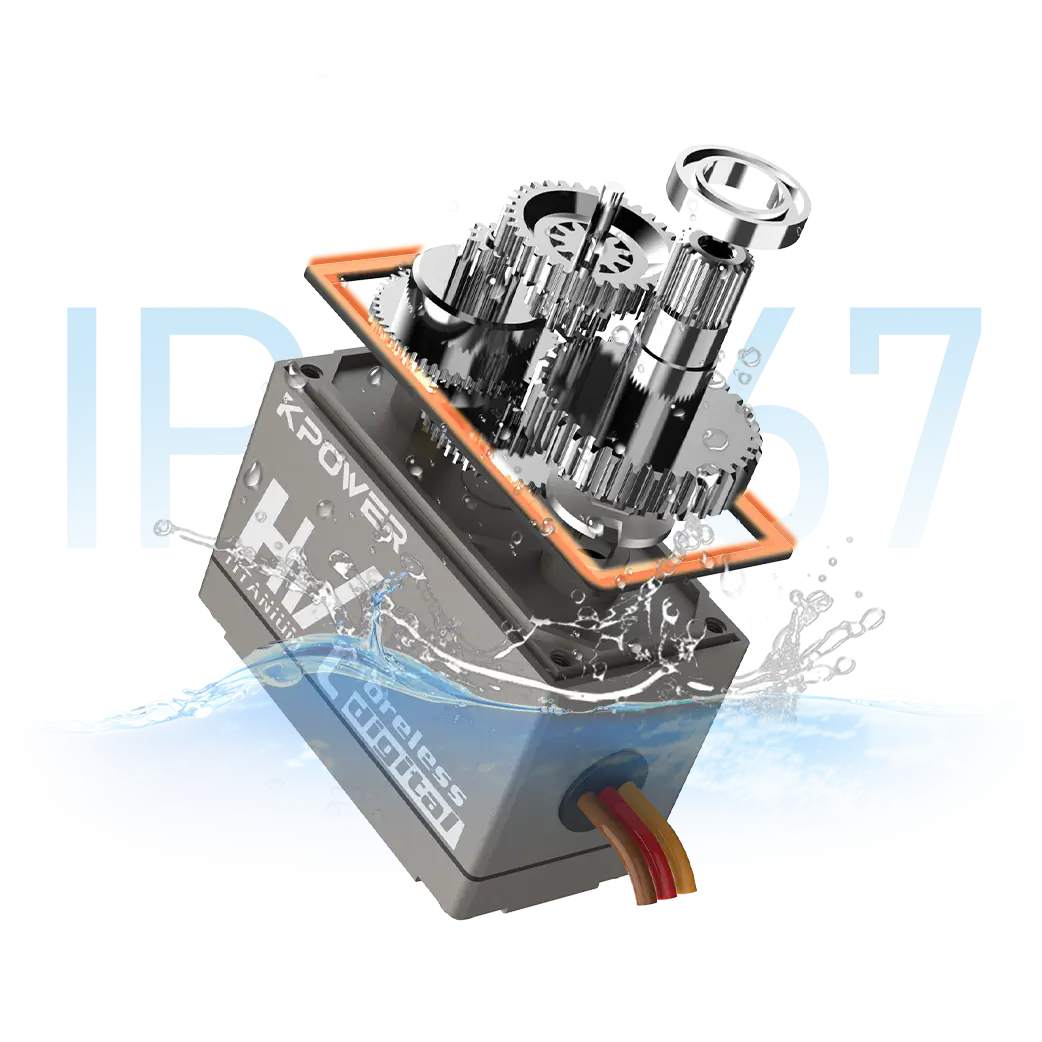
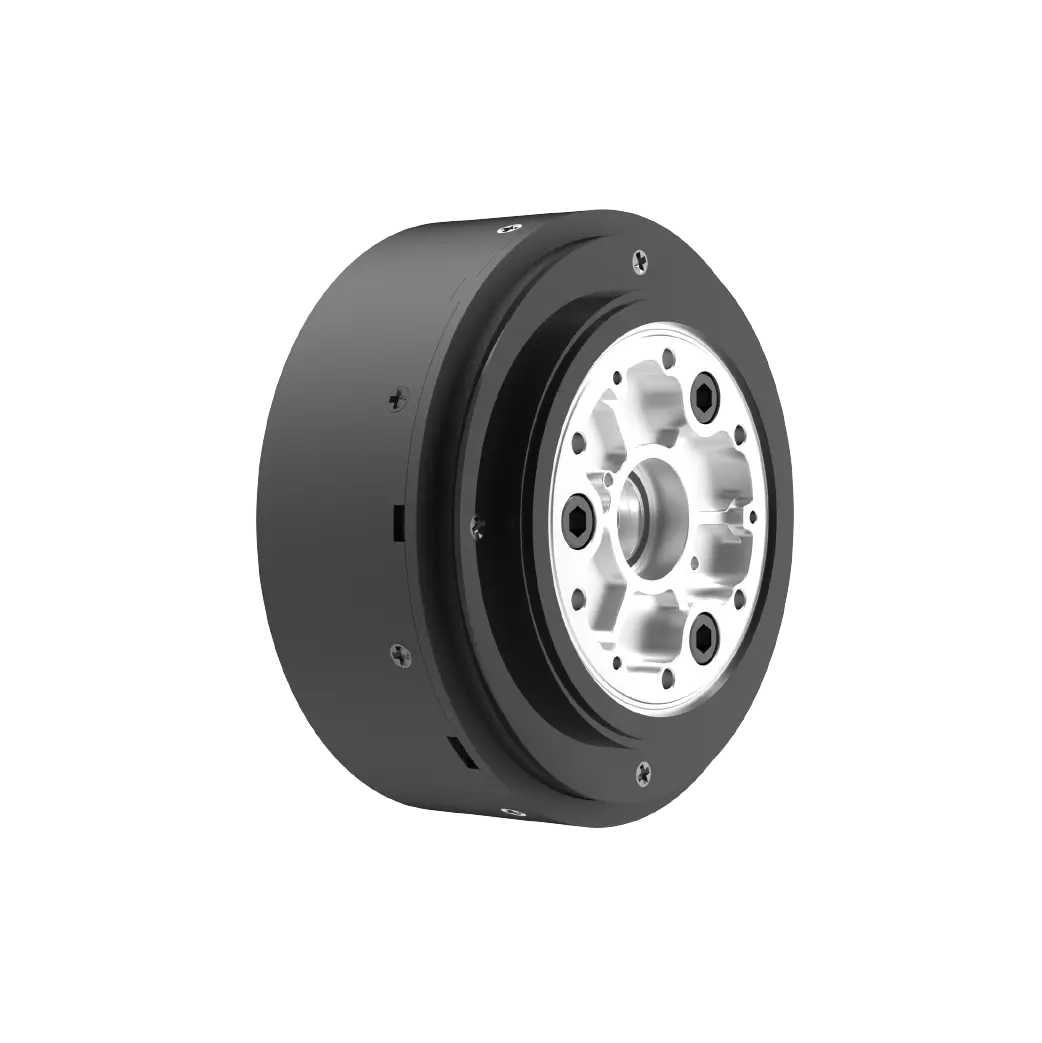
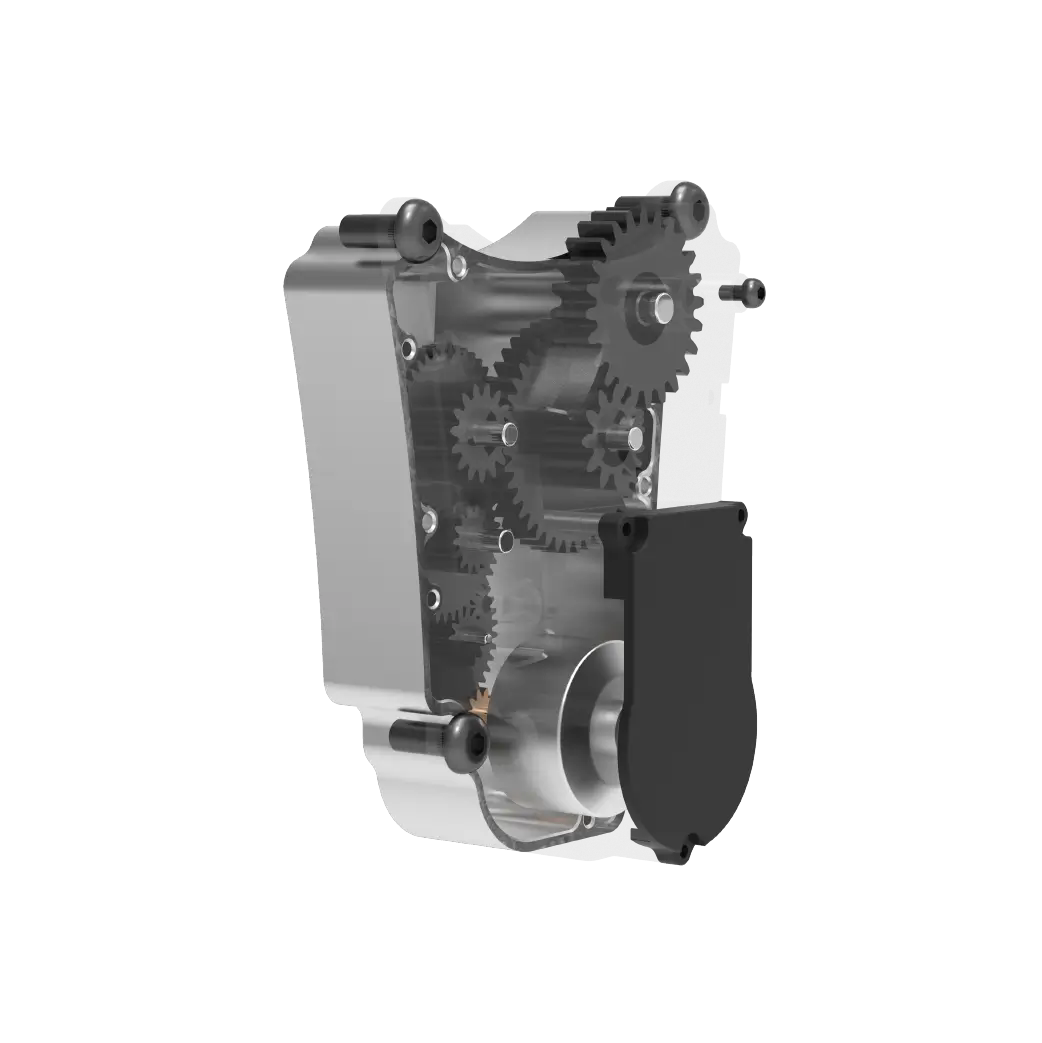
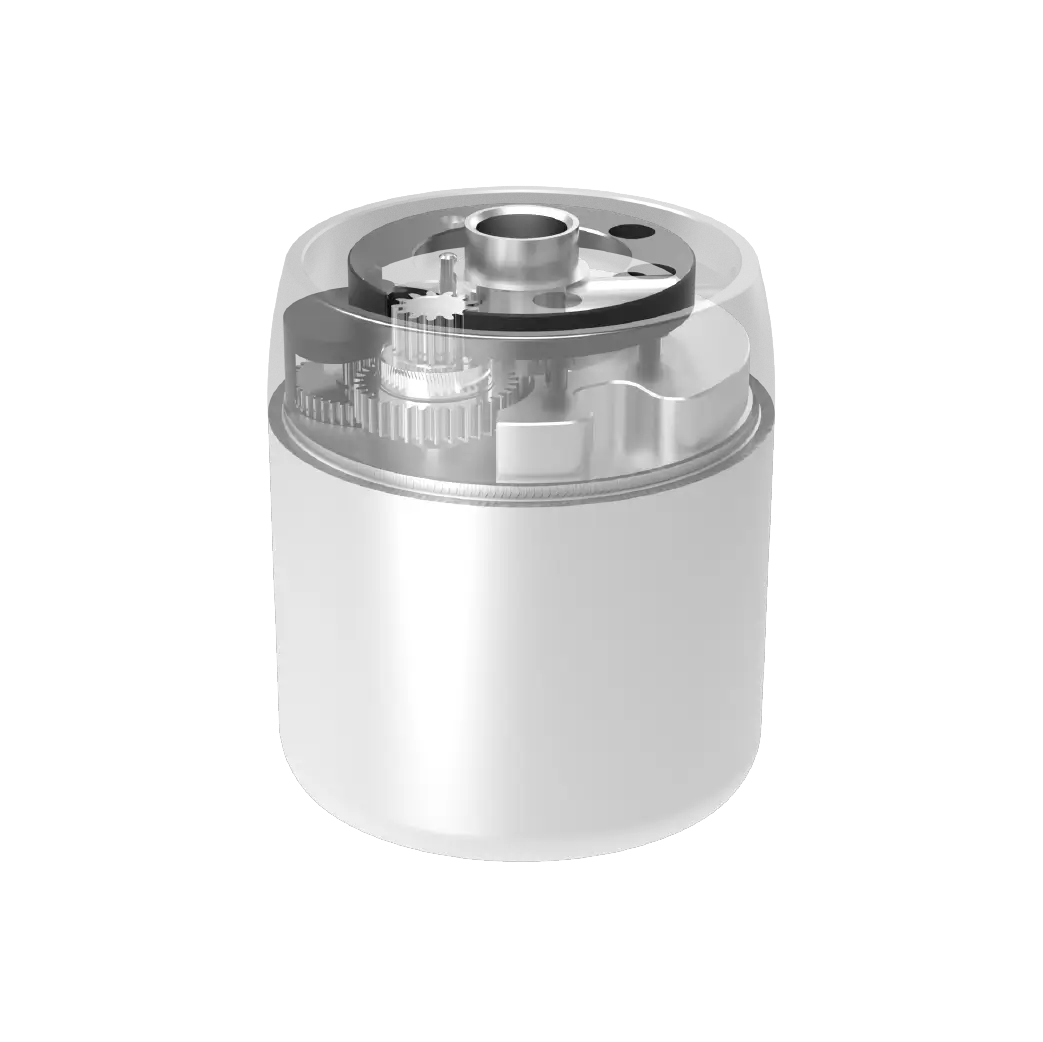
Since the motor itself has small power and fast speed, how to make it powerful and moderate speed? This is the turn of the reduction gear set. This bunch of large and small gears mesh together like a gearbox. Through physical principles, they reduce the high speed of the motor and at the same time amplify the power dozens or even hundreds of times. As a result, the small motor that was originally idling quickly became a "strongman" that could rotate steadily to a specified angle with huge torque.
Now, theservois moving, but how do you make it stop at a certain angle accurately? This requires a "sensor" - a potentiometer. The potentiometer is actually a variable resistor, which is usually connected to the output shaft of theservo. When the shaft of the servo rotates, the resistance value of the potentiometer will also change synchronously. In this way, we can know the exact position of the steering gear in real time by measuring the resistance value, which provides the basis for the next step of "precision control".
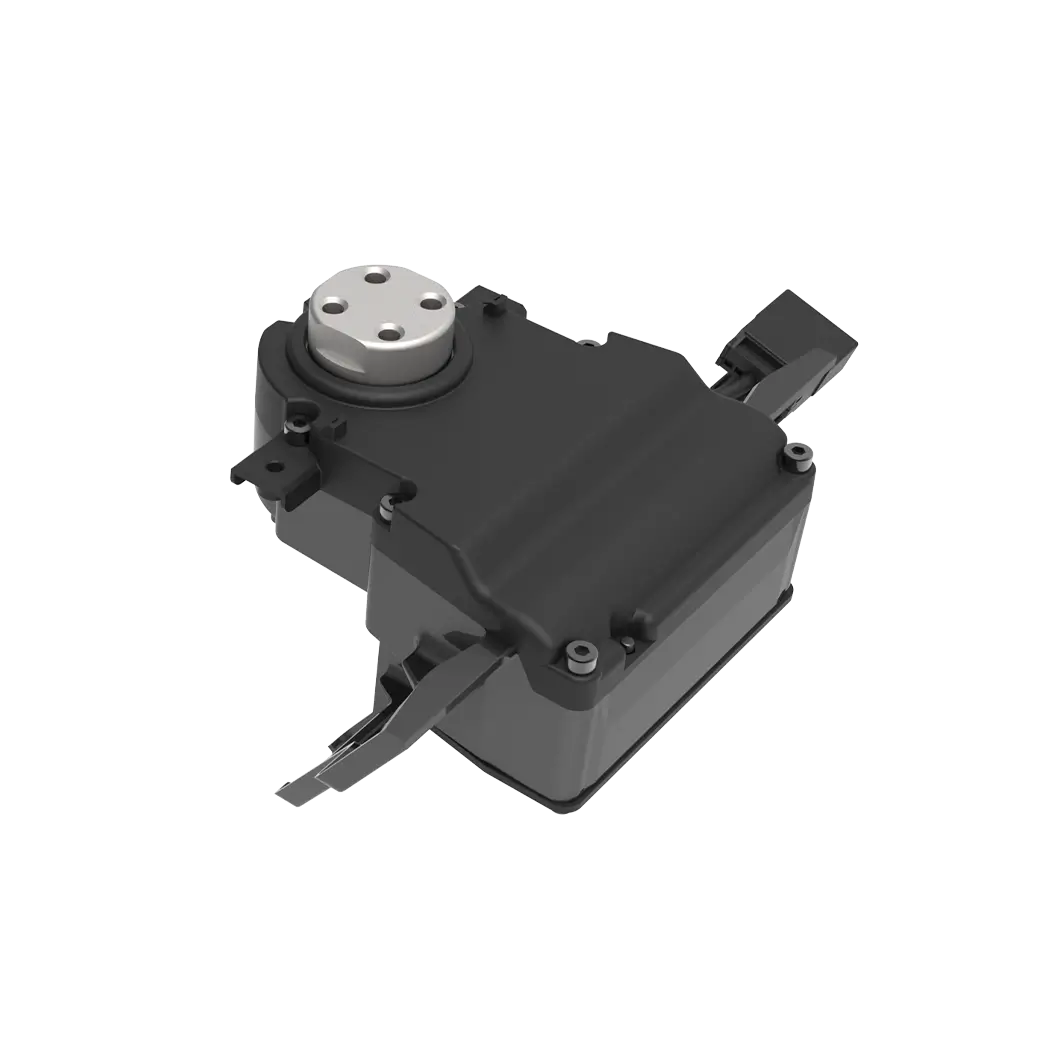
With the elements of power, transmission and position feedback, there is still a lack of a "brain" that can perform unified coordination, and what plays this key role is the small control circuit board. The PWM signals you send from a controller such as a microcontroller will be sent here. A chip on the circuit board interprets this signal and compares it in detail with the target angle. At the same time, it will always pay close attention to the "current angle" information fed back by the potentiometer. It is like a commander commanding thousands of troops, constantly comparing the gap between the "goal" and the "current situation", and then accurately commanding how the motor should rotate and the magnitude of the rotation based on this gap.
During the entire system operation, the control circuit board plays a central nervous system role. It receives the PWM signal from the controller as a command. The chip interprets the signal and compares it with the target angle in an orderly manner, and it does not dare to slack off in monitoring the "current angle" data transmitted from the potentiometer. It is like an experienced commander, relying on the precise grasp of the gap between "target" and "current situation" to accurately command the rotation of the motor, ensuring that the motor can operate in the expected manner and degree to achieve stable and precise control of the entire system.
The organic combination of the above-mentioned parts forms a classic closed-loop control system. When you issue a command, for example, to turn it to 90 degrees, the circuit board will immediately check the potentiometer after receiving the command (the potentiometer displays 45 degrees at this time). Once a gap is detected, the circuit board commands the motor to start spinning. The motor drives the gear set, which in turn drives the output shaft, which is connected to the potentiometer. As the motor rotates, the value of the potentiometer continues to change, until the moment it reaches 90 degrees, the circuit board will issue a command to stop the motor. This complete set of "command-execution-feedback-correction" process is the secret of the steering gear's ability to achieve precise control.
From the perspective of the operation of the entire system, its logic is clear and interlocking. First, a command is issued as the starting point, and then the command is executed to rotate the motor. Then the feedback link monitors the angle change through the potentiometer, and finally makes corrections based on the feedback to ensure that the set 90-degree target is achieved. Each step is closely connected, and together they build a mechanism for the precise operation of the steering gear, showing the subtleties of the closed-loop control system.
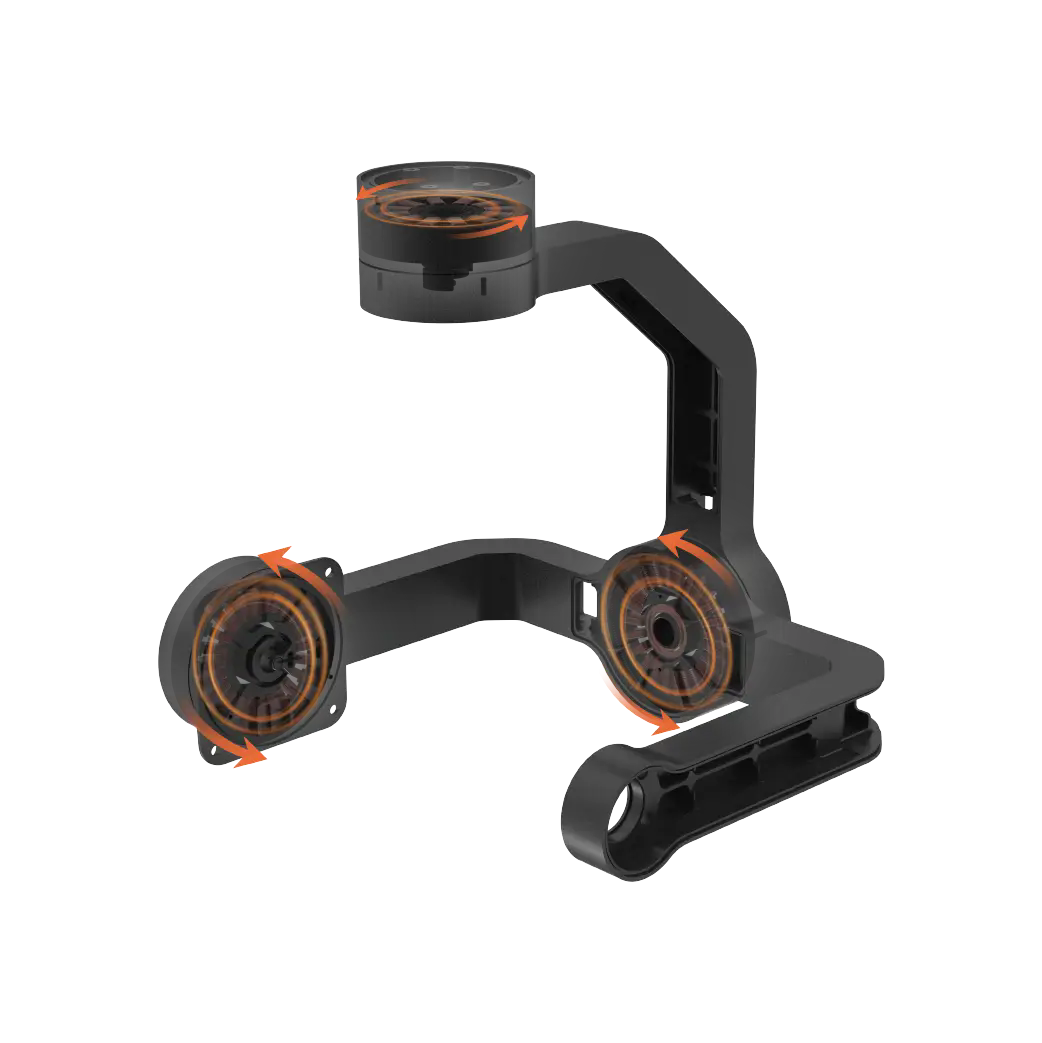
Once you understand the internal structure, choosing a servo is no longer just about appearance. If you are making something that requires a lot of strength, such as a robotic arm, then focus on the material ofthe reduction gear set(metal gears are more durable and have greater torque than plastic gears) and the specifications of the motor. If you are pursuing accuracy and response speed, such as stabilizing a gimbal camera, then the performance ofthe control circuit boardand the accuracy ofthe potentiometerare crucial. Next time you choose a servo, you might as well dismantle it (or find a disassembly diagram) and take a look at its "innards", and you will know whether it is suitable for your project.
After seeing the cooperation of these five kings inside the steering gear, do you think it is not so mysterious after all? In the project you are currently working on, is there any link in which you particularly select a certain performance of the servo? For example, is gravity more important or accuracy? Let’s talk about your application scenarios in the comment area, maybe we can create new sparks! If you find the article useful, don’t forget to like and share it so that more friends can understand the steering gear.
Update Time:2026-02-27

Contact Kpower's product specialist to recommend suitable motor or gearbox for your product.